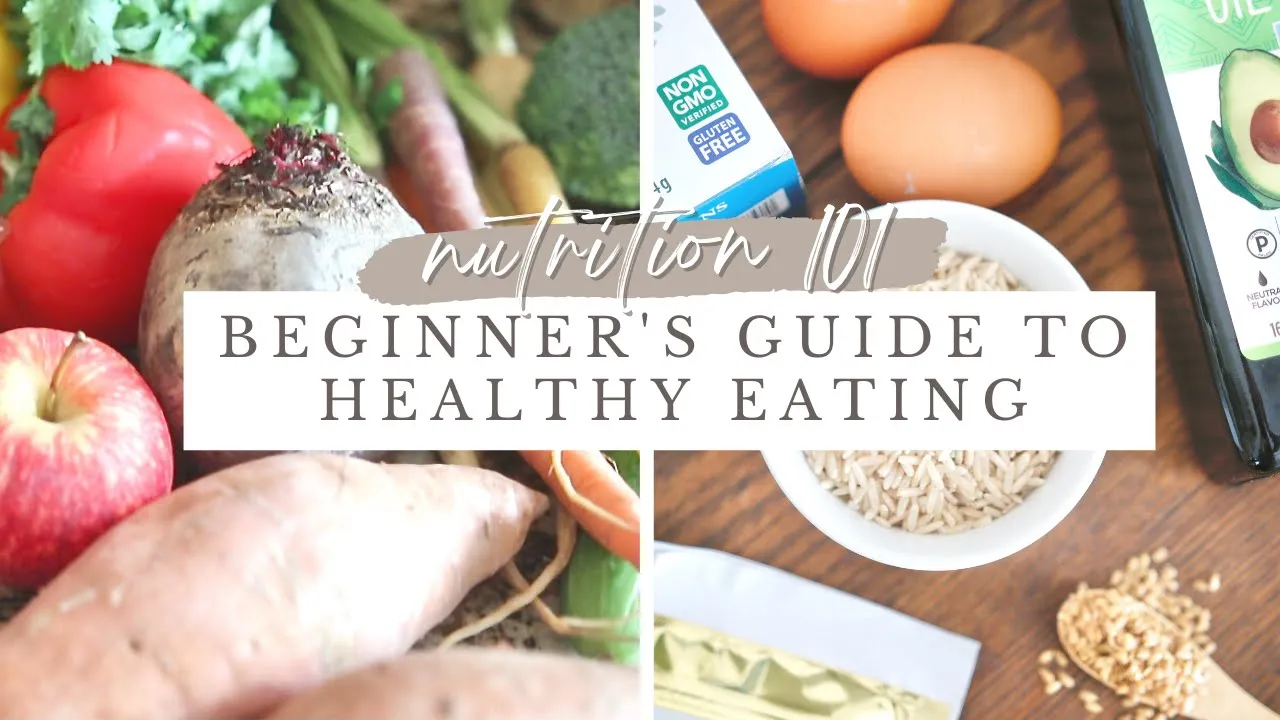
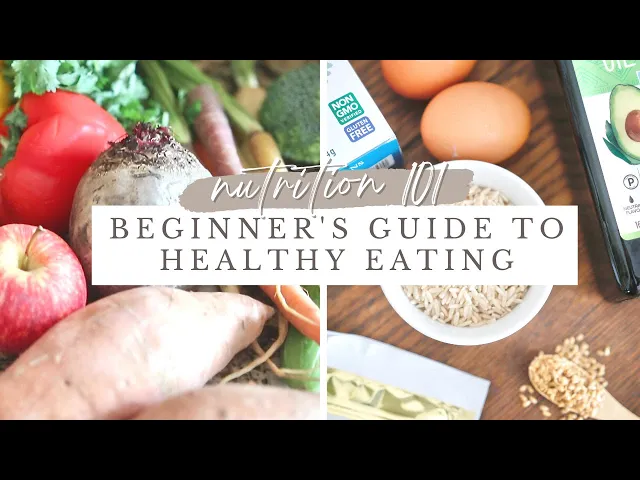
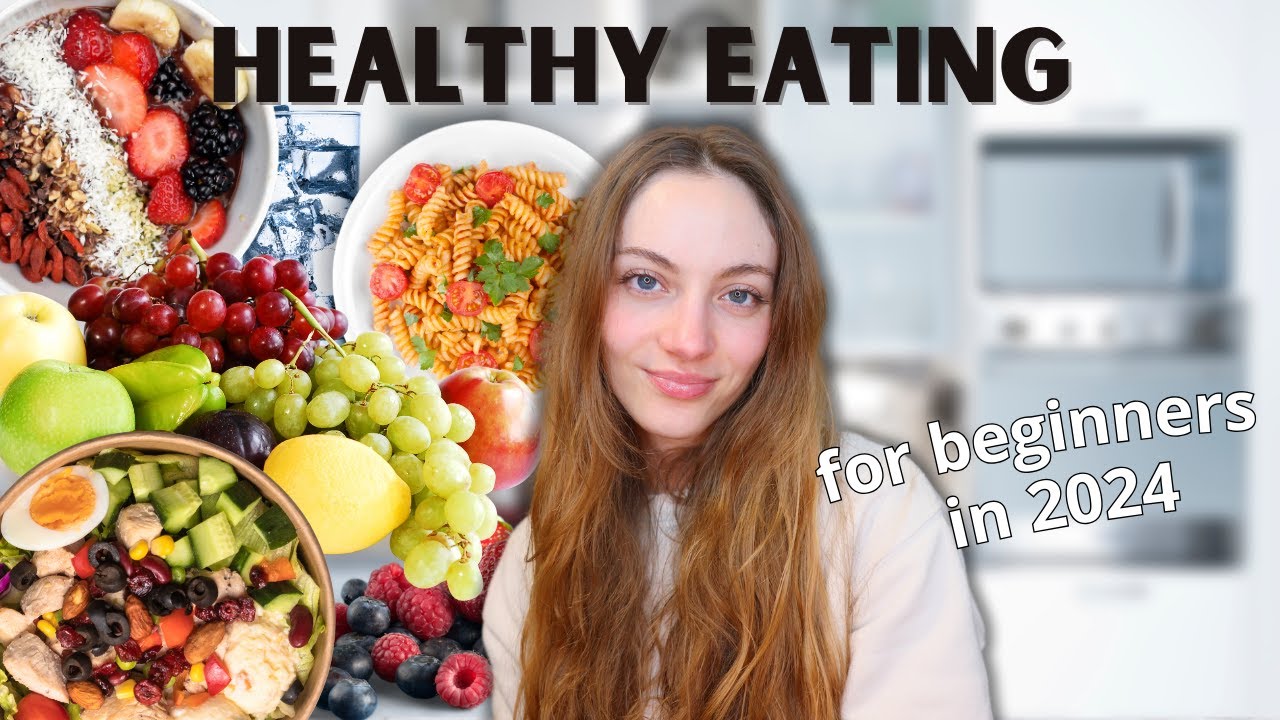
hello everyone out there how's it going welcome back to my channel my name is megan if you're new here i'm a certified holistic nutritionist and if you're not new here then as always super happy to have you with me here today today i am going to be talking all about the basics of nutrition and healthy eating this video is for you if you are maybe new to the world of improving your eating habits or if you just want to learn more about the fundamentals of nutrition but even if you do know a thing or two
this can definitely act as a bit of a refresher for you i'm also so happy to be partnering up again with iherb for today's video i've partnered up with them many times on my channel iherb is one of the world's largest online health food stores they carry over 30 000 natural health products from grocery items to supplements to skin care including their own line of exclusive brands that they produce in house they also shipped over 180 different countries from climate-controlled distribution centers to ensure the quality of their products remain by the time they get to
you and they also have 24 7 customer support i will be leaving links below in the description box to the different grocery items that i recently picked up from them that i will be mentioning throughout today's video and let's dive in so let's start by taking things right back to the very basics and let's talk about macronutrients macronutrients are the major components of food that we use for energy and for maintaining our bodily structures and systems and this includes carbohydrates protein and fat so carbohydrates are our brain's primary source of fuel some of my favorite
starchy carbohydrates that are particularly great for energy are things like sweet potato and squash and whole grain brown rice or whole grain pastas i always like to have a bag of rice on hand because i use it quite a bit for um you know as a side dish or even adding into stews and things like that there's also non-starchy carbohydrates which we'll talk a little bit more about in a moment that aren't so much for energy but more for fiber and vitamins and minerals next up is protein and protein makes up every single cell in
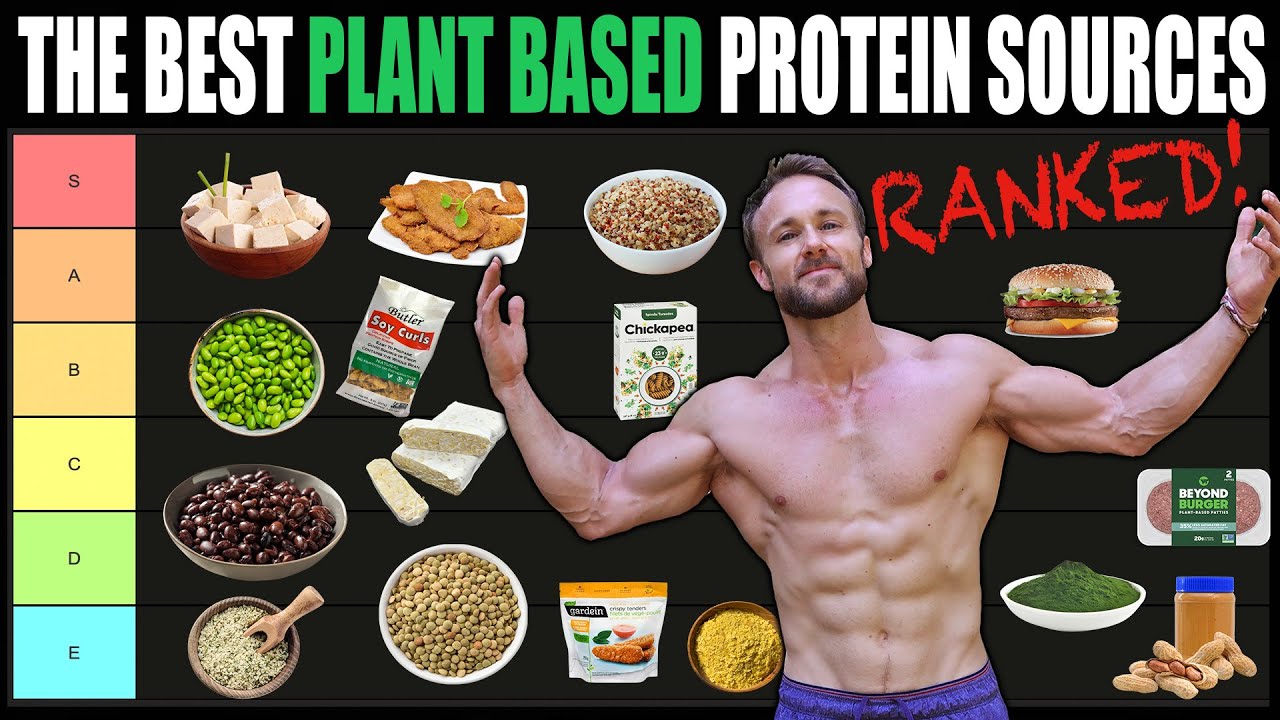
your body and it's super important to get throughout the day and with your meals because of the way that it helps to improve satiety it helps to make a meal much more filling it also helps to reduce the hunger hormone ghrelin which is one of the reasons why having protein especially in the morning like with breakfast is really helpful just to help you feeling satisfied for a longer period of time some of my favorite protein sources are things like hemp seeds i love hemp seeds i always have a bag of manitoba harvest hemp seeds in
my kitchen i also love things like legumes and lentils i especially love chickpeas i love making chickpea salads pretty regularly and red lentils have such a nice peppery flavor they're great in soups i also love this pasta made by chicopee it's their basically chickpea pasta it's made exclusively from chickpeas and lentils and it supplies 23 grams of protein per serving it's just a great way to add a little bit more of that satiating protein to a pasta dish as well as fish and eggs and poultry and other kinds of animal proteins are of course a
great source of protein and lastly we have fat so fat is another one of those satiating macro nutrients it slows down the rate in which we digest sugar helps us feeling more full when we eat it with our meals but also certain fat soluble vitamins require adequate fat in the diet in order to be better absorbed like vitamins a and d and e and vitamin k so generally speaking unsaturated fats are better for us to get more of in our diet this includes your mono and your polyunsaturated fats from foods like nuts and seeds or
avocado or things like avocado oil which i love this is a great cooking oil i really like primal kitchen's avocado oil i have that one in my pantry olive oil is another fantastic one too as well as things like hemp seeds and chia seeds and flax seeds which i love to have often individually just stocked up in my pantry but i also love the three seed blend by california gold nutrition which has them all combined it's just like a three in one so it's really convenient i like to take a spoonful of that and throw
it in my smoothies or sprinkle it on toast a great source of your omega-3 fatty acids which is a type of polyunsaturated fat really good for reducing inflammation in the body great for cardiovascular health let's move on and talk about how we can kind of balance out our macronutrients through the day now while i am definitely not one for counting or tracking there is a really simple visual tool that you can use to get just a good idea of approximately how much uh certain types of foods should look on your plate and this is known
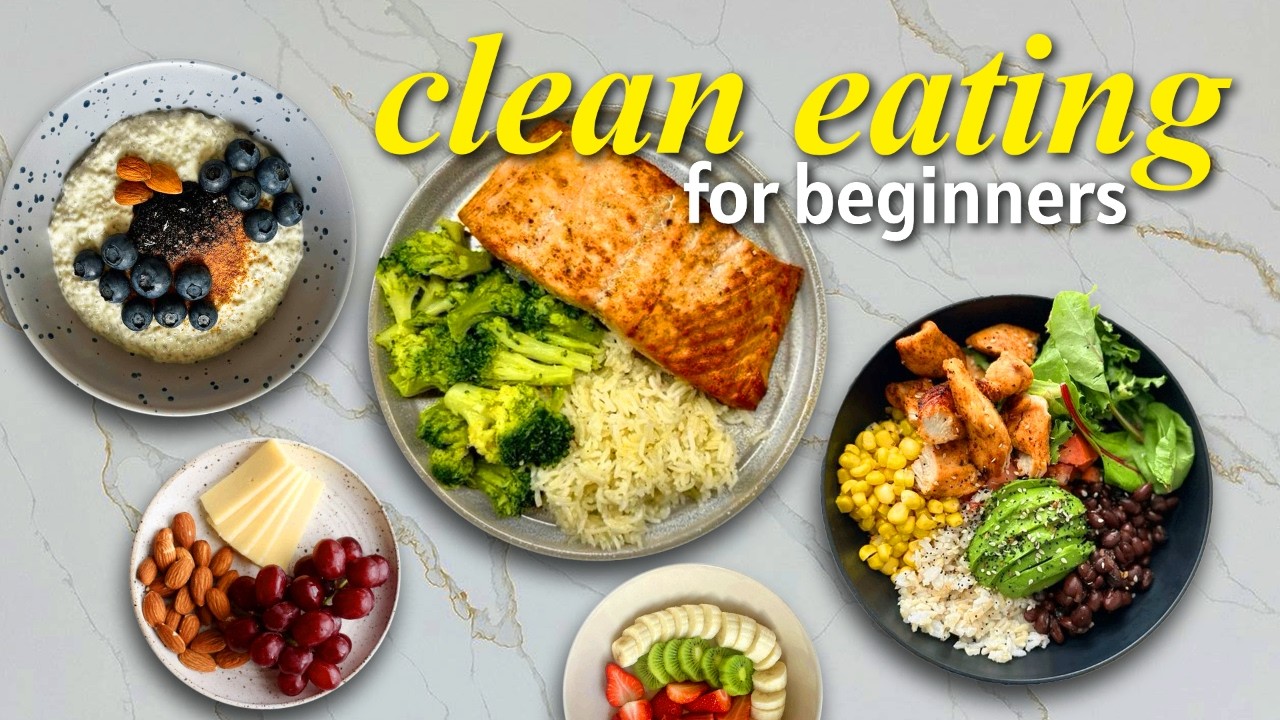
as the plate method basically what you're looking at here is half of your plate should have your non-starchy carbohydrates also known as your fruits and your veggies things like leafy greens spinach maybe broccoli carrots zucchini cucumber bell peppers a quarter of your plate should be starchy carbohydrates those energizing carbs so things like potato or pasta or rice another quarter of your plate should be protein so again this could be animal proteins or beans tempeh or tofu or eggs and lastly what i like to include here is a nice you know splash or a sprinkle or
a handful of fat a fat source so this could be diced avocado or it could be a drizzle of olive oil or an oil-based salad dressing or a handful of some mixed nuts and seeds now i want to emphasize here that it is definitely not about being perfect with this plate method this kind of visual tool it's really just to give you a general idea of approximately how much of these foods would be on your plate so now that we've talked about macronutrients let's talk about micronutrients so these are the vitamins and the minerals that
are found in the foods that we eat including the ones that we just talked about think things like vitamin c and b vitamins or your minerals like calcium iron magnesium and zinc and the best way to ensure that we get a variety of micronutrients into our diet is to make sure that we're eating a variety of foods and not eating the same things over and over and over again really switching things up and kind of diversifying what it is that we are eating trying new foods switching out the type of grains we eat switching out
the type of leafy green we're eating the different veggies and fruits that kind of thing so variety but also color the more colorful the better and not only is this going to ensure that you're getting different kinds of vitamins and minerals but it's also going to ensure that you're getting adequate antioxidants in your diet as well and polyphenols that are so important for supporting your body at a cellular level a lot of times we can get pretty confused about you know what's healthy versus unhealthy when it comes to processed foods or we you know are
told we need to cut out all processed foods but this isn't actually the case the thing is that there's different kinds of food processing but let's talk a little bit about what this really means so your unprocessed foods include your fresh fruits and veggies and nuts and seeds and legumes and whole grains and things that we've kind of already talked about in this video foods that have been unadulterated minimally or lightly processed foods are foods that have undergone things like pasteurization or fermentation there are also processed culinary ingredients that have undergone some level of you
know milling or grinding or pressing so foods like olive oil or flowers or pastas made from whole grains or some spices i definitely always love to have some herbs and spices in my pantry but also flowers i love things like almond flour spelt flour as well buckwheat flour some other kinds of processed foods that can still be very nutritious choices are things like tomato sauces canned fish or canned beans now it's ultra processed foods that usually contain little or no intact whole food component so things like sugary drinks or cookies or certain kinds of crackers
or candy things like this and they tend to be much lower in fiber and in nutrients and that's the reason why they should make up a much smaller part of your diet but that's not to say that you should never have any of these things it's just you don't want that to be the bulk of your diet as a general guideline the more unprocessed foods or minimally processed foods that you eat and the less ultra processed foods that you eat the better for your health in the world of nutrition it can be easy to get
swept up in things like calorie counting or tracking but calories are just a unit of energy and tracking them or tracking any component of food for that matter tends to be a pretty unsustainable method of trying to nourish ourselves and there's a few reasons for that it can add stress and even obsession when it comes to the foods that we are eating it's pretty impractical to be doing day to day and it also tends to overlook the nutritional value of foods when we are just focusing on calories exclusively so for example an avocado and three
oreo cookies contain about 150 calories but it doesn't mean that they are the same cookies contain energy from carbohydrates and from sugar and this is one of the reasons why foods like that tend to make you feel very hungry pretty shortly after because they're not very satiating now that is not to say that you should not eat a cookie please do enjoy a cookie eating foods for the purpose of fun and flavor is still an important part of nourishing our well-being just know that because a food is merely high or low in calories doesn't really
tell us much nutritionally speaking a better question to ask besides just how many calories are in a food is what else does this food contain does it contain protein does it contain fiber does it contain different kinds of vitamins and minerals that will help you make a much more well-rounded choice when it comes to the foods that you are eating and additionally i invite you to become more familiar with mindful eating and that's what i want to talk about next what i want to kind of hone in on here is really tuning into your hunger
and fullness levels kind of your bodily cues and how doing so can really impact the experience that you have with food and even sometimes your food choices so the thing is that when we are really really hungry it is so much harder to make you know sensible moderate or conscious choices around food and that is because we are ravenous it is just so much harder and this is one of the reasons why it's so important not to under eat throughout the day or to go too long between your meals and especially why it's important not
to get into the habit or any kind of cycle of depriving yourself of certain kinds of foods or food in general whether that's you know by telling yourself that you can't or you shouldn't have particular foods beyond medical reasons or you know really restricting your portion sizes especially if you're still hungry this is really guaranteed to fuel a primal drive to overeat but also can lead to things like binge eating and that kind of thing as well later on in the day so throughout the day you can ask yourself things like am i hungry right
now how does my body feel right now you can also ask yourself when did i last eat or what did i last eat have i gotten enough carbohydrates and protein and fat in my meals today and midway through a meal as well you can also tune into your fullness levels by asking yourself things like am i still hungry or am i starting to feel full is my stomach comfortably satisfied or am i starting to eat beyond comfortable fullness am i starting to feel stuffed all of this takes time it's not something that you can you
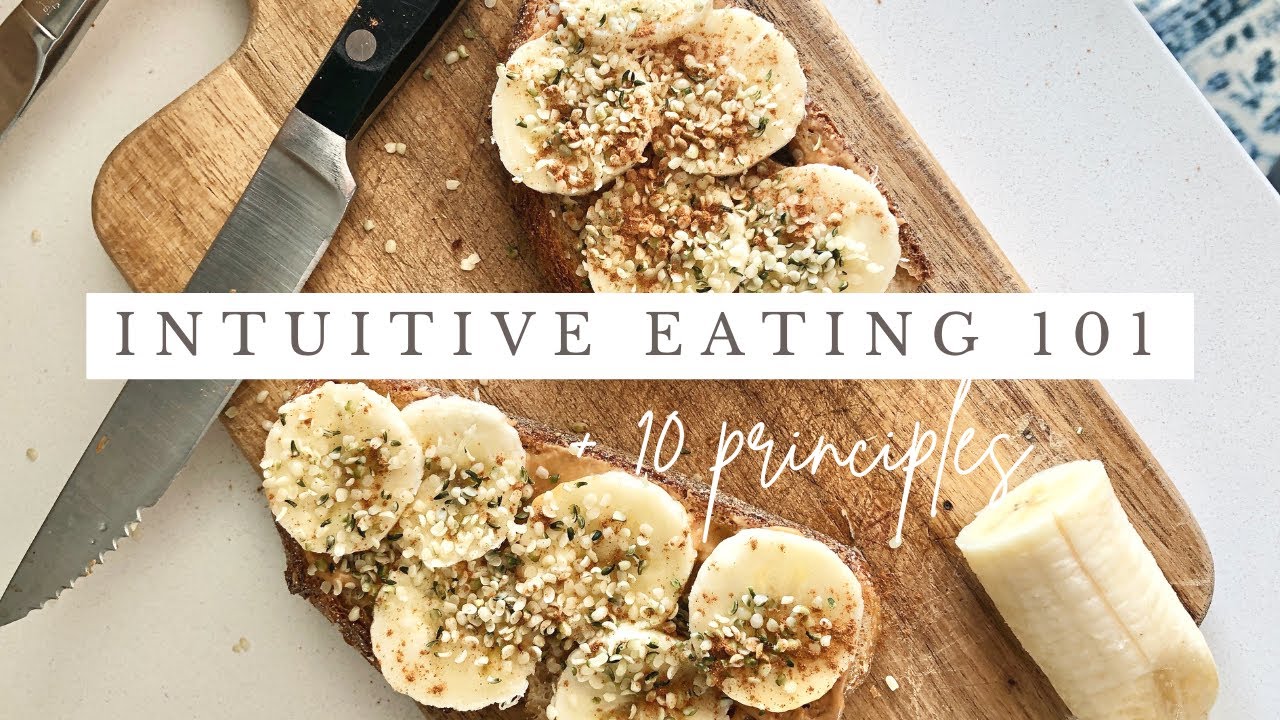
know get the hang of immediately overnight or anything like that but if you do want to learn more about some things like intuitive eating or improving your relationship with food i'll leave some resources for you below so that's it for today's video thank you so much for watching we covered a lot of ground here but i hope that you feel like you got a good grasp of some of the fundamentals of nutrition and healthy eating and thank you again to iherb for sponsoring today's video again i will leave links below to all of the grocery
items that i mentioned in today's video if you want to check them out and that's it for today i'll see you all in the next one bye [Music]
![FULL DAY of Mediterranean Diet Meal Ideas [COMPLETE BEGINNER'S GUIDE]](https://img.youtube.com/vi/1q2T8wwA0Bk/maxresdefault.jpg)