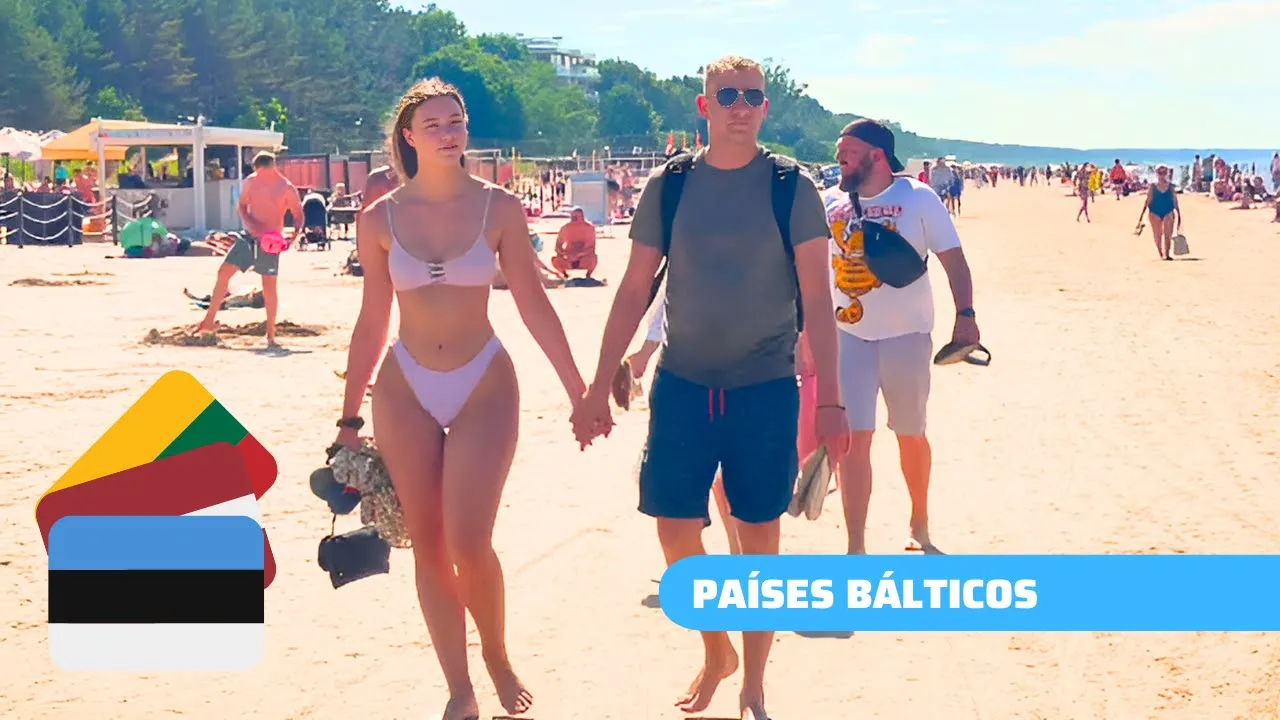
If you have ever had the desire or at least the curiosity to live a temporary or lasting experience in the Baltic countries, you will benefit from some concrete information about them that we are going to share with you, the temptation of a change of life and delving into the exotic. or unknown may strongly clash with reality, the Baltic countries are Estonia, Latvia and Lithuania, they are located in the northeast of Europe and border with Russia and Belarus to the east, with Poland and Russia to the south and with the Baltic Sea to the west and to the North, Estonia has 1. 3 million inhabitants, Latvia 1.
8 and Lithuania 2. 8, between the three they have an area of about 175 thousand km2 and their currency is the euro, more than a million people have left the Baltic countries since the fall of the former Soviet Union of which they were part, the Baltic countries are eminently Christian, with Lutheranism, Catholicism and Orthodox Christianity as the main cults, there are very few Jews and Muslims in these countries and between them they are only 0. 3% of the population , non-believers range at a high 16%, although each country has its own official language, in the last century the main binding language has been Russian, which more than 1.
8 million people can speak in the Baltic countries, the integration of The Russian-speaking population in societies is an important challenge for governments and communities, for its part, English has become in recent years an important language for commerce, education and tourism in the Baltic countries, the countries The Baltics were part of the Soviet Union from 1940 to 1991, they became independent and have been parliamentary democracies since then, the Baltic countries have been members of the European Union and NATO since 2004, the literacy rate in the Baltic countries has always been high and it is around 99%, primary and secondary education is free and mandatory and the health system is also universal and free, however the main concerns are social problems, unemployment, poverty and immigration, there is no data precise about the percentage of Baltic women who marry foreigners, however it is estimated that around 10% of marriages in the Baltic countries are mixed marriages, the main countries of origin of foreign spouses are Germany, the United Kingdom, Sweden , Norway and Finland, this list coincides with the countries to which women from the Baltic countries prefer to emigrate, since in order of importance they are the United Kingdom, Germany, Sweden, Finland and Norway, the future of the Baltic countries is uncertain, Added to the constant emigration after the start of the war in Ukraine is a drop in tourism, investment flows and the need to replace dependence on Russian energy. In addition, the Baltic countries need to strengthen their security and this affects budget, economic growth in the Baltic countries has been slow in recent years and inflation has had relevant peaks, although governments are trying to improve the business climate and attract investments, economic and especially geopolitical conditions configure a difficult picture, the percentage of foreign workers in the Baltic countries is low, in 2023 there were around 30,000 foreign workers and the main countries of origin are Russia, Ukraine, Belarus and Poland, if you believe that after these statistical and historical data and after having seen images of daily life, the Baltic countries are still a recommended destination for you, you should join some groups of foreigners in the Baltic countries that you can find on social networks, other people's experience is very important to consolidate a prior idea of these countries, you can watch other videos in this series about the countries we are visiting on the other side of the map, we hope you liked this video about the Baltic reality, that you subscribe to the Channel and we will see you in the next one!








![TEMPTATION GUIDE to CHOOSE a DESTINATION in EUROPE - [NORWAY]](https://img.youtube.com/vi/zaN8A9vNLrs/maxresdefault.jpg)