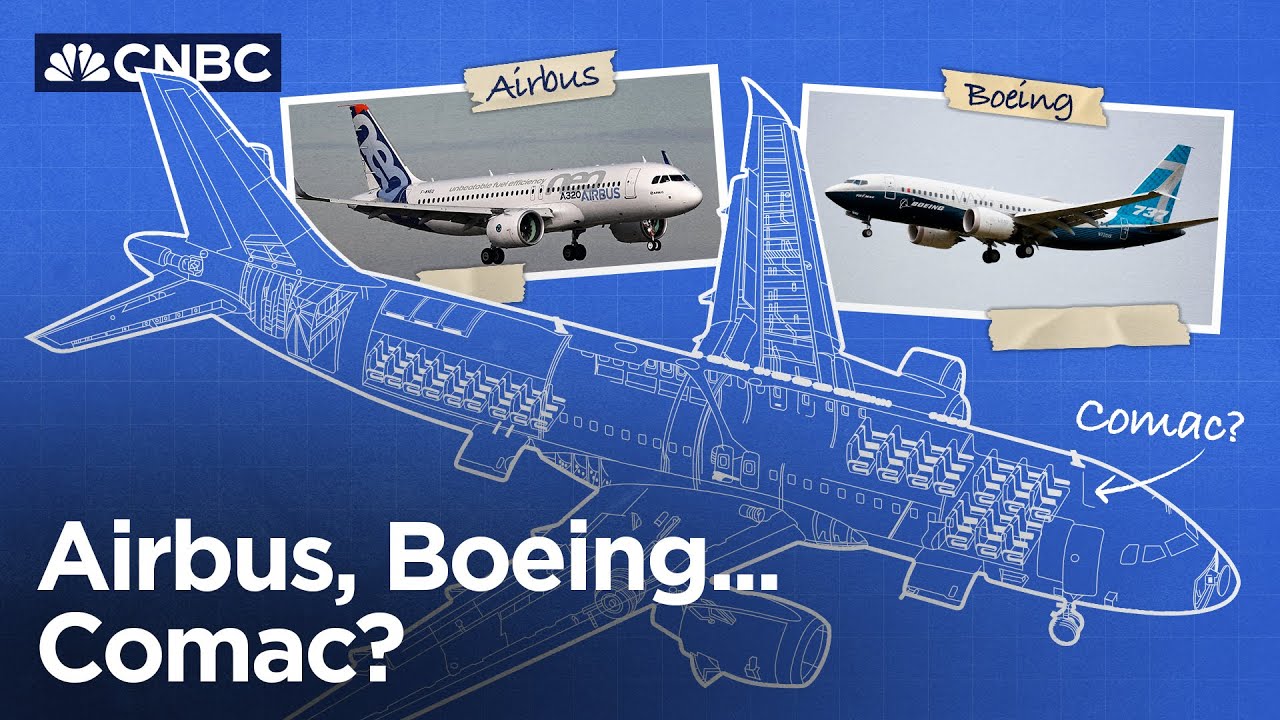
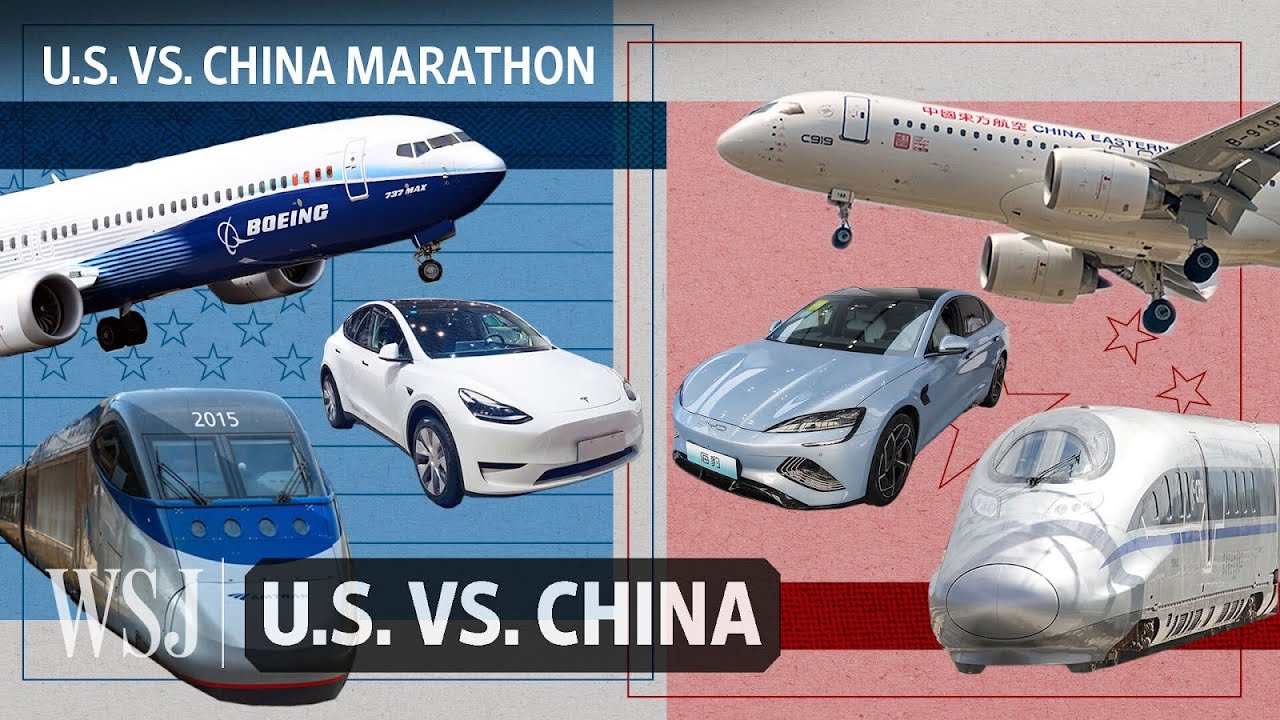
the global Aviation Market has been dominated by Fierce competition among Western manufacturers for decades against this backdrop comac has joined the game as a dangerous third player positioning itself to challenge the Giants backed by one of the world's fastest growing Aviation markets comac is ready to make its Mark with the new widebody aircraft the c929 and its self-developed CJ 1000a engine but can China compete directly with the aviation Giants why are they so confident in the c929 and cj100 a turbofan engines let's find out for decades the idea of a Chinese company directly competing with
Boeing and Airbus seemed almost unimaginable however in 2008 China decided to take matters into its own hands that was also the moment when Comer the commercial aircraft Corporation of China located in Shanghai was founded backed by state support and driven by the ambition to establish China as a major player in the global aviation industry comac entered the race with a clear objective to manufacture large commercial aircraft capable of challenging the world's leading manufacturers their first project the arj21 was not a game changer it was a Regional Jet with a capacity of just over 100 passengers
yet it took nearly a decade from its first flight in 2008 to enter commercial service in 2016 delays design challenges and initial technical issues made for a difficult debut but for Shanghai the priority was not immediate Perfection it was about quickly learning the game's rules and now from the failures a true Turning Point emerged the c929 widebody passenger jet designed to go head-to-head with the Boeing Triple 7 and Airbus a 350 it marked a significant Leap Forward for the company initially this program launched as a joint venture with Russia but it soon faced its own
set of challenges by 2023 Russia had withdrawn from the partnership due to sanctions and other issues leaving comac to take full control of the project however this was far from a setback instead it allowed Shanghai to assume complete ownership and showcase domestic Innovation as CEO heong fun and his team often emphasize China's Aviation Market is expanding rapidly and is expected to become the world's largest by 2030 therefore comac has strategically positioned itself at the heart of this growing demand while its Ambitions are clear building aircraft is about more than just design it means competing with
industry giants like Boeing and Airbus who have Decades of experience behind them so can the c929 turn this dream into a reality what makes the aircraft special let's start with the size the c929 is a widebody jet with a seating capacity of 250 to 350 passengers depending on the cabin configuration it's designed for versatility whether Airlines opt for a high density economy class layout for budget friendly travel or add luxury cabins for a more premium experience in theory this positions the Chinese aircraft as a direct competitor to Airbus and Boeing when it comes to technology
the c929 prioritizes fuel efficiency and passenger Comfort the manufacturer promises a modern environmentally friendly aircraft focused on reducing fuel consumption and carbon emissions inside passengers can expect a quieter smoother ride thanks to Advanced Materials and Cutting Edge aerodynamics it's not just about comparing with Airbus and Boeing it's about doing it better then there's the price China has built a reputation for being competitive in this area their smaller jet the c919 comes in significantly cheaper than comparable models from Boeing and Airbus while the exact price for the c929 hasn't been revealed it's likely to be a
key selling point for Airlines especially those looking to expand without breaking the bank however this widebody aircraft is not without its challenges with a range of about 6,500 nautical miles it still lags behind the Boeing 787-8 7,350 Mi and the Airbus a 35900 8,300 mi this could limit its appeal for Ultra Long Haul routes something Airlines will need to consider despite these hurdles the c929 marks a massive leap for comac a symbol of their growing confidence and ambition to compete on the global stage whether it can truly rival Airbus and Boeing remains to be seen
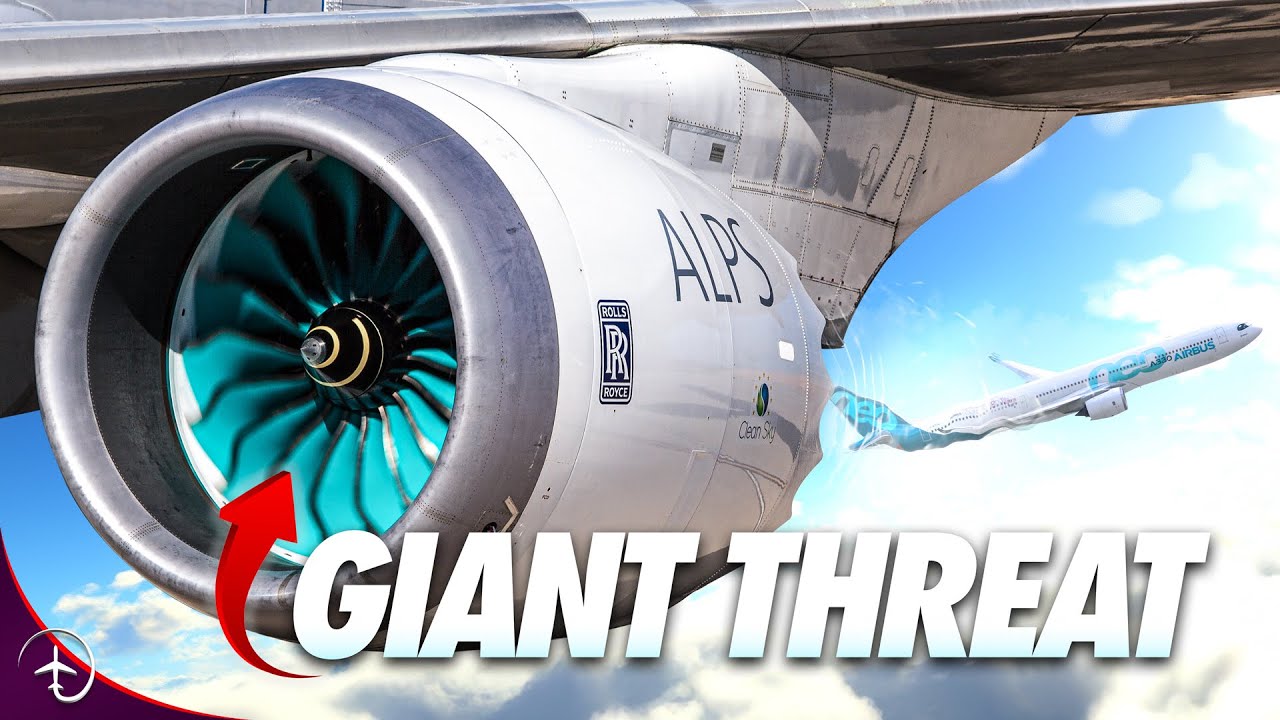
but one thing is certain it's turning heads in the industry well let's not jump straight to the challenges just yet and this is the reason comac has a secret weapon the cj100 AA turbofan engine not only does it power the aircraft but it also fuels China's dream of an independent aviation industry the success of any aircraft hinges on its engine and the CJ 1000a specifically designed for the c919 is a clear demonstration of China's efforts to reduce Reliance on Western technology and build a truly self-sufficient Aviation sector developed by the aviation industry Corporation of China
aec the CJ 1000a project kicked off in 2017 from the outset this engine was meant to compete with models like the CFM leap 1 C the same engine currently powering the c919 with a Thrust range of 30,000 to 31,000 lb it's designed for medium Hall flights while being fuele efficient and environmentally friendly two critical factors for Airlines today technically the Chinese engine boasts several impressive features it is equipped with an 18 blade titanium fan Advanced compressors and a turbine setup designed for lower fuel consumption and reduced emissions in simple terms it's built to be efficient
powerful and sustainable while its design draws inspiration from Top tier Western engines it remains a significant achievement for China's aviation industry however the development hasn't been without its hurdles the engines timeline has faced challenges from initial design obstacles to disruptions caused by the covid-19 pandemic yet things have improved recently the CJ 1000a has been spotted undergoing flight tests on the Canan Y2 Transport Aircraft signaling its transition into active testing aecc is now targeting certification by 2025 which aligns perfectly with comac's timeline for the c919 though the engine could also power other comac aircraft including the
c929 in the future in addition what makes the CJ 1000a crucial is not just its technical specs but what it represents in recent years geopolitical tensions have highlighted the risks of depending on foreign technology for instance during the Trump Administration there was a point when the delivery of leap engines was nearly blocked due to sanctions while that issue was resolved it served as a wake-up call this turbofan engine is China's answer to such risks marking a step towards self-reliance in one of the most challenging engineering sectors of course there's still a long road ahead Western
engines like the leap have years of real world performance data backing them while the CJ 1000a is just beginning its Journey building trust with Airlines will take time especially when it comes to safety and reliability although it is not yet certain which engine will power the widebody c929 aircraft there is still hope that this engine will succeed in test flights and operations in the future now let's dive into the challenges faced by the widebody aircraft program while the C9 to the 9th of May look impressive on paper turning it into a global competitor means addressing
some serious obstacles let's take a closer look at the hurdles Shanghai must overcome as it strives to challenge Boeing and Airbus first up is production capacity while China is known as a manufacturing Powerhouse building airplanes is an entirely different ball game aircraft manufacturing requires extreme precision and sourcing highquality parts from around the world only adds to the complexity for example many critical components of the c929 such as avionics and maybe engines still come from overseas suppliers delays in receiving these parts could slow down production and delivery timelines Boeing and Airbus are capable of producing dozens
of aircraft each month but comac hasn't reached that level yet add to this the issue of backlog it already has over 1,500 orders for its smaller c919 Jets which could take nearly a decade to fulfill at their current production rate adding the c929 to the mix means they'll need to ramp up production significantly which is easier said than done secondly it is the certification issue for international flights an aircraft must meet safety standards and regulations set by Major Aviation authorities like the FAA in the US and Isa in Europe do you think the West would
be willing to certify a Chinese aircraft currently the c929 is only certified by China's cak gaining approval from Western Regulators could be a lengthy and politically charged process especially given the ongoing geopolitical tensions between China and the West mentioning politics it is the next issue geopolitical tensions Loom over comac's Ambitions there have been instances in the past where sanctions threatened the supply of critical Parts such as engines from the US if these tensions escalate the Chinese aircraft maker could face difficulties securing the components they need and without these Key Parts production could come to a
halt as mentioned one more challenge is the competition from wellestablished Rivals Airbus and Boeing have been in the game for decades they have strong reputations loyal customers and proven track records convincing Airlines to switch to a completely new manufacturer like comac won't be easy Airlines will likely want to see years of successful operations before taking the leap especially when considering the manufacturer's relatively limited history despite the difficulties comac remains determined to challenge the global Giants with its own strategies building an aircraft like the c929 and an engine like the CG J 1000a is one thing
but getting Airlines to believe in that vision is an entirely different challenge comac knows it can't rely solely on specifications and low prices to win in the global market it needs a strategy so where exactly is comac's aim first and foremost China's domestic Market is a Cornerstone of the manufacturer strategy and why not China's Aviation sector is growing faster than anywhere else in the world with demand expected to surpass all other markets by the 2030 s with State support and a large number of local Airlines this aircraft maker has a significant Advantage at home major
players like China Eastern Airlines have shown support for the c919 in their Fleet and could potentially do the same for the c929 in the future however comac is not stopping at its home turf it is also eyeing markets outside the West particular in regions like the Middle East Africa and parts of Asia these areas often experience Rising demand for Aviation but face budget constraints making comac cost-efficient aircraft an attractive potential option for example while a Boeing or Airbus aircraft may come with a hefty price tag China can offer similar capabilities at a more competitive price
as a result this leads to the next strategy comac is banking on its affordability as a major selling point historically Chinese aircraft have been priced significantly lower than their competitors allowing Airlines to expand their fleets without stretching their budgets this is an especially appealing Prospect for smaller or budget conscious carriers looking to grow that said the Western Market including North America and Europe remains a tough Target certification barriers geopolitical tensions and the dominance of Boeing and Airbus make it a challenging task still China isn't ruling it out entirely while fully penetrating these markets may take
years comac is likely to focus on building trust and gradually expanding its influence through Partnerships and smaller deals in addition one key strategy for comac is offering Airlines flexibility with various cabin configurations and focusing on customization the c929 is designed to cater to different operational needs whether airlines are looking to maximize economy seating for cost effective routes or add a touch of luxury with premium cabins the aircraft offers the versatility to accommodate both of course challenges remain but how do you rate the capabilities of this aircraft and the future of the SI 1000a engine leave
your thoughts below thanks and safe flights always