living in the Arctic requires extraordinary adaptation and the Inuit people have mastered this challenge for thousands of years While most of us complain when our home thermometer drops below freezing the Arctic sometimes plunges to a bone chilling Min - 84° f- 64° c yet the Inuit haven't just survived these extreme conditions they've developed ingenious ways to stay warm without modern heating systems their methods of heating homes and keeping warm showcase some of Humanity's most creative and effective survival techniques proving that sometimes the simplest Solutions are the OST bril liant when we talk about traditional Inuit
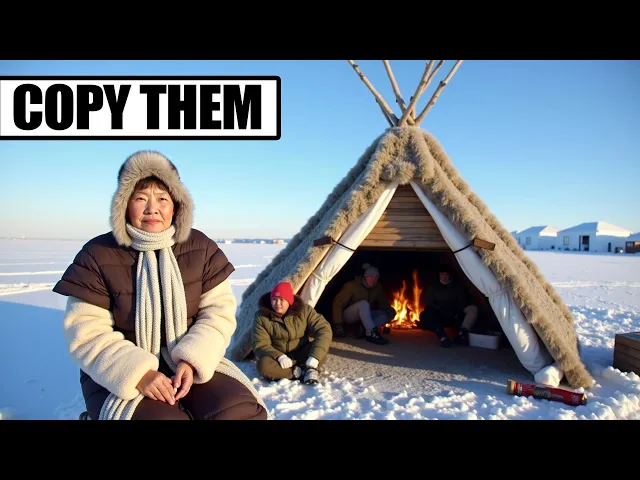
homes two distinct types stand out the iconic igloo and the Lesser known tupi while movies might have you believe igloos were permanent homes they actually served as Emergency Shelters during hunting trips or travel think of them as the world's first popup camping shelters except these were built to withstand extreme winter conditions the science behind igloos is fascinating snow might seem like a terrible building material for staying warm after all it's frozen water but snow is actually an incredible insulator thanks to tiny air pockets trapped between the ice crystals when Inuit Builders carefully stack blocks of
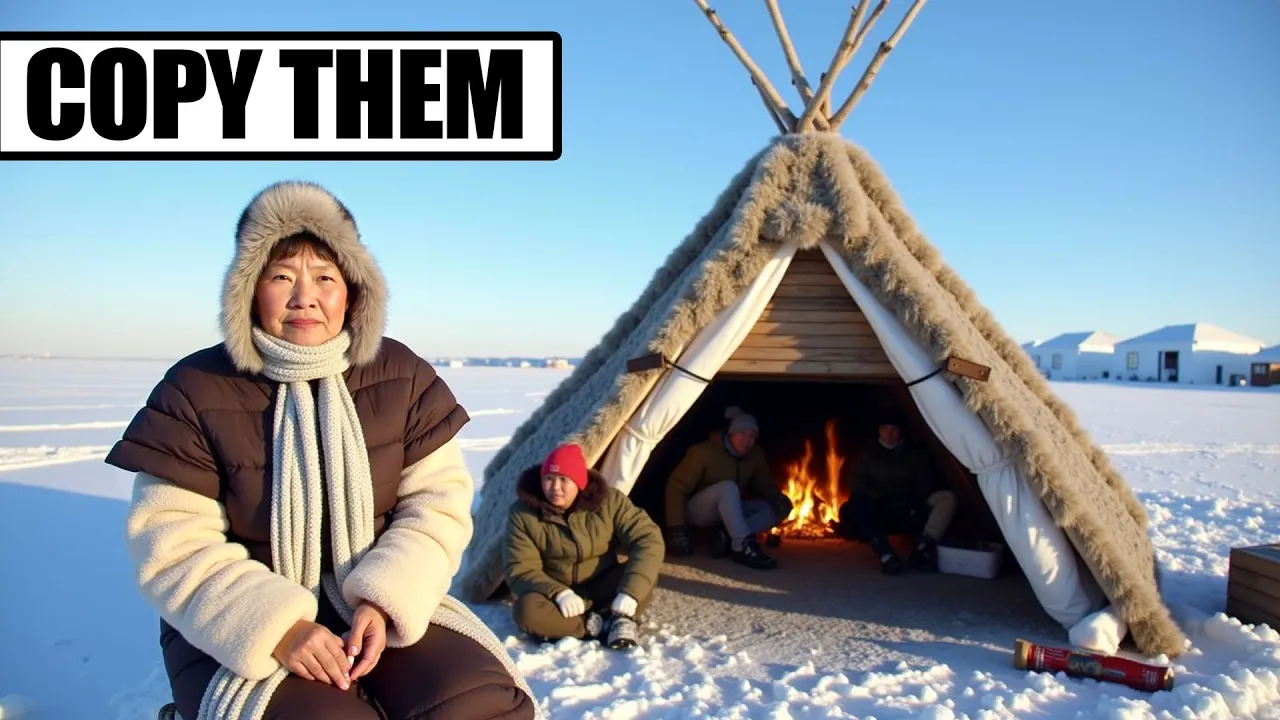
compacted snow into that distinctive Dome shape they create a shelter that can maintain an interior temperature around 32° fenhe 0° C even when outside temperatures plummet to -40° F how's that for efficient engineering the small entrance Tunnel built lower than the living space plays a crucial role too it traps cold air down low while warmer air rises and stays in the living area but when Inuit weren't on the move during hunting seasons they often opted for tup pics large tent-like structures that were the summer homes of choice these weren't your typical camping tents from The
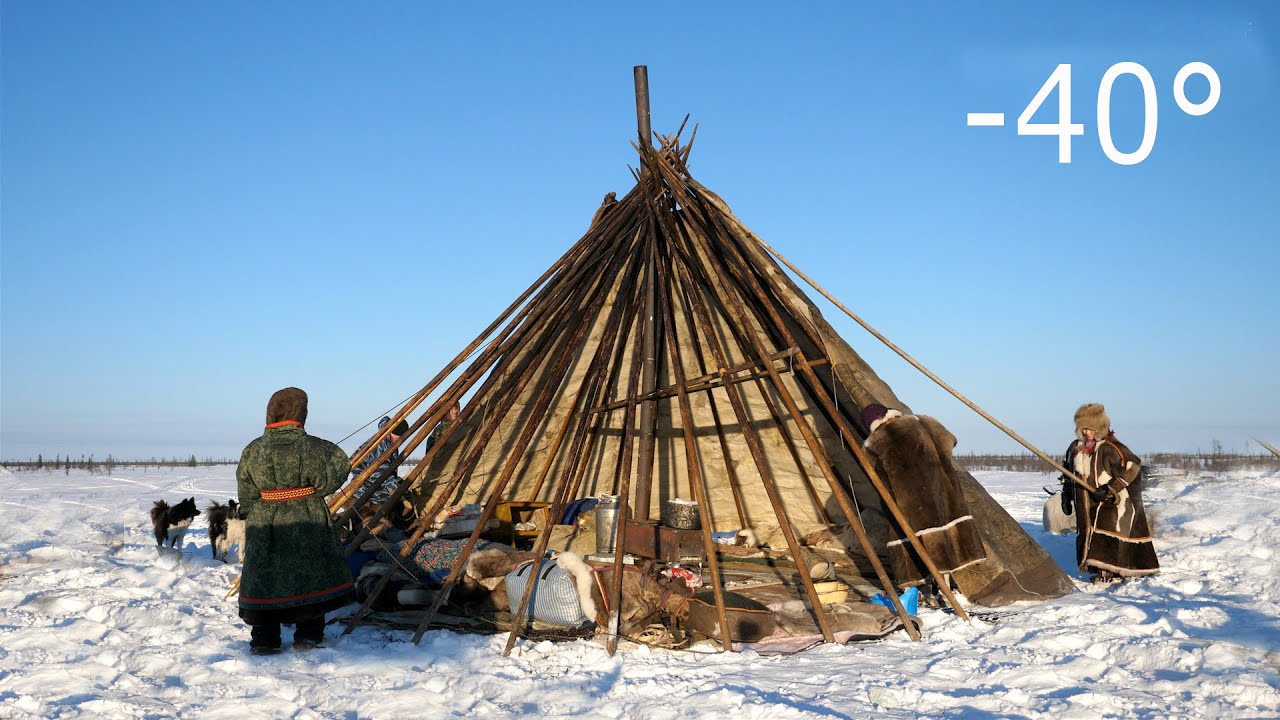
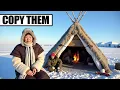
Outdoor Store tupi were architectural masterpieces made from seal or Caribou skins meticulously sewn together to create waterproof coverings that could withstand Arctic conditions the framework underneath was equally impressive constructed from either wooden poles or in areas where wood was scarce whalebones The Genius of these homes lay in their adaptability they could be shaped into either Dome or cone structures depending on the needs of the family and local weather conditions the mobility of tup piics was crucial to the innuit way of life unlike our modern homes that stay firmly planted in one spot these dwellings could
be taken apart and reconstructed as easily as folding and unfolding a map though with a bit more effort of course this portability was essential for following seasonal hunting patterns and maintaining the nomadic lifestyle that allowed the Inuit to thrive in the harsh Arctic environment the skins used in construction were also incredibly durable they had to be considering they were constantly battling against Fierce Arctic winds and precipitation that couldn't seem to decide if it wanted to be rain o AR now now that we've seen what their so-called houses look like we can move on to how
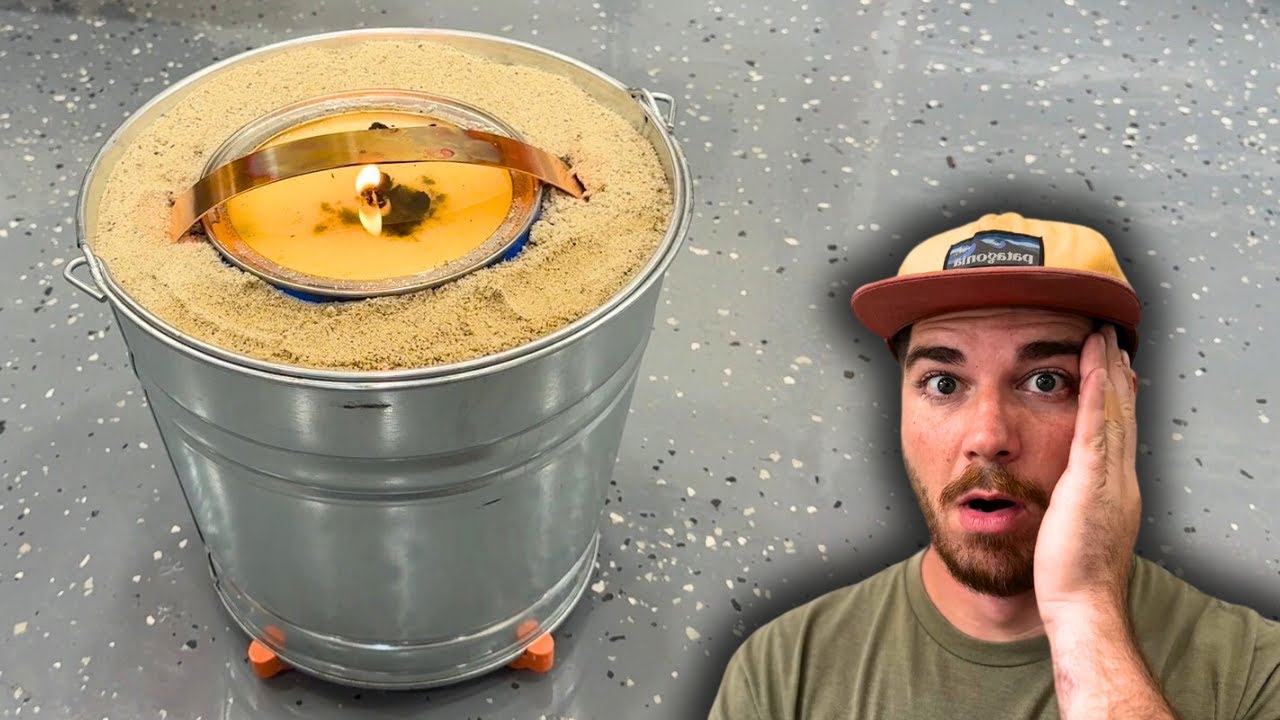
they heat them well the Inuit mastered the art of heating without electricity and their solution was brilliantly simple seal fat lamps known as cullick or cuings these weren't your typical scented candles they were the Swiss Army knives of Arctic survival serving dot as Heater stove and light source all rolled into one the real star of the show was the fuel itself the Inuit harvested fat primarily from Seals though whale blubber worked just as well when available the process was remarkably efficient they would slowly render the fat down until it became oil then pour it into
a specially carved Stone lamp the wick usually made from Arctic cotton grass or Moss carefully Twisted to control the Flame's size it's like they invented the first ever multi-purpose Home Appliance except this one ran on seal fat instead of electricity these lamps were Engineering marveles in their Simplicity a single culc could burn for hours providing enough heat to warm an igloo from that bone chilling minus 40° fah up to a relatively cozy 32° F talk about a temperature upgrade the heat output was surprisingly substantial with larger lamps capable of producing as much warmth as a
small modern space heater and here's the clever part the same flame used for heating would also cook their food and illuminate their homes it's like having your furnace Moonlight as both a stove and a lamp the Inuit became Masters at managing these lamps women who typically maintain them developed such skill that they could adjust the Flame's intensity by manipulating the wick with a special tool called a takut they knew exactly how to position multiple lamps for maximum heat distribution and how to keep them burning efficiently through the long Arctic night a well-maintained kullick could burn
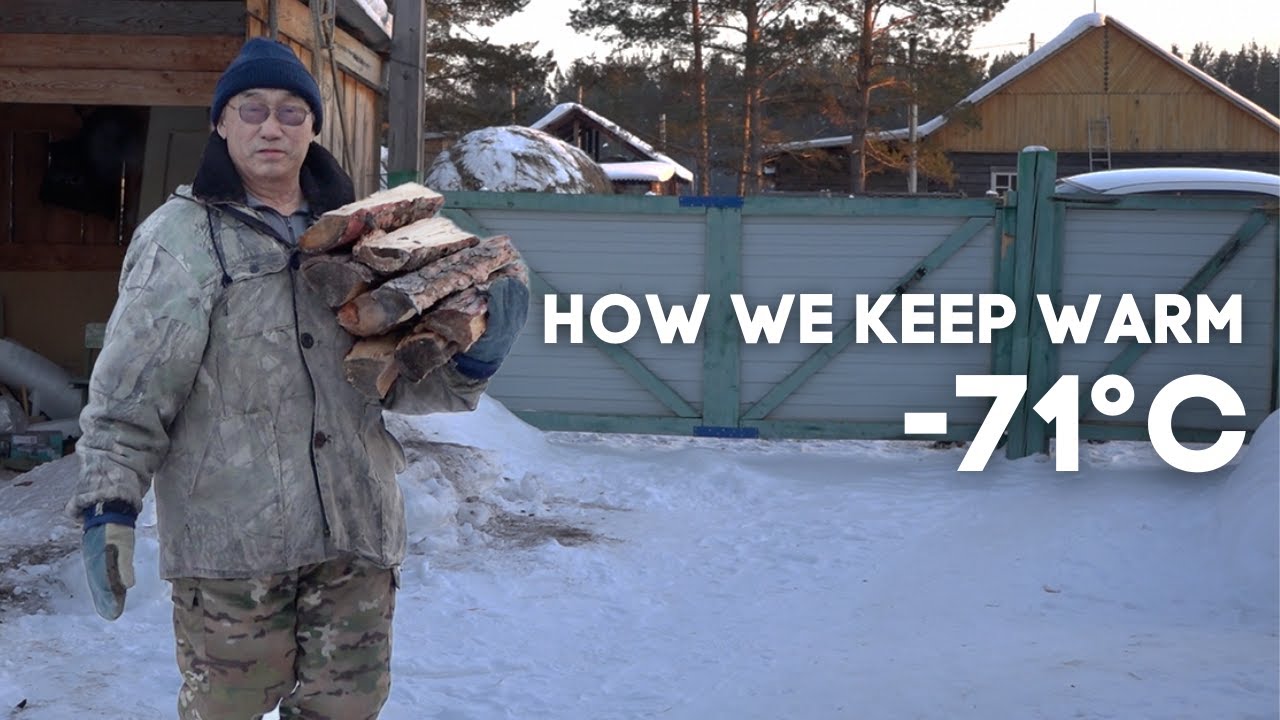
continuously for weeks using about one two cups of oil per day wood fires which many of us associate with traditional heating were rarely an option in the treeless arctic tundra but this limitation led to an innovation that was arguably more efficient after all you can't exactly carry a wood pile while traveling across the ice but seal oil is much more portable plus the smoke from the Kulik was minimal compared to woodf fires making it perfect for the enclosed spaces of igloo and tup pic s when your life depends on staying warm you can't just throw
on any old coat and hope for the best the Inuit developed clothing that could handle temperatures brutal enough to freeze your breath midair their traditional garments weren't just clothes they were portable personal heating systems meticulously engineered for Arctic Survival let's start with the Parker the heavyweight champion of cold weather made from Caribou fur these weren't your department store winter coats Caribou fur has hollow fibers that trap air creating Nature's Own thermal insulation the Inuit would use two layers of fur the inner layer with fur facing inward the outer layer with fur facing outward this double
layer system was so effective that modern synthetic materials still can't quite match its insulating power the CICS boots were just as ingenious crafted from seal skin and lined with fur they kept feet warm even when standing on Ice all day the secret was in the construction C multiple layers of different animal Furs and skins each chosen for specific properties the outer layer was waterproof seal skin while inner layers might include rabbit or Arctic hair fur for warmth some designs even included a layer of dried grass insulation between The Furs Nature's version of thermal socks the
crowning achievement was the anarak designed to protect the face from bitter winds that could cause frostbite in minutes these weren't just face masks they were carefully designed with a curved shape to create a pocket of warm air around the nose and mouth the fur rough around the hood wasn't just for show either it created a micro climate around the face that protected against wind chill ever notice how your breath freezes on a scarf in cold weather the Inuit designed their anax to prevent exactly that problem what makes this clothing system truly remarkable is its adaptability
layers could be added or removed depending on activity level and temperature the loose fit allowed warm air to circul culate between layers while tight closures at wrists and ankles kept that precious warm air from escaping even more impressive all these garments were made using bone needles and senu thread try that with your modern sewing machine the result was clothing so effective that it allowed people not just to survive but to thrive in conditions that would send most of us running for the nearest H eated Bing living in the Arctic isn't just about having the right
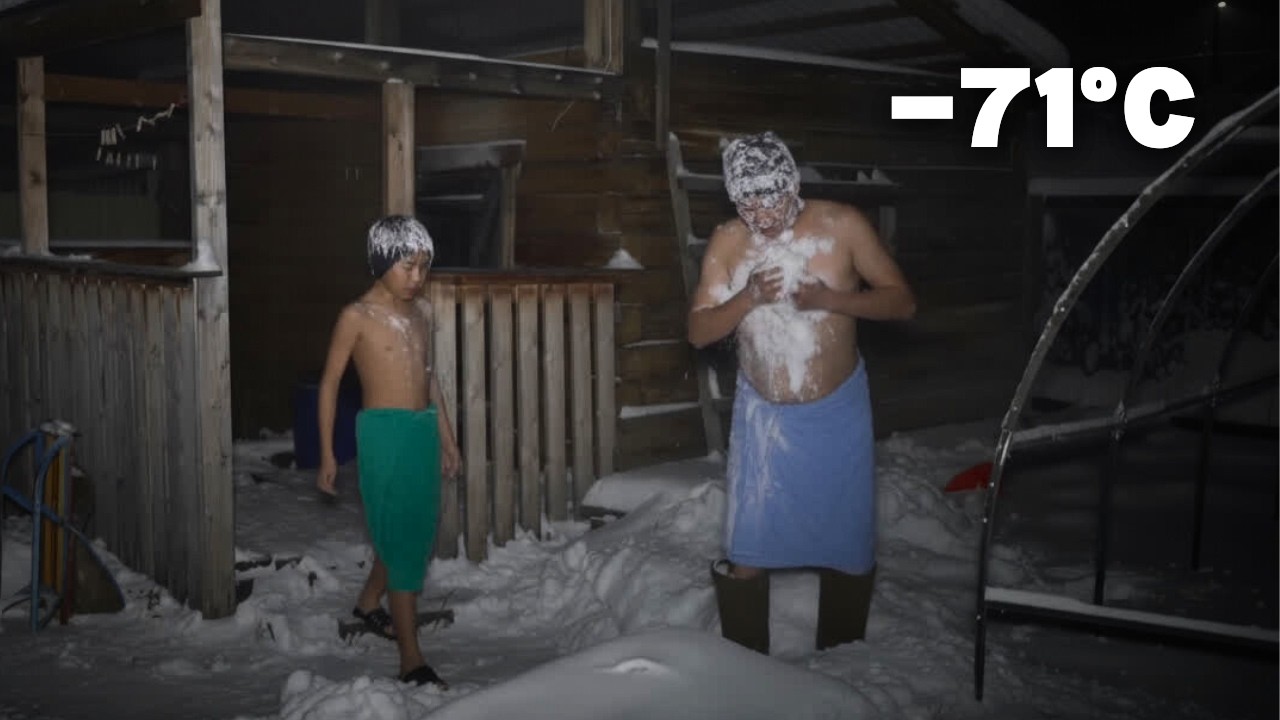
gear it's about developing a completely different relationship with cold the Inuits approach to extreme temperatures shows us that surviving the cold is as much mental as it is physical While most of us start shivering at the thought of a broken heater many Inuit have developed what scientists call cold hardening where their bodies actually respond differently to low temperatures research has uncovered some fascinating facts about this adaptation studies show that Inuit people often maintain a higher skin temperature in their hands when exposed to cold compared to people from warmer climates their blood vessels don't constrict as
quickly in respon to cold allowing better circulation to their extremities it's like their bodies have learned to override the usual Panic response to freezing temperatures but it's not just physical their mental approach to cold is equally remarkable from an early age Inu children learn to interpret cold differently while many of us see extreme cold as an enemy to fight against traditional Inuit culture views it as simply another state of being they develop what psychologists call cold resilience the ability to remain calm and and focused even when temperatures drop to levels that would send most people
into panic mode this psychological adaptation has practical benefits when you're not constantly fighting against the cold mentally your body actually handles it better Stress and Anxiety about cold temperatures can actually make you feel colder it's like trying to fall asleep when you're worried about oversleeping the more you worry the harder it gets the innuit approach of accepting rather than resisting the cold helps prevent this counterproductive stress response consider this remarkable statistic in one study innuit participants showed almost no signs of mental distress in temperatures that cause significant anxiety in non-arctic residents this isn't because they
don't feel the cold they absolutely do but their response to it is fundamentally different they've learned to work with the cold rather than against it treating it more like a challenging coworker than an enemy maybe that's why you'll often hear stories of in Elders chuckling at tourists bundled up in high-tech gear on relatively mild Arctic days this mental toughness isn't just about stoically enduring the cold it's about maintaining the presence of mind to make smart decisions in challenging conditions when the temperature drops low enough to freeze your eyelashes Panic can be deadly the Inuit psychological
adaptation to cold isn't just impressive it's essential L for a survival in the Arctic staying warm is isn't a solo Mission it's a team sport the Inuit have long understood that survival in extreme cold requires more than just individual effort it demands Community cooperation this isn't your typical strength in numbers situation it's a complex system of social practices that literally help keep everyone alive take the traditional practice of gathering in communal spaces when multiple families share an igloo or t Peak they're not just being social they're creating a natural heating system the average human body
gener Ates about as much heat as a 100 watt light bulb now multiply that by several people in a well insulated space and you've got yourself a pretty effective heating system during particularly harsh weather families would often combine their living spaces creating what you might call the world's first energy efficient apartment complex the sharing aspect of Inuit culture goes beyond just bodily warmth hunting parties would work together to track and harvest seals whales and other animals that provided not not just food but also the precious fat needed for heating lamps when one Hunter was successful
the spoils weren't just for their family they were distributed throughout the community this wasn't just about being nice it was a survival strategy that ensured everyone had access to the resources needed to stay warm food sharing played an especially crucial role in community warmth when you're living in temperatures cold enough to freeze Mercury Gathering and preparing food requires significant energy by sharing these tasks among community members they could maintain better efficiency plus the act of preparing and cooking food generated heat that benefited everyone in the shared space it's like having a potluck dinner where the
cooking itself helps heat your home perhaps most importantly the community provided a safety net during emergencies if someone's cullick ran out of fuel or if their shelter was damaged by a storm they could count on their neighbors for help this Mutual support system wasn't just about physical resources it was also about sharing knowledge Elders would pass down Vital Information about weather patterns shelter building techniques and the best spots to find materials for heating and insulation think of it as the original crowd sourcing platform except instead of sharing cat videos they were sharing life-saving information about
arctic survival living in the Arctic requires more than just the right shelter and clothing it demands the right fuel for your body the traditional Inuit diet might make modern nutritionists raise their eyebrows but it's perfectly adapted for survival in extreme cold rich in fats and proteins their food choices weren't just about satisfying hunger they were about maintaining an internal furnace let's talk about seal and whale blubber or muktuk as it's traditionally called while most of us might turn our noses up at a plate of raw blubber this high-fat food is like premium gasoline for the
human body in Arctic conditions a a single pound of blubber can provide enough energy to keep you warm for almost an entire day to put that in perspective you'd need to eat about 5 pounds of rice to get the same amount of calories and rice won't help you stay nearly as warm the innuit practice of eating raw meat especially fish isn't just about convenience raw meat contains more heat generating nutrients than cooked meat when you eat raw seal or fish your body has to work harder to warm and digest it generating more heat in the
process it's like having a tiny workout session in your digestive system plus raw meat contains vitamin C that would otherwise be destroyed by cooking crucial for survival in a place where fresh fruits and vegetables are about as common as palm trees here's a fascinating fact Studies have shown that the traditional Inuit diet which can consist of up to 75% fat actually helps maintain proper body temperature in extreme cold their high protein high fat diet increases something called thermogenesis basically your body's ability to generate heat from food it's like having a metabolic superpower that turns every
meal into a warming session but it's not just about eating high-fat Foods the timing and frequency of meals play a crucial role too traditional Inuit eating patterns often involved consuming large meals when food was available allowing the body to store energy for times when hunting might be difficult they also knew that eating before heading out into the cold would help keep them warm the digestive process itself generates heat that can help maintain body temper R for at hours the modern Inuit have found themselves walking a fascinating line between ancient wisdom and contemporary technology when it
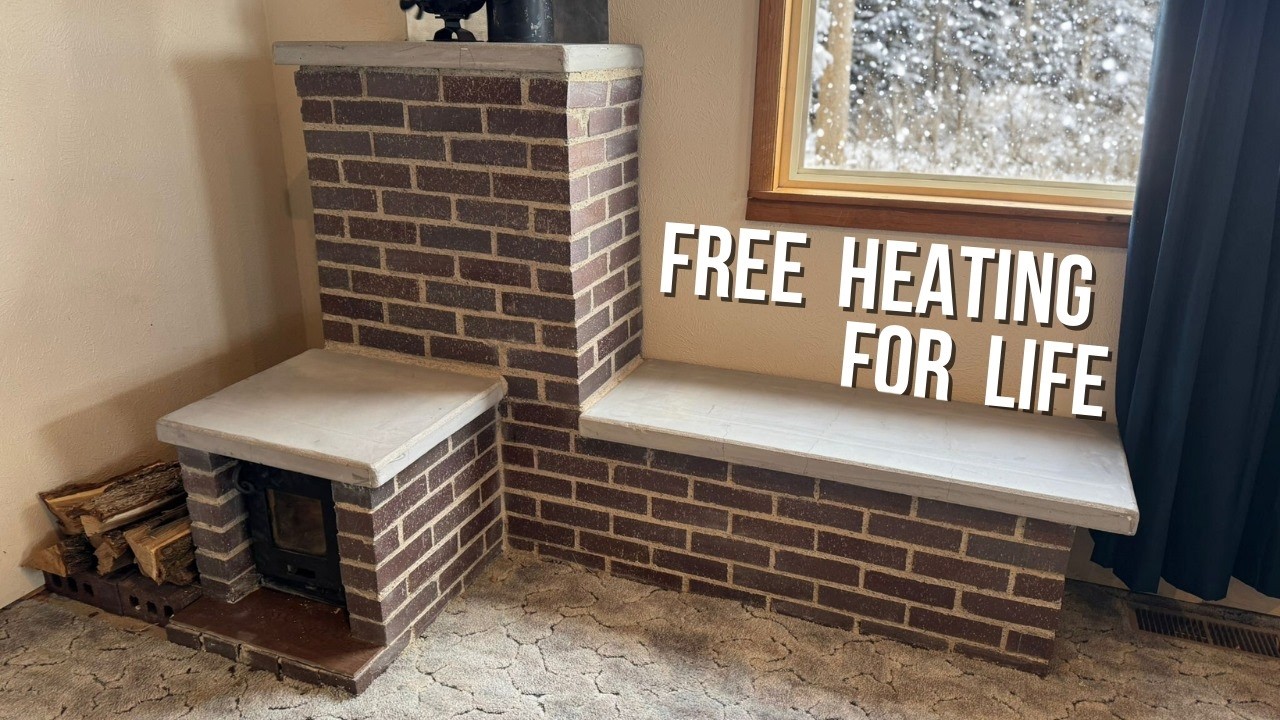
comes to staying warm while their traditional methods proved incredibly effective for thousands of years today's Arctic communities have embraced New Heating solutions that would make their ancestors heads spin many Inuit homes now feature solar panels which might seem ironic in a place that Spends months in darkness but during the summer months when when the sun barely sets these panels soak up enough energy to help power modern heating systems they've also adopted high efficiency propane heaters and well-insulated buildings that combine The Best of Both Worlds modern materials with traditional architectural wisdom about dealing with arctic conditions
yet interestingly many Inuit communities haven't completely abandoned their traditional methods during hunting trips or when traveling between communities the ability to build an emergency igloo remains a valued skill some families still keep kullick in their homes not just as cultural artifacts but as reliable backup heating sources during power outages after all when temperatures drop low enough to freeze diesel fuel a traditional seal oil lamp might be your best friend the integration of old and new extends to their clothing too while traditional fur Parkers are still used they're Often complemented by modern materials like gortex and
synthetic insulation you might see an Inuit Hunter wearing a traditional Caribou skin Parker over modern thermal underwear or traditional seal skin boots with high-tech insoles this blend of ancient and modern Technologies isn't just about convenience it's about resilience by maintaining knowledge of traditional heating methods while embracing modern solutions today's Inuit communities have created a robust system for dealing with extreme cold it's proof that sometimes the best way forward isn't about choosing between old and new but about finding ways to use both effectively