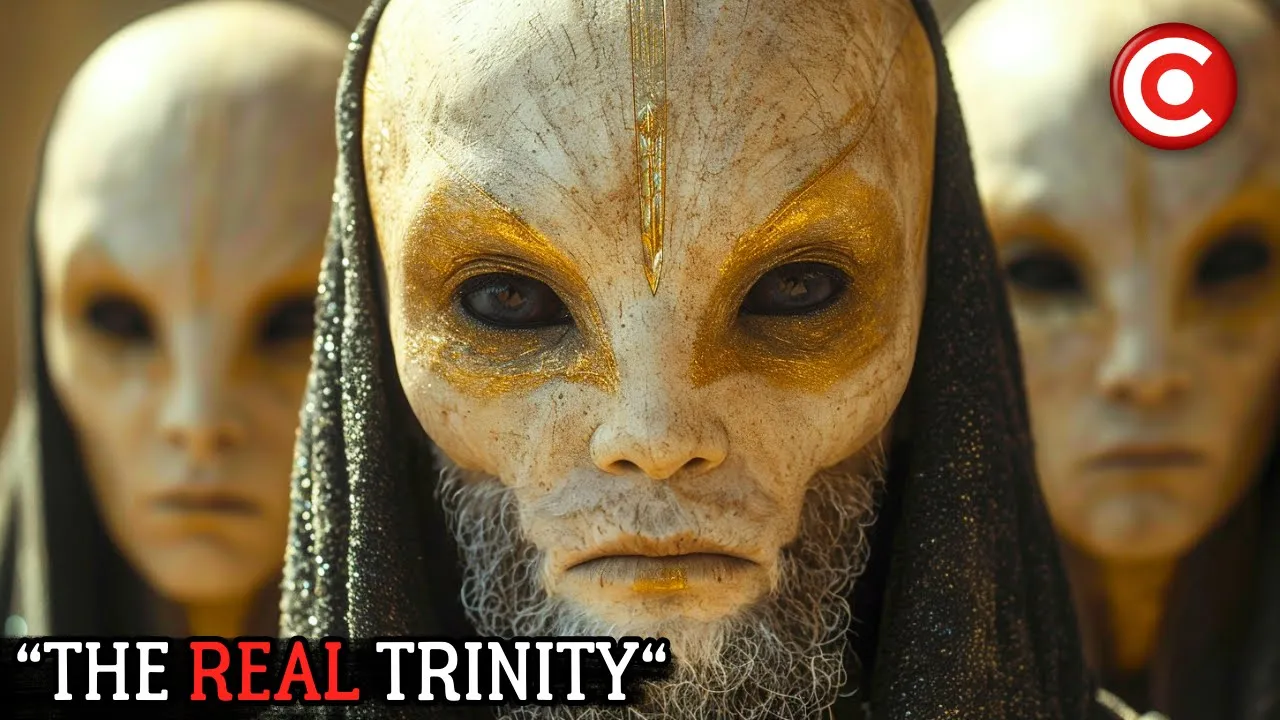
Open your mind to the transcendent realm of ancient mythology, where we are delving straight into the phenomenal web of what is coined the real Trinity! Embedded in the collective consciousness of numerous ancient generations and firmly ingrained in the cultural beliefs of the Mesopotamian civilizations throughout history, unveiled! The existence of a triad of supernaturals.
Mighty gods are believed to possess absolute authority and encompass infinite qualities with the creation, perpetuation, and equilibrium of the world, nature, and the relentless passage of time. In ancient Mesopotamian mythology, these three divine luminaries are significant celestial figures, serving as pillars that orchestrate the cosmic symphony with indescribable power. Who are these beings responsible for shaping this divine and controversial Trinity that has been guiding countless generations right from the very inception of time since they spurned the creation of the world?
The Sumerian and Akkadian pantheon boasts of numerous gods: Innana (also known as Ishtar in later Akkadian and Babylonian cultures), the goddess associated with love, beauty, and war; Utu, the sun god and deity of justice in the heavens; Ereshkigal, the queen of the underworld; Tammuz, the god of shepherds and fertility who controls the cycle of life and death. The Sumerian and Akkadian Mesopotamians revered these gods as guides for their people. However, they were all subject to the authority of three supremest of gods, collectively known as the True Trinity: Enki, Enlil, and Anu; powerful and transcendent beings that held immense significance in the cosmic order of the universe, as the Sumerian and Akkadian cultures believed.
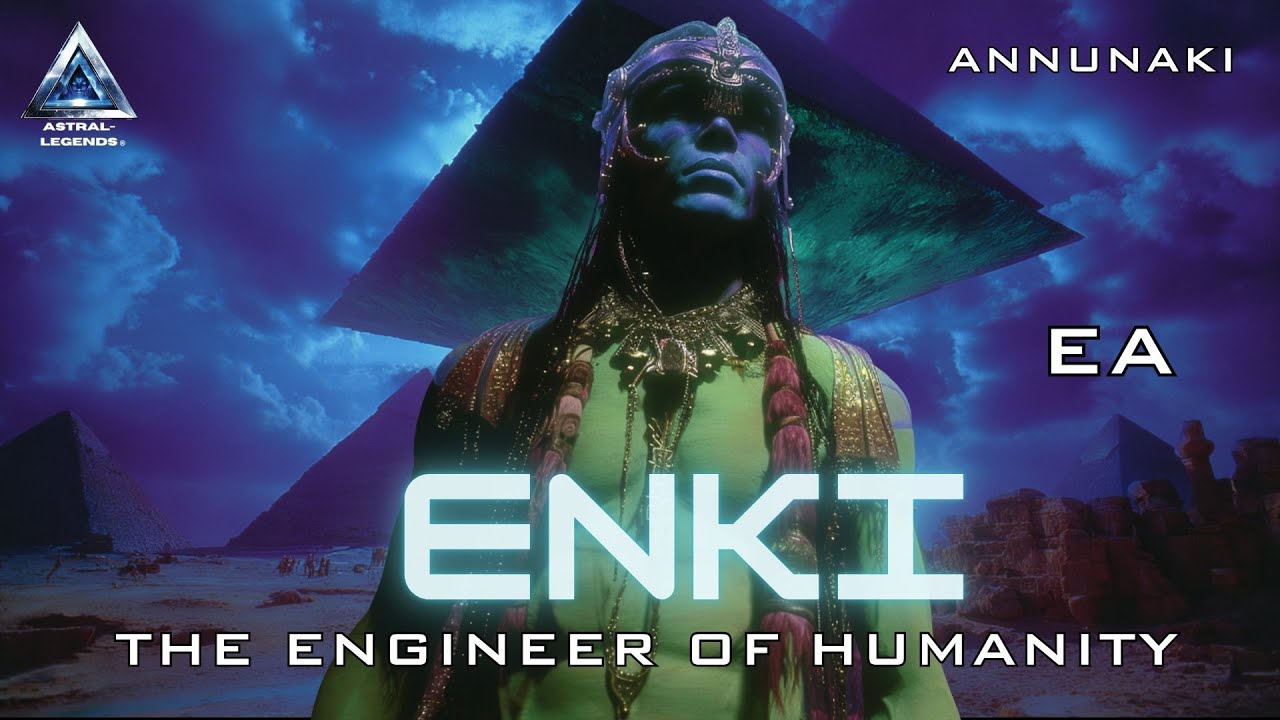
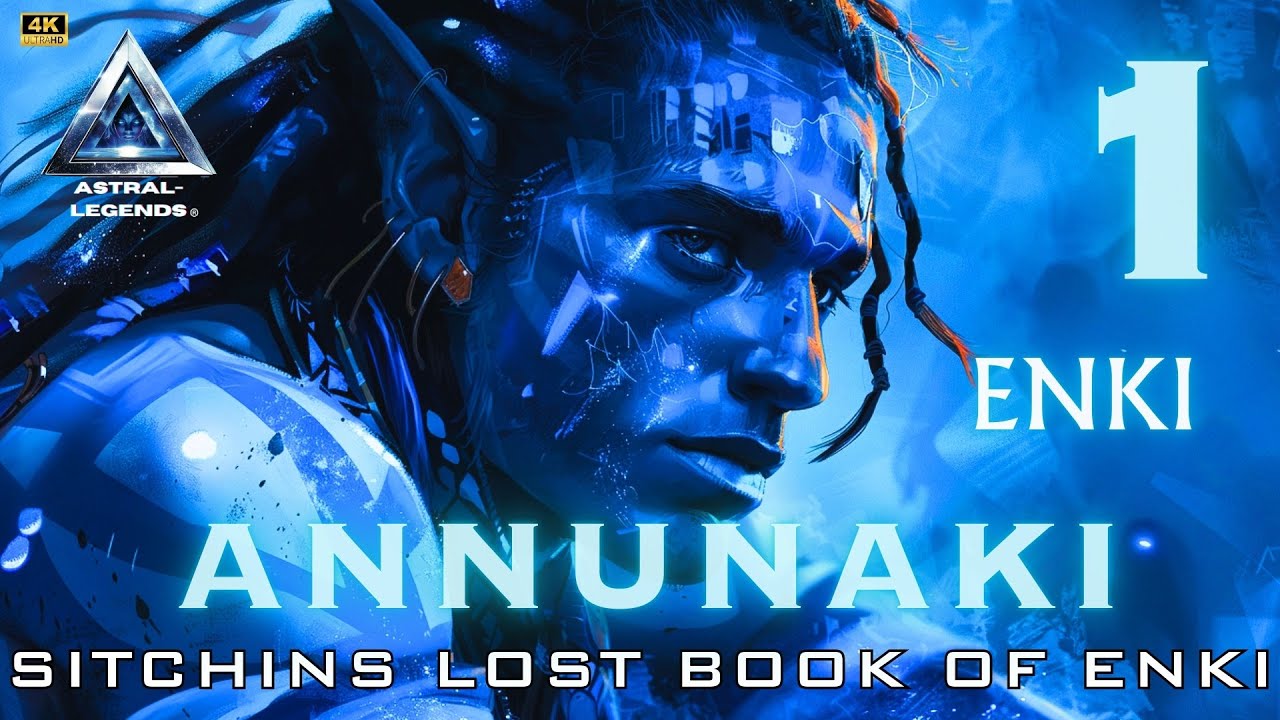
Enki Interesting right? Who is Enki, the first in line in the trinity? Enki is nothing less than a supreme titan in ancient Mesopotamian mythology.
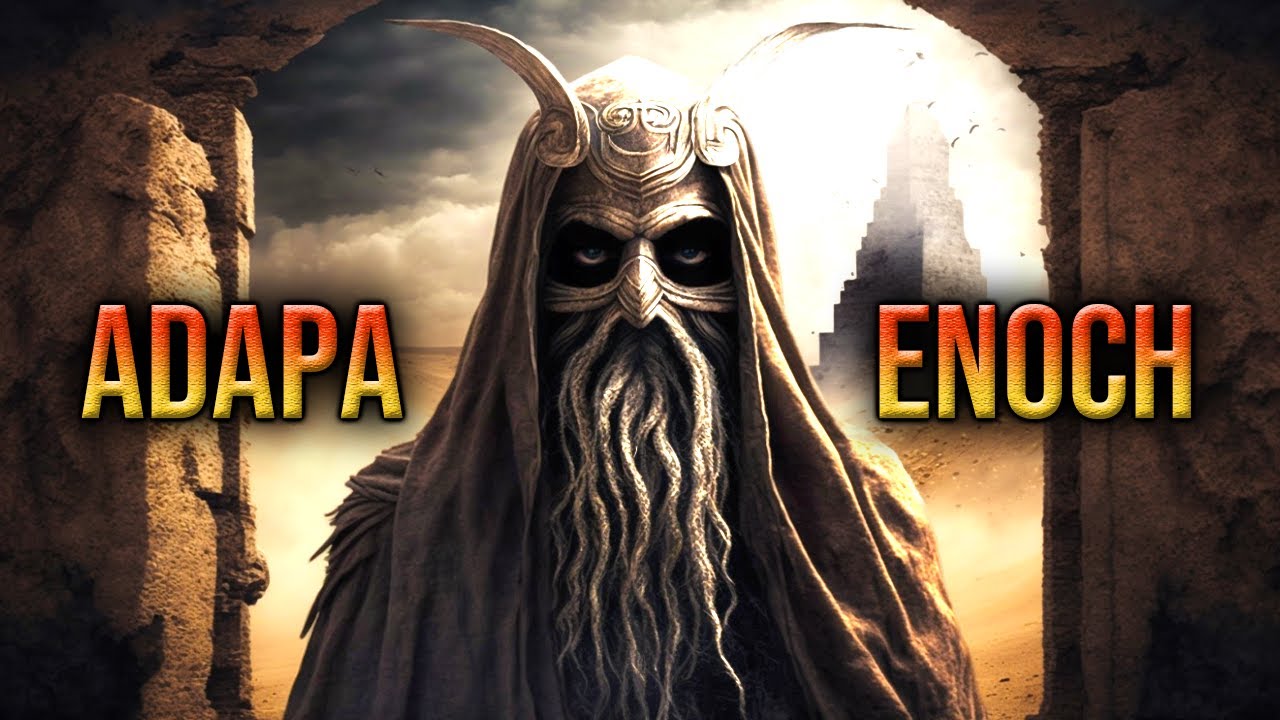
A god adorned with the emblem of a Capricorn, embodying the amalgamation of terrestrial and aquatic attributes, symbolizing his affiliation with the terrestrial realm and the subterranean freshwater Abzu, a significant underground body of water in Mesopotamian lore. Frequently displayed wearing a horned crown or hat to represent his divine status, and was occasionally shown with a long, flowing beard as a symbol of his wisdom and agelessness. Enki possesses unfathomable power, being the god of wisdom, magic, and freshwater.
The unwithering and timeless god stood as the bearer of profound wisdom, the source of divine intelligence, and the guardian of arcane secrets. Enki's connection to the human world established him as the creator of humanity and other aspects of the world. The simple question of the creator of the human race and the commander of civilization is as easy as being attributed to Enki, who is credited with giving humanity the gifts of civilization, such as knowledge of agriculture, writing, and various arts; some call him the humane god, being the most connected god to human life amongst the trinity.
Enki stands central to Sumerian mythology. Known for his witty and occasionally mischievous personality, he was often regarded as a trickster god who used his intelligence to outwit other deities. With an influence extending beyond Sumerian culture, his worship continued in later Mesopotamian civilizations under various names like Ea in Akkadian and Babylonian traditions.
His robust embodiments, wielding power over mystical forces, defending divine decrees, playing an essential role in balancing the cosmic order and ensuring the harmony of the divine pantheon, and his vast supernatural divination shaped his superior reverence and place in the trinity of Mesopotamian supremest of Gods. If you like what we do , support us by subscribing to the channel! Enlil Enlil, the pivotal god of the Divine Three, is next in line, an eternal figure in Mesopotamia's pantheon.
A god is represented by a horned crown, which exudes his divine authority and represents his eternal divine power and strength. Like many other Mesopotamian gods, Enlil is frequently depicted wearing ceremonial robes or divine garments. Enlil harnessed the elements of the cosmos as the god of air, wind, and storms.
The roaring winds and tempests symbolize his authority over the elements, emphasizing his powerful and, at times, formidable nature. As Anu's son, he stood prominent and was vital in divine councils. With unmeasurable authority, he bore the weight of the divine judge with the irrevocable power to decide the fates of gods and humans.
His decisions are considered final, reflecting his position as a key arbiter in the cosmic order. Enlil possesses the "Me," a collection of divine laws, decrees, and attributes that define the order of the universe, which, according to Mesopotamian mythology, was transferred to Enki. The roaring god of the tempest is forged as the most influential and authoritative figure in the trinity of gods and is often described as stern and strict when it comes to obeying the universe's constant law and order of flow.
Enlil, like Enki, has an impact beyond Sumerian mythology, being mentioned under various names in later Akkadian and Babylonian traditions. One of the biggest conflicts between Enlil and Enki can be traced in our detailed video "Enki and the Forbidden Story of the Great Flood" - This is the recorded history of the flood on cuneiform tablets from the ancient Sumerians, which gives a more uncomfortable perspective on the events that happened then. You will find a link in the description of this video.
Anu Ascending to the most powerful and father of the two gods, Anu is the supreme titan and the essence of all creation and is regarded as the highest and most powerful god of the Sumerian pantheon. He represents cosmic order and divine authority in the heavens. His association with celestial realms and his position as god of the sky highlight his cosmic significance.
You wouldn't be surprised how the Mesopotamians always trembled at his presence. Anu holds a direct association with the divine laws and attributes represented by the Akkanu and Me tablets. These eternal tablets regulate various aspects of life and civilization, aiding in preserving cosmic balance.
Anu is symbolized by a bull's horn, representing strength and fertility, an understatement of his authority as the supreme ruler of the universe. Anu poses as the ultimate source of divine power, energy, and universal essence. He rules the entire universe, including Enki and Enlil, as the holder of the supreme throne of the heavens.
As Christians see God, Anu is depicted as omnipotent, omnipresent, omniscient, and all-powerful. The significance of these gods So, what exactly is the significance of these towering gods to their people? Anu, Enki, and Enlil work together to promote global prosperity.
Enki's association with freshwater and fertility, Enlil's control over storms and winds, and Anu's overarching authority all impact natural cycles. These gods' collective influence aided the Sumerian people in advancing culturally and technologically. As said, knowledge, wisdom, and divine guidance determine the course of human civilization.
Another interesting fact is that the relationship between the gods and their divine organization is intertwined with their filial relationship. Anu, being the father of the two gods, and Enki as Enlil's older brother, as well as the difference in their attitudes, shape what the Mesopotamians called the unity of action. Enki is frequently portrayed as a more benevolent and nurturing deity, while Enlil is often portrayed as more authoritative and stern.
Enki would go through all means to ensure his human worshipers' prayers, safety, and well-being. In contrast, Enlil was strict and more concerned with the proper flow and organization of the cosmos, resulting in instances of human gods intertwining with one another as the gods used their divine essence to govern time. As also seen today in our different religions, temples dedicated to the gods were the center of worship.
There were several mystique sacred spaces, such as the Enlil Ekur in Nippur. These temples were decorated with statues and idols of the gods. Both ancient and modern scholars believe that the presence of these representations housed the deities' divine essence.
Traveling to these specific temples or sacred sites enabled worshipers to connect with the divine and seek blessings. The Trinity of gods Mesopotamian worshipers made offerings and sacrifices to gain favor with these gods and honor them. One may compare the Trinity of Enki, Enlil, and Anu to the modern-day Trinity, but the concept of Anu, Enki, and Enlil as a trinity in Sumerian mythology is not identical to the concept of the Holy Trinity found in some later religious traditions.
The true Trinity these gods possess is reflected in how they control the universe, as they act as one, each controlling their task and pushing the synchrony and flow of the universe under the complete power of Anu, the chief god of the heavens. From the picture, Anu, the supreme god, holds a central position in the divine hierarchy and represents the heavenly cosmic order. Enki, the god of wisdom, magic, and freshwater, is key in breathing life into humanity and kick-starting civilization.
Enlil, the god of air, wind, and storms, wields power over the elements and plays a vital role in divine decisions and cosmic order flow. Each god represents a unique aspect of the natural and cosmic order. It might also be interesting to know that the Sumerian civilization emerged around 4500 BCE, and its religious beliefs evolved over the centuries.
The myths of Enki, Enlil, and Anu were most likely passed down orally before being finally inscribed on cuneiform tablets. Big mythology fans like us would know that Sumerian mythology influenced Mesopotamian cultures later, including the Akkadian and Babylonian civilizations, where gods such as Enki and Enlil survived under various names. Not that it's a surprise, but the ancient triad of gods, Enki, Enlil, and Anu, are no longer worshiped in the same way they were in antiquity.
Although central to the Sumerian and Akkadian pantheons, their worship declined over time as other religious traditions and cultural changes emerged. When compared to the modern Trinity of the Christian world, we can see the similarities and nature of these gods in controlling the fate of the world and using their divine attributes to orchestrate and illuminate the creation that they spurned since time's inception, giving their worshippers the spiritual essence needed to live their lives in the best path. In the grand tapestry of human spirituality, the intricate narrative of the Mesopotamian gods' divine triad provides profound insights into humanity's search for meaning and understanding.
However, there are many more countless tales intertwined between these ancient gods of the past. Certainty you don't want to miss any of this, so we offer you our playlist related to Sumerians and Anunnaki, which you will find at the end of this video or in its description. You certainly don't want to miss any of what follows either, so hit the like button and subscribe to our channel.