we all have our own implicit biases the beliefs attitudes and ingrained opinions that influence how we perceive and interact with the world around us implicit bias is inescapable it's written into our personality code is how we mitigate against it that counts as the austrian psychiatrist and auspicious survivor victor e frankel said between stimulus and response there is a space in that space is our power to choose our response we develop biases from birth and there are various types affinity bias for example is when we show an unbalanced leaning towards people who are like us while
confirmation bias is when we interpret new evidence as confirmation of what we already believe [Music] in the classroom we often deal with topics that are outside our personal experience we make assumptions about things all the time and the same can be said of our students focus on empathy by having students pair up to discuss how their lives are the same and different flip the discussion by having each student walk in other shoes when working on action-driven projects encourage students to think about people affected by hunger poverty and gender inequality how can we encourage them to
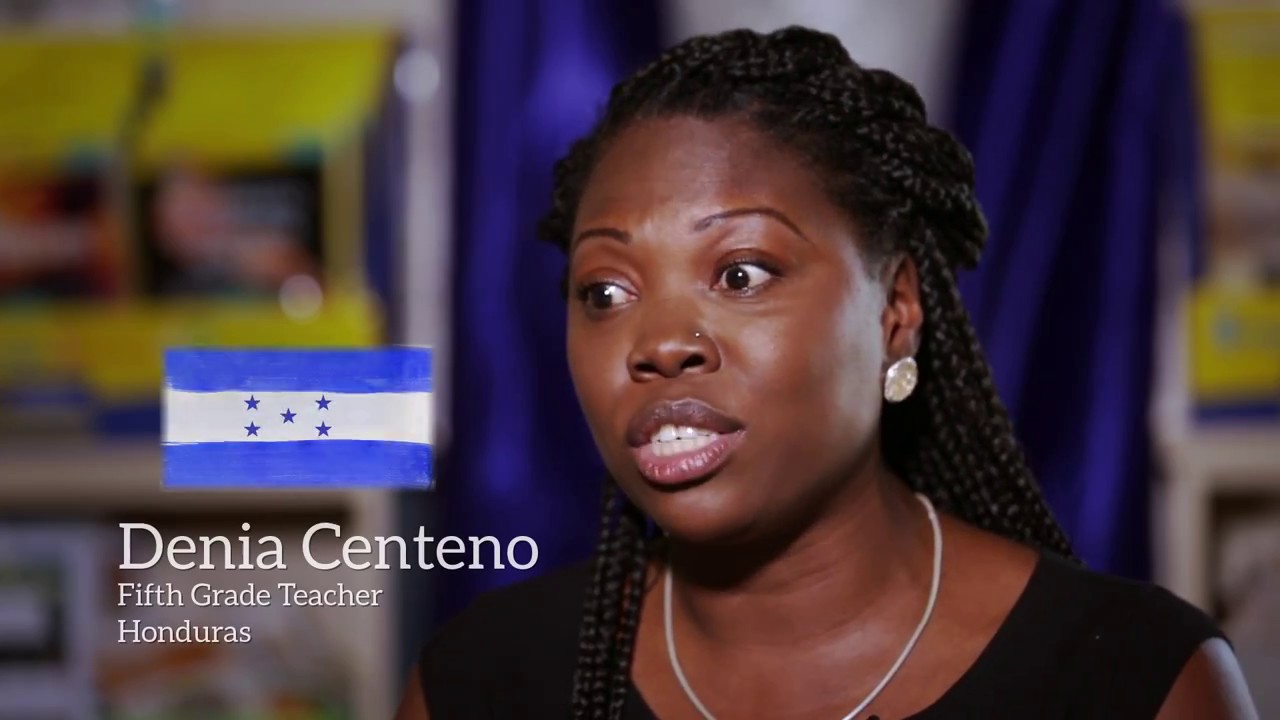
discuss the ways that bias around these issues can manifest itself my class is a safe zone where they can talk about anything and they have to be respectful and mindful of each other because we come from different places we have kids that have opposing points of view and one of the things that i teach them and i always tell them is that you have to listen to the other person you may not agree but you have to listen i go if you all learn to listen to each other you're going to change the world [Music]
by diversifying our network of colleagues and advisors we give ourselves a better chance of identifying and reflecting on bias in the classroom how can we build upon our existing professional learning network to include people who challenge us to approach an issue from a different angle or whose perspective might open up our students minds to at least consider a different way of thinking [Music] bias can even exist in our classroom resources are we always using materials from the same places books by the same authors are our examples always the same identifying and developing new source materials
primary sources in particular helps recognize and challenge biases that slip into our classrooms i did a lesson with james baldwin james baldwin was a thinker of the 1960s he's fit somewhere in between malcolm x and martin luther king jr which the kids always hear about they got to hear james baldwin speak and they were able to talk about the issues that he was speaking in a way that it was safe they were on every side of the spectrum some said well no it's because this doesn't exist anymore and the others are saying yeah it does
you're not living it but it was always in an open dialogue form and um it was i think incredible for them to hear history that they usually don't get implicit bias impacts how we treat our students colleagues and subject matter if we're aware of it and reflect on it we can help our students and ourselves stay open to new ideas and remain mindful of our own actions recognizing it and confronting implicit bias builds empathy self-awareness and in the end a fairer and more thoughtful world [Music]