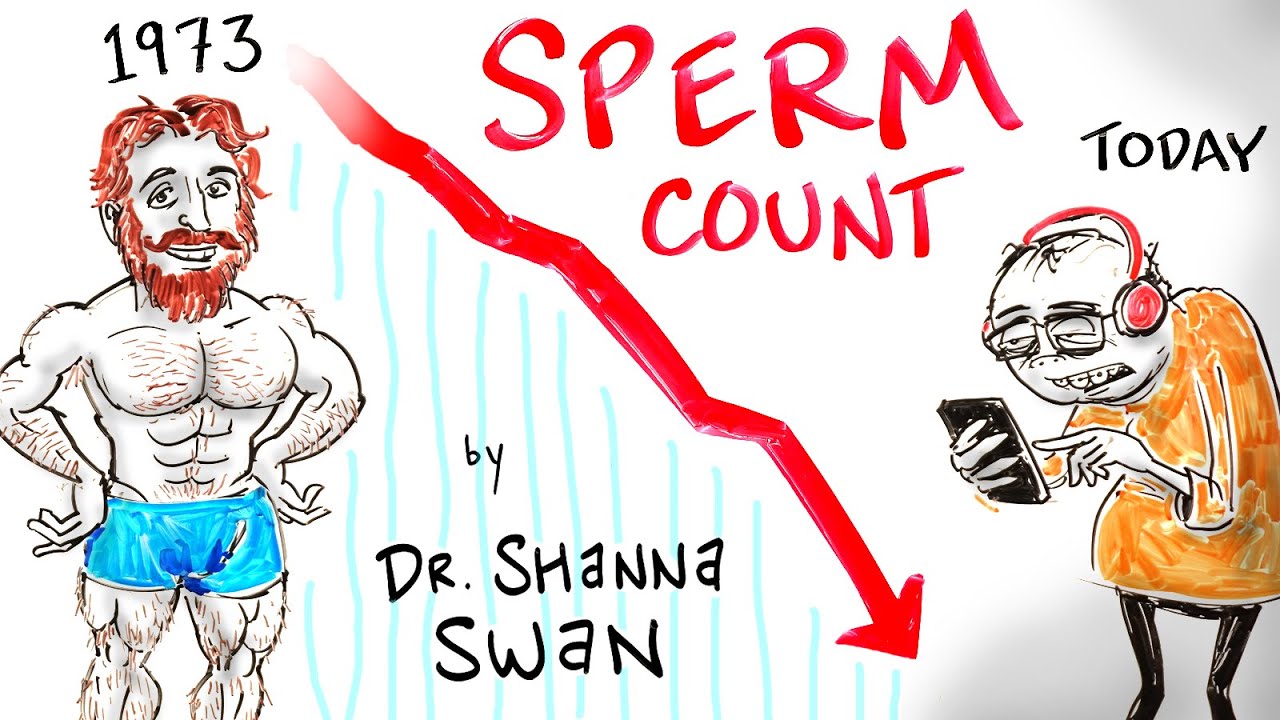
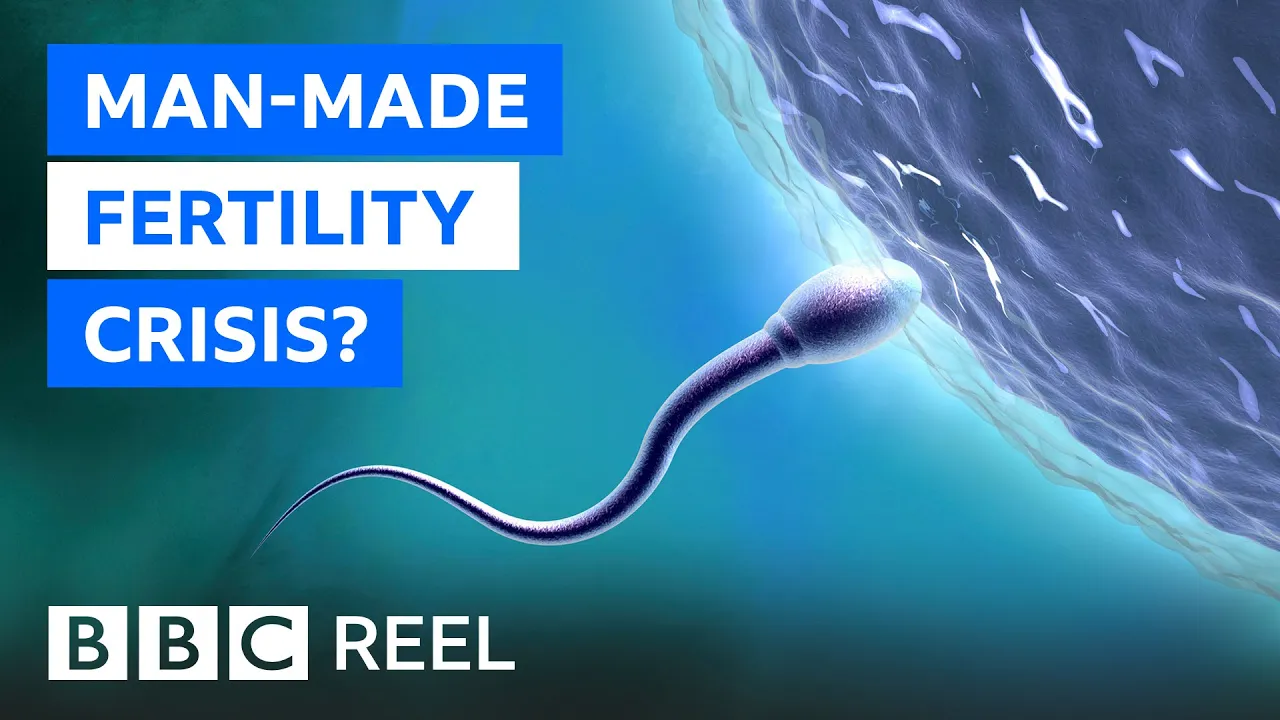
[Music] if you look at the sperm concentrations when we last looked at them which was samples collected in 2011 the sperm concentration in western countries was 47 million per milliliter down from 99 million per milliliter 39 years earlier so that's a decline of more than one percent per year and it would predict between 2011 and now which is 10 years that we would be now below 40 million per milliliter and that's an important number because below 40 it becomes increasingly difficult for couples to become pregnant and how low it's going to go before we wake
up and say we have to stop this i don't know how long that's going to take but it's urgent [Music] [Music] [Music] however then there's a whole other class of things which are not so easy to control and those are the chemicals in our environment that come in the products that we bring into our home [Music] coatings is a big category and you can coat a pan with teflon or non-stick you can coat a jacket with water repellent you can coat a paper to keep oil from passing through it say in a pizza box so
coatings are a real concern because they contain one class of chemicals the pifoas then another big class and the one that i've studied a lot is the chemicals that make plastic soft and those are the phthalates [Music] phthalates as a class are called anti-androgens wherever they meet testosterone they tend to decrease it and most dramatically in the womb in early pregnancy [Music] one particular way that we see that is the size of the genital area which is called the anogenital distance then when the boy grows up he will have we've shown a lower sperm count
besides having an impact on sperm count it can increase the risk of genital defects undescended testicles for example and later it actually can increase the risk of testicular cancer [Music] we looked at pesticides metabolites in their urine and how they related to the sperm count concentration and shape of those sperm we found that there was a big difference in sperm count and quality the most dramatic was that men who were living in central missouri which is an agricultural area where there's a lot of corn and soy grown a lot of pesticides used they had only
half as many moving sperm as men in minneapolis this is huge half as many and they were not workers and they were just residents of the area [Music] low sperm count is related to all kinds of morbidities including heart disease diabetes reproductive cancers and ultimately length of life it's always assumed that it's the woman's responsibility fault if a couple can't get pregnant or if a woman has miscarriage and now we know that it's a shared responsibility and getting the quality of the eggs is much more difficult than for a man to count his sperm or
get the quality of his sperm [Music] more and more people are now considering storing their sperm freezing their eggs long-term storage because we're in a crisis very large and increasing number of children are conceived by assisted reproduction and increasing number of people are using surrogates for their pregnancies we are already in the throes of a really really serious situation [Music] [Music] he could think about lowering his exposures by changing his shopping habits he could maybe lose weight if he's overweight he could stop smoking if that's a problem he could stop binge drinking if he does
that it's much much harder to get the chemicals out of our bodies the good news is that the many of them are short lived chemicals that is non-persistent they leave our body on with a half-life of four hours six hours so very quickly so if we could be aware of what's coming in and stop it then pretty soon we can clean that up [Music] we need to test chemicals before they're put into the marketplace we need to test the thousands of chemicals that have never been tested because they've been assumed safe and we now know
they're not there's no question that environmental factors affect reproductive function we're in a crisis a really really serious situation [Music] you