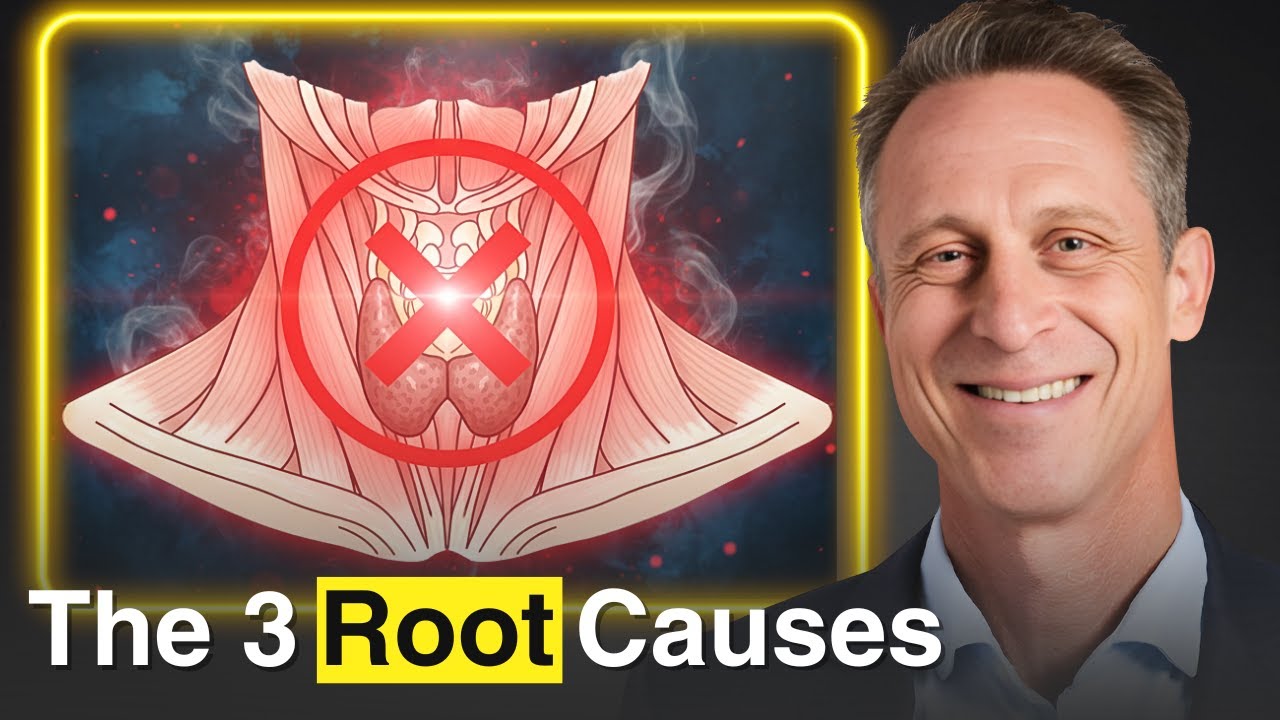
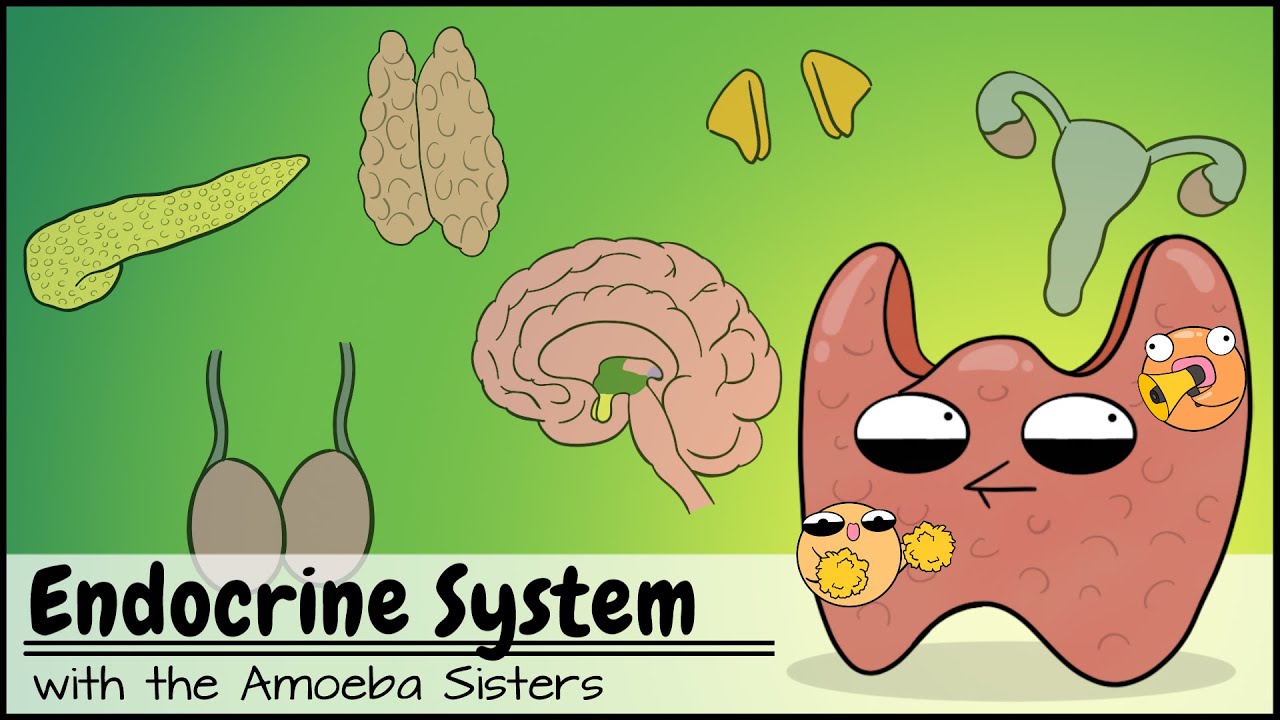
hello and welcome to the review of chapter 77 of guyton hall's medical physiology textbook in this chapter we're going over the thyroid hormone and the thyroid gland if you enjoy the video please don't forget to give it a like and subscribe to the video and thank you for all the support so far so if we jump straight into it the thyroid hormone is obviously an endocrine gland that secretes two major hormones thyroxine and triiodothyronine now thyroxine is also known as t4 because there's four iodines connected to it as you'll see and then triodo thyronine is
t3 due to three iodines attached to it now these increase the metabolic rate of the body as we'll get to and as we've talked about in previous chapters and gets stimulated to be released due to thyroid stimulating hormone coming from the anterior pituitary gland and then as a little side note as we'll get to in the calcium regulation chapter the thyroid gland does also secrete calcitonin which is involved with calcium metabolism via the c cells but we will focus mainly on the thyroid hormones here so if we focus on t4 and t3 t4 is the
major thyroid hormone that is transported around the blood so 93 of it is actually thyroxine within the blood with only seven percent as t3 but once it actually reaches the tissues almost all of the thyroxine is converted straight into t3 within the tissues and t3 is actually more potent than t4 at actually producing an effect of increased metabolism now t4 and t3 are also protein bound within the blood so we actually have an increased store of thyroid hormone within the blood and it's removed very slowly t3 is actually removed slightly faster and is more potent
and once these hormones actually enter the cell because remember these hormones their receptors are within this target cells or virtually every cell once they enter the cell they bind to proteins within the cell so then there is a even slow release of the hormone itself within the cell so they have a very slow onset of action and in a very prolonged duration of action because of being heavily protein bound within the blood and then also within the cell so if we talk about the physiology or the anatomy of the actual thyroid gland you can see
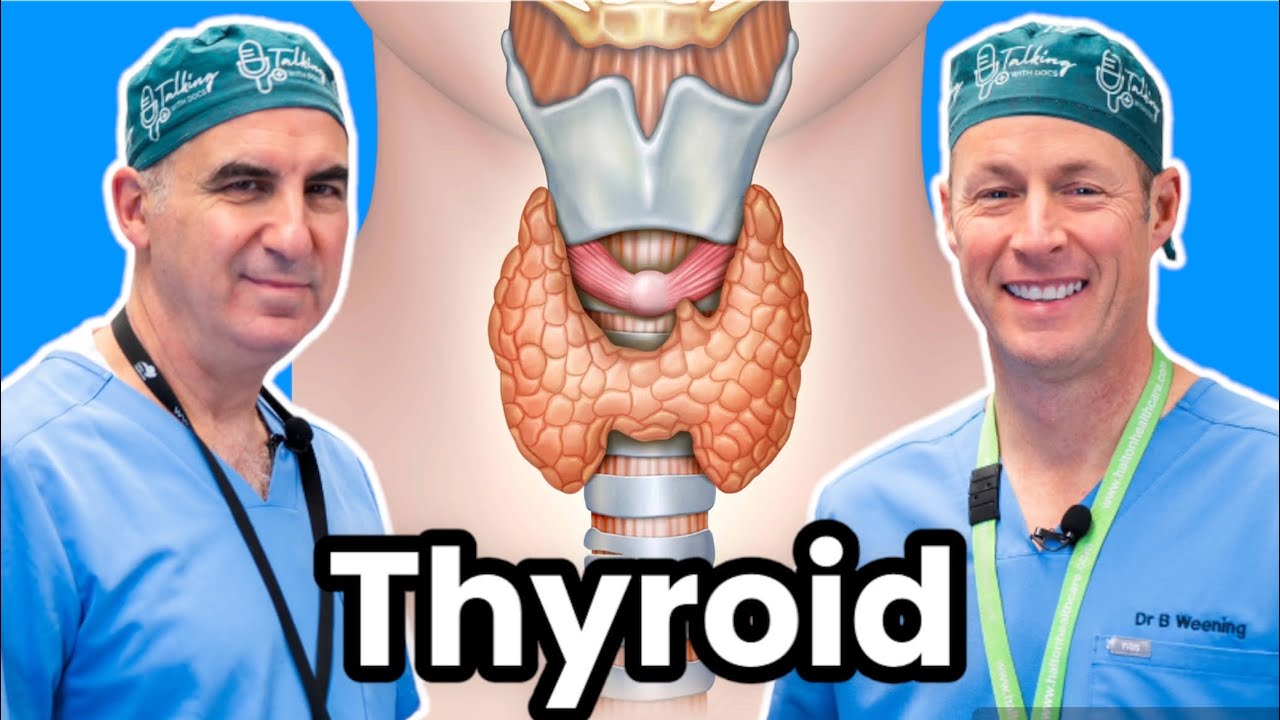
that it's located just below the chin kind of hugging the trachea the first few rings of the trachea and the thyroid gland looks like this on histology where we have this cuboidal epithelial cells forming a ring and within these rings is colloid solution this colloid solution has a high concentration of thyroglobulin which kind of holds onto iodine and allows thyroxine to be produced within it as we'll get to very shortly here so these circular follicles which contains this colloid is a store of thyroid hormone within the thyroglobulin we also have the c cells that release
the calcitonin that we won't talk about this chapter and then obviously we have blood supply so the cuboidal epithelial cells have a role to actually shuttle iodine from the blood over into the center of the follicle into the colloidal space so then this iodine can then be converted into thyroxine within thyroglobulin it is then stored within thyroglobulin within the follicle until there is a signal to release thyroid hormone and then has to travel across the cuboid or epithelial cell release from the thyroglobulin and then the predominantly t4 with a small amount of t3 is able
to enter the blood and then go around the body remember protein bound so if we look at this cuboidal epithelial cell a little bit closer you can see that iodine enters the cell via the sodium iodine as simple or co-transporter so this co-transporter system uses the energy from the sodium potassium pump just like the renal tubular cells now this is quite a common secondary active transport system where we use atp to shuttle sodium out of the cell and potassium into the cell create a high concentration of sodium outside of the cell and then use that
high concentration to then hold iodine's hand and then shadow it into the cell so now we have a high concentration of iodide within the actual cuboidal epithelial cell now iodine is really only used by the thyroid glands so any iodine that doesn't get stored within the cell or doesn't get trapped within the cell just gets excreted in the kidneys now once it enters the cell this iodine will then get pushed out into the follicle region so across the apical surface being exchanged for chloride via the pendrin transport protein and then once within the follicle so
on the apical surface it then has to get oxidized in order to be turned into thyroxine eventually so the entire process of forming a thyroxine is by attaching iodine onto a tyrosine amino acid so you need four iodines onto a tyrosine amino acid to have thyroxine just three is obviously t3 now in order to actually attach iodine to tyrosine you need to oxidize the iodide so we have peroxidase as an enzyme which uses hydrogen peroxide to oxidize the iodide once it's been oxidized it instantly attaches to the tyrosine and then the processes are able to
continue and as you can see in this figure 77 3 here tyrosine with one iodine molecule attached to it is mono iodide tyrosine and we get diado tyrosine when we have two of them and then eventually we have triadothyronine which is three and then eventually t4 in between t3 and t4 we do have this reverse t3 which is not biologically active so we won't be really talking about that at all it's just an intermediate product here so we have t3 and then t4 now this entire process of tyrosine being iodinated into thyroxine occurs within the
thyroid globulin molecule within the follicle so thyroglobulin is kind of hugging these molecules allowing this process to occur and then storing it until it's needed so as you can see back to figure 77.2 here we've got iodine that gets oxidized and then also coupled with tyrosine with in thyroglobulin thyroglobulin now contains all of these byproducts so monoi directing or emit dit t3 reverse t3 and then t4 and then it gets stored here until the signal to then be absorbed obviously the signal we keep talking about is going to be thyroid stimulating hormone from the anterior
pituitary gland so tsh which we'll talk about very shortly here but once that signal comes we're going to have pinocytosis so this is going to get absorbed into the cuboidal epithelial cell and then that thyroglobulin is going to be detached from t3 and t4 by proteases the mit and dit that's still there attached to the thyroglobulin because the thyroglobulin molecule can contain a lot of different types of molecules so you can have mit dit t3 and t4 within it so the mit and dit which are not biologically active they get recycled so there's deiodonation so
then iodine is able to be reused retaken across the apical membrane re-oxidized and then hopefully turn them to t4 whereas the t3 and t4 get secreted into the blood to then go around the body and be used so thyroid stimulating hormone is able to increase the activity of the sodium iodine symporta so it helps to increase iodide trapping within the cell it increases the activity of peroxidase so it increases oxidation of the iodine so then creates more thyroid hormone it helps to increase thyroglobulin transport and then breakdown as well so more release of thyroglobulin and
helps to just also increase cell size and also increase the production of thyroglobulin itself now thyroglobulin is a protein molecule produced by the epithelial cells from the endoplasmic reticulum processed in the golgi apparatus and then is excreted viral vesicle into the follicle so thyroglobulins produced by the actual tributary epithelial cell itself uses the iodine from the blood that's been absorbed from the gastrointestinal system to then create t3 t4 that eventually gets released into the bloodstream now once it's in the bloodstream like we talked about the t3 and t4 attaches to proteins they're highly protein bound
these proteins include thyroxine binding globulin and then also less commonly thyroxine binding pre-albumin and albumin itself these proteins are produced by the liver these are plasma proteins that really help to give thyroid hormone the slower onset of action but prolonged duration of action so once that actually that thyroid hormone gets to the cell and it gets into the cytoplasm and then remember it gets all the way into the nucleus itself its receptor is actually near the gene or actually on the gene itself and so stimulation of this receptor results in increased gene transcription results in
the production of multiple different mrnas and then go into the cytoplasm to be translated into multiple new proteins these new proteins are going to have multiple functions depending on the cell in question because thyroid hormone affects almost every cell depending on what the cell internal intracellular machinery is present it's going to just increase the activity of that cell essentially because you're going to have the production of enzymatic proteins structural proteins protein transporters so then the actual activity of the cell is going to increase so ultimately we're going to have growth cns development increased cardiovascular output
increased metabolism to every single cell increased vasodilation for increased blood flow to accommodate that increased metabolism to every cell so therefore increased cardiac output and then also just increased heart rate and contractility directly from the thyroid hormone as well and then also just general increased metabolism so increased glucose absorption gluconeogenesis glycogenolysis lipolysis protein synthesis you're going to have the liberation of as much food stuffs as possible so increase precursors for the production of atp so then you can do more functions and then also you're going to have protein synthesis but also protein breakdown as well
and usually when you have an abnormally high amount of thyroid you're going to have increased protein breakdown in protein synthesis so as you can see increased thyroid hormone just results in increased metabolism increase activity of all cells now there is non-genomic cellular effects of thyroid hormone meaning that it has effects outside of the nucleus and that mainly relates to the regulation of ion channels and oxidative phosphorylation as well so it just binds to receptors on the cells increases cyclic amp and it just increases the utilization of our foodstuffs so because of this increased metabolism we
end up with an increased number and activity of mitochondria to provide that energy there's a possibility that because of an energy starvation because we're using so much energy that the mitochondria secondarily increase in number and size to keep up with the energy demand versus the other theory of just the thyroid hormone actually increasing the size and number of mitochondria we get increased activity of the sodium potassium atpase which since we get increased movement of ions and increased usage of atp we could just get increased heat production so that's a huge factor here with thyroid hormone
is that we just get general increased heat production from the increased usage of atp for these co-transporters so heat reduction increases with thyroid hormone that will come in handy in the future when we talk about why thyroid hormone is produced it also causes excessive skeletal growth but it's usually rapid and early so then the bone plates actually fuse early and the duration of skeletal growth is too fast so although young children with too much thyroid hormone may grow very very early they typically won't get to the height that they're meant to get to but it's
also very important for the development of the brain during early fetal life so without thyroid in their early life then you actually end up with mental depression we end up with increased glucose production and utilization and same with the lipids we actually get the reduction of cholesterol phospholipids and triglycerides with too much thyroid hormone or with additional thyroid hormone mainly because of increased excretion because you get increased movement of your bile so and increase excretion of your cholesterol through your bile so that means if you have low thyroid or hypothyroid when you don't have enough
thyroid hormone then you have increased cholesterol and increased risk for arthrosclerosis now just going back to general functions of the thyroid again we're going to increase almost all bodily enzyme reactions so that means our vitamin usage is going up so we can have a relative vitamin deficiency with too much thyroid we end up with a lower body weight due to that protein cannibalism and also increased usage of our lipid stores so we end up utilizing our fat stores with the low thyroid we end up with an increased body weight because we aren't utilizing our fat
stores so fat deposits increase talked about the increased cardiovascular system with thyroid hormones so you get increased cardiac output increased heart rate increased cardiac contractility we actually end up with a normal blood pressure but the pulse pressure increases meaning that systolic increases diastolic decreases but the mean stays the same respiration increases due to increased utilization of oxygen so carbon dioxide increases gi motility increases there's increased digestive juices trying to get as much nutrients into the body as possible the central nervous system gets excited so typically you end up with more anxiety and also with that
you can't sleep as well since you can't sleep as well and your metabolism is increased you're actually constantly exhausted and then also all our endocrine glands have also increased their production because the thyroid gland is increasing metabolism everywhere else so you know we have increased glucose everywhere certain insulin increases for example and as you would expect a lack of thyroid also reduces libido so how does thyroid hormone actually get regulated we've talked about thyroid stimulating hormone which is also known as thyrotropin that gets released from the anterior pituitary gland so it has five main influences
here it increases the proteolysis of thyroglobulin so then it releases t4 and t3 more easily we get increased activity of that sodium iodide pump as we talked about increased iodination of tyrosine through peroxidase increased size and secretory function of thyroid cells and an increased number of the thyroid cells energy become more columnar rather than cuboidal so basically tsh increases all of those reactions that entire circuit so then we get increased release of t3 and t4 it does that by actually increasing cyclic amp within the cuboidal epithelial cells so via endocyclase camp goes up ciemp then
activates protein kinases then phosphorylates multiple enzymes and increases the activity of these various components that we've just talked about now tsh or thyroid stimulating hormone is actually stimulated to be secreted by the hypothalamus sphere thyrotropin releasing hormone remember released from those nerve endings into the median imminence that then goes through the blood supply into the anterior pituitary gland now thyrotropin releasing hormone causes an increase in tsh in that anterior pituitary gland by a slightly separate system so it uses the phosphate lipase secondary messenger system remember that from the intro to endocrine chapter where phospholipase c
results in an increase in calcium ion and dag which then actually results in the release of tsh tsh then goes to the thyroid gland increases camp increases t3 t4 output so what's the stimuli for thyrotropin releasing hormone and tsh secretion the main one is actually cold so since increased metabolism increases heat production if you're cold you're going to release more thyroid hormone now emotional stimuli such as anxiety excitement or anything that's stimulating the sympathetic nervous system itself that's also going to increase the heat production so you actually get a reduction in trh and tsh so
you get a reduction in thyroid hormone release so cold increases it anything where you have obviously heat or high metabolism already is going to result in a reduction in your t4 now t4 itself actually has a negative feedback system with tsh and the anterior pituitary gland it doesn't influence the hypothalamus it goes just directly for tsh and the anterior pituitary gland so t4 goes in and stops tsh secretion which therefore stops the over production of t4 but we can have issues with t4 release either too much or too little and there are also drugs that
can influence this as well so some of the anti-thyroid drugs include thiocyanate which decreases iodide trapping by actually competitively inhibiting the iodide transport so you can't get iodide into the cell and then propyl thyo uracil reduces thyroid hormone formation these drugs are similar to methymazole and carbamazol which are more clinical useful drugs for hyperthyroidism they prevent thyroid hormone by actually blocking peroxidase so iodide cannot be turned into thyroid hormone and lastly here high concentration of iodides itself can actually reduce the production of thyroid hormone and can actually paralyze endocytosis of coloid from the follicles so
the first two drugs which actually prevent thyroid hormone itself being produced since there is no thyroid hormone there's no negative feedback to tsh so tsh is going to be high and telling the thyroid gland to produce more thyroid hormone which cannot happen because of these drugs but one of the influences of tsh is to increase the production of thyroid globulin and secretion and increased follicular size so you end up with this increased colloid within the follicles which continues because you have so much tsh that keeps telling the cell to do this to try to produce
more and more t4 which just physically can't be produced so you end up with a very large thyroid gland when you have a large thyroid gland so a big lump underneath the chin that is called goiter and that is a pretty good identifier that there is a problem with thyroid hormone production and hypothyroidism and the signs associated with hypothyroidism if we go into some disorders here hyperthyroidism can result from either graves disease which is an autoimmune disease where thyroid stimulating immunoglobulins so antibodies that attach to the receptors the tsh receptors and actually stimulate cnp production
and therefore stimulates increased t4 production and since we have so much t4 production our endogenous tsh is actually reduced and that results in hyperthyroidism we can also end up with thyroid adenomas which is just a kind of local tumor that secretes too much thyroid hormone and also once again big negative feedback on endogenous tsh so tsh is low with these conditions but t4 is extremely high and that's a way of diagnosing it we end up with hyperthyroidism hyperthyroidism is associated with a high state of excitability and tolerance to heat because you're already having such a
high metabolism at high basal heat increased sweating weight loss muscle weakness nervousness diarrhea fatigue tumor of the hands and can also be associated with exophthalmos if it's due to graves disease because exophthalmus it seems to be an autoimmune process where you actually get swelling of the retro-orbital muscles and degenerative processes of the extraocular muscles now to diagnose it like we talked about t4 is high tsh is low and if it is the autoimmune condition graves disease we can also measure thyroid stimulating immunoglobulins treatment involves surgical removal of the thyroid gland the drugs we have mentioned
so methamasol carbamazol or radioactive iodine since iodine is only used in the thyroid gland if you inject radioactive iodine that radioactivity actually kills off and destroys the secretory cells of just the thyroid gland so actually destroy some of those high producing cells to hopefully give yourself a normal amount of production so you're just trying to kill off the majority of the high producing cells and just leave enough to maintain homeostasis obviously one of the risks is the creation of hypothyroidism hypothyroidism can result from an autoimmune condition that actually destroys the thyroid gland instead of stimulating
the tsh receptor just completely destroys the thyroid gland initially with thyroiditis so inflammation and then fibrosis or you can have just low dietary iodine so then you don't have enough iodine to produce t3 and t4 or you can get it from goitrogenic substances so there are actually some plant varieties that have goitrogenic substances bind prevent the utilization of iodine and that can be a pretty big problem in some if you're a farmer you know for sheep and things but ultimately you can end up with the opposite of hyperthyroidism so fatigue increased sleepiness sluggishness muscular weakness
slow heart rate reduced cardiac output increased body weight constipation you get actually a decreased growth of your hair and scaliness of the skin and you can get this mixed edema which is just this edematous appearance due to an accumulation of hyaluronic acid and chondroitin within your interstitial fluid with hypothyroidism you also end up with increased cholesterol as we talked about to increase risk for atherosclerosis and you can diagnose it by having low free thyroxine and then generally tsh is high because your anterior pituitary gland is saying what's going on why don't we have enough thyroid
hormone we need to produce more and it's producing a lot of tsh you can treat it just by giving oral thyroxine so nice and easy there and then an extreme form of hypothyroidism is criticism which is when it occurs very early in life so you actually end up with failure of body growth and mental depression as well so the brain doesn't develop properly the body doesn't actually grow well and you need to treat it with making sure there's adequate iodine in the diet and then also thyroxine as well so that's the end of the chapter
i hope you enjoyed it if you would like some questions here we go the first one is out of t4 and t3 which form has a greater concentration in the blood number two what are the two hormones that control thyroid hormone release so what is the pathway there and i'll give you a little hint so there's one release from the hypothalamus and then what's the one released from the anterior pituitary gland then number three what is goiter and then what clinical signs would you expect with koita feel free to drop a comment otherwise we'll see
in the next video




![Thyroid Hormone Synthesis: Step-By-Step Pathway [Physiology Explained]](https://img.youtube.com/vi/1Dgz9Pky6WA/maxresdefault.jpg)