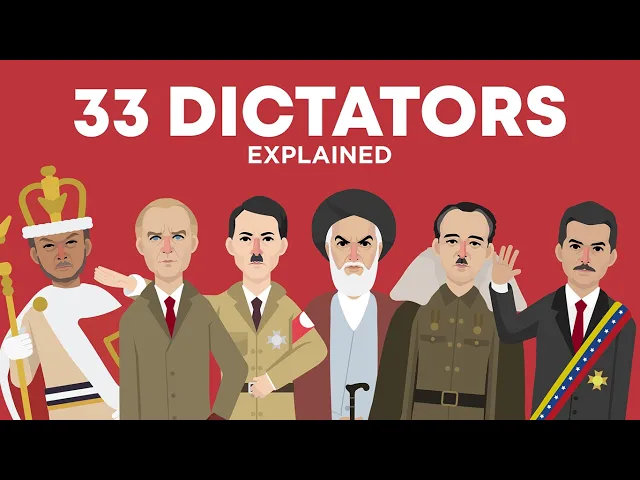
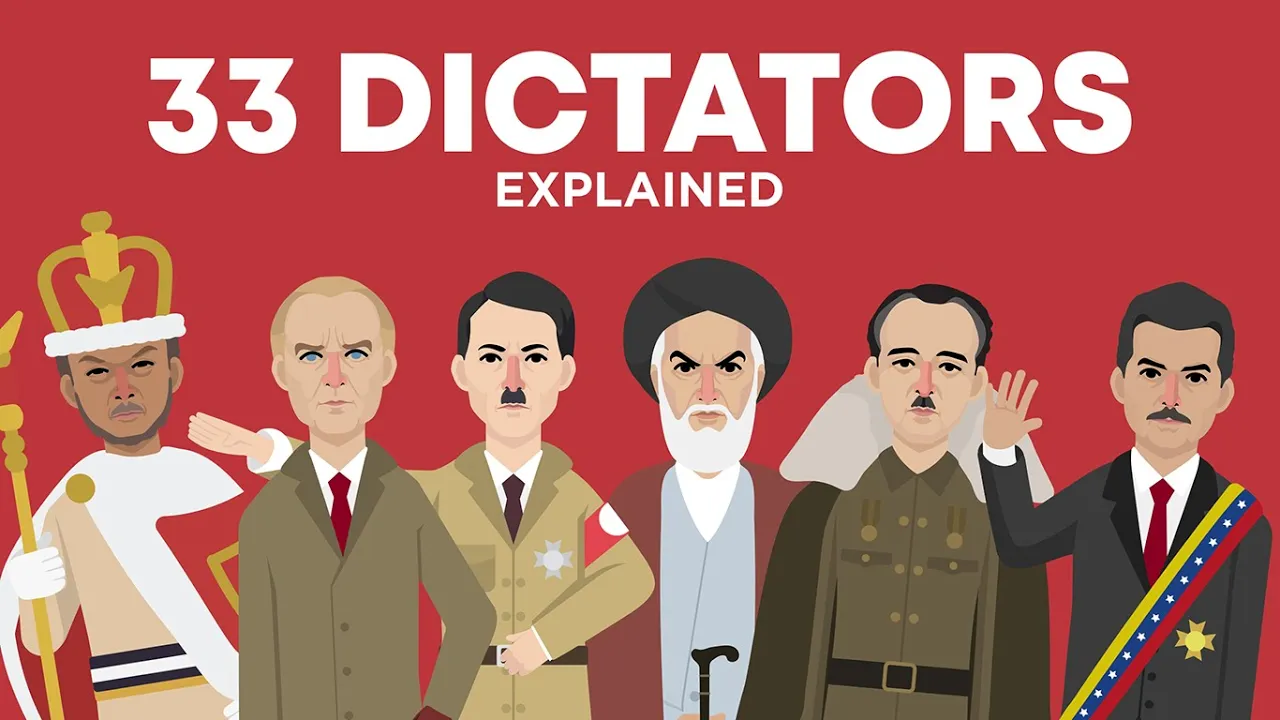
hosney Mubarak was the president of Egypt from 1981 to 2011 he was ousted during the Arab Spring Uprising due to widespread discontent over corruption and autocratic rule mubarak's tenure saw relative stability but at the cost of political repression muamar Gaddafi ruled Libya from 1969 until his death in 2011 he was known for his eccentric personality radical policies and the infamous green book which outlined his political philosophy Gaddafi was overthrown and killed during the Libyan Civil War Mustafa kimal Ataturk was the founder and first president of the Republic of Turkey he implemented sweeping reforms to modernize
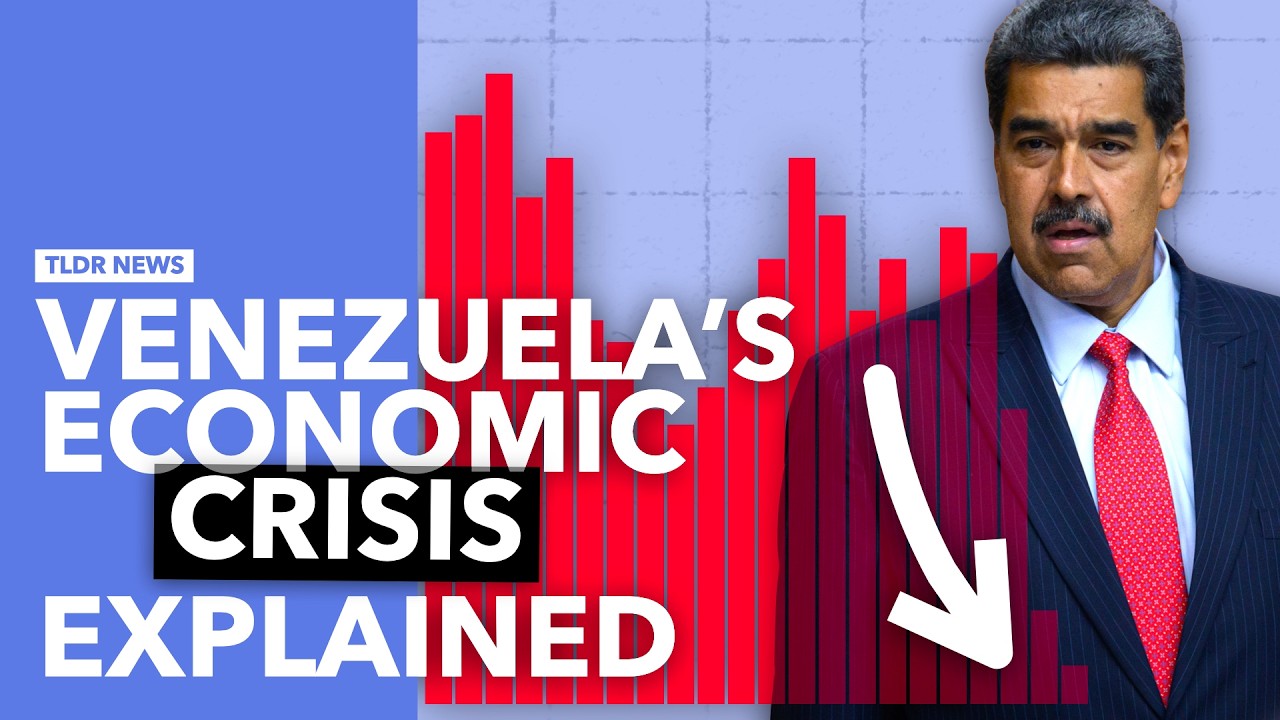
turkey including secularizing the government and adopting Western laws and culture atat Turk is revered for transforming turkey into a progressive Nation Nicolas Maduro has been the president of Venezuela since 20 13 succeeding Hugo Chavez his administration has faced severe economic collapse hyperinflation and widespread humanitarian crisis maduro's presidency has been marked by accusations of electoral fraud and authoritarianism Enver haa ruled Albania from 1944 to 1985 establishing one of the most repressive communist regimes in the world he isolated Albania from both the west and the Eastern block leading to Eon economic hardship and widespread fear Hawk's strict
stalinist policies left a lasting impact on Albania Robert mugabi was the leader of Zimbabwe from 1980 to 2017 initially celebrated for ending white minority rule his later years were marked by economic ruin human rights abuses and political repression Mugabe was ousted in a military coup in 2017 maximiliano Hernandez Martinez was a Salvadoran military dictator who ruled from 1931 to 1944 he is Infamous for the 1932 Salvadoran peasant Massacre which resulted in thousands of deaths his rule was marked by authoritarian control and economic instability King Henry VII of England is best known for his six marriages
and his role in the separation of the Church of England from the Roman Catholic Church his Reign saw significant religious and political upheaval Henry's quest for a male Heir led to to the English Reformation Ferdinand Marcos was the president of the Philippines from 1965 to 1986 he declared martial law in 1972 leading to massive corruption human rights abuses and the accumulation of immense wealth for his family Marcos was ousted in the People Power Revolution of 1986 Ayatollah Ruah Kini led the 1979 Iranian Revolution overthrowing the Sha and establishing an Islamic Republic he was the supreme
leader of Iran until his death in 1989 implementing strict Islamic laws and anti-western policies K's leadership drastically changed Iran's political and social landscape Jean bedel basa also known as basa the first was the ruler of the Central African Republic and later its self-proclaimed Emperor his Reign from 1966 to 1979 was marked by extravagance Brut ality and alleged cannibalism he was overthrown in a French backed coup Bashar al-assad has been the president of Syria since 2000 succeeding his father haes al-assad his rule has been characterized by the brutal suppression of descent and a devastating Civil War
that began in 2011 Assad's regime has been accused of numerous human rights violations and war crimes muhamad sadb was the military ruler of Somalia from 1969 to 1991 his socialist policies and clan-based favoritism led to economic Decline and civil unrest bar was overthrown leading to Decades of Civil War and instability in Somalia singman re was the first president of South Korea serving from 1948 to 1960 his administration was marked by authoritarianism corruption and a harsh stance against communism re was forced to resign following Mass protests and accusations of electoral fraud Francisco Franco ruled Spain as
a dictator from 1939 to 1975 after leading a nationalist victory in the Spanish Civil War his regime was characterized by repression censorship and economic isolation Franco's death led to Spain's transition to democracy Michelle mikumo was the first president of Burundi ruling from 1966 to 1976 after a coup his tenure was marked by ethnic conflict and the centralization of power mikumo was overthrown in another coup and died in Exile ID Amin was the president of Uganda from 1971 to 1979 known for his brutal regime and erratic Behavior his rule resulted in widespread human rights abuses economic
Decline and the expulsion of Asians from Uganda Amin was ousted and lived in Exile until his death Bonito musolini was the founder of Italian fascism and ruled Italy as a dictator from 1925 to 1943 his alliance with Nazi Germany during World War II LED to his downfall musolini was captured and executed by Italian partisans in 1945 Kim ilung was the founding leader of North Korea ruling from 1948 until his death in 1994 he established a totalitarian regime with a strong cult of personality and implemented jue a self-reliance policy Kim's Legacy continues through his family's dynastic
rule Joseph Britto was the leader of Yugoslavia from 1945 until his death in 1980 he maintained yugoslavia's unity and independence from Soviet influence through a non-aligned socialist path Tito's death led to the eventual breakup and conflict in the region hoimin was the leader of the Vietnamese independence movement and the founding president of North Vietnam he played a key role in the fight against French colonial rule and later against the United States in the Vietnam War Ho's Legacy is Central to Vietnam's communist history Theona bagosora was a Rwandan military officer and key figure in the 1994
Rwandan Genocide he was found guilty of genocide crimes against humanity and War war crimes by the international criminal Tribunal for Rwanda bosa's actions led to the deaths of around 800,000 tosis and moderate hus Saddam Hussein was the president of Iraq from 1979 to 2003 his regime was marked by brutal repression the Iran Iraq war and the invasion of Kuwait leading to the Gulf War Saddam was captured by US forces in 2003 and executed in 2006 mistu Mariam was the leader of Ethiopia from 1977 to 1991 heading the durg military Junta his rule saw the Red
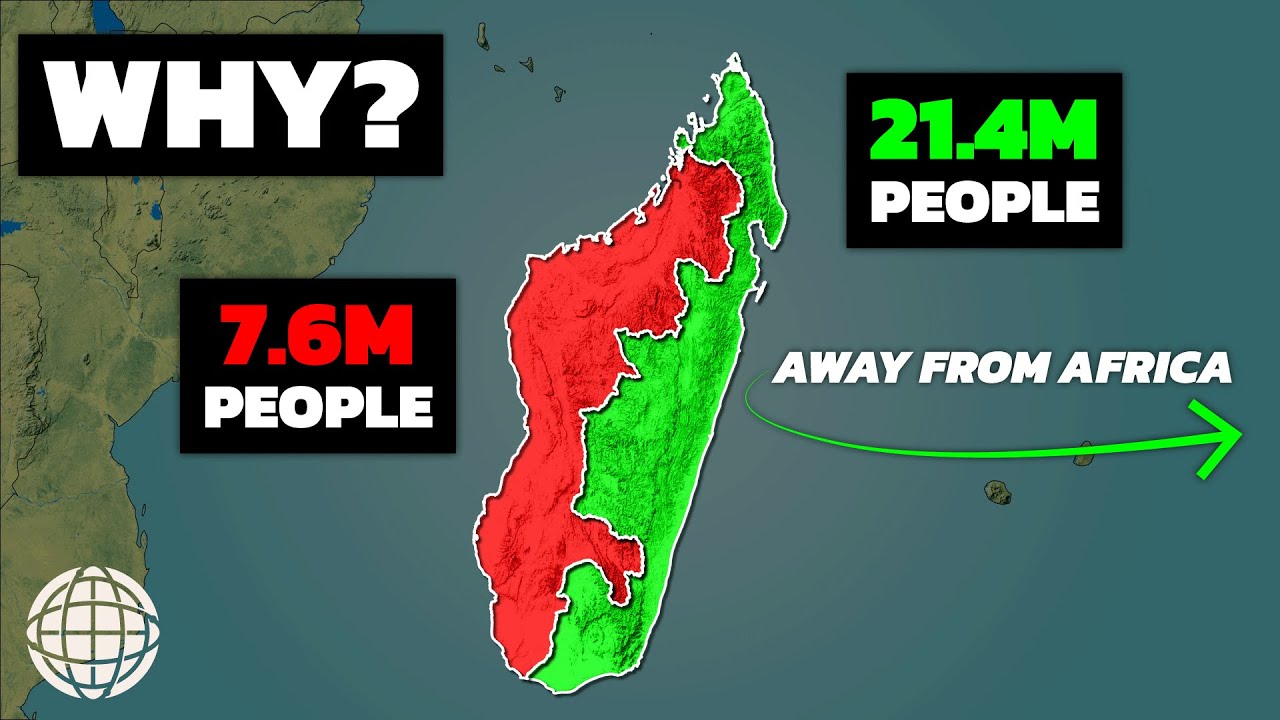
Terror a campaign of repression that led to thousands of deaths mistu fled to Zimbabwe after being overthrown and was later convicted of genocide in absentia Rana Alona the first was the queen of Madagascar from 1828 to 1861 known for her isolationist and brutal policies her Reign saw the persecution of Christians and the defense of Madagascar's sovereignty against European colonization ranavalona rule left a controversial Legacy of resistance and cruelty Omar al-Bashir was the president of Sudan from 1989 to 2019 his rule was marked by severe human rights abuses including the darer genocide Al Basher was ousted
in a coup and faces charges of genocide and war crimes by the international criminal court suharto was the president of Indonesia from 1967 to 1998 his new order regime was characterized by economic growth but also by corruption nepotism and human rights abuses suaro resigned amid economic crisis and mass protests ppot was the leader of the K Rouge and ruled Cambodia from 1975 to 1979 his regime aimed to create a classless agrarian society resulting in the deaths of an estimated 1.7 million people through executions forced labor and starvation ppot rule is one of the most notorious
genocides of the 20th century Napoleon bonapart was a French military leader who became emperor of the French in 1804 he is famous for his military conquests across Europe and the Napoleonic Code which influenced many legal systems worldwide Napoleon's defeat at watero in 1815 and Ed his rule Hideki Tojo was the Prime Minister of Japan during much of World War II he was a key figure in Japan's military expansion and wartime atrocities after Japan's defeat Tojo was tried and executed for war crimes Adolf Hitler was the fearer of Nazi Germany from 1934 to 1945 he initiated
World War II and orchestrated the Holocaust leading to the deaths of 6 million Jews and millions of others hit 's regime ended with his suicide and Germany's defeat in 1945 Joseph Stalin was the leader of the Soviet Union from the mid 1920s until his death in 1953 his rule was marked by widespread purges forced collectivization and the great Terror causing millions of deaths Stalin's policies and Leadership left a profound impact on Soviet and world history maong was the founding leader of the People's Republic of China ruling from 19 1949 until his death in 1976 his
policies including the Great Leap Forward and the cultural revolution led to widespread famine and cultural destruction Mau remains a controversial figure revered and criticized for his role in Chinese history