germany is the most successful nation in european football and by some metrics the most successful in the world in the men's game germany have reached a record eight fifa world cup finals winning four of them and a record six uefa european championship finals winning three of those as well germany have never failed to qualify for the fifa world cup their only missed finals coming in 1930 when they didn't enter and in 1950 when both they and japan were effectively banned from competing in the aftermath of world war ii it is that level of sustained success
that led to gary lineker famously stating that football is a simple game 22 men chaseable for 90 minutes and at the end the germans win in the club game as well german football has enjoyed enormous success with german sides having reached 18 european cup or champions league finals emerging victorious from eight of those clashes and germany also holds the record jointly with italy for having the most ballon d'or winning players with five it is not at all bad going for a country which prior to world war ii was actually regarded as a bit of a
black sheep among the central european nations when it came to football firmly in the shadow of their much smaller neighbours austria and their vunder team prior to the angelus and which following world war ii was split up into british american french and soviet occupation zones plus the french protectorate of zarland and would remain divided for the next 45 years from 1949 onwards germany was divided into two officially independent nations the federal republic of germany better known then as west germany and the german democratic republic better known as east germany berlin ii as the nation's capital
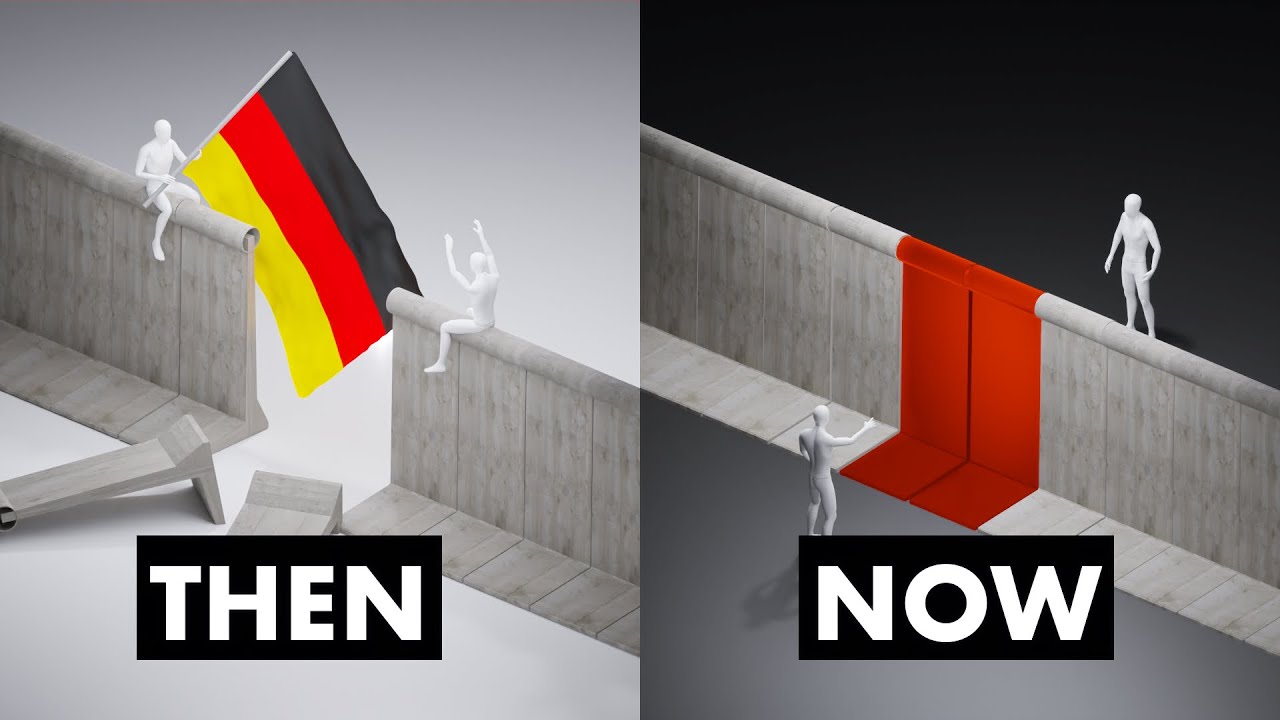
and largest city was also divided into east and west zones later enforced by the berlin wall which was built in 1961 and wouldn't fall until 1989. though east and west germany were officially independent the east was allied strongly with the soviet union and the west with the united states as germany became a key battleground within the cold war reunification in 1990 after these german states joined the federal republic was a messy and complicated affair in which football was just one challenging aspect for all of germany's success in football both pre and post reunification that success
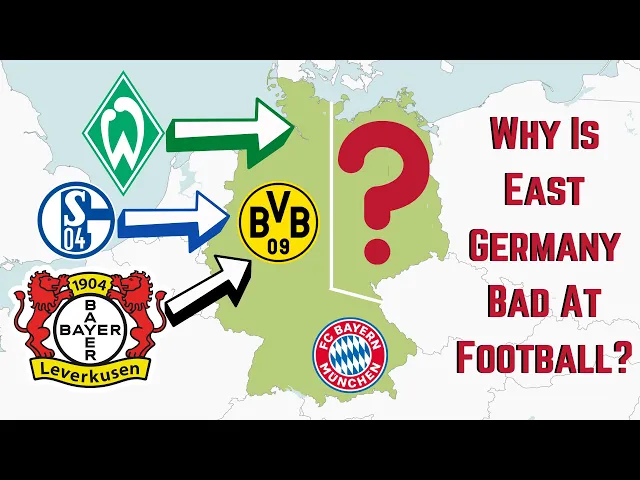
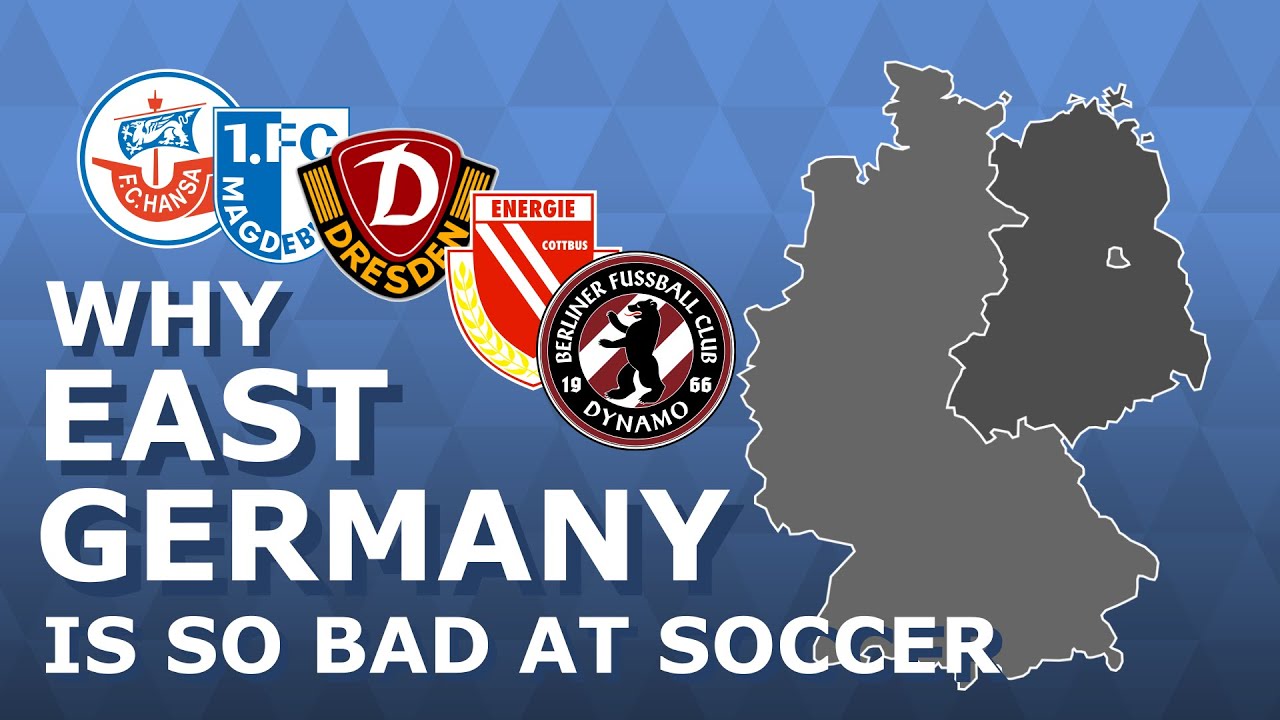
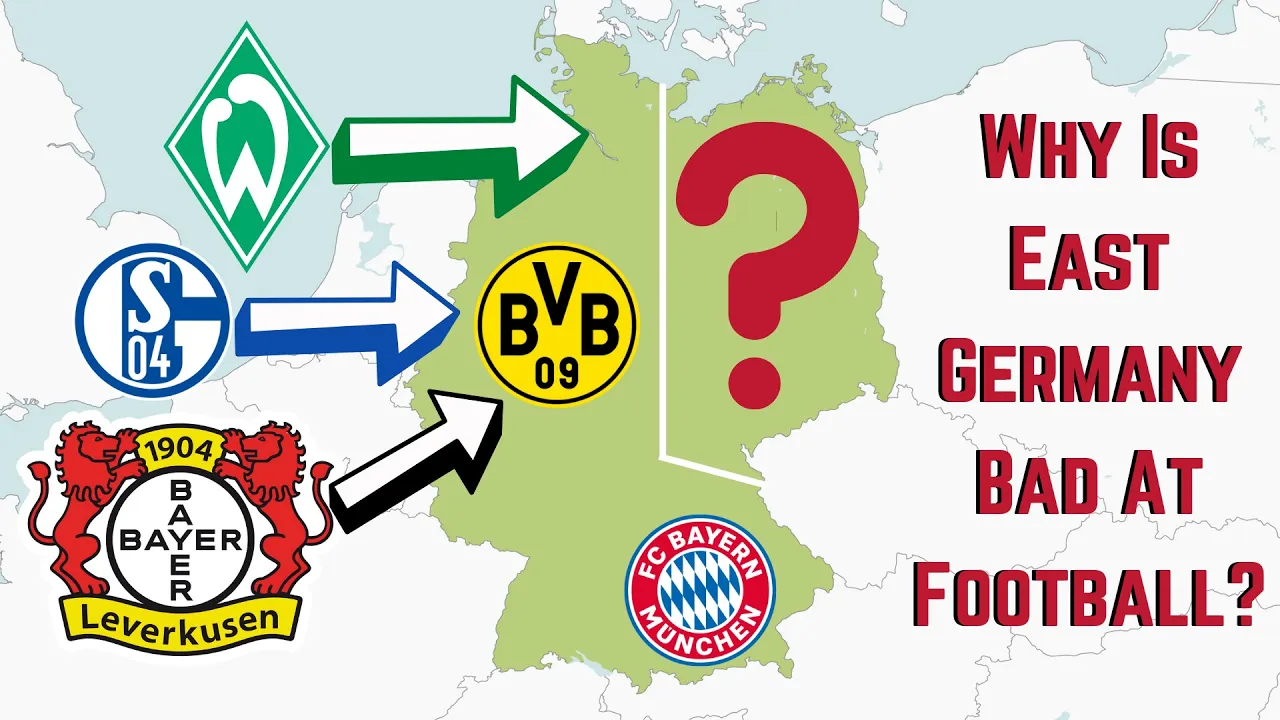
has been extremely one-sided in the more than 30 years now since reunification not a single east german football club has won the bundesliga title out of the 14 teams who competed in the east german top flight in the season before a unification not one of them even competes in the top flight of german football now even when germany won the world cup in 2014 there were more players in their squad who were born in poland than there were who were born in the former east germany but what is the reason for this extraordinary regional divide
why has east german football struggled so much since reunification and are there any suggestions that the tide is finally starting to turn the first point that must be addressed just factually when comparing the former regions of western east germany is that the west was much larger than the east since west germany before becoming independent was a tri-zone made up of the combined zones previously occupied by the british the americans and the french meanwhile east germany was just made up of the former soviet zone the fact that west germany had almost four times as many inhabitants
as east germany should come as little surprise today roughly 16 million people live in the area that was once east germany compared to 67 million people in what was once west germany clearly then that is a sizable difference and it would at least partly explain why if it were the case west germany produced four times as many german internationals won four times as many bundesliga titles and had four times as many bundesliga teams as the former east except the discrepancy between the two regions is far greater than that illustrating that land mass and population alone
does not explain why east german football has been left by the wayside since reunification the first hammer blow to east german football came during the reunification process itself i said during the introduction that reunification was far from a smooth transition and football was no exception when you append an entire economic political and indeed societal system some pretty significant healing problems are inevitable since it was the east german states joining the existing federal republic of germany rather than two countries merging to form a new one the gdr had to be assimilated into the existing structures in
west germany at the time when it came to football that meant the bundesliga the second bundesliga and the federal republic's footballing pyramid whilst germany was divided the two countries had their own entirely separate league systems east germany covering a smaller landmass than the west actually founded its own nationwide league 14 years earlier than the federal republic the east german ddr oberliga was founded in 1948 with the inaugural season being the 1949 50 campaign meanwhile the bundesliga was only founded in 1962 and had its first season in 1963-64 as with everything else in german life the
two leagues didn't merge as equals but rather it was up to the dfb and the bundesliga how they would integrate the east german sides into the west german and now reunified german football league system in the last season before reunification there were 18 teams in the bundesliga and 14 teams in the ddr oberliga which had actually for one season only been renamed the nofv oberliga clearly not every top flight team from east germany could go straight into the bundesliga that would mean a 32 team league far too many teams but the decision to allow just
two east german sides into the bundesliga six into the second bundesliga and the remaining six having to go straight from being top flight teams in east german football down to the third tier of a reunified german football league pyramid did seem particularly harsh especially since not a single west german side would lose their bundesliga status that meant that there would be 20 teams in the bundesliga in the 1991-92 season rather than 18 and instead of two teams getting automatically relegated as had been the case up to that point and a third getting put into a
relegation play-off the four bottom ranked teams would be automatically relegated in the 1991-92 campaign meanwhile the second bundesliga in an even more complicated reconfiguration went from being a single nationwide league made up of 20 teams in the 1990-91 season to a league of 24 teams which was split into a north and south league or the second bundesliga nord and sud to give them their official names i suppose it was important when splitting the league up to divide it by north and south rather than into east and west you know just for diplomatic reasons if nothing
else each team in each league would then play each other twice before the two leagues were themselves then split in half forming a championship and relegation group the champions of each of the two championship groups would win promotion to the bundesliga meanwhile the bottom two in the two relegation groups would be relegated and the third from bottom team would go into a relegation playoff i know super straightforward right let's not even get into the leagues below that there was an immediate sense however primarily within the former east germany of course that the east german clubs
had got a raw deal sure west germany was four times the size of east germany in terms of its population but there would be ten times as many west german clubs as there would be east german clubs in the bundesliga what's more since which east german sides went into the bundesliga the second bundesliga and the regional oberligas was based upon their finish in the final east german league season it meant that dinamo berlin who were the most successful east german football club and had won 10 of the last 13 ddr oberliga titles prior to reunification
went straight into the third set of german football as a result of finishing 11th in the final east german league campaign and then as runners-up in their second bundesliga qualification playoff during the period in which germany was divided the government in the west had taken far more interest in football than politicians in the east as far as the socialist unity party of germany was concerned which was the founding and ruling party of the gdr from its foundation through to its disillusion in 1989 sport was a means to gain legitimacy and prestige the west most likely
viewed things through a very similar prism but as the gdr was only ever formally recognized by the soviet union fellow eastern bloc countries and yugoslavia it had to work harder than the west to gain that international standing east and west germany ceased to compete as a united team of germany at the olympic games from 1968 onwards and following that split the gdr saw the olympics and gaining olympic medals as the best means within the world of sport to that end so from 1968 onwards that is where they focused a lot of their energy and resources
rather than in football it was extraordinarily successful in terms of bolstering their medal count as east germany won more medals than west germany in every summer olympics they ever competed in refusing to participate in 1984 when the games were held in los angeles at the 1976 olympics in montreal canada east germany won twice as many medals as west germany and four times as many golds finishing ahead of even the united states and second only to their allies the soviet union four years later they enjoyed their best ever games finishing second again with 126 medals and
47 golds albeit the united states and west germany boycotted that summer's olympics as it was held in moscow to give you some idea of just how successful east germany were at the olympics a country of just 16 to 17 million people we will not forget the unified and then reunified german olympic teams have never won as many medals at the olympics as east germany did on their own in both 1976 and in 1980 for all of their success in athletics swimming and rowing though these germans had missed a trick in overlooking the value of football
in 1954 west germany won the world cup shocking the world in the miracle of bern when they overcame hungary's golden team leading to a massive spike in popularity and enthusiasm for the sport it was a huge pr win for the federal republic much to the ire of the gdr especially since many in the east cheered them on east germany had refused to even enter the 1954 world cup following a mass uprising among striking workers in 1953 which the government blamed upon the west given how recently germany had been unified it is little wonder that east
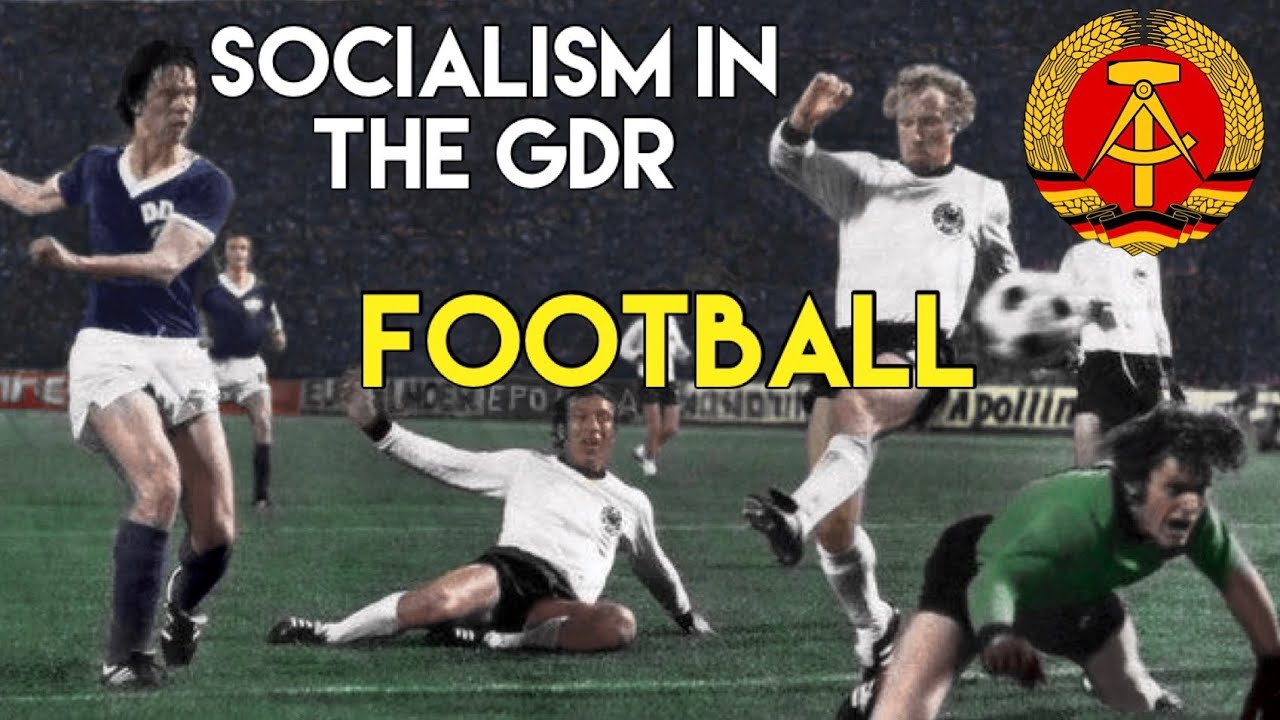
germans felt an affinity towards west german stars like max morlock and fritz walter especially since the west german national team still just called themselves germany in the 10 fifa world cup finals in which germany was divided west germany only failed to reach the semi-finals twice they reached six finals and they won three of them east germany meanwhile only qualified for a solitary world cup in 1974 which was not only hosted by west germany but the two teams just so happened to be drawn in the same group in front of over 60 000 spectators in hamburg
east germany recorded their most famous victory beating their neighbours one note atop the group in the only occasion in which they ever met nonetheless east germany were still eliminated in the second group stage whilst west germany went on to win the tournament despite the lack of government funding for football in east germany the sport still flourished throughout the period in which germany was divided and east germany continued to produce some outstanding players throughout the 1970s and 80s whenever east and west german teams met in european competitions they tended to be tightly fought contests in the
first round of the 1973-74 european cup bayern munich drew dinamo dresden in the first european tie between teams from the divided nations the game was billed as being the match to decide the true german champions since bayern were the west german champions and dinamow the east german champions at the time this was the greatest buy munich team of all time spearheaded by ged muller and with the indomitable franz beckenbauer sweeping up at the back they would win the first of three consecutive european cups that season beating atletico madrid four nil in a final replay yet
they still found the stasi affiliated dinamar dresden to be extremely tricky opponents a 4-3 win in munich was followed by a thrill drawing dresden at a game in which more than 300 000 west germans had applied for tickets that is how games between teams from the two countries tended to turn out with the east germans putting on a valiant display and often leading early on before falling to a narrow defeat when reunification finally came east german clubs were extremely excited about being presented with the prospect of eating up their gap on their west german rivals
now they would have access to the same wealth as them through television rights advertising and being able to do business with the rest of europe unfortunately what actually happened was that before even hanzo rostock and dinamo dresden had been able to tap into the wealth that came with being a bundesliga team never mind every other east german side they had their best players poached by teams from the west some left before the final east german season had even commenced andreas tome who was east germany star man at the time left bfc dynamo to join bayer
leverkusen in 1990 his strike partner in the east german national team ulf kirsten left dinamo dresden to be reunited with him at leverkusen and future ballon d'or winner matthias sammer who went on to play for both inter milan and borussia dortmund also left dresden to join stuttgart that same year in short the west german clubs ramshackled the east german clubs before they had even had a chance to adjust every business in east germany was state-owned and since every football club in east germany was owned by a state-owned business or government organization every club was state
owned as well and the players were paid by the state they were well paid ddr overleaguer players made on average about four times the salary of the average worker within the ddr but bundesliga sides were still able to blow them out of the water as soon as east germany was opened up for both football and business in general it was a harsh illustration of what the so-called free market actually entailed whilst most people in the west tend to have quite a romantic view of the fall of communism and the dissolution of states like the soviet
union and east germany having watched from afar the reality for the people who actually bore witness to these transition periods is often a lot less romantic in russia and in many of the former soviet states the 1990s was a humanitarian disaster estate industries were sold off to businessmen who were well connected to politicians and became billionaires sometimes quite literally overnight this is how oligarchs were created gangsterism ran rife and poverty hunger and homelessness all exploded the situation wasn't quite as bleak in east germany as it was in russia during the 1990s but it was still
extremely desperate for an awful lot of people this german economy was devastated following reunification and still hasn't fully recovered polling conducted in 2008 found that only 39 of east germans felt that their life had improved as a result of reunification and east germans are still less likely to hold leadership positions less likely to work in management and earn on average more than 10 percent less than their west german counterparts east germany almost immediately entered into a deep recession following reunification experiencing a massive spike in unemployment meanwhile west germany enjoyed a mini boom as a result
of an increase in demand at the time of reunification east germany accounted for just eight percent of germany's total gdp and whilst many west german businessmen and women began buying up businesses and real estate in the east they were less interested in football clubs investing in a football club was still seen very much as a passion project at the time rather than an investment that was likely to earn you any kind of a return so the rich tended to only invest in their own clubs what's more clubs like bfc dynamo and dinamo dresden who were
the two most successful east german clubs whilst the gdr existed were effectively owned and operated by the stasi east germany secret police that meant that they tended to hoover up a lot of the best players often by rather controversial means and it also made them intensely disliked without the support of the stasi and in desperate need of investment both teams entered into a state of crisis deena maldresden who did actually manage to survive in the bundesliga for their first four seasons meanwhile hanzaro stock were relegated in the reunified bundesliga's debut campaign were eventually not just
relegated but had such large debts that they were denied entry into the second bundesliga and were forced to drop all the way down to the region oligar the club's president rolf jurgen otto was later jailed for having embezzled around 3 million deutsche marks out of the club such stories were not at all uncommon even for the honest brokers and committed chairman and presidents who genuinely wanted the best for their clubs of which they're all too few they were wholly and equipped to go into battle against the seasoned football operators of established west german sides as
i said all football clubs in the gdr were owned by the state it can't really be overstated just how radical a change it was for these clubs overnight to go from having no sponsors no commercial deals and no real competition for players to being thrust straight into the cutthroat business of western football and all of its inner machinations with agents chief executives and all the rest of it it is little wonder therefore that they made mistakes and a lot of them wasted massive amounts of money and weren't the savviest of operators in 1995 when dina
maldresden were relegated hanzo rostock won promotion ensuring that there would be at least one former east german team competing in the bundesliga hanza continued to fly the flag for the east joined at times by herter berlin and energy cop bus until they were relegated in 2005. they returned in 2007 but were relegated again in 2008 and are yet to return since then in the 2010-11 season following hertor berlin's relegation as well for the first time there wasn't a single east german football club in the bundesliga a phenomenon that was repeated in the 2012-13 season nowadays
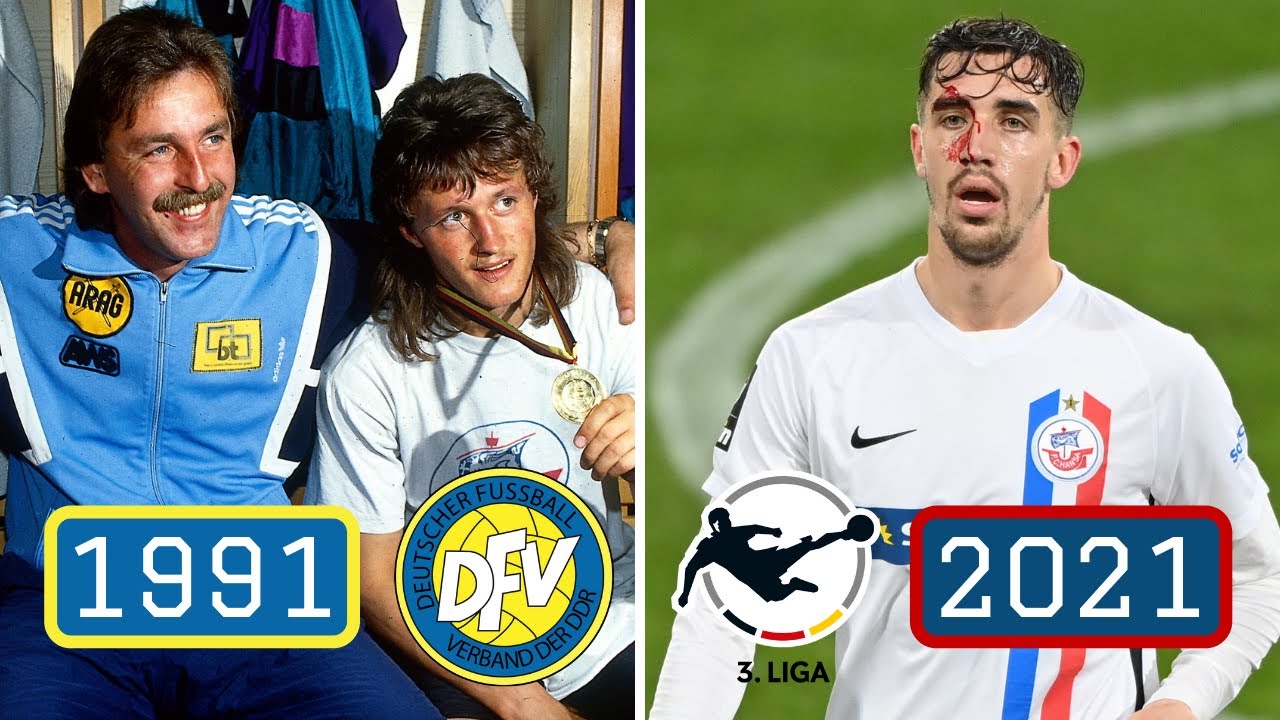
dinamo dresden and bfc dinamo the two stars backed and most successful football clubs in the former gdr compete in the third and fourth tiers of german football respectively of the 14 football clubs who competed in the last east german oberliga none currently compete in the bundesliga only two are in the second bundesliga some play as far down as the seventh tier of german football and a couple no longer even exist it is a catastrophic legacy of failure caused by a cacophony of errors it is not just on economic issues that germany is in some respects
and indeed like so many countries still a nation divided on a whole range of issues there are still significant cultural differences between east and west germans with polling in 2020 finding that while 91 percent of western germans think that democracy is the best suited form of government only 78 of eastern germans feel the same way when polled in 2008 as i mentioned earlier on only 39 of east germans said they felt that they had benefited from reunification and one in four said that they felt their life is worse now than it was in the gdr
more recently in 2020 a massive four out of every 10 east germans said that they felt as though they were still treated as being second-class citizens in a reunified germany over 30 years since the fall of the berlin wall unsurprisingly then east and west germans have very different voting patterns whilst the greens have enjoyed a big upsurge in support in the west in recent years where they poll at 26 they can only manage amiga 12 in the east more east germans vote for the left which is the furthest left-wing party in the bundestag and is
considered to be the direct descendant of the socialist unity party of germany which was the ruling party of the gdr than vote for the greens they poll at 13 in the east compared to just four percent in west germany the most striking difference perhaps is when it comes to the far-right alternative for germany party or the afd only founded in 2013 at around the same time as the pan-european anti-islam movement pagida which was founded in dresden the afd has sought to channel east germans legitimate grievances around economic issues and a feeling that they have been
left behind into anti-immigrant sentiments in east germany now the afd is the second largest political force commanding 21 of the votes compared to just seven percent in the west much of east germany's far-right and even neo-nazi movements have attached themselves to the region's football clubs chemnitzer fc for example who finished fifth in the last gdr oberliga campaign and now competes in the region align or dost as step four of the german football pyramid have had a supporters group named hunara since the 1990s which literally stands for hooligans nazis racists somewhat ironically given its links with
the far right now the city of chemnitz was named karl marx dad during the east german era and chemnitzer fc were called fc karl marxtad chemnitz was the scene of a series of right-wing and white supremacist rallies and protests during 2008 where explicitly neo-nazi political parties like the npd were present and in 2019 the club was at the center of rather a large controversy after they held a minute's silence for thomas haller who founded the hooligans nazis racist supporters group whilst displaying an image of him on their big screen club captain daniel thrawn who was
rb leipzig's all-time top scorer until being overtaken by timo verna was later sacked by the club for openly displaying his sympathy for neo-nazi groups chemnitzer may be a particularly notable example but they are by no means unique clubs in cottbus berlin rostock and dresden have also had distinct far-right factions among their support in the post-reunification era meanwhile hooliganism fell significantly as clubs made a concerted effort to become more family friendly in west germany throughout the 1990s make no mistake not all east german football fans are racists or thugs it is a tiny tiny percentage in
truth but they are loud sometimes violent and deeply toxic to their club's reputations and intentions to progress it's an interesting time in which to be making this video since it is impossible to ignore the fact that the times they are changing within east german football though there are still only three german clubs playing in the bundesliga one of them tops the league table at the time of this recording and another has qualified for europe for six successive seasons reaching the champions league semi-finals in 2020 i am referring in the latter case of course to rb
leipzig who are undoubtedly east german football's greatest hope when it comes to long-term success at the very highest level of german and european football they are also the most hated club in german football though and in the east just as much if not more so than they are in the west owned by dietrich mike schitz and his red bull group leipzig are viewed as being at a front to germany's footballing culture and traditions a plastic club propped up by the sale of energy drinks and existing only to sell even more of them their rapid rise
up the divisions is viewed as less of a fairy tale and more of a horror movie typifying all that is wrong with a modern game though are the leipzig are based in the former east germany as far as many are concerned they are not a truly east german club they obviously didn't exist prior to reunification and there is a sense in which they could be based anywhere even on the moon and success would still have followed so long as they were back sufficiently by red bull it is a different story entirely when it comes to
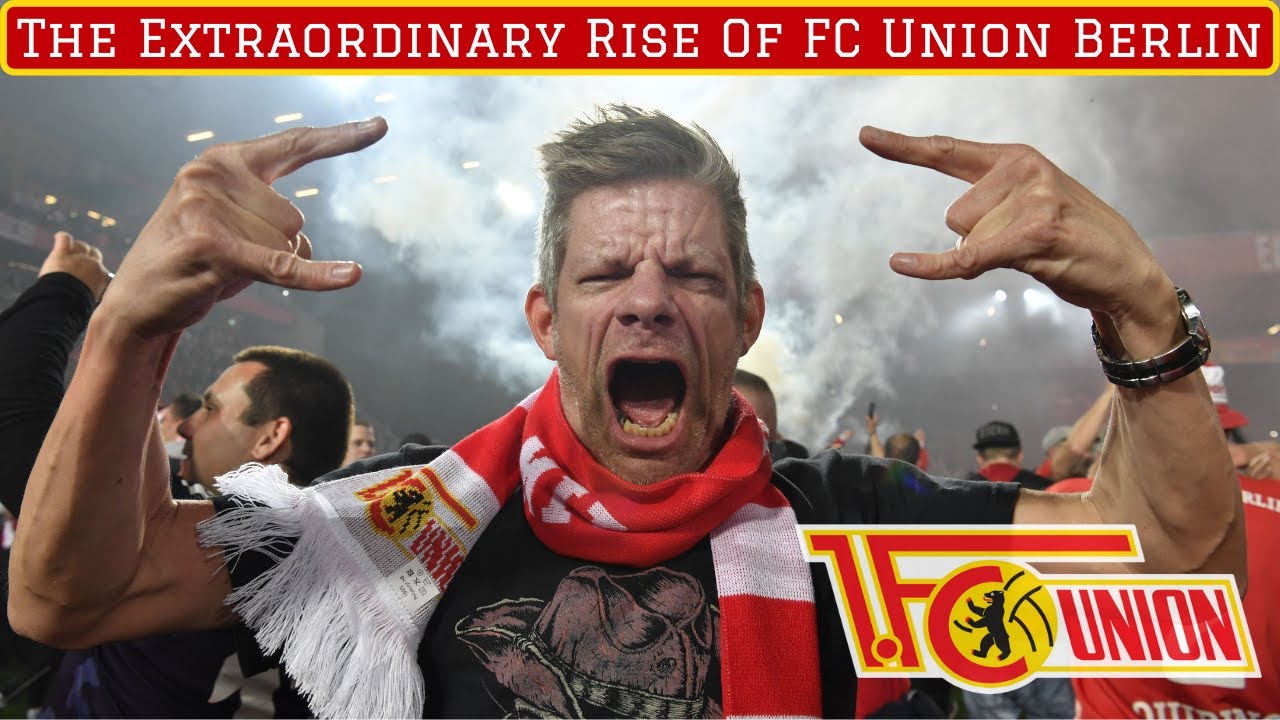
the current bundesliga leaders union berlin whose odds of remaining at the top of the bundesliga table long term might be slim and verging upon non-existent but who could hardly be a more east german club in terms of their spirit viewed as the primary opposition to bfc dynamo and the stasi during the gdr union have had some rough times since reunification with their supporters famously donating blood to keep the club going quite literally as well as rebuilding their home ground with their own bare hands completely free of charge i can think of few finer examples of
a community club and i have made an entire documentary about union should any of you be interested as they are a truly wonderfully run club who keep getting better despite losing their best players in union there is hope an illustration that despite all of east germany's difficulties of which we have already established there are still many east german clubs don't have to be the sick men of german football that is it for today's video a long one i know but hopefully you enjoyed it and if it has put you in the mood for more hitc
7's epics about east german football i will leave links to that union berlin documentary on screen in this end screen and to an even lengthier documentary that i made about the struggles of her to berlin which explores the subject of football in berlin more broadly in a lot more depth i have also made a video taking a look at every east german club from the last top flight gdr oberliga campaign which you might enjoy but i can only leave two links on screen so you'll have to dig that one out for yourselves it is entitled
final east german first league teams where are they now thank you all very much as ever for watching hit the like button if you did enjoy today's video let me know your thoughts down below in the comments and feel free to subscribe and turn on notifications for hit sevens you can also find me on twitter or on instagram via the username at hrtc7s on both should you wish to do so