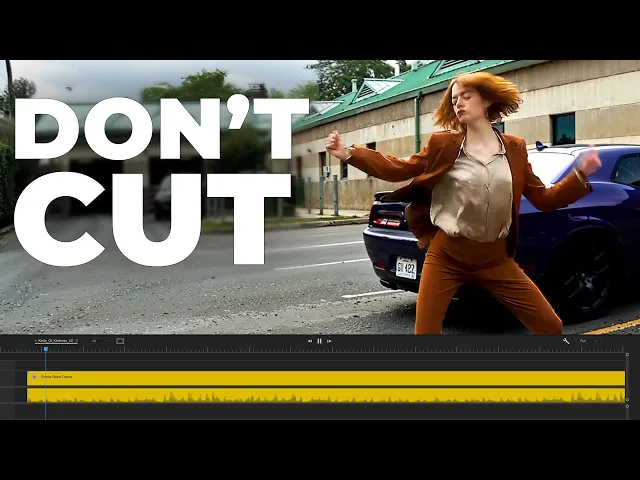
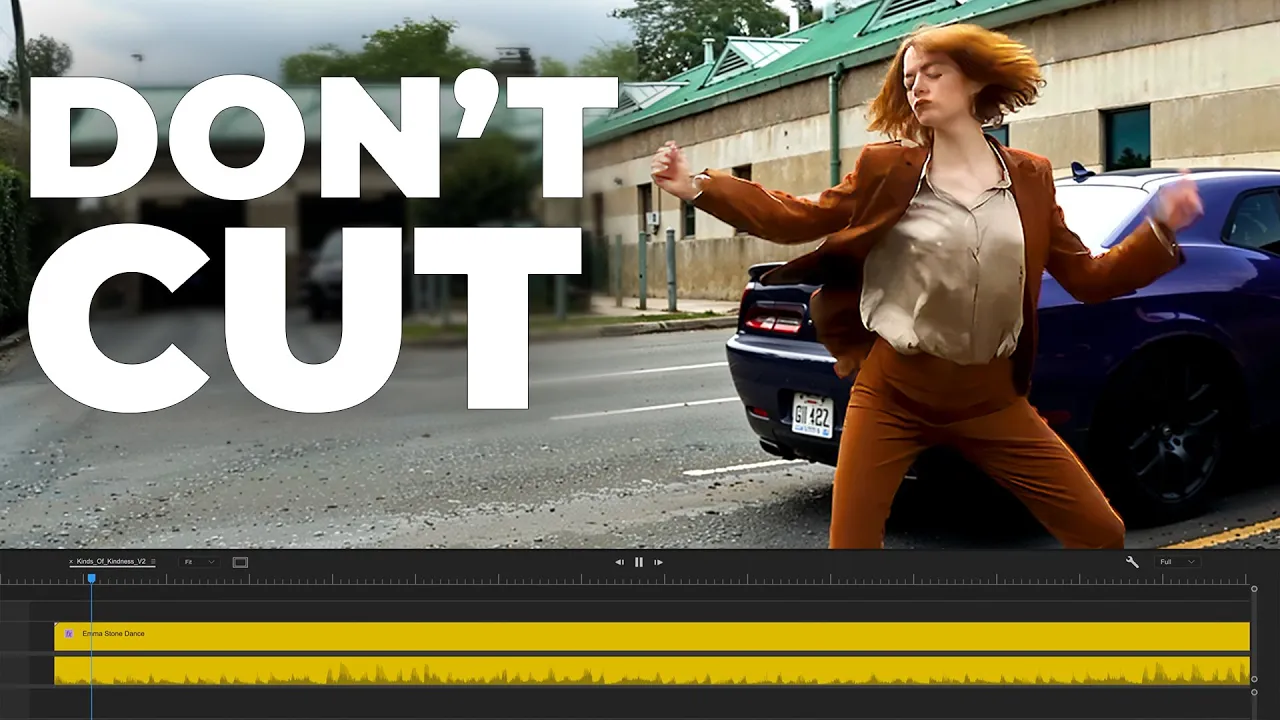
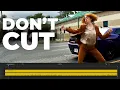
so it's a little interesting that the secret to this Oscar nominated editor's work is actually not cutting and letting shots like this play out cuz if you cut the load it doesn't make sense it's the non edit situation and let the code of the scene be transmitted no you don't need to cut to talk about this Advanced edit discipline we're bringing back the longtime editor of acclaimed director yogos lampos who made M pieces like the lobster the favorite poor things and most recently kinds of kindness in this in-depth masterclass interview we explore how to use
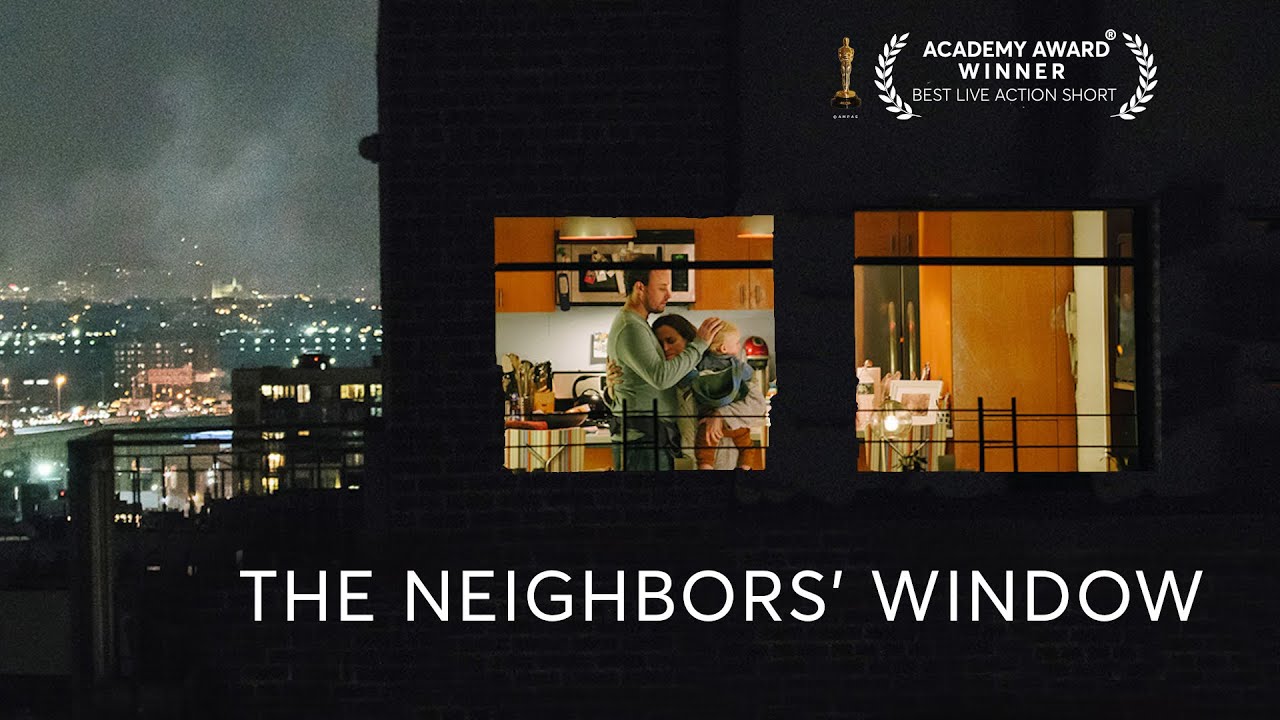
time as an editing narrative tool how to hold on a shot that we don't want to see yet make us beg for it and how yuros uses music like a metronome giving him license to let music determine a movie's cuts and his actor's performances this is editing podcast brought to you by movie if you're new here please subscribe hi oh hi my darling Sophie why is it so important to be holding on to this shot it's definitely an iconic shot right it's the sort where something ordinary happens the frame is perfect the bright situation in
her kitchen and he being dark and ENT from the right he presents a threat right you don't need to intercut the sord for the dialogue and see him saying hi he has to be a threat oh hi my darling I just went to the store I got some wonderful tomatoes and some beef tenderloin I ran into Tammy and Kate Tammy said they're really missing you at work I'm hungry so you did have other options but you chose that this is the one to hold on to the most the code has to be very clear it's
the non edit situation and let the the code of the scene be transmitted no you don't need to cut well it's it's the classic less is more the editor Jake Roberts who edited Civil War in the next alien movie he feels like some Ed are paid by the cut so it's I very much agree on that yes CU if you cut a loot it doesn't make sense it doesn't contain the code of the S as the Director reminds it for you to Ed it in a proper manner without destroying the situation somehow and also just
like him coming in to that framing what is quite an ordinary shot suddenly turning into something quite horrific quite quickly so much story is told just with that one shot and you simply not cut letting the shot speak for itself I'm hungry and then the music informs okay what is going to eat now with the beef Fila I just bought there some spaghetti there some salmon in the freezer is it fish or meat you want me so you see here is where the rhythm is is it fish or meat you want clap shut in the
door me wonderful down oh wait sweetheart I want you to chop one of your fingers off cook it with cauliflower and bring it to me to eat or your thumb maybe whatever you think is best that's what I want can you do that for me just just a small movement of him going forward before we cut to this situation so the edit is very simple this short his medium short and then her medium short just three shorts but it's Simple and Clean it's effective that's what I want can you do that for me the the
music informs that okay this is the end of this scene she heard that now we go into her situation what would she do about it so using time of the music to also help you to make those cuts but it is such big skips in time I believe we had to be ahead of the view at these moments that's why we made the cuts a bit fast take by surprise the audience and not build the Lots on that decision and go faster to the making of the choice and cutting your finger [Music] ah I start
to winse away for this yeah because it does create a moment of tension here and then on this said that we spent a lot of time and and actually that was when Emily came to Athens to watch the card she suggested that we stay longer because we had a Ninja Cut between her face cut on her finger again her face and the end of the finger but then she suggested to use a closeup to say the whole thing and you know maybe present the the cut later as a matter of fact she was absolutely right
when we did this cut we were both amazed because you see that happen or you imagine it happening on your face but yeah staying on is so much more impactful and then when you don't expect it actually it comes like you know I don't even want to pause on it I can't I can't look at it I I'm getting squirmish just looking at this even just thinking about it h I was at the screening in in in Athens a week ago one person uh collapsed and had to open the you know the lights it's true
after the finger he was very upset and he just lost Consciousness and my the situation walked a lot on a visual level well I feel bad because it means that the scene worked that you made someone faint it does laughing at that though then of course the music continues same Rhythm but different cords more aggressive and more grave making the idea come more to our mind somehow okay she did it and what is going to happen next but then it continues cuz she cooks a finger we come to this place for magic we come to
movie to laugh to cry to care because we need that all of us mie is the streaming service to watch The Works of iconic directors and emerging altars from all around the world if you're watching this episode you're probably a fan of yogos lampos and you can watch his absurdest short film nimic now exclusively on movie so I've recently been diving into the work of today's greatest Alters like Luca guano's short film The Staggering girl and park Cham work's latest Masterwork the Romantic friller decision to leave it's films like that that inspired me so yes
heartbreak feels good in a place like this in movie you can try movie free for 30 days at movie.com editing podcast for a whole month of great Cinema for free one of the actual most interesting things that I got out of watching that film was using time as an interesting uh narrative tool the way I liked to describing it is you had like four to five different scenes all chronologically they're all like completely separately but it looks like we were using time in a way to have all of those scenes kind of weave between each
other what I'm asking is like what was your relationship with using time as a narrative to in this movie well time is that's a very interesting subject on its own because we're always in time right and the film it's always in the present time right what you see it's happening right there but then you have to try to expand it somehow and you know like concentric circles going around and come back to the same theme so so it's the themes that repeatedly come into the movie coming back to them it expands your vision of time
somehow and it makes your experience is more let's say deeper in a sense so all these feelings of time filmmakers do take advantage of them to immerse the viewer in the timeline of the film they took the racket what did you say Raymond came in during the night while we were sleeping and took the rack that's so strange who could have taken a racket this is a typical desert plon look he has all these things inside him he just wants to erupt but then he controls it and says all his lines in a very controlled
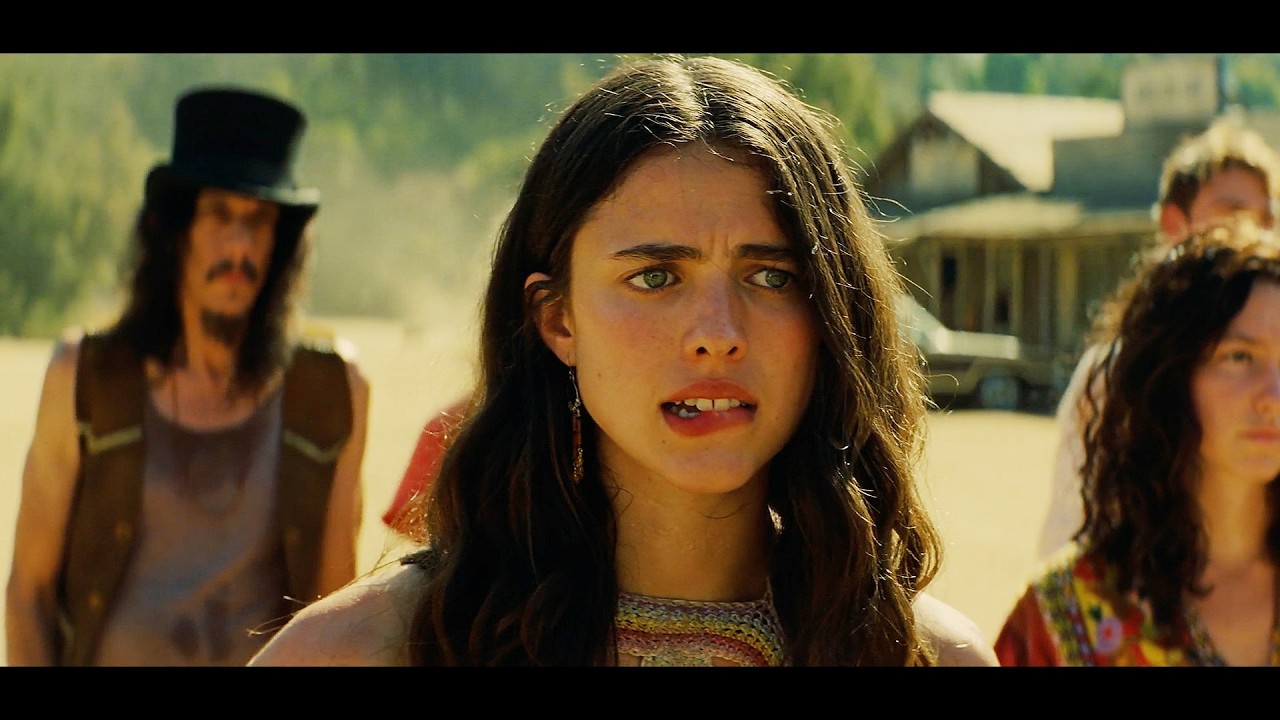
manner I can assume you could trust you had such a great performance every single take and you're like I I don't know what I don't know what take to choose all of this is amazing how are you able to be supporting J J's performances when you have a being like Jess PL there are certain characteristics that are very peculiar to him he is not to the performance as pres but to his being which is not a performance to me it's like being there being that person in that situation without pretending I am that person that's
the truth that I'm looking for the difference between a performance and being yes that's a very fascinating way of like what you're looking for that's so strange who could have taken a racket the alarm didn't go off I'm calling the police Raymond knows the code darling it was important for this or not to be intercut with the actress say in her lines we had to stay on his face the alarm didn't go off to take all this tension and I'm calling the police Raymond knows the code darling then it starts to be precise he picked
the code out himself you didn't know that we don't even cut to her we cut directly to his narration is not discussion about two people it's about what he has inside of him and how he will express it what explains also their relation and his uh control in him 1962 the year he was born and there's more the two of us are together because that's what he decided that night in chal he picked you out for me he saw you sitting there on your own and he told me to go over and flirt with you
I liked you a lot too don't get me wrong but he made me do it he suggested I make it seem like an accident told me to pretend I had hurt my hand to get us talking the notes and the flowers I sent you he wrote those he picked out this house these stools he picked out this Rob Robert you need to be heading to the office I'm not done yet when black and white comes it expresses first of all all this power situation when we see Raymond for the first time and then how Robert
behaves towards Raymond how subordinate it is for him how he makes fun of the situation how he orders him to do things there one last thing I never told you this before and it's it's terrible what I'm about to tell you I know that but you need to hear it the reason we never managed to have a child all these years is not because you couldn't it's because it's because Raymond was secretly paying doctors to mess things up those weren't miscarriages here they were abortions as soon as we cut to the close-up of that I
instantly knew the implication what why was it so important for you for the audiences to make that connection first and we're not doing it in her perspective they have to know somehow this situation or suspect that there's something that he put in Her Dream because if you go a bit further you will see her reaction the reason we never managed to have a child all these years is not because you couldn't see this cut between the past and the present like she hears him now although that's not true but we make this connection and then
you know it TS to the graveness of the situation when she cries so that doesn't come from her reaction in the present when she hear about it but it is created through these three images these different SS and the way they cut they put the situation in the viewer's mind her crying is not only about believing that she had an abortion her cry or her tears is about here in the in the now realizing this is what happened to me so this is even more of uh using time as that narrative tool where like essentially
all of these timelines are having a conversation with each other that's quite powerful I like that a lot all right I bet you $20 actually you know what $50 that you're a filmmaker and yes content creators and editors are filmmakers too and the reason why I bring this up is because I have been talking to my friends at music bed and they've brought back their film making competition the music bed challenge it's a 30-day short film competition where you can make a narrative short a documentary short or a spec commercial and you can get in
the running to win prizes industry recognition but most importantly bragging rights so that piece of content or that short film we've been wanting to make well you don't have that excuse anymore this is when you make it and I will be part of the judging panel and music bed will even give you access to their entire selection of music to use in your submission seriously their entire library is fantastic some of the best work I've ever made as been because of Music B I'm really grateful for them and actually it's really cool I think that
music is actually really fantastic because you can do some really really cool amazing cinematics off it's definitely worth it so get the camera rolling and the timeline flowing that Line's terrible yeah the deadline to submit is August 15th use the link in the description to get the music bed starter kit thanks for listening let's get back to the conversation I make it seem like an accident told me to pretend I had hurt my hand to get us talking the notes and the flowers I sent you he wrote those he picked out this house these stools
he picked out and also I like this uh Justa position between her being happy taking the flower in the black and white and being very upset in the present time it's a nice Contex because they they're facing each other not on the same direction so it creates a nice graphic situation I it's like a cross the absolute contrasting aggressive change in Emotion now he pointed it out that's one of those details that you feel but I didn't notice until you pointed it out that's very powerful I love it of course I don't expect a viewer
to understand all Le consciously when he watches it but I know that when he watches he will go through an experience this is the aim but that's the power of the editing we have all of these creative intents and these creative uh choices that we can explain and you can like tell me and things like that and it's exciting but I didn't notice any of these details like I only noticed it now that you're pointing it out but I felt it and that's the one of the biggest things that we try to do as editors
we know for a fact that our intent is never going to be explicitly said but we need to make sure that the audiences feel the emotion that we're trying to create and it is a lot of it is just compounding in just all of these small creative choices that compound into that type of expression and that type of feeling in the same way do you have a PO thing is like you had a lot of the rhythm of the piano you had the rhythm of the monologue 1962 the year he was born and there's more
and so you able to use all of that to then essentially then build the sequence together like tell me having all of that in Your Arsenal how were you able to then create that Rhythm we have to start botom up I edited the scene without putting the black and white pictures to find the best performances to know what I needed from Jesse or from his from his wife and then at certain moments I started adding the black and white material and when that was somehow constructed in a way or of course longer then the music
could make that even better in a sense so give it the proper Rhythm and the prop the proper poses as well for us to understand what happening it was a very difficult scene in a sense but very rewarding in a sense the amount of editors I've seen come in find the music track first and then edit to the music you're like no make sure the story is there first the one thing that you said that I really wanted to touch more on of like how everything is connected and how you were able to have all
of these elements of the movie be connecting with each other even though it's like three different stories like how can they all be talking to each other what is something that you're doing 20 minutes into the film that might be informing something like an hour later yeah that comes from J verto idea of motifs like some things are repeated when you hear them second time your knowledge or your feeling about them is informed by what you've seen before so your understanding of that Motif grows bigger like for example we had this punctuation of the piano
it's like a metronome I liked you a lot too don't get me wrong but he made me do it that same thing is happening with the finger because in the first situation Robert could create abortion situation for his wife for the love of Raymond the same situation in a sense is when she is willing to cut her fingers to prove her love to him although it is the same motive it is expanded in the second situation and it's expanded more in the third situation when you know one of the sisters jumps into the pool so
she wants to prove that his sister is that so she's willing to sacrifice your life again so all these motifs in the end make you connect these stories not in a descriptive way not in an explicit way but somehow you know to make the connections yourself and to find uh your own way through them and I hope it will give you the ability to put your own thoughts or feelings about it that's what I like about his films questioning and putting the audience and putting the view the situation to respond somehow that's fantastic details wow
you this was a great conversation yeah again you helped me learn a lot definitely keep do imple implementing this in the work that I'm doing so you thank you so much again for your time thank you so much thank you so much for calling me and I'm sure you'll have your time to be a as it's in a great film in the future I'm sure of that I really hope so thank you so much for that it's really encouraging thank you so much