the world is on fire even before a global pandemic there were murmurings of world crises and growing dissatisfaction in how our planet's natural resources are wheeled and dealed and the inequality that stems from it we decided it was high time we took a look at the big the bad and the ugly challenges we are currently facing because we know that eloxers don't shy away from the tough stuff welcome to alux. com the place where future billionaires come to get inspired if you're not subscribed yet you're missing out so here's a brief summary of 10 of the biggest challenges the world is facing number one the wage gap women and people of color have gotten the short end of the stick for well forever a great way of demonstrating this is the wage gap this shows the difference in earnings between women and people of color compared to men and white people doing the exact same job the u. s census bureau data from 2018 revealed that women of all races earned just 82 cents of every dollar a male earned in the same job so the gender wage gap is 18 cents however that's not where it ends that was the average asian women earned 90 cents per dollar while hispanic or latina women earned just 54 cents on the dollar can you imagine doing the same job and knowing that the white male next to you is earning double the truth is the wage gap affects all of us until this gets sorted out we won't be attracting the best person for the job number two sustainable development and climate change there's no question about it development is here to stay since the dawn of the industrial revolution no one has been under the dissolution that we would all revert to pre-modern living and run off and live in caves as hunter-gatherers what you see is what you get but because we got here without much of a road map more like an impoverished approach similar to playing a game of jenga move things around and just hope for the best how we got here has left much damage and destruction and a lot of instability for our planet's balance through habitat destruction and use of fossil fuels now future generations are left with the challenges of whether they can undo the damage or find a way to live within an ecosystem that is no longer sustainable number three health crisis management the spread of covet 19 cast a light on our preparedness or rather lack of preparedness to face a global health crisis it showed how fragmented the scientific community is and how dangerous bad reporting can be now the world faces the next challenge of producing and rolling out a vaccine and how we will learn from this pandemic to prepare for the next one number four water scarcity in 2019 the world economic forum listed water scarcity as one of the largest global risks in terms of potential impact over the next decade so what is water scarcity it's the lack of fresh water resources to meet the standard water demand what causes water scarcity is any number of things like droughts lack of rainfall or pollution of water sources you're probably asking but there is water right actually only 0.
014 of all water on earth is accessible and fresh then there's 97 that is salty and less than 3 remaining that is fresh but difficult to access this makes water the new oil in terms of resource mining and the one with water will hold the chips number five food waste and food security to keep up with population growth we have to increase global food production by 60 percent in the next 30 years however 30 or more of the food we produce today is wasted this can be at the production stage but also at retail and consumer levels where food is thrown away the problem isn't only world hunger it's a more vicious cycle than that food waste has a steep environmental price the effect of dumping all that waste makes a big impact on climate change just processing wasted food in landfills adds 3. 3 billion tons of carbon dioxide to the atmosphere this climate change makes it harder to produce more food and makes food harder to secure in more vulnerable and developing countries global food wastage costs about 2. 6 trillion us dollars per year that includes 700 billion dollars for environmental costs and 900 billion dollars on social costs number six unemployment the organization for economic cooperation and development or oecd has put the global unemployment rate at 7.
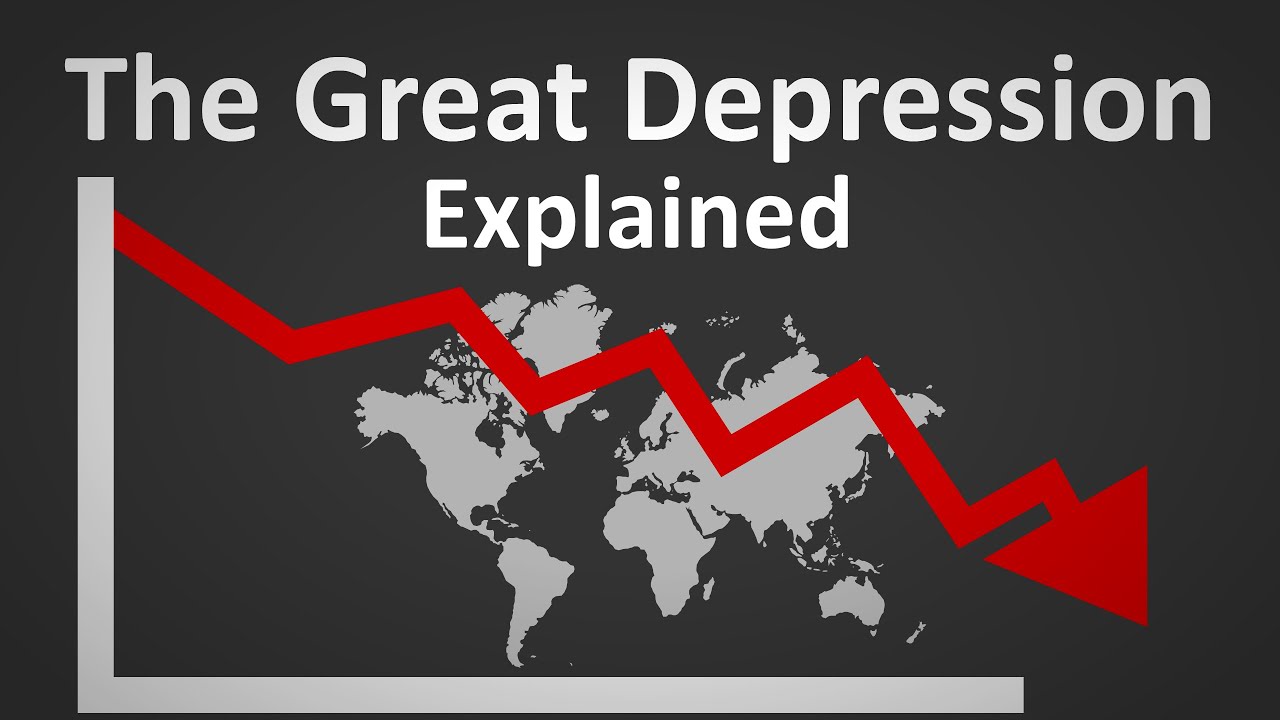
7 percent in july of 2020 which is a slight improvement from 8 globally in june of 2020. since the covet pandemic has set the world into shut down and slowed the economy unemployment rates have risen steadily as the world goes into a global financial depression however there are strong regional differences in europe unemployment averages sit around 7. 5 percent while japan is around 2.
8 percent the u. s and canada were reporting employment as high as 10. 5 percent but luckily they've seen a fall in temporary layoffs which is pushing the unemployment rate down to 10.
2 percent in canada and 8. 4 percent in the u. s since mid-year 2020.
the more notable differences in unemployment are between the developed and developing nations south africa for example has an unemployment rate of 28 but official data hasn't been released of the effect of covid on job losses estimated to be 2.