hey my dear data friends it's Nicola from data Mozart today in this video I will show you all the ins and outs of the parket and Delta file format which let's be honest became a de facto standard today for storing the data so stay [Music] tuned so what's the deal with par and Delta formats with amounts of data growing exponential in recent time one of the biggest challenges became finding the most optimal way to store various data flavors unlike in the not so far past uh when relational databases were considered the only way to go
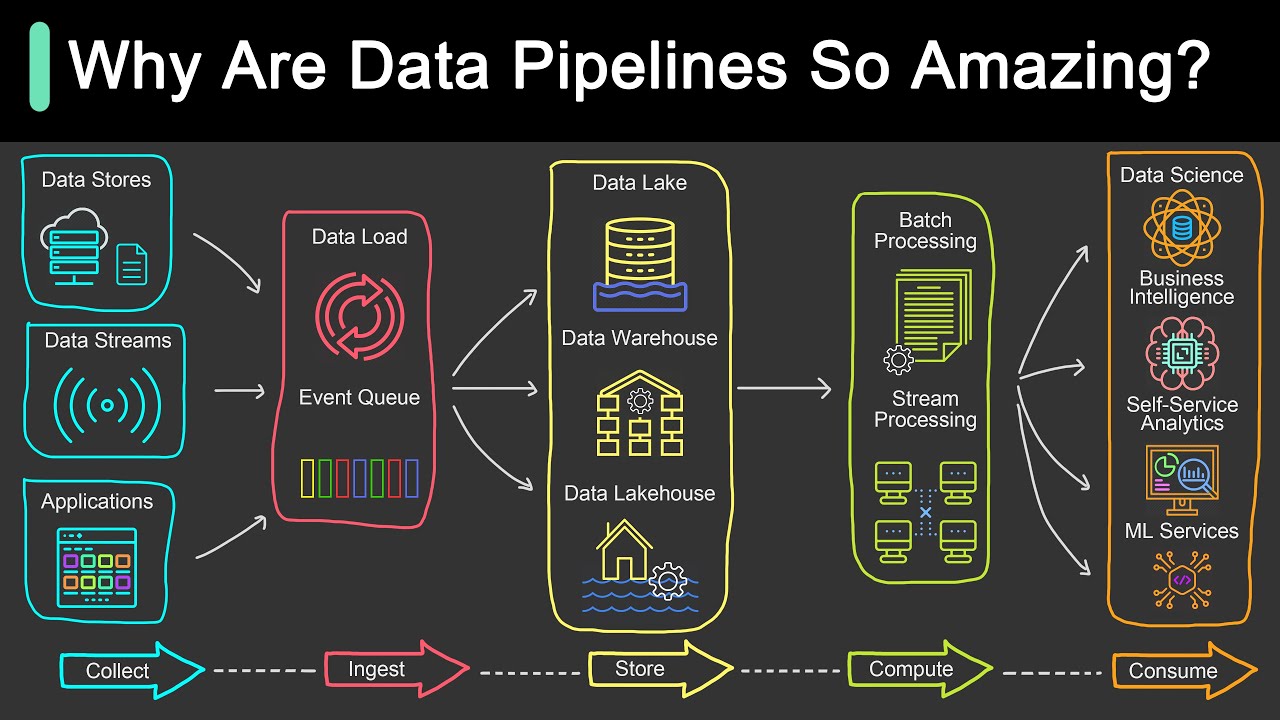
organizations now want to perform analysis over raw data think of social media sentiment analysis audio video files and so on which usually couldn't be stored in traditional relational way uh or storing them in traditional way would require significant effort in in time which increased the overall time for analysis another challenge was to somehow stick with a traditional approach to have data stored in a structured way but without the necessity of uh designing complex and timec consuming ETL uh operations ETL workloads to move this data into the Enterprise data warehouse additionally what it half of data
Professionals in your organization are proficient with let's say python which is typical for data scientists and data engineers and the other half like data analysts with SQL put you insist that pythonistas Versa or would you prefer a storage option that can play to the strength of your entire uh data team I have good news for you something like this already exists since 2013 and it's called Apachi par before I show you ins and outs of the parket file format there are at least five main reasons why par is considered a de facto standard for storing
data nowadays data compression by applying various encoding and compression algorithms parquet file provides reduced memory consumption Coler storage this is of Paramount importance in analytic workloads their fast data read operation is the key requirement but more on that later in this video language agnostic as already mentioned previously developers may use different programming languages to manipulate the data in the parquet file open source format meaning you are not locked with a specific wendor and finally support for complex data types we've already mentioned that parquet is a column based storage format however to understand the benefits of
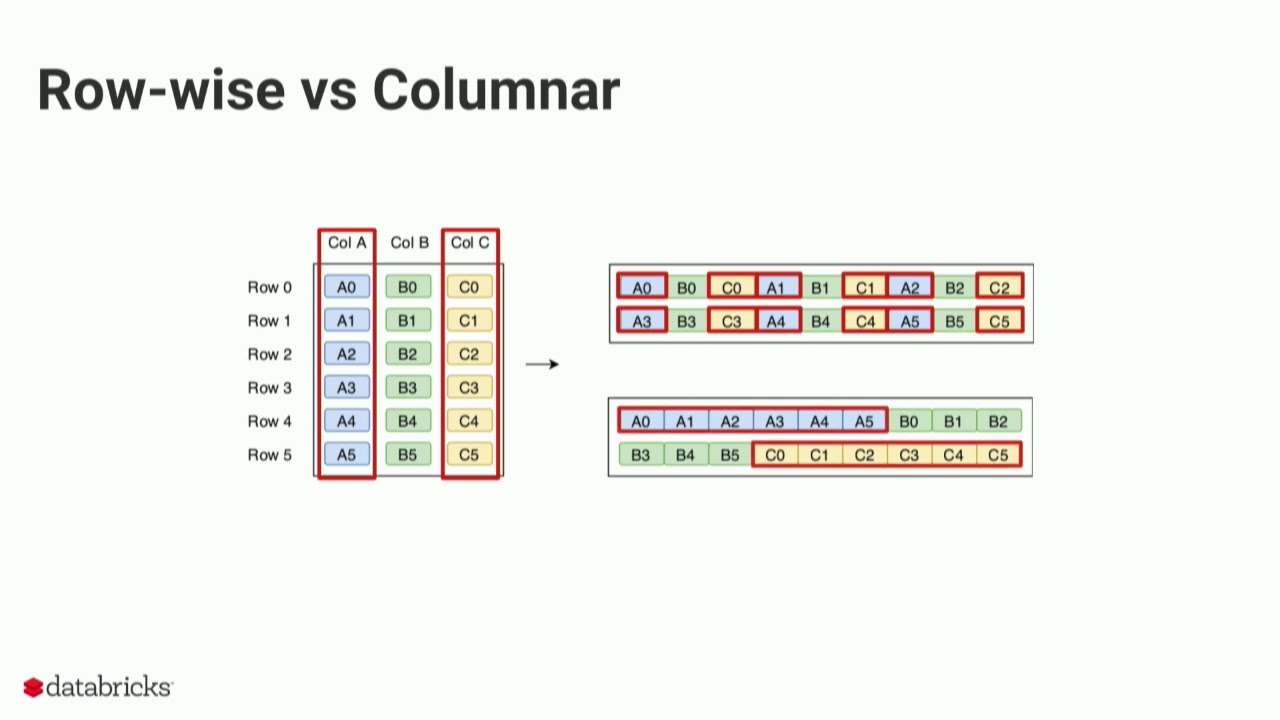
using the parquet file format we first need to draw the line between the row based and column based V of storing the data in traditional row based storage the data is stored as a sequence of rows something like this you may screen on your screen now now when we are talking about analytical scenarios some of the common questions that your users may ask are how many balls did we sell how many user from the USA bought t-shirt what is the total amount spent by customer Maria Adams how many sales did we have on January 2nd
to be able ble to answer any of these questions the engine must scan each and every Row from the beginning to the very end so to answer the question how many users from the USA both t-shirt the engine has to do something like this essentially we just need the information from two columns product for t-shirts and Country for the USA but the engine will scan all five columns this is not the most efficient solution I think think we can agree on that let's now examine how the column store works as you may assume the approach
is quite different in this case each column is a separate entity meaning each column is physically separated from other columns going back to our previous business question the engine can now scan only those columns that are needed by the query which are product and country while skipping scanning the unnecessary columns and in most cases this should improve the performance of the analytical queries okay that's nice but the column store existed before parquet and it still exists outside of parket as well so what is so special about the parket format parket is a columnar format that
stores the data in row groups wait what wasn't it enough complicated even before this don't worry it's much easier than it sounds let's go back to our previous example and depict how parquet will store the same chunk of data let's stop for a moment and explain the illustration you see as this is exactly the structure of the parquet file I've intentionally omitted some additional things but we will come soon to explain that as well columns are still stored as separate units but parquet introduces an additional structure called row group why is this additional structure so
important you'll need to wait for an answer for a bit in online analytical processing scenarios we are mainly concerned with two concepts projection and predicates projection refers to a select statement in SQL language which columns are needed by the query back to our previous example we need only the product and Country columns so the engine can skip scanning the remaining ones predicates refer to the ver clause in SQL language which rows satisfy criteria defined in the query in our case we are interested in t-shirts only so the engine can completely skip scanning row group two
where all the values in the product column equal socks let's quickly stop here as I want you to realize the difference between various types of storage in terms of the work that needs to be performed by the engine roll store the engine needs to scan all five columns and all six rows column store the engine needs to scan two columns and all six rows column store with row groups the engine needs to scan two columns and four rows obviously this is an oversimplified example with only six rows and five columns where you will definitely not
see any difference in performance between these three storage options however in real life when you're dealing with much larger amounts of data the difference becomes more evident now the fair question would be how parket knows which row group to skip or scan parquet file contains metadata this means every parquet file contains data about data information such as minimum and maximum values in the specific column within the certain row group furthermore every parquet file contains a footer which keeps the information about the format version schema information column metadata and so on I'll give you one performance
tip in order to optimize the performance and eliminate unnecessary data structures such as row groups and columns the engine first needs to get familiar with the data so it first reads the metadata it's not a slow operation but it still requires a certain amount of time therefore if you're quering the data from multiple small parquet files query performance can degrade because the engine will have to read metadata from each file so you should be better off merging multiple smaller files into one bigger file but still not too big I hear you I hear you Nicola
what is small and what is Big unfortunately there is no single golden number here but for example Microsoft Azure synapse analytics recommends that the individual parquet file should be at least a few hundred megabytes in size can it be better than this yes with data compression so we've EXP explained how skipping the scan of the unnecessary data structures May benefit your queries and increase the overall performance but it's not only about that remember when I told you at the very beginning that one of the main advantages of the parquet format is the reduced memory footprint
of the file this is achieved by applying various compression algorithms there are two main encoding types that enable parquet to compress the data and Achieve astonishing Savings in space dictionary encoding parquet creates a dictionary of the distinct values in the column and afterward replaces real values with index values from the dictionary going back to our example this process looks something like this and you might think why this overhead when product names are quite short right okay but now imagine that you stored a detailed description of the product such as long arm T-shirt with application on
the neck and and now imagine that you have this product sold million times yeah instead of having million times repeating value long arm blah blah parquet will store only the index value integer instead of text run length encoding with bid packing when your data contains many repeating values run length encoding or R abbreviated algorithm may bring additional memory savings can it be better than this yes with a Delta l L file format okay what the heck is now Delta Lake format to put it in plain English Delta lake is nothing else but the parquet format
on steroids when I say steroids the main one is the versioning of parquet files it also stores a transaction log to enable keeping the track of all changes applied to the parquet file this is also known as acid compliant transactions since it supports not only asset transactions but also time traveling like roll backs audit trails and so on and data manipulation language statements such as insert update and delete you won't be wrong if you think of the Delta Lake as a data warehouse on the data lake or data lake house to conclude parquet file format
is one of the most efficient storage options in the current data landscape since it provides multiple benefits both in terms of memory consumption by leveraging various compression algorithms items and fast query processing by enabling the engine to skip scanning unnecessary data That's all folks if you enjoy this video please click this like button down below of course if you want to stay tuned with the latest news from data powerbi Microsoft fabric uh world then consider subscribing to data mozer Channel see you soon [Music] again