Hello. Hello. I don't know if you guys can hear me. Probably a little bit of a lag, but if you could let me know in the chat if you can hear me, that would be bloody wonderful. Okay, let me just test that I can hear me. my line. I don't if you guys can hear me. Probably a little bit of a lag, but if you could let me know in the chat if you can Are we getting a delay? Sounds like we're having a weird kind of lag sound. Uh, can you guys verify that it
sounds weird or not? Let's go in here and just make sure that audio hijack is doing a good job. Hello. Hello. What about my sound preferences? Does it do I sound doubled? It's kind of hard to tell. Oh, yeah. There we go. That should be better. Okay, Cool. Okay, then. Right on. Okay. Thank you so much for joining me here today. This is probably going to be um maybe quite a long quite a long meet that we're going to do here today. Uh, but my my plan, let me just get everything up on the screen.
Also, how's my volume, guys? Sounding good. I can turn it up a little bit if it's uh too quiet. There we go. There we go. A bit louder. There we go. Very nice. Okay. Dope. So, um, I see some of you have even just said in the chat that you've been watching the commits. I have been furiously at work on GSD, which for those of you who do or do not know is this git repo. Um, and let's just whip up my screen again so I can see. There we go. Just trying to get everything
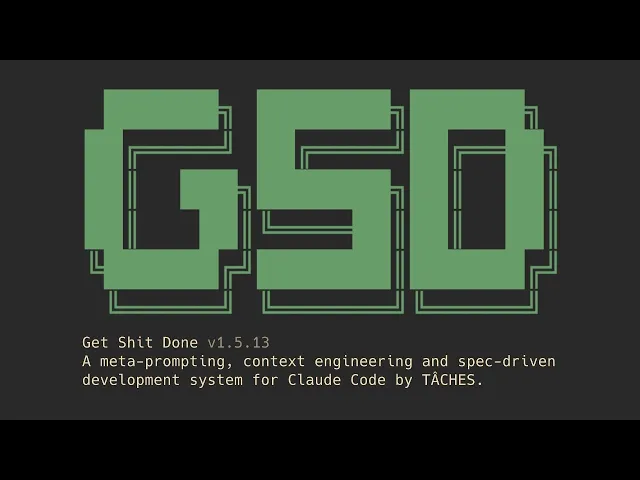
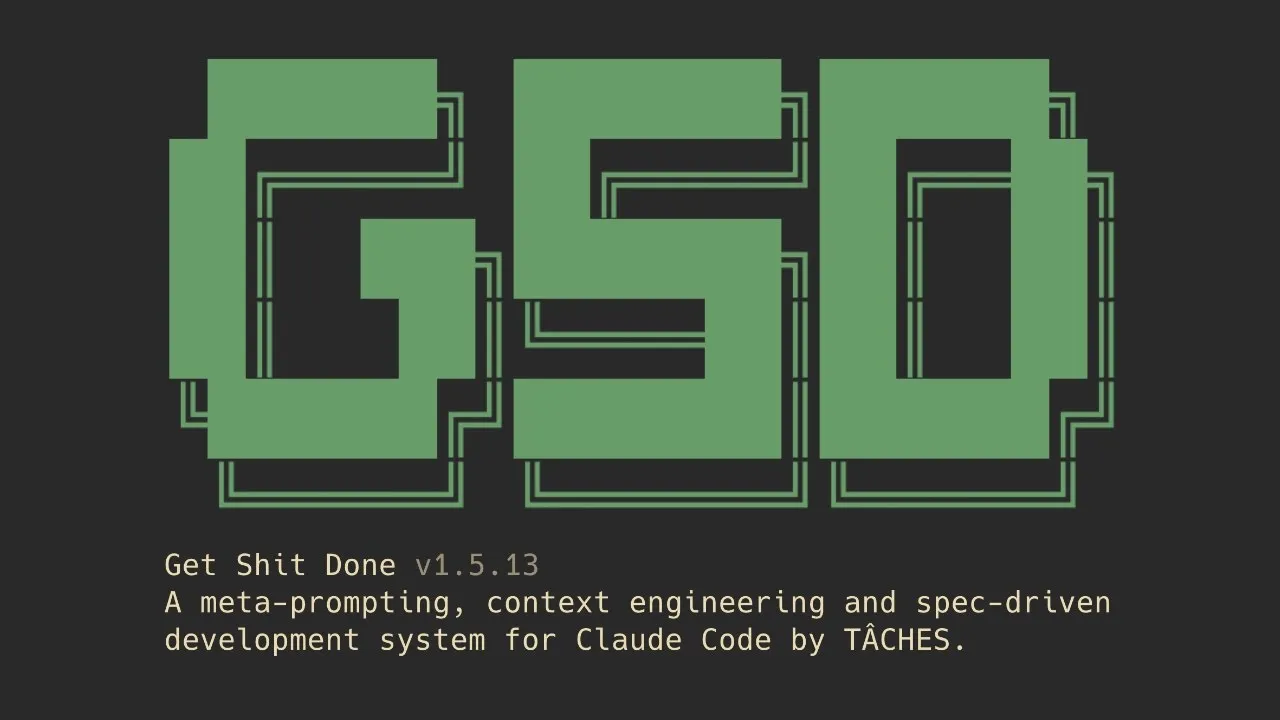
[ __ ] set up so I'm not losing my mind here. There we go. Hide that. There we go. Lovely. Go. So, GSD, what is it? Well, it is, as I've put here, a Lightweight and powerful metaprompting, context engineering, and specdriven development system for cla code by Tash. What a bunch of buzzwords. They're all very important because this system really has like I I mean this with a with a honest heart. This has like 100xed my ability to make cool [ __ ] with clawed code because it's just created this systematization. And as you can
see here, we solve context, bro. That's one of the most important things is that It's so easy when you're using something like clawed code to almost just keep going and going and going and you're like playing a bit of Russian roulette with like when you're going to hit the context window and then you scramble to try and make it remember what it needs to do and overall you know you may start strong on a project but then it all falls away and then you have to start again because effectively like it doesn't know the code
and neither do you And um I'm you know I'm not a coder I'm definitely a technical person, but I'm not a coder and I don't understand necessarily I don't understand how to write code at all. But what I do understand is how important it is that if I'm not going to be reading and writing the code to make sure that I'm creating systems or using systems that allow Claude to understand the code and to plan and think and verify as best as it can. So I see my job as less of a Coder and more
of a sort of highle project manager. And that's what led to this workflow. And you can see that we've had an absolutely monumental rise in um people using GSD over the last uh what is it? When did this really [ __ ] kick off? I guess about 10 days ago. We we've had a hell of a lot of people uh join in and having an absolute blast. And so for any of you guys who are not familiar with what this is, highly recommend giving it a go. And I'm going To show you how to install
it and get started. But any for any of you who have been using it, I urge you to make sure that you update at least once a day um because I'm adding so much functionality to it, tweaking the back end and making it really work. And I think that the latest version I've just shipped, which is what after 363 commits, um v1.5.13 is really something special. So, that being said, let's go over to warp. And I'm just going to show you for any of you guys who do not have uh GSD installed what you have
to do. You literally just type mpx get- [ __ ] hyphen CC. And you could just do that. I'm just going to put latest for now. And what it's going to do, it's going to bring up here and it's going to say where do you want to install it? First I'm going to say yes. And then it says where would you like to install it? Would you like to install it globally in your home Claude folder? I always do that because I don't you know I use it all the time. I literally use it for
everything. But if you did want to just scope it to the specific folder that you're in. In this case, I'm in developer YouTube GSD live demo. If I wanted to make it so it was only available in that folder, you can do that. I'm just going to do global for now. Boom. You can see that I'm updated. Um, okay. So, I'm going to jump into Claude in dangerously skip permissions Mode. And I want to show you a very simple new thing that I've just implemented because somebody posted a great issue about it, which I was
making all these commits, all these changes, and there wasn't really a way to keep up with what had changed. Um, and so people were, you know, somebody said like, "Yeah, I can look at the commit messages, but that's no fun. Nobody wants to do that." So, I've added in a new GSD what's new command. And if you Do this, um, this isn't going to show you anything if you're on the latest version. So, what you can do is run that and then you can see anything that is new in between your version and the newest
version. So, like right now, it's going to say that there's nothing there to see on the latest version. If you do want to see the full uh messages of what's changed, you can just follow the link here. You can see that I have been adding and changing and fixing a whole Bunch of stuff. Um but yeah, for any of you nerds who do want to just like read the change log, feel free to do such a thing. Anyway, I've made a few changes to um how GSD works, how you get started. like it's the the
entry port is still GSD new project, but what then happens from that um is what did you say that you've been telling Claude to do? Dan says he's been telling Claude to do something manually. What what is that mate? Um but yeah, so originally what we Did was we did GSD new project. It initialized a git repo if there wasn't already one. It then asked you what do you wanted to do and then you told it what you wanted to do and then it asked you some questions and I liked this. It was nice. But
I realized that, you know, I used this literally all day, every day, multiple times. And there were these like little snag points I kept hitting into where I like I I hated uh some of the questions or some of the Stages. And so like I I rethought how the questioning flow goes in new project because this in my mind is not really a time to get super clear on exactly what it is that you're building with what um with what specific tech stack and features. I don't want to even be asked okay well what's not
in v1 you know like what what is what's going to be scope creep. These kind of questions just pissed me off. And so I realized that what I wanted for new project was to Create this far more open-minded uh yeah what's out of scope is [ __ ] stupid question. Anyways, so you'll see that when we start to run this new project thing, it's it's a lot better. It's it's a lot more um useful. And then you're going to see after that for any of you guys who are familiar with the workflow usually you would
go from new project into create uh road map but we don't do that anymore. Next we actually Go after new project we do research project and you're going to see why this is helpful. And then we also then do define requirements. And I've added a few more stages here. You can of course still just jump to create road map. You can do that. You can see that the results that you get with some of these changes are absolutely nuts. Okay, so that being said, what are we going to build today? I have a nice little
idea here. I'm glad that you've been getting [ __ ] done, mate. So, I came up with a little briefer of an idea here that I think could be kind of fun. I've called it sample digger. And my idea is I want to create an AI sample generation tool for musicians who don't want to think about AI. effectively people who don't want to have figure out how to do like complex backend stuff or use replicate or any of that [ __ ] and they also don't want to use something like Udo or Suno because they
want to do it all on their Computer. Ideally, they want to be able to generate music on their computer. Not music mind samples. Generate cool things that you can use because I'm not I'm not about to say this is how you generate full music. I don't think that's the cool use of AI. But to generate lowfi jazzy piano loops, dope. I love that. And I would love even more if I could go and do that in the forest without having to have internet connection. So that's the point of this. Um I've gone through And I
just had a little thought of what are some of the things that I think are important here. Um so one of them is like I don't want any difficult setup for anybody in installing models. It should be easy. Your grandma should be able to download it and start creating dark techno kicks with reverb tails. Should be easy to generate queue up generations. Watch progress. Nice. Have a really nice library. That's another thing is that I'd love to have the Ability to generate AI samples like generate drum loops and be able to actually organize them not
on not on just some random folder but to have like a really nice UI like a little bit like a loop cloud uh or synonym that kind of thing. Also maybe smart libraries could be cool. I also key thing I want to be able to generate these sounds and then just drag them out directly into my DAW. I want it to feel like just a direct connection. I want high quality audio as Much as possible. And again, I want batch generate with the same prompt. So I want to say give me 10 of this prompt.
I want background generation. What I mean by that is I don't want the UI to freeze while I'm doing stuff. I've added this in here tentatively. It would be amazing if it could detect the BPM and key detection. I'm unsure how well that's going to work, particularly because we're not necessarily going to be generating things with drums all the Time. Uh prompt based auto tagging like drum if I put that in and preset prompts. Good. Um, I've already had a look at what things I'd like to use for this. I was playing around them with
them not in an app. So, I've gone ahead and decided I'd like to use music GPT, which is an open- source AI model uh that actually uses the music gen uh models from Meta. Um, but it's it's very good and it's also crossplatform. And we've also got here um We've also got here ffmpeg which is going to be helpful for um actually converting audio files. Nice. So what makes it different? Truly local invisible complexity and DAW first design target user blah blah blah blah blah. I've come in I've come up with just like a few
things. So you know when you actually start a project I'm going to go in here and say GSP new project. I find that it helps um to as much as possible not commit to the exact things That you want to do ahead of time. Like this is you don't need to come up with the plan. You don't need to come up with the road map, but it's helpful to come up with at least like a vision, you know, like something that you can imagine that you don't need to know how to do yet. You don't
necessarily even need to know what the tech stack will be or even, you know, what platform it will be for. But I do find that it helps instead of just doing new project and me Saying I want to make, you know, I think it really does help to come up with some sort of file like this. Now, you can either also just copy and paste this in here. Um, but you can also just reference the the file. So, if you ended up creating a file in there, you could do that. Uh, I'm actually just going
to copy and paste it in. [ __ ] it, why not? And that means that I can actually delete this because I don't want to have that in there. And we're just going to See. So, this is how it all kicks off, right? So once I've run GSD new project, it kicks off the whole flow. And you can see here that one of the first things it does um oh actually wait something horrible has happened. There we go. G Let's just actually quit this and start again. Uh just because I think that my keyboard is
doing this thing where it's adding a space and then it's not loading it. Okay. So I'm going to paste that in there. Great. So you now can see that the first thing it does is it loads up these files, all of these pieces of context. Now I'm going to whip up windsurf here as well because you can see that this is now got a git repo initialized. You can see that it did that because there was no git repo. Um oh maybe adding Ableton link. That's a really good idea. Okay. So we can see here
uh Greenfield project. It's decided that there's no existing code. Let's proceed. You've given me a Remarkably detailed brief. Thank you. This is one of the shut up that you've overseen. Um, let me probe a few edges. So, you're building the entire value prop on top of this specific open source project. Have you verified it's actively maintained? These aren't really the kind of questions that I want to answer. So, I'm just going to skip ahead. Just not even read it. I'm going to go down here. Um, oh, that's a great idea. How do I do That?
I honestly don't know how I do that. That's a really [ __ ] good idea. Um, so I'm actually just going to say now I would like uh for crossplatform from start now. [ __ ] it. We're just going to go for Mac only for now. Uh because I don't want to have to I don't want have to waste everybody's time here. Um I think Mac could be very nice. Okay. So have you tested music GBT locally and confirmed the output quality works for Your use case? Yes, sounds great. Let's just do what my homeboy
Dan is suggesting here. Status line. I want to see my context window size remaining. Okay. So for BPM and key detection, what's your quality bar? Let's go for best effort. Fine. Best effort on analysis. That lets us use a simpler detection and iterate if users demand better. Well, it's not really going to be users for me. Just now I'm going to go for Swift and Swift UI. I particularly like that. I've built a number of Mac apps now and I particularly like using Swift UI. Um, okay. I think I understand what you're after. Yeah. So,
I think it's probably okay. One thing that you'll note is if you run new project and you don't really give much clarity, if you just say, I want to build a website that sells people cars, you know, it's probably going to ask you quite a lot of questions. um because I've made it so That it does not give up until it feels as though it has enough clarity to like genuinely move on. Um so you can see that we actually got through this in pretty few questions. One, two, three, four, five, yeah, four questions. And
I think that is largely because of the fact that I gave it that big detailed plan at first. So you can see that what it's now done is it's created the project brief. It created the planning file and it's created the project brief. And in it, it has basically taken everything I've said here. Um, a native Mac OS desktop app that blah blah blah blah blah. Here are the requirements of the kind of things that would work. Here's what's out of scope. We don't need any of those things. Uh, context, constraints, key decisions. There are
the this decisions table is updated as we go along. But anyway, one of the key things is I never read these files. Like at this point, I do not read my project. I don't read the state. I don't read any of these files once I get started. Like literally the only thing I do is I do the things that it can't do on its own. I also, this is a a very small tweak, but a pretty great tweak. Um, how do you contact me for dev work? You can hit me up uh lex sequinsusic. Uh,
you can email me at lexsequins.mmusic. Yeah. Dope. So, this this used to be three questions. I feel like Dan, you're Going to have noticed this and been like, I'm so glad you changed this. These used to be three questions. Now it's in one gate, which is so ridiculous. So now we're in YOLO mode. We're going to go for maybe I'm going to go for comprehensive. I like to do that. And then parallel. This is one of the biggest changes that maybe some of you guys may not have actually encountered yet, which is that we now
have a far more robust parallelization system. And Of course, this doesn't just mean that plans can be executed in parallel, but it also means that the way that plans are planned takes massively into account plans being potentially parallelized. And this means that in we no longer run uh execute plan. Um yeah, just just hit me up, mate. Hit me up on email. Um yeah, so we no longer run execute plan because what we do now is execute phase. you're going to see it Literally it's way faster. It's way more efficient. Now, here is one of
the key things. You could um you could go straight into and I know it doesn't say it here. It's because I don't recommend it. You could go and create a road map. I don't think that's a good idea. Okay. So, what we're going to do is we're going to go straight into research project. Now, this is kind of weird. What is Whatever's going on here with the contacts window. Uh, let's actually just tell Claude that make it make it look better and use colors and symbols. Okay, fine. So, um, yeah, I think you'll actually find
that the the new planning approach has been massively overhauled and it yields much better plans. I I'm going to stop waffling on now. Um, so the first thing is it'd be really helpful to Actually research this ecosystem. So, as we can see, if we go in here, you can see that we don't now have the state or the road map. I'm going to go ahead clear my context and I'm going to do research project. Now this is a new approach which effectively says before I could even present to you a road map. I would need
to know what I don't know. And so it goes and it actually queries with multiple sub aents in parallel all of the unknowns, all of the things That it doesn't really get yet. So let's have a little look here. No existing research type. It's an AI powered um no I haven't this sounds very interesting but now all every single uh execution is in a in a fresh context itself so you'll see in a sec. Um so what swift libraries are standard for building Mac OS apps with subprocess management waveform visualization drag and drop to DAWs.
How are Mac Mac OS audio apps with CLI Subprocess backends typically structured? These are all things that I don't know honestly I have no idea no idea. So it's going to launch four sub aents to go and then do deep research. It's going to use uh context 7. It's going to use web search and it's going to go and formulate a bunch of research. What's the game? What are you building, man? As agent fork skills Of code ah let's have a look fork contact no set to fork to run skill in a forked sub aent
context with but is this this is for skills. None of none of the things in here are skills. They're all just command they're all just slash commands. Um unless of course I know that like skills and slash commands are now looking pretty similar in how they're laid out. Um yeah, email me mate and then I'll send You a link. Um, yeah, it's going to sound sick. I played around with uh music GPT and had some really great sounds. Um, but yeah, super nice. We can see right now that it's doing its research here. Bloody good.
Uh, it's doing that. I'm going to be right back. I have a bite of my burrito and I'm going to pee and I'll be right back. Okay, nice. It seems as though We are pretty much done with the research here. You can see that it has now, if we go into here, created the research folder with a suggested architecture, all of this kind of jazz. This isn't actually what it fixes on. It doesn't necessarily go straight into doing this, but it does provide uh some really good context um for then this next stage. So, you
can see here is the suggested stack for all of this all of this good stuff. Um, No, you can you can still update. I removed a couple of things, but you probably didn't use them anyway because they were likely just shitty broken things. I would go ahead and update. Um, so let's just go back here. You can see that the last thing it's doing is it's creating the summary file. Um, now there was a bit of a trade-off in my my thoughts for this this latest version that I've shipped, which is that I did like
before how fast it was to spin up a New project um, and just jump straight into it. But what I found is that while the results were good, there was often if I wasn't very careful, there was often things that were missing from implementation. either like certain things weren't actually wired up in the UI or certain things that like to me seemed damn obvious would be needed uh needing to exist in the thing that you're building. Um they were just missing. Um so what I've been Doing uh Oh, that's awesome to hear, man. Yeah. Was
it you that posted the the issue in the GitHub? Um dope. Okay. So, yeah, the contact the like the concept that I had was I was like, well, I would like to spend a little bit more time in the early phase sort of figuring out what it is that I want. And so, now that we've got all of this, you know, before we did new project, we jumped straight into road Map. The reason we do this research is because now we can work out exactly what's needed. And I'm going to go in here and do
define requirements. I'm actually just going to quit this and start it again to see if this uh status line looks a little better. Um, yeah, I mean, I guess so. Okay, so I'm just going to go ahead and run define requirements. And this is going to basically pull up all of the research that exists in our codebase. And here is The summary file. Uh, basically just summing up all of the good stuff that's necessary to understand like Swift UI and observable patterns, uh, JSON structures for this kind of app. All of this good stuff right
here that I don't I'm never going to read it. Um, but this this is really [ __ ] This command line thing. It looks terrible. Oh, wait. No, it doesn't. It looks terrible. Okay, so which setup and Dependencies feature? Okay, so I definitely think the first launch should handle Yeah, this is the key thing. Notice this. So, it actually questions you on what things have to be in this version. And you're going to see what's cool about it is then the things that you say need to be in it will then be created as requirements
that are then taken into account when you create the road map road map and thus planning. So for sure auto download music GPT zero Terminal conflict required setup wizard with progress. Yes, that's all great. Okay, so what else? What else needs to be in this V1 that we are building here today? which generations text prompt input generation Q um model size tradeoff uh let's do that now actually let's just say uh only use small model for V1 uh duration control that sounds good we can always add more model types that looks much nicer but I
don't think that's Right we definitely have way more context available than that okay so which additional generation features are in except in V1. Batch generation, background generation, uh variation generation. I don't know about that one. Let's skip skip that out of there. Cheers, H. Colner. Yeah, I don't think I did see the reply. I don't know how I how I see replies for issues that I've closed. Okay, so which library and Browsing? We definitely need all of that [ __ ] Smart folders. Um yeah, all favorites, recent BPM filters. Okay. Custom smart folders. We don't
need that. Generation history. Um, don't need that either. Oh, [ __ ] it. Why not? We'll throw it in. Okay. So, submit. I guess this is showing me how much I have left. Is it showing how much is left or used? I guess it's the other way around. Oh, okay. So, which audio analysis BPM? Uh, let's do maybe let's skip this for now. We'll do promptbased auto tagging. Uh, we don't need that either, actually. So, none. Fine. Um, okay. Which DAW? Okay. We definitely need drag and drop. Oh, you're right. I actually turned on There
we go. Okay. So, we definitely need WA web format reveal and finder. Those are all okay. Okay. There we go. That makes sense. Okay. So, presets. Uh, we don't need presets, but custom cre preset creation is a great idea. Um, we'll just do that. Submit. Okay. Oh, this is much nicer. There we go. Yo, cheers guys. Thank you, man. I'm so happy that you're enjoying GSD. Okay, so here we go. Any requirements to research missed? Um, let's see. Was there anything in here? Uh, yeah, just that's fine. Research covered it. So what this is now
going to do is it's going to create a requirements file. So let's go back to Windsurf. You can see that we still don't have the state or the project because those are going to be built based off of the research here and then the requirements. So you can see the first thing it's going to do is go ahead and look in here. Let's read through this now actually. So the core value musicians get AI generated samples without knowing or caring about AI and Locally. That's the the key thing here. Um, yeah, nice. Let's see. All
good. So, this is the key thing. It's like when I was just building before, there wasn't a list of things that absolutely had to exist. And, you know, I definitely did the whole like, let's create PRDs in the past, but I think a lot of that context was just annoying. The core part of a PRD that's helpful is listing all of the things that are necessary because if you can't map them to phases, then you just Don't really know if you've completed anything. So cool. It's now gone ahead here. Um Oh, I love that, mate.
That's a really good idea. Okay, so let's go ahead and generate the requirements. And I'm going to copy our good friend Matt's thing here and say have status line color change the fuller it gets and do a skull emoji next to it. Man, I haven't actually played around With the status line thing that much, but that's that's pretty cool, man. Okay, so it's going it's gone ahead and it's created the requirements file, which you can see now exists in here. And this file, very nice, just has a big long list of all the things that
need to be done. Here are the V2 requirements. These are out of scope. Um, and you can see down here, here are we don't know which phases these are going to be mapped to yet. So cool. Let's close out Of here. You can see that I've really made it so that you never have to commit. Like it does it all for you and it commits all of the things at the relevant time and you in theory don't even need to look at your IDE. So, I'm just going to copy this and then I'm going to
do clear. And I'm going to go ahead and now do create road map. And this is where it starts to change a little bit. You may now notice a pretty substantial difference in the Information that it's now going to show us and feed us about um how it's going to suggest we build this out with a road map. You can see here. So, here are the five categories of requirements. Now, this is a core part of how it's going to go about planning this. It's going to research, it's going to look at the research summary
to suggest uh to look into these kind of things. And then what it's going to do, it's going to identify phases by Grouping the requirements with the research findings. So it's going to go in here and it's going to figure out for each of these tasks, each of these requirements, which phase will implement them in this road map. And it's going to take a little moment here. You see, once we get started, it really is just going to yield such better results. So, it's gone ahead and now created in here. You can see the phases
folder with all of the sub phases in it. Of course, There's nothing in them yet. Yeah, this is a [ __ ] big improvement. It's it's really made everything a lot better. Uh, so you can see it's going to commit that. It's also going to create the SD. Yes, I'm building it. I'm building a GSD actual like web flow for it. I think you Stoned Ape, I think you were the one who was saying you should make this into a product when I was like building some sort of uh car game with it. Um, but
yeah. Uh, can you use it with open code? Some people have created ports for it. Yeah. Uh, I don't actively maintain them though because I don't use open code and I don't want to deal with drift. Uh, so if you use it, it's quite likely that it doesn't have my latest features. Nice. So you can see that it's gone ahead, it's created the state file now and this just has this lovely view. You can see right here we're at 0%. Um, no plans yet, no issues. Very good. Uh, it's created the road map, it's created
The requirements file, and it's gone and committed it all. So here we We are now ready. If we go in here, it's still posted. Oh, was it you, mate? Yeah. Rad. Okay. So, we are ready to plan our first phase. And um I usually like to do a research phase. I don't just jump straight into planning. What I do is I do research phase. Now, you could, of course, if you have any knowledge of how to do things or you've used other tools Or other uh things in the past and you have examples of how
to do that, then I think that it's very helpful that you remember that you um that you can like tell Claude, yo, learn from this, learn from this. One thing that I have that's actually very helpful, I find, is let me just open this up. Uh cd.claude Claude CD.Kills expertise. I got a couple of just like big folders in here of things that I find very helpful and they're just sort Of kind of best practices that I find. Um, so for example, I know that I want to probably use this MacOSS apps. I'm going to
put that in there. Um, and let's just see what's the other one. Uh, Swift UI. Okay. So, I'm going to put both of these in there because this is just something um somebody launched a meme coin. Nah, they didn't. Man, that sounds like [ __ ] Yeah. How are the trading fees going to Get donated to me? Such a realistic username, too. Okay, I'm going to ban you, man. You're gone. None of this [ __ ] Get out of here. Okay, nice. So, you can see in here that it's gone in and it's had a
little look to research all of this. Like the these folders are actually things that I created. You can actually get this in my tash um claude code researchers and it's Called create domain expertise um which can be kind of helpful. I actually removed it. I might add it back in um to this workflow just because I thought it's it's sometimes better just to actually reference it directly. How do you get royalties to your GitHub? When you say use a specialist agent, I think what you're going to love is that we now have instead of running
execute plan, plans are now executed by the GSD executor. Yo, what's up, Chase? How you doing, man? There's a Ralph Loop coin. Man, we live in a funny day and age. Okay, cool. So, as you can see, what we're doing here is it's doing web searches. It's doing context 7 searches, but what it's also doing is is going in and it's looking into the folders I told it to to look um and very nice. It's now coming up with the research document. It's going to be very helpful. Uh I I do this every time now.
You know, I was Definitely when I first started doing things with GSD, I was very much like move fast, move fast, move fast. But I'm just finding that taking these extra steps, so going from new project to research project to define requirements to create roadmap and then every time you plan a phase, research the phase beforehand. Um, I think you're going to really really love to see the latest update uh to the plan phase and execute phase. It it's a game changer. None of This [ __ ] execute plan [ __ ] at this point.
It is now fully autonomous. Fully autonomous. completes the entire phase. If there are any checkpoints that are needed, it like pops out of the sub agent to ask you a question. The way that it's handled, it's just [ __ ] delicious. So, we'll give this a little moment. We are almost there. Now, um let's have a little check to see what it's created in here for us. Oh, I guess I uh closed it. Let's open It again. Get that there. Okay, so it's now gone ahead and created this research file. And this research file uh
has a bunch of very interesting information that you can bet your bottom dollar I am not going to read. But these are all important things uh because this is specifically how I like to build Mac apps. I don't want to do anything in Xcode. I want to do literally everything using clawed code. Um so nice. We've now got the research done and this is then Going to be taken into account with the plan phase. Dope. So, we are now ready. This is where [ __ ] is about to just get so so good. So, you
ready? I've cleared context. We're now going to go ahead and plan phase. Now, this is the [ __ ] key thing. Do you see here this reference file? Uh, goal backward. Now, this is a very interesting thing that I added in which I just realized was kind of a bit [ __ ] about most of these platforms, but even GSD was that I was building forward Rather than building backward. Therefore, instead of coming up with plans that meant, okay, well, what's the end goal of this plan? What would need to be true to satisfy that?
And then creating plans and tasks based off of that. We were just saying like, okay, well, what is the summary? What does it say? Oh, you need to build orth. You need to have login. So, it goes, okay, cool. We need to build a login page. We need to build this. But it doesn't Actually think about how these things relate together. So, this is a core requirement in how it now plans is it makes sure not just to say what should we build, but what must be true for the goal to be achieved. This reference
file has [ __ ] bumped the quality up so so much. Um, and so if we go in here, you can see that it's now gone in. And this is actually, I guess, just one plan because it's so simple. I guess it is just one plan. So, we're not going to See the more complex nature of when it starts to do like dependency management. Uh, but you can see that we now have, if we go in here, our first plan. And for any of you guys who haven't updated since I added this front matter, this
is super helpful because instead of cla like future claudes having to read plans or summaries and having to read the whole file, they just read this and they don't have to read all the rest, which is just killer. So anyway, we're going To go back to our wonderful setup here. I want to change this so it doesn't tell you to do this individually. This is actually a key thing that needs to change. You don't have to do it that way. I'm still just going to do execute phase one. Nice. So, what this is now going
to do is it is going to go in and it's going to read the plan. It's going to make sure that there is no summary before it then begins doing this plan. Um, and yeah, it's going to get started. But here's one of the key things. You'll notice that running execute phase no longer fills up like 50% of your context window because we used to load a file that was like 1,800 lines long, which was great, don't get me wrong, but I basically took all of the logic of that and I just put it into
the GSD executor sub agent. So when you run this now, you can actually execute a phase with like 20 plans and it will do each one of it and you will still have context at the End because every single time something happens, it launches it in this sub agent. And like I'm telling you, the context usage in this updated version I've done is just off the charts. Like how how [ __ ] tidy this is. The V2, I don't know, man. like it might just keep going from v1 up to v1 million. Um, but you
can see, let's have a little look. I'm going to press control0 to go inside and have a look at what the sub agent is doing. It's Creating some files and all of that good stuff. Okay, let's get out of there and we're going to have a little watch. You can see that the context usage is still barely climbing. Um, but what's going to be nice is in a second, yes, they are all executed at once. But the key thing is, and like this is why I would recommend sticking around until at least the next phase
before you leave is just seeing how it works when a phase has multiple plans to it because let's Say for example um let's say for example there are three plans in a phase and two of them can be done in parallel but the third one depends on the first two. What we now do is that we plan the we plan it with an awareness of okay which ones of these could be run in parallel and then when it executes it with execute phase rather than execute plan it then um effectively runs two of these side
by side and then moves on to the next. I'm actually just going to try and Fix the issue that I had there right now. clawed code. I'm just going to go into the GSD repo. I'm going to say uh offer next at the end of plan phase when phase is only one plan says execute plan. It should say execute phase always even if only one plan. Okay, cool. Let's get back to this then. So you can see that it is plot plotting Along nicely. Um yeah. Yeah. But the key thing here that's really nice is
it actually like the sub agent you you're probably going to see I think it's going to do it now. It's going to stop and it's going to say to it's going to say out out of its little box to the main executor, the main orchestrator. It's going to say, "Yo, we we have a checkpoint here." And if that checkpoint is in the middle of a plan, effectively, it then ports out to The main orchestrator what the thing is. you then verify in the main orchestrator and if there are still more tasks in that phase, it
then starts up that um sub agent again but with a fresh context with the summary of what was completed here. And another nice thing is like if it then says like if it comes out with a checkpoint and you have to verify something and it does not work and you tell it what happened and it's like oh the button isn't working. Main claw Doesn't try and fix it. It boots up another one of these GSD executors to fix that thing. What does that mean exactly? Would you like to be supported by a bunch of Dens?
Um, nice. So, let's have a little look at what has been completed in here. So, the summary, we got a bunch of front matter that's not very easy to read as a human being, but if we scroll down to the bottom, we can see that we had a few Deviations from the plan that were autofixed. Yes. Yes. Yes. Yes. Yes. Um, yeah, this the manual starts for each sub plan was really cumbersome. Dope. So, let's go back here and we're going to see what's what. It's now going to say that you are done. Yay. Very
nice. So, let's Oh. Oh, this is another thing. So, somebody asked me how do we do like code review and I was like, oh, well, you could do verify work, but that's like user accepted uh testing. So What we now have is once all of the tasks or all of the plans in a phase are complete, what it will then do is it will run the GSD verifier which will go and it will look into every let's see if we can actually have a look at its prompt. Um where is it? What it's going to
do is it's basically going to go and check to make sure that everything that should have happened has happened. And if there isn't, I almost Hope that something has failed so that you guys can see what happens. But it will then come back and it will say to you like, "Oh, you missed this requirement. This isn't um this isn't finished." And instead of then just telling you that or whatever, it offers to then add we had one plan in this phase, it then says, "Okay, do you want to add 0102?" And then that will be
done. And then you can run that phase again. It only completes the the fix and Then it will verify it again. So at this point you can't move on to the next phase if things have failed. So we can have a look in here verification. It shows that everything is true. All of the things that would need to be true for this to be a pass have passed. Um so we're going to go back here and you can see that verification passed yada yada yada. Very nice. So now it's going to update road map and
state. However, if it had found an issue, and we probably Will run into an issue soon in one of these later phases, it's going to then just straight away present to you, okay, would you like to create a plan in exactly the same GSD format uh to execute this fix? Very nice. Okay, so I'm assuming that what is phase two in here? Let's go to our road map. Uh phase two, subprocess infrastructure, safe external process execution. Um so this is going to create a bunch of things. I imagine that some of these are Probably going
to be able to do um you could probably do these in parallel. So, I'm going to go ahead and I'm going to research phase two. Same kind of thing. Again, as Chase said, measure once, measure twice, cut once. Uh be super helpful. So, was this recently? What what version of GSD are you on? Okay, so you can see that it says it's research unlikely, but these are pretty like, you know, potentially dangerous Things um dangerous to the the app not working. So cool. It's going to go in. It's going to do a bunch of research
about the things that might be helpful to know to be able to smash this phase. So, let's let it do that. The to-do command is effectively if you're just in the middle of doing something and um you would like to add a feature later on or you'd like to fix a bug but you don't want to do it right now um in because You know you could go and add phase or insert phase but like if you don't actually want to mess around with the road map yet and you'd rather just keep track of the
things that you need to do you can do add to to-dos and then you can do so if you do GSD the add to-do. You can then do afterwards check to-dos and it will show you all of the things that you um that you've basically put on the back burner. So, it's like a backlog. But then what you can do is you Could do when you do a new new milestone, you could do discuss milestone and you could just say implement to-dos. Um, and so that's like a really nice way of just like very leanly
and lightly keeping track of the things that you'd like to do in the future without having to [ __ ] around with your road map right now. Cuz I kind of I try not now to add phases mid um mid project. I try not to insert phases. And actually this whole um agent Verification thing that we have going on here uh this thing wherever it is this has actually prevented me from having to insert a lot of phases now because insert phases were usually to fix you know to fix something that hadn't been done. So
that's kind of helpful. But yeah definitely doing you'll see like once you get to the end and you've completed all of them what you do is you run complete milestone and call it like V1. Once that's all done, I then run Discuss milestone and then I could say to-dos. I don't actually have any to-dos in this folder, but then you would like have it do that. And then it would say, okay, well, what would you like to do? I noticed that you discussed you wanted to add like, you know, offline usage. Fine. Um, and then
once you've discussed it and it's created the milestone context, then you run new milestone. And this is also an interesting new flow. Uh, in order to update, you literally Just do the same thing. So, you do npx get [ __ ] done CC latest. Oh yeah, cheers. I'm so glad you're into the create prompt skill. I think honestly th this is the game changer. I would I would [ __ ] bump it up to GSD. Um, but yeah, super fun. Dope. Okay. So, let's just have a little look here. I'm going to just commit this
change. This is kind of nice. So, like this is just the the get [ __ ] done project. While we're waiting for this, um this is the actual get [ __ ] done project. when I add a commit, I was like, I do not want to maintain um a I do not want to maintain the [ __ ] change log. So, I just created this GSD publish version thing, which is just killer. You'll see now all I have to do is run this and it pushes it updates to npm and even better is it goes
in and it then updates the actual change log for me asks to Approve it. Yes. Fine. Okay. Dope. Let's go back here. It seems as though the research has now been created. Let's go into the phases subprocess infrastructure. Nice. So, it's found a bunch of information. What do you imagine of a critically assess? What does that what would you imagine that doing? GSD brings to the table like just life cycle going from like the absolute beginning of a project to the end of a Project consistently without like um I would consider it as like decision
overload. So let's go ahead and now plan phase two. Now you're going to notice here that I'm assuming this is actually going to be a pretty larger should we say uh approach because of there's multiple processes. So hopefully it's going to give us a few plans and being a few plans hopefully it's actually going to put them um as some in parallel so we Can experience the absolute joy of parallel execution. What what does that mean though? What does opus do when it critically assesses Nice. seems as though it's yeah, you can the way that
you would get started with an existing project is you go in and then you do GSD map codebase and that then pulls up the it looks through your entire codebase and then after it's created the codebase Basically archive folder you then do new project and it takes into account the codebase files. So, you can absolutely use it on a brownfield project. Can you submit a PR for that, Benedict? That would be really cool. I'd love to have a look at that. Yeah. And have a look. Let's have a little look here to see. So, it's
decided that this is the task breakdown. So uh nice Okay goal backwards. So what must be true for this to be achieved? Music GPT can run and output streams without blocking. FFmpeg can run and output streams without blocking. Cool. Very nice. These are the artifacts that would need to exist. Here are the key links, the related files to other files. It's gone ahead and once again it's only created one bloody file. I guess this is just nice and simple. Um, so let's just go ahead and clear and we're going to Run execute phase 2. Now,
one thing that I do actually do now, um, is I like to let's just do get rid of this. Create let's create another window here. I like to actually go ahead and research the next phase, the next phase. So, I'm going to go ahead and already research phase three. And this just gives us a little head start. Uh, and I find that researching it doesn't necessarily uh, cause any problems um, ahead of time. It's not like planning something where The dependencies actually need to relate to previous things. So in this case, you can see all
it's going to go and do is it's going to look at the previous phase research and all of that kind of good stuff. Um, and it's going to look at what things it needs to actually search for. So instead of just researching willy-nilly, it looks at what the requirements are of that phase. So if we go in here, we can see that road map phase three is about auto setup. So Creating um the sort of initial wizard. Um we also then need to go down here to requirements and we can see which ones in theory
just do don't save. We can see which phases are going to be in three. So setup d all of that good stuff um is going to be implemented in this phase three. So let's go back have a little look how the research is going and we'll come back to that. No, it's not. You only need to map codebase if you're Loading GSD into a new um into a into an existing project. Yeah, it's definitely overkill for a super small thing. Don't need to do that. Okay, let's just ex let that execute for a second. Um,
I want to have a puff of my smoke and I'll be right back. Yes, there is a big update. You know, that's not a bad idea to actually create um uh an actual what do they call it? Not a plugin. What are they called in Like VS Code? What's the name of them? You know, those like side panel things. An extension. It'd be cool to make an extension of it. Nice. So, we are almost there. Extension. Yeah. Cheers, mate. One of the things I love about warp is how I can have like multiple windows open
and then I can just full screen them. So, if you click on one and press command shift enter, you can go into it. But like often times I like to keep all Of the processes for a specific project like in here. But it means I can always go back and like easily pull them up which is just super handy. Dude, happy to hear it, man. It's definitely it's a shift coming from from SpecKit. Uh but you should definitely update. There's a bunch of great new features that we've been going over today. Oh, that's tough. I
don't know, man. Maybe you could use GSD to figure out How to update GSD without losing your changes to GSD. I don't know what oh my open code is. Beads I played around with. Didn't really love it. Be uh sorry, warp is a paid thing like if you want to use their actual infrastructure like you can have a subscription but I don't pay for I just have the free version. I just like their terminal. I think it's just like the nicest terminal. Um, and I literally Just use it to host Claude code in. Um, nice.
Okay, so let's have a little look. You can see here that it completed these tasks, took 63,000 tokens. We're still only at 23%. Um, and then it's now running the verifier. It's making sure to read the plans and the summaries. is making sure that all of the requirements that were listed in the road map have been satisfied. And I'm hoping like I'm kind of hoping something went wrong because I Really do want to show you how amazing this flow is. That's hilarious. Like it's so funny how I use GSD to work on GSD. Kind of
like how um kind of like how a lot of people uh like at warp they said that like they used warp to build warp. And I just find that like There's nothing better for building um there's nothing better for building a tool than the tool that you're using. Uh yeah, I'm going to I'm going to post This later on YouTube, so don't worry, mate. I'm going to I'll post it again. So, GSD has probably taken me I don't know. I started posting I think about a month ago. Uh let's have a little look to see
when I first posted it. I think we can go through to here to have a look. Uh, I posted it on December 14th. So, yeah, a month ago. Wow. It's happy happy first birthday. Happy first month birthday to um to GSD. Very nice. Oh, yeah. And it's it's been A hell of a lot of uh it's been a hell of a lot of uh backwards and forwards. So, you can see that it actually seems as though the verification was complete. Um, let's remove this. I always clear context. Like I just there's just no point not
doing it. Like GSD is so smooth in how it remembers the individual files and folders that there's just no point like building this up. I might as well just start a new one. You can see 27% context use and we Implemented um what did we do in this last phase? We did all of this. So we created all of these files, all of you know all of this [ __ ] and we did that in 27% context. Um so super nice. We're now ready for the next one. What's cool is we can see that we've
already got the research handled here. So, let's just go ahead and clear our context. Boom. So, plan phase research has already been completed, which means that we might Actually want to just do this. I'm just going to clear the context in here. And I'm going to do research phase. I'm going to do phase 4 now. I don't even know what phase 4 is about. It's going to go ahead and do it now. Hopefully. Um, no, I haven't. That sounds kind of interesting. Could you submit a PR for it? You could just delete the summary files
or what I would recommend that you do That is interesting. I'd be curious to try that. Now, let's do Nice. Okay, we've finally got two plans. Hopefully, uh, this doesn't seem like it's going to be something that can be done par in parallel. Yeah, there we go. So, um, I guess it is going to be split. So, you can see that there's an immense amount of thought that goes in to creating these plans. Yeah, man. Context window. It's like It's the only thing that matters. At that point, I would honestly I don't know. That's probably
worth considering uh how to create some sort of like redo phase situation. Um but you could just use GSD to figure out how to do that. You could say like um the literal prompt or the new phase that you add could be like redo this phase. Uh yeah, that could just be a new phase that you do. You say I don't like the Work that we did in blah blah blah blah blah. Okay, so I'm actually going to try this thing that Omnia just mentioned. So I'm going to go to CD developer and let's just
open this up in Windsurf. And I believe let's go in here. command. What is it? Execute phase. What did you say I had to do? Context fork context fork. You mean like that? Is that what you mean? Is this what you mean? Omniat. Okay. So, let's just jump in here. Just go ahead and execute it for now. I'll wait for Omni app. So, let us now clear context. fresh window. Yeah. Not just a term though, but like is that how you do it? You would just update this slash command to fork. But like the the
the issue that I think is that sub agents can't spawn sub agents. So you wouldn't be able to like this this prompt is the main Orchestrator that then spawns these sub agents. So if this is a sub agent, it can't then spawn another sub aent. Unless I'm wrong. We can give it a go. [ __ ] yeah. We got another GSD combat. Um, definitely update. Definitely update. Yeah, I don't think it's going to work to be honest because it it literally already does that. I try and stay under 50%. I'm going to get rid of
that. Okay, so let's see what it's doing. Hopefully, we're going to end up with a checkpoint at some point because right now everything's just going far too smoothly. But this whole doing things in the sub agent and it not just being a general type agent just completing the task since I created the GSD executor that has all of the the knowledge baked in. Look how lean this is. Look how insanely lean this is. What is That like uh 600 800? It's like less than a thousand lines of context is loaded and it can complete an
entire phase now. It can complete like 10 plans at one go and create so much like it can create so much code and you could still end up being below 50% context. Yeah, this is something that maybe it was you, but somebody submitted an issue about this saying that they would like it if it wasn't committed. Um, I can understand like if you're shipping a Codebase and showing people your code, it's probably not like great to see the uh it's probably not great to have the planning in there. I personally like it because it just
means that I can keep track of what's going on and also if I'm ever um if I'm ever running claude code in the cloud uh on my phone it means that like the project always has access to everything that's been done. What do you envision this mean? Ning Yeah, I'm sure it would. What do you think would be a good solution for that? And a simple maybe even kind of stupid sounding way to do it is when you go to run plan phase is just say plan phase five and just say make sure to make
the the plans like way more granular you know and also if if uh if it's already planned the phase and it's completed it and it's like okay execute phase you can see those phases and you can just say to It no make them smaller like it you can absolutely just like tell it to change it and it's it's it's got enough context window to just remember what you were doing. Um but yeah, like absolutely just after it's done planning the phase, just say no, split it more or you know, reconsider. It does it does work
like that. Yeah, that would be very cool. Yeah, I would it would be cool if you could submit a PR for that if you Haven't already. Nice. So, you can see here that it created the binary manager service. It did all of this good [ __ ] Blah blah blah blah blah. And then wave 2 depends on that. So, now it's creating the UI for this. It has a checkpoint for visual verification. So, once this is done, I assuming we're going to be opening the app for the first time. Well, interesting you say that. We
now Have that. So, after this plan has been completed, you'll see that it it does verify it. It goes in and it effectively does exactly that. Nice. So, we had 41,000 tokens. 51,000 tokens. So, this is what 150,000. Sorry. Like uh 90,000 tokens and we're still at 22%. Pretty good. Okay. So, let us now help board code by doing uh some stuff. Going to go ahead and delete that. Let us run the app. Um whatever you can do for me, do it. only Ask me to verify what you can't. Yeah, absolutely. Submit a PR. I'm
not a developer either. Best practices like just make sure that it does good stuff. Okay, so I think that we should now be opening the project. Well, actually it verifies the phase rather than the plan specifically. Okay, so we have our app is opened. We have what seems like an auto Downloader taking place ready to generate. Okay, so it seems as though we are done. Let's see what it says here. What is this? Shift control enter. So, let's take a screenshot. And I'm going to say all good. Seems like they downloaded. And we got to
this screen. Okay, nice. So, did the Setup wizard show progress bars during download? Let's just look at it like this. Did it transition from main content after completion on relaunch? Did it skip the wizard? On relaunch, it skipped. We'll say approved. Dope. Okay. So, we are now [ __ ] ready to rock and roll and move on to the next phase, which I'm hoping is going to be something that can demonstrate the the parallel. So, you see what's nice here is this was one of those examples. I Don't know if Chase is still here, but
this was one of those situations where it didn't finish its work. It needed to do this checkpoint. And so, we did this little checkpoint, and it's then now given the GSD executor the task to go and then complete what it had to do, which was still commit all of uh the the files and the summary and all that good [ __ ] Commit its work. So, it like put it back in there. Notice like how much work we've now done. What is this? This Is like um I mean we're at 24% of the context window
and we've completed an entire phase. We've done all of this [ __ ] Minimal debugging of any form. Uh you're going to see in a second it's going to spin up the GSD verify and I think that we're on pretty good pretty good ground here. Why don't we also while we're at it research the phase after this? So what is this? We'll do re GSD research phase. And do we have research for these guys? Yes, we do for Four library core. So, let's go ahead and research phase five. Yeah, to be honest, um, if you're
referring to making plugins that like with PFS, with the plug-in freedom system, the point was to like figure out the UI ahead of time. But I just found that there to be honest with like making things, I've got much better results getting a just basic prototype and then working on the UI afterwards. and just shipping ugly and then making Like milestone two being like, "Okay, now let's make it look good." This is just because like frankly I don't want to spend two days on making something that looks good that then is difficult or impossible to
actually make work because I didn't start from that position. My approach right now is to start with the foundations of getting the database, getting all of like the the API structure, all of that [ __ ] set up ahead of time and then you make the Basic UI just so that it looks I you know it looks good enough and then you move on from there. Again, check this out guys. 24% context. We have not climbed. We had what is this? 30 um 80 120,000. So we're now getting the verifier to complete its task. Let's
check our commit history because again I just love I just love this about GSD is you just never ever need to think About committing. Here it is your entire history of everything that you have done or that Claude has done for you. Just neatly [ __ ] packaged up uh and in a way that Claude can really easily read as well. You know, if you have a look at this, let's pull this back out. If you hover over it, you can see exactly what was handled in that phase. Very nice. Very easy for Claude to
then come and bisect afterwards. No way. What do you use JSL as a Terminal? Dope. So, it seems like requirements has now been updated. Let's have a little look to see what it looks like. I'm going to go in here and we can see that all of setup is complete. Some of generation is complete. Um, these guys are now all complete. Very good. So, let's have a little look while we're at it at the road map. We can see that phase one, two, and three are now all complete. Oh, nice. This next one is going
to be actual basic text to audio generation. So hopefully we will be able to actually generate some uh some audio in this process. Okay, we are ready to plan phase four. So let's get out of here. Luckily, we've already got the research done. So I'm go ahead and do plan phase four. Good [ __ ] While I'm at it, I would like to I would like to explore something Quickly. Let's do Claude skills expertise. How to programmatically control Mac building apps almost entirely from the command line by claude code. If there is anything that can
be done by claude code, it should not be asked of the user to do. If it is only possible by the user, then it's fine. Okay, let's go back here. Let's have a little look. So, it seems as though Seems like this is a pretty simple project to be honest. I'm surprised at um Oh, the colors are changing. We finally got it. Yeah, it's only one plan again. This is so strange. I guess it's just not a very complicated not a very complicated app, which is good because otherwise it would be here for hours and
hours. We've Already been going for an hour and 20 minutes. I want to actually try and finish this thing. Oh, we've got two plans. That's nice. I'm using Mac Whisper. I highly recommend that you get Mac Whisper. The reason why is because I see so many people using what's it [ __ ] called? Super Whisper or Whisper Flow? Whisper Flow. This thing is a [ __ ] subscription service. You do not need a subscription service dictation app. If You do, you um yeah, it's a [ __ ] waste of money. There's this epic guy called
Jordi Brewan, and he makes really great software. You can get all of it on Gumroad, but I highly recommend that you get his what is called Mac Whisper by Jordi Bruin. Uh this this is it's just killer. It's so good. I've sent it to so many friends. Wow, he's put his price up. Um, it's super worth it. You buy it once, you own it forever. And it's it's really Really good. You can easily transcribe like YouTube videos. You can easily transcribe calls. Um, oh, Handy is free. Yeah, you have access to all sorts of nice
models. I bought this like a couple of years ago and he just continuously updates it. So, it's like pretty [ __ ] good [ __ ] Let's go back to here. So we can see that we have now started this process. Oh, it seems as though I didn't clear my context. I did that after planning. This is this is fine. Actually, this is kind of kind of fun to demonstrate just how good the uh the context management is that we managed to plan the whole phase. We managed to do all of this in one context
window and now we're going to manage to execute and verify that entire thing. In the context of this project, how would we update i.e. I don't want to ever be asked to open the project. I don't ever want to be asked to restart the project or clear The Xcode project. Anything that it can do, I do not want to be asked to do that. Cool. Okay, let's go back here and see that we're plotting along nicely. see how the research is doing. Okay. I mean, it seems as though it doesn't need research. So, let's go
ahead and research. I'm just going to go like this, and I'll just do research phase six. Then I made it so it's like less of a dick about not researching. And at some point in the past it was like this isn't a niche area. This isn't whatever. And it's like shut up Claude. You need to actually go and research this. Um so I made it so that it the only reason it will ever say no is if it's just like yo this is ridiculous. It's super easy for you to implement a [ __ ] file
storage JSON. Nice. So we have something here. I doubt that we can actually do anything With it yet, but let's just say top loop house music and let's try and generate. Yeah, nothing's going to happen yet. I doubt. Um Oh, I like I like this. Look at that [ __ ] snap. So, we'll see what's going on there. It's looking for the summary to be able to go ahead and now crank this out. Let's close this up. What have we got here? So, summary, what is completed? Yeah, nice. What's this plan about? Wire generation UI
to the subprocess. Convert output and play result. Okay, nice. So in theory at the end of this next uh task, so this 0402, we should finally be able to actually test uh the sound, should we say, of um of this AI music generator, this completely local free AI music generator. What does this mean when you say that it can connect to other MCPs? Meaning that it can listen like you could say check my emails and it could automatically use The correct tool call. Is that what is that what you mean by connecting to other MCPs?
See if we've got any new issues here. Project upgrade. Yeah, that's not a bad idea. I'm not sure if you're here in in the chat. Nice. Okay, so you can see that it created the generation request, yada yada yada, all of that. Wave 2 is now going to wire the UI up to the actual Generation. So, this is very, very exciting. Uh, this is the moment of truth. Can we create without writing a single line of code a Mac app that generates drum loops and generates samples locally for free? None of this [ __ ]
UDO or pseudo [ __ ] um and all of their major label wanking. But can we create a fully local free AI sample generator? I got the remainers of a burrito here. A damn good one, too. And again, notice how 50k tokens, you know, this is going to be probably another 50k tokens. That's 100,000 tokens. That's half the context window. And we're still only at 56%. And we planned all of this [ __ ] Like, we have all of this [ __ ] context still in the window. You shouldn't. I think that you should press
clear, but I forgot to do that. Okay, so it seems as though it's going to go ahead and already open. Okay, it's going to go ahead and open the app for me, I'm assuming. Let's check our commit history. What's going on? Oh, wow. It's created a lot of [ __ ] that needs to be get ignored. That's for sure. Oh, let's just do let's just do it ourselves. Going to go in here. Get ignore build. There we go. Yeah, you don't want to commit those. Nice. So, build succeeded. This means in theory we should now
be able to open the app. sample bigger. I don't know where it's actually located. Thank you. What is DST store? Does anybody know? >> Nice. So, it's now verifying that everything works or that everything is is correct in terms of the code. Have a puff of my smoke. H Desktop services store, Right. Wow. We're going to hit 3K by tomorrow, I think. Guys, it's been an insane blast. Could you could you explain a little bit more about what you imagine for this kind of feature? So in theory, we should now be able to open sample
digger. Um, where's the build? There we go. It was a bit buried deep. So, let's just go ahead and Oh, no, that's the picture. Let's go in here. So, this is actually quite a nice feature as well. a Reddit uh contributor, I think his name is Grey Oracle Beard, he sent me a message um with a workflow that he had created which effectively lets you do UAT or user accepted testing. Um and I used it for a little while. I got a couple of messages from people saying that it was Perhaps like a little bit
annoying the way that it worked, but I agree. It was a great concept. I'm going to go ahead and start planning phase five straight away. Um, but it was a great concept, but it was annoying the way that it worked. And so I've improved the situation quite a lot. Um, yeah, I did actually I did just use in it for creating the claw MD for this file. Um, but so what I'm going to do is I'm going to clear this context and I'm going to Want to verify phase 4. And this isn't like it doing
a code review, but it's basically going to say from everything that you now have, everything that has now been built, you should be able to see or you should be able to verify that these things work. And I think this is a pretty good time to now use this because in theory, we should now have a uh a working AI music generation platform tool. So, let us have a little look to see what's going to come up here. You Can see it's gone ahead and it's created the UAT file. I'm going to say open the
app for me. Okay. So, it's going to go ahead and open the app. Just run the build. Okay. So, here we go. So, approved. Can we do multi-line text? No, it's not multi-line. It doesn't matter. Okay, next. This is actually something I should change so it doesn't update it as it goes along. That's a little bit annoying in some ways. Um, moving the slider changes the values. Yes, let's update this right away because this is actually kind of annoying. I do really like this workflow, but in the workflow and related files, when you actually run
it, it updates the UAT file After every time you say yes and approve something. We should wait until the end before it updates it. Or if there's an error, something isn't working, then it should fill in all of the previous ones and then the error. It's a waste of time to sit there and have it update that file every single time. We should do it in a smarter batched way. Okay, let's go back here. Generate button disable when prompt is empty. Yes, Let's see how the planning is going. Okay, let's just go ahead and start
executing that. So, I'm going to clear and execute plan five or execute phase five. Again with a keen focus on we start with 21% context. Notice how much it takes to complete a whole step. Okay. So clicking generate shows streaming process output music GPT output text appearing line by line. Um okay let's say uh deep house Drums pop loop. Okay. Generate starting music GPT. and see how this goes. I click generate and it says starting music GPT but is not doing anything. I feel like it should be much quicker than it is. Something must be
going wrong. Oh, there we go. We've actually got the specific error. So, I'm going to paste that screenshot in That's a wax. Wouldn't it be better if it did kind of like in Go back here. Um, nice. So, since music GPT fails, this can't be tested. Yeah. Skip. I mean, isn't it effectively the same kind of thing? You know, if you run into an issue with the UAT, there's a gap that needs to be filled. List every file and every change that you would need to create, update or whatever and improve To essentially remove the
plan fix workflow and have it behave the same way as um the execute phase verification thing because it's it's much neater just adding a plan to the phase to fix them. It just it feels a lot better, I think, in my mind, rather than having two differing parts because like there's the plans that get added in because you discover them through the the claude code verifying that something is missing And then there's the plans that you need to add in to fix something because you yourself can verify that it didn't work. I don't think we
need to differentiate between how that actually happened. So, what do you think? I feel like a lot of the time I don't even read what Claude says. Like, you know, I'll skim over the last messages, but I I don't actually read um when it sends me like a big long message like this, I'm like, "Yeah, Probably. I agree with you. Probably." Um, okay. List all changes. Okay. So, this is kind of nice. You're going to see here. I actually already figured this out. Yeah, somebody posted this as an issue as well. What is the the
problem here? Are you installing it in a local folder or globally? Also, are you on Mac or or Windows or what? Huh, that's strange. Can you check to See if the agent exists by going to No, it's not a plugin. It's never actually been a plugin. Although Although the codebase may have looked like it was a plugin, it never was one. Um, can you go here to your main claude folder and then under agent check to see that GSD executor is there? Emil does does this exist in this path. Okay, let's go ahead and start
planning Phase six. The [ __ ] has happened here? I just realized. Sorry, I didn't realize that I I don't know how long I had been like that for. It seems that people installing GSD are not finding or that their claude codes are not finding the GSD executor agent. It doesn't seem to be installing it. Can you make sure that the bin installer is correctly putting the new agents, the GSD executor and the GSD verifier and the GSD integration checker and the GSD milestone auditor in the correct place making sure that they are definitely installing.
What could be different about the way that the commands and the get [ __ ] done folder are being installed by the bin installer compared to the agents? Okay, let's give it a go. How do I get back to? Okay, let's give it a go. So, deep house top loop. Come on. Fingers crossed, baby. Starting music GPT. We've got a new error. Oh, actually, this might be kind of a fun fun thing to explore. Uh, maybe it's not the right time to do it, but we could actually do this. So, GSD debug and I'm going
to paste this in here and I'm going to say uh the read only file System error is gone but now it shows this. So, GSD is going to debug it in a sub agent. Oh, that would be a perfect one to make into a sub aent to into a specialized sub agent. Oh, I see. I guess it's not installing via the npm. Let's make a short loop. See if this works. Hey, it [ __ ] works, guys. Check this out. I'm going to mute my voice so we don't have double. But check this out. Oh,
I suppose I can just do this. So, we're going to do piano loop. Bearing in mind, obviously, I'm connected to the internet right now, but this is fully local. This is a completely offline AI music generator. So, let's give it a go. I'm going to do piano loop and see what it comes up with. I guess it's just going to auto play. Very very very bad. Okay. Let's say House top loop. We'll say uh organic house top drums top loop and we'll do 7 seconds. Okay, now we can say approved. It works. Okay, we're ready
to execute basics. O, that's a really nice loop. Oh my god, look. And here we go. They're saved. Let's do another one. So, we're ready to execute. Here we go. Boom. Execute phase six, baby. How many phases are there? What point will we Consider this done? I mean, that's very cool. Very cool. Okay, here we go. I don't know what happened with that disgusting noise. That really wasn't good. Let's do something like Latin percussion organic congas bongos and shakers. Maybe make it a little longer. We'll go for a 9second. So again, this is fully local.
like this Free a free AI music generator that just exists live as a Mac app. It's like a proper Mac app. Very very cool. Okay. Okay. We are moving swiftly on here now. So this is done. Um, I guess we don't actually need to do anything else with that now. So, let's just clear the context here. And we've got this bad boy going. Let's just check to see what's happening here in this window. Ah, that was it. Then it was only installing for me locally. So, um I think the reason why that happened infinite watts
is that the way that the map codebase works currently is it the sub agents don't report they don't create the files themselves and I feel like they probably should. That's good feedback because if if that happened that's that's not good at all. The point is to use context well. Um, by the way, some of you guys asked like, "What's the Point of add to to-dos?" I'm going to show you right now. Add to to-do. Add two to-dos. Number one is to make it so that when you do the map codebase command, the sub agents that
do the research write the files themselves. This will keep the main orchestrators context window lean and then they can create the summary. also create another to-do which is that when you run GSD debug, it doesn't just use a general purpose uh task sub agent, but we create A special agent for it. Um like we did with the exe GSD execute and GSD verify. That way we can offload a lot of the initial context loaded when you debug with the GSD debug command into the actual agent itself. What's it using internally to generate these sounds? It's
using a wrapper around an AI model that uh Facebook created, Meta. And the model is called music gen. Music Gen Crikey. Music Gen is It's Is this There's a great Git repo. Where is it? Git. Yeah, Audio Craft. It's like a free open source um bunch of great [ __ ] that they did. But uh yeah, music GPT is a rapper that somebody else made that just makes it really easy. Let's generate some more sounds. E Oh. Oh, that's really really nice. Let's make a Slightly longer one. I kind of want to vibe that for
a bit longer. What is that on the floor? [ __ ] hell. It's a chip. Yeah, I think that's a good way of putting it, Nexus, is that like this is not a light on the tokens. It doesn't it does chew up tokens, but you get things done. And I think that's the goal for me. That is [ __ ] nuts. Um, yeah, I've just figured out why that Was. There should be a ship. There should be a fix for that in like five minutes, mate. Okay. Okay, what are we up to now? Work has
been verified. Let's do one more. I want to listen to another one. Oh, I guess we now need to actually start um researching the next phase. What was this? We're now on to phase seven, which is library features. Okay, so let's do research phase seven. See if anything comes up for it. Okay. So, I guess we don't need to do any of that [ __ ] Let's just clear the context and maybe we'll do verify work while we're waiting then. So, we'll do clear and verify work six. What do you imagine for that? Yeah. Would
you imagine for this quality gate? And also, who's bridge mind, Adam? What does bridge mind do? Okay, let's have a little look. Build and reopen For me. So, this is going to be nice. Do we see a waveform? Oh, we do. Look at that. This is kind of nice. Those are amazing drums. Okay, cool. So, yes, it does, but it's black. Not too difficult to see, but could be Oh, that sounds sick. What platform does he use for the community? Okay. So, click on a samples waveform. Let's have a look. Be nice to know if
sound. So something kind of weird happens is that when you click on the sample, it always starts from the beginning regardless of where you click it. And when you click it and you see the sample like playback indicator happening, sometimes after some amount of time you stop Seeing the progress overlay and it just disappears and you have to close it and then reopen it again. That's that's sick, Terrence. Yeah, it's it's fun. I'm enjoying the [ __ ] out of myself. Like, it really is just so fun to use. Okay. Let's try this again. But
if one of them is playing, you see the progress indicator. And if you click another one before the other one has Ended, you don't see the progress indicator. Sick, man. I'm so happy you're enjoying it. Nice. So actually this is one thing that you can see is that when it when you say that there are issues it goes and it it debugs them in individual sub aents. So you you don't have to have like the main window be polluted with it going and trying to figure out what's wrong with it. You can See these phones
are probably going to find the solution pretty quick at which point there we go. It's done. It took 22,000 tokens. We're still only at 25%. And it's going to come back and it's going to say here is the root cause. It's going to update it there which means that then we can very easily um very very easily update it. So we'll do black to gray gradient configurable configuration invisible color. Nice. So let's have a little look to see what's happening over here. Planning is now complete. How many phases is this? It's just two again. They're
not parallel. It's a shame that we haven't run into any parallel phases yet, but we out here. We doing our thing. Okay, I should probably update GSD now. I urge you all to update GSD. Um, for any of you guys, who was it who was saying that you couldn't use the agent? Uh, what was it? Onis, what was Your name? Oh, Omniat. Yeah, now now it works. Now you are good to go. Okay, so that's doing that [ __ ] This is the final time that plan fix will work because I've just removed that as
a feature because we haven't mate. It's hard to leave the house when you're just obsessed with obsessed with the code. Yeah. For anybody who is like, "What do I mean update GSD?" I mean, just run the Installer again. You need to keep updating it. npx get [ __ ] done cc and then just do latest and then it will say uh v1 whatever the latest number is a little look to see what's going on Okay. I update it like 15 20 times a day. So like you're forgiven for not always being on the latest version.
But I would definitely recommend every day that you sit down to start coding update GSD. Um, And also if you want to know what is new in the update, but not necessarily update, you can run what's new. And this will show you all of the changes that I've made that you don't yet have. So that's a nice way of seeing. And then it just tells you like, okay, run this. And then you can install it. So it's a pretty easy way of um just keeping up to date. Yeah, this is good, man. I'm happy. You're
going to love it with these Agents. It just works so well. So, let's while we're at it, when you say an update CLI command, what's the benefit of doing that rather than just installing again? Because doing this is exactly the same. It will just install over it. What um what's the point of of having an update CLI command? Okay, where we at? Where are we up to? Also, let's check our usage here. Considering I've been coding coding now continuously for a couple of hours. Let's see how we are doing. We're at 54%. Okay. And it
resets at 6 p.m. So in 2 hours I started coding at 1, which was 3 hours ago. So yeah, we're we're well within the context window. We're not going to blow it over, which is [ __ ] rad. Um, create dedicated GSD debugger agent. So, let's have a little look to see What's going on here. Oh, that's sick. Caren, that's a great name. past an AI. How did you port it for Gemini? Okay, let's check our commit history. This is just such a lovely trail of all of the things that have been completed. That's hor.
Oh, that's a great idea. Yes, mate. Oh, wow. This is much bigger now. It's now missing all of the samples. Let's do Latin House organic groovy. We'll do a 7second sample. Yeah, I suppose actually also the benefit would be that it would be very easy it would be very easy to make it so that it displays a different window, you know, and it says like here are all of the new features. Okay, nice. Let's load another sample just so that we can get them both going. Waveform Is blue progress. Oh. Oh, no way. I'd love
to know what the uh the customized version was. Yeah, nice. This is a really good idea and Keith. I'm definitely going to do that. Create an installer CLI flag. that is different than just the regular install one. That should then also show The change log uh features and effectively like what's the what the what's new GSD command does right now, but it's when users install it or when they update it, they then see all of the changes and make it look really beautiful. Now that we've got another one here. Also, if you click on one,
it starts from the beginning and then if you click it again, it stops it and it plays it from the beginning. The Ideal behavior would be wherever you click, that's where it starts from. And if you keep clicking, it um keeps playing from that point. Also, if one is playing, you see the progress indicator and then you click on another one and it stops it. You have to stop sample A and then click sample B in order for the progress indicator. Overall, the playback of it isn't quite right. And it even seems like the Waveforms
don't actually align with the progress indicator. It seems as though I'm not hearing what I'm seeing. There's some sort of issue there with what's going on uh as the the indicator slides across the sample. Wait, Anki, do you mean making um do you mean making it so that it's like npx update or do you mean making the update thing be something inside of GSD? I'm curious to know. Okay, maybe we will go ahead and plan Phase eight. It probably would be. Yeah, I was toying around with that idea um earlier because it it definitely would
be right now we just do uh web searches. That's actually a really good point. something that we should add in right now. Check the other to-do about creating a debugging agent. The question is should we also create a research agent? really think through the implications. Actually, know I'm just going to wait until the other chat is done. That's rad, man. That's that's so cool. Yeah. You're welcome, Kelvin. Oh, that's very smart. Yes, I agree with you. Yeah. And then it just it could just say, um, dude, that's [ __ ] ridiculous. Why have I not
implemented that yet? And it could just say like, okay, restart the window. Cuz obviously the the the commands won't update. So, the waveforms still don't visually align with what I'm hearing. If you click on one in the middle, it does start from there. But if you try and click again to start it again, it does that same thing where the playback indicator kind of just disappears until the sample has stopped and then you start it again. I need you to really go in and launch those debugging agents to figure out exactly what's going on here
and exactly why um the the waveform is Not looking like it's sounding like. I.e. where I could hear a kick drum or I can see a transient that appears to be way later in the sample than where it's actually playing. And it's as if there's silence added to the beginning and the end of both waveforms that just would not be there. Cheers, Bobby. Okay, so we're ready to execute phase eight. Let's go ahead. Haven't Really played around with Ralph too much. I don't know to be honest. I feel like it's definitely something that's worth exploring,
but I've just been playing with other stuff and haven't really had a time to get around to it. That's [ __ ] sick. Yeah, I will do that. It's a great idea. Okay. So, I can now drag and drop, which is nice. Let's just verify that this does work. That's really really nice. Yeah, if you can figure out how to do that, that would be really, really cool. Submit a PR, man. I'd love to check that out. No, but that's a very good point, mate. That's that's a really good idea. I was actually considering that
the other day is that there are certain things that I've done in a project where I was like, well, I'm always going to do it this way in the future, but it's not a a normal Way of doing it. And thus like I would have to go and manually tell claw do it like I did it in this project which I think there could definitely be a better way of doing that. Okay, now it works a lot better. However, the waveform playback like indicator, it ends before it actually reachs the end of the sample. Once
it gets to about 90%, it disappears and the sample keeps playing. You can Still hear it, but the waveform thing stops playing. And it still feels slightly out of time what I'm seeing with what I'm hearing. And also where I click with my mouse, it actually starts a little bit to the right of my mouse. It actually does already. So, if you go in here, you can see that it puts all of the things that it's tried. It hasn't eliminated anything yet, but you'll see it's going to go in there. And for Example, here you
can see that this was the evidence. This was the resolution. And this was the fix here for example. This was like something it found another thing it found a bunch of things and then eventually it found the issue. So like the debug agent is now killer. Um, and it keeps working until it actually figures out what the problem is and then puts it in this front matter here. Okay, it's time probably for a little bit of research. Let's see if we can see if we need any research in this. We should do the same thing
for research. We should create a GSD researcher agent. Anytime you do the research phase thing, instead of just doing a bunch of parallel web searches, we should actually spawn GSD researcher agents. How would you think about implementing that in the same kind of approach that we've going to be doing for GSD debugger, GSD executor, and of Course the other friendly agents in the team. Okay, I guess we still don't need to research. I'm also thinking it's kind of stupid having like this library view here when it would probably just make more sense to maybe have
like the generator at the bottom and then we have the library at top. I don't think it it's stupid to have these two windows. what is the the point that was made here By co-op then Fair enough. We've hit 2,97 users. What is it this month? Had 14K installs. been bonkers, man, just this month. Okay, we're ready to execute phase nine. How many phases are left? Okay, just nine and 10. Yay! Finally. Oh, that's a very smart idea, mate. Yes. Can you submit a PR for that, mate? Can You submit PR for all of this?
Okay, we're [ __ ] finally rocking and rolling. I'll be right back. I'm going to go fill up my water. Actually, before I run that, it would be nice to make sure. Okay, it completed this. Is this now done? Spawning two ages in parallel. If you search for something that doesn't Exist, it then says that there is nothing to be found. But it also removes the search field. So you then have to like leave and go to another window like generate and then come back to it in order to search. Search doesn't work like you
would expect it to. No Let's check what is removed. Latin, organic, groovy, percussion, sambber, jazz. Oh, now we've got a Q situation. That's just crazy that that's just fully Generated by my Mac GPU. Tabla Indian caution. That was [ __ ] sick. Uh, let's do um Tatal muted drum kit beat smooth deactivates the add to Q button. So effectively it just behaves like a generate button and the Q doesn't work at all. Okay. So, weirdly, if I add it to Q and then I go to another window and then I come back to the window,
all of a sudden I am able to do it. So, I just have to like navigate to a different window. It's as if the button doesn't refresh on its own. Yeah, it's that it found it. It's like blocking the state updates. What's up, Benjamin? Um, I would say the advantages of this over Agent OS, I haven't actually played around with Agent OS that much, but I, you know, I think that the situation of why I like this so much is it's just so consistent. It's just so simple and consistent and just gets such great results.
I don't know what do you guys in the chat, how would you explain to Benjamin what are the advantages of using GSD over um something like SpecKit or Agent OS? What have you guys found specifically makes it better for you? Let's have a look at some of those other sounds we got here. Structure. Yeah, that's a good way of putting it. Oh, this is nice. I can [ __ ] cue this [ __ ] up. Just generate a ton of samples. Okay, let's see what we've got. Oh my god. I need to make a plugin
that is this and you can generate samples inside of it and then [ __ ] play them like a sample in real time. I'm still dancing. Let's Do a bunch of those. This is quite a nice UI actually. I think it's kind of pointless, as I said, having um having this be separate windows. You can use it for anything. Most of the time I just create entirely new projects with it from scratch. But you can also maintain old projects with it. You could just add features. But it's you could do anything with it. You could
do deep Research. Oh, hey. Nice. We got the flute starting to generate now. This is [ __ ] sick. Clear completed. Oh, that's really nice. What a lovely functionality we've got going on here. Hey I'm [ __ ] buffing Okay, space bar definitely needs to be added here. I want you to add all of these to-dos. Number one, spacebar should be able to pause and start whatever sample is playing. Number two, you should be able to rightclick on the prompt tag when you're in the library and it tells you what the prompt was. You could
be you should be able to rightclick that and copy copy it. You should also be able to rightclick it and then just do say generate new and automatically generate a new thing. add to the queue a New sample using that prompt. So just put in like regenerate or whatever. Number three, it would probably make sense to not have a separate library view and generate view. Generate should just be a sort of chatbased section at the bottom and then you have the library above it. And uh we we need to think about that. but just basically
making it so it's one unified view where you've got your entire library and then the generation station suite. Um maybe even Using a sidebar, a right-hand sidebar panel for Q rather than a separate view, but effectively just making it so that the library everything is on one view. I think that will help make it just feel a lot more uh coherent as an app. Another one would be it would be great to be able to just rightclick on the waveform of a sample for show and finder rather than have that stupid little folder icon. Okay.
I need you to check to see when you say that you took 2,400 lines of code and reduced that to 149. I just cannot believe that you didn't remove what would have been very helpful and useful information uh and instructional content there that made GSD do a good job. I may be wrong. Please feel free to disagree with me. You are of course much more knowledgeable about the code in this base. But I do just want to bring to the Surface the fact that that does sound like a suspiciously large context reduction uh while maintaining
the quality of what I already had before. You can tell it's that time of day when I start talking to God like that. Okay, nice. Let's go back here. Let's just see what's going on. Okay, preset system for common sounds. Okay, what was this? What did we do? Oh, background generation. Okay. So, let's go ahead and we're going to clear this context. Just Start a new one. We're just going to chuck in plan phase 10. Very nice. Um, what was this? Let's just make sure as well. Yeah, Claude is being [ __ ] naughty, man.
Oh, okay. Fair enough. Okay, let's plan the gaps. What phase was this? 13. Okay, I guess this is 14 then. I just have um effectively I've just got this hook. I've got this block dangerous commands one which just effectively stops it from being able to delete stupid [ __ ] Okay, we're getting there. Time to execute phase 10. Some reason. Oh, there we go. Nice. So we can execute phase 7 again because We've already got um we've got that new file. We've got the fix file just created as a new plan which in this case
is 0703. It's not. But I can put it up if you want. How great is this lighting, by the way? So cinematic Okay, let's see where we're up to. We've got these few little things. I think we'll probably do some of these in the next milestone. I want to complete The milestone before we go and do anything else because I want to show you how it it it works. Yeah, man. It's it's really really warm here. I don't know if this isn't really not really doing it justice, is it? Um, let's see. I'm trying to
see if we get a nice sunset. No, it's not working as one would have one would have hoped. There we go. What? Come. What a [ __ ] Okay, let's have a little look. Let's search for cat. Yeah, it's the where I am like I live on top of a mountain in the jungle and you're often just like inside the clouds, but it's it's hot as [ __ ] Yeah, this whole room all the way around is glass in every direction. Like every wall is glass. Okay, I'm about ready to to throw this thing in
the uh in the Trash and go and make something new. That's always the it's always the itch, isn't it? But I want to I want to make this work. I want to I want it to be like a really really nice feeling app that I can just be really comfortable to load up into Ableton. Probably be worth seeing how well the drag and drop works out of Ableton, for example. That's kind of cool. Here's a little trick. I like to pick one sound and then start the same sound Halfway through and one to the left,
one to the right. So three stereo All right. Give this a little tighten up. Oh, it's cuz they're so slow. Okay, so that works now properly. Let's search for something a little better. Let's do something like um lush strings cinematic. And I'm going to generate Oh, nice. We've got so the save as a preset Thing. Let's do vintage. I'm going to add that to Q. It'd be nice if it didn't delete the prompt straight away. Okay. So, we'll do a few generations of some strings. Okay. Is this fully monitor? Okay. So, we only have I
guess one more phase. before we then complete the milestone. So, planning phases. Yeah, preset system is the last one. Nice. So, you guys will get to see Exactly what happens with a full-on milestone completion. It's not not bad. Three hours to have built this. Um, let's have a look here. What I didn't restore. Okay, that's fine. Commit these changes. What are we doing in this other window? Okay, execute phase 14. Yeah, this is this is a great question. No, it's not. The way that it's been built right now is not great. Um, I'm shipping an
update later today. It's actually one of the things that are on My add to to-dos. Somebody up in the chat mentioned the same thing. And if you have a huge huge project, that's that's not what we want ideally. So, um, it could also be that maybe you have a [ __ ] ton of MCPS installed or, you know, skills and projects that takes up a lot of initial context, but no is the answer. It should not be doing it the way that it does. There's going to be a good a good update to that later
today. Okay, nice. So, in theory, we're now Ready for audit milestone. Let's just check to see if uh anything is uncommitted. No, we're all fully committed. That looks so good. So, I'm going to go ahead and clear this. I'm even just going to close this window because I want to show you how audit milestone works. Now um so again the the the joy here is that we have now fully completed all 10 phases. So all we're going to do is now do audit milestone. This is a new one. This is a New command. And you're
going to see what it will do is it will go through and kind of like how we had individual phase verification. Now what it will do is it will go through and ensure that um all of the verification files don't say like oh this wasn't fixed or this wasn't completed and so it may then add phase 11 if there's nothing um if there's nothing if if there is something that needs to be integrated and fixed which is really really cool and it's a great Way to go out making sure that before you go and ship
a milestone it then um has verified that you actually did build everything that you wanted. So now we have the GSD integration checker. It's going to go and just like think through exactly what it is that needs to be um thought about. So, I'm just going to have a quick smoke and have a piss and I'll hear about Definitely worth submitting a PR for that. If you can think it through, that Would be very good. Car, come on. Stay focused. Nice. So, it's now completed. Let's see what the milestone audit report will say. So it
seems as though everything passed. We're now ready to actually complete the milestone. So we'll run this now. What do you mean yt about? You don't need four distinct agents. Could you explain what you mean by that? Let's have a little look now. This regularly exhausts the entire context window particularly on a large codebase. I feel like it would make more sense for us to look into how we have in the last few commits created dedicated sub aents like the GSD executor, GSD researcher and debugger and all of that jazz to create a like GSD codebase
explorer and to launch those in instead of just doing um tasks just tasks to Explore but to launch those and then have them actually create the documents or the artifacts that then the main claude orchestrator should effectively I want to make it so that the main claude the only thing it has to do is create a summary of those files. Also check my to-dos to see if there's anything about this already. Okay, so V1 is now shipped. Let's go in here and have a little look at what this experience of archiving is Going to do
or completing it. So you can see right now we've got milestones project. Boom. Where has road map and requirements gone? They've all gone into here. So it's now yeah they have explore agents. But the thing is that's that's exactly the problem that we have is that the explore agents go and then they do all of that and then each one of them reports back to the main orchestrator. Um and also explore uses haiku. Nice. So we're now ready to first let's just make this into a web project. Publish branch. We're going to give this a
better name. We'll call this um local. We'll call this MacOSS local AI sample gen. It's got to be a better name than that. We'll say Mac OS. We'll say Mac AI music gen. Cool. We'll publish that. Okay, good stuff. So, yes, I'm going to Open up discuss milestone now in a new window because this is going to show you how you effectively start again. Some people have been asking like what do you do when you complete a milestone and I rethought the structure so that once you do get to the end what it then suggests
is let's close this up is that you now do discuss milestone and I'm going to put I'm going to link it here to my to-dos. I'd like to do all of these and consider What else we can do to increase the quality of this app and how good it feels and just overall UI UX improvements to make it just feel [ __ ] amazing. I usually do comprehensive. Yeah, I pretty much always do comprehensive. Okay, let's check to see what's going on here. Okay, we're now ready for the researcher agent. Okay. So, what we got
here? So, beyond The four pending to-dos, what areas feel rough? I would say animations, transitions, things feel disconnected or slow. Yeah, all of those. And so this is what's nice is like now that we're discussing the new milestone, we're able to then do effectively what we did in the beginning with new project and go through and kind of like figure out what it is exactly that we'd like to do in this next milestone. So visual, What matters most? Um waveform aesthetics, yes. Typography and spacing, dark mode that looks native, yeah, that's important. What about micro
animations, loading states, state transitions? um drag feedback. Yeah, all of that. We're going to go a little wild here. See what we can do for the unified view combining library. So, chat style bottom library main area prompt input docked at the bottom like a Chat app. Sidebar left or library left generation panel on the right side floating prompt bar. No, I don't like that. Um, maybe the chat thing should be at the top and then the library is at the bottom. I'll take that back. I want the library main area prompt. Well, actually, let's just
think about this. So, it would be nice to have the library view. Okay, I've got it. So, I'm thinking it would be great to have the chat prompt thing at the bottom. And then on the right sidebar, we have uh the queue and then we see the library in the main panel, but the library just shows small waveforms. When you doubleclick on something, instead of playing in the waveform in the library, it loads it into a main larger waveform at the top. So there's like a proper waveform view kind of like how record box behaves.
Um rather than I think Rather than clicking on the thumbnail waveform in the library small view, double clicking on it should open it in a larger waveform view because that bigger waveform view gives us uh good controls of things to be able to add features to moving forward. Yeah. So how important is the generation Q visibility? Q should be prominent. Collapsible panel. I think a collapsible panel would be Really nice using like a proper Mac OS right hand sidebar. And I think it would be killer if we would be able to actually cancel them. So
they should be able to like have a cancel button. So I I don't have to cancel all of them, but I can cancel specific ones that are in the queue. And I know it's super tempting like mid mid build to start making changes and to be like, "Oh, I want to deviate." But the problem is like even if the final Product of milestone one isn't perfect, it will still get you to a point where in theory you've got something built even if it's not perfect. It often takes a few milestones to get it to a
point of being like, "Ah, okay. This is now something I want to share with people." For the main waveform view at the top, what controls should it have? Um, change tempo without pitch for the sample. Yeah, that's cool. We'll do that. So, Set start points for the sample thumbnails. For the library thumbnails, what info should it show? Mini waveform with truncated prompt text. Waveform plus duration. Thumbnail waveform with prompt. All of them I guess. See what's going on on over here. Okay, it's implementing for the dark theme. What vibe are we going for? Dark grays.
system dark. Let's say like warm organic dark accent. Oh yeah, obviously we're going to go for like an orange amber. Uh to be honest, I would love if the waveforms could have some sort of specialized view to them that it's not just they're all the same color, but uh frequency or volume or whatever it is. Is it like FFT that changes how waveforms look? effectively that the waveforms look different throughout depending on the actual audio qu content inside. But I Definitely like an orange amber warm feel as the basic element for that. Okay. So, this
is shaping up to be a significant V2. Yeah, it sure is. So, yeah, let's do all of this. [ __ ] it. Heat map. Yeah, cool. So now what it's going to do with this new milestone is it's actually going to go ahead and create in here uh an updated project file. So all of this is going to be updated. Um you'll see in a second. So first it's going to take the milestone context. This is everything that is needed uh that we want to actually do in here. And now I'm going to do new
milestone. And this is then going to overwrite um what here makes it seem as though this is all we're we're now doing. So you're going to see it's going to update that file. And then we can go through in The same process. We can research into it. So what's the focus for V1? Pick from the candidates. What's the What do you mean? Oh, it seems like it hasn't actually cared. Nice. So now we've got our updated project file here explaining what it is that we want to do. So visual design, interactions, all of that good
jazz. Let's see if there's anything else in here. Okay. So let us now first maybe run research project because it could be kind of helpful uh for it to go and have a look to see if there are any specific very helpful things about you know some of these modern Mac OS design principles and patterns spectral waveform rendering swift UI animation all of that kind of good stuff. So research folder exists. What would you like to do? Um, yeah, let's run a fresh research. Let's go back here. Yes. Proceed. We're ready. Okay. Let's first actually
commit this Nice. Seems like this is about done. Oh, criy. We're at 90% session session limit. I thought it ended at five. Let's go back here. Have a little look. seems to be doing its research. No, I haven't actually. What have you Done with it? What's the uh what's the stick? Why would you want to do it? Okay, we're ready. We're ready to create the road map. On UIO, you obviously can't just like batch spawn a bunch of things. You can do like max um six or eight. I love that you can just bash these
out here. Yo, Jupicial, what what are you doing with this clawed output styles? I want to know. You can't just like drop that question and [ __ ] Off. This is Claude. It's just Claude code. Okay, let's define the requirements for this next setup. Okay, so main a large way at the top with transport controls library card grid double click to load chat style prompt input visual warm dark Yeah. Spectral waveforms. That that Yeah. Keyboard arrow navigation. Yeah. Enter to load. Yeah. Okay, so we are about to create the road map. Yes, create the requirements.
Good stuff. What are the requirements that we've got? Okay, we're ready to create the mode road map again. Here we go. What's it been? Three and a half hours so far. Okay, let's publish the version, y'all. What is new? Cheers Emil. No, I don't write code myself ever. Never. Ever. Ever. Okay, here we go. Plan phase 11. You've been using what for the last 24 hours, Jules? Have you been using the um the output systems? No. No, I don't know how to write code. I mean, I I know how to like write a tiny bit
of HTML, but even then, like, no. I could maybe create like a hello world HTML page all by myself. Maybe do a little bit of styling, but even then, like, I'd run into all sorts of issues. I have no idea how you I have no idea how you write like, you know, apps and stuff. I I really don't know how you would create something like this or some of the websites I've created. I have no idea. Um, okay. I'm loving this Q system. This is really Really sick. What else we got? What's next? I'm just
[ __ ] biting out here. Okay. Yeah, man. It's nuts like the [ __ ] that we're able to do these days using a tool like this. And yeah, this is the $200 a month plan. I'm grateful that Antropic gave it to me uh for free, so I'm not actually paying 200 bucks a month. But if I was, I would still be absolutely thrilled. I would I would still be Losing my mind at like quite how much you're able to achieve using this tool. is absolutely nuts. Have a little look. What? That is the context
window. It's how much is left. So we're 23% used. Okay. So what are we looking for? Waveforms here. This is a Mac app, but um yeah, I do juice plugins. I do juice for all plugins. Yeah, you definitely could use this for any other one of these kind of harnesses. I just can't be bothered to sit there and port it myself man like manually because I just don't use them. I use clear code all the time. Um, but yeah, but plenty plenty of people have created versions for it. There's like quite a few open code
ports. Somebody created a codeex one. Oh my god, we're at 96%. No, this is using uh my uh GSD system. He Whoa, that's a [ __ ] crazy vibe. I'll be right back. It' definitely be cool to build an execute milestone command that is literally just totally automated. The problem is, of course, you don't have those checkpoints. You know, I'm all for I'm all for automation, but at the same time, I don't want to like automate at the expense of getting good results. And a Lot of the time if you were to use something like
Ralph or you to use something like this where you literally just willy-nilly letting it go particularly with like UI and like very usercentric behavior you kind of [ __ ] it up a little bit. Um, you know, because I was thinking execute milestone could be cool because it could just literally every single time a phase is complete, it then just it just could then like research phase, Plan phase, execute phase, research phase, plan phase, execute phase. But again, that problem we would hit would be that it wouldn't necessarily catch bugs along the way. Now, I
use Opus 247. I only use Opus. Okay, let's reinstall. Get [ __ ] done. Let's plan 12. The re the actual layout view, the improved layout. I feel like we're going to run out of context soon. We might have to use Miniaax. I don't know how many of you guys um use Claude Code Router, but it's super cool. You can effectively um like I've got here Miniax. If I run this, I can run any model. In this case, I'm I'm running Miniax, but it's Claude code. So you can use literally claude code with any model.
And I like clawed code much more than open code or any of those other Solutions. Like I'm obsessed with the [ __ ] claude code ecosystem. And so being able to just run any model is just killer. Yeah. I mean this is that every task is a fresh context window as well. So you can see like once you get to the end of a task I just run clear and then I start the new context window. So this is maybe maybe that's what Ken was saying about it being like Ralph but more refined is that
after every set of tasks it then You then clear your context. So you can see this is we're planning this phase. It's going through all of what is needed, all of these um requirements that would be needed for this phase to work. So, the goal is a record box style multi-pane layout. What must be true? Well, the library has to show samples as visual cards in a grid. Um double clicking a sample card. I don't really want cards. I think I'd rather have um I think I'd rather have them be Wait, one quick change is
I don't want them to be cards. I still want them to be rows in a list, but to just be like smaller, you know? So, it's like the main waveform shows at the top, but I I don't want cards. I want kind of like it already is right now in the all samples library view, but each row should be narrower or shouldn't be as high. It should be smaller. To see the full waveform, you have to load it into the main window. Well, no, because GSD is like, yes, there's manual elements to it to make
sure that you still have to like be there to say, okay, um, this is what I want to do. Fine. But you'll see in a second, we're creating three plan files here. It will execute all three of those plans in parallel, autonomously, and it will execute each one of these plans in a fresh context, in a brand new sub aent, the 200k context. Um, so it's mad efficient. You'll see like how insanely Efficient this is. We got any more issues. This is interesting. I haven't done anything with algorithms or math. I It's cool that somebody's
using this for maths. Okay, so we're ready to now execute this. I'm curious how much of my usage limit we've got left left though. That's not what we want. We want usage. We're at 90%. Okay. So, I'm just going to show you guys something. Um, which is Miniax. I'm going to effectively use a completely different model, but I'm going to do it with Claude code. So, you can see this is Claude code, but we're not using Opus 4.5 anymore. We're using Miniaax. What's up? My mom's here. Wait, why is this not working? Oh, I need
I need more money. Open router. Go on. Let's buy it. Oh, I guess I need to do CTR restart. Oh, what do you mean? Big up Susan. Okay, there we go. It works. Do execute plan. Not execute plan. Execute phase 12. Is Kimmy K2 better than um Miniaax? How is Kimmy K2? I could use Gemini, too. I mean, as in I Could use Gemini also. I do think that I actually have the option to change. What do you mean invalid tool parameters? Oh, there we go. Um, yeah, I can just change whichever actual model I'm
using. I forget exactly how I do that. Uh, is it under code router? I forget where it is, but it's it's pretty easy to change the actual model you're using. CCR help. What is it? So, model. Oh, There we go. CCR model. Yeah, there we go. So, you can change it. I could say default model should be Gemini 3 Pro preview and then that would actually be just direct to my Gemini account. Similarly, I could do GE uh GPT 5.2, but it all runs in Claude Code because that's what I like. Let's check to see
how many tokens this is costing me. Uh, where is it? Activity. There we go. So, that's like pretty [ __ ] cheap. Yeah. I mean, they're tool calls. It's not like they're actually using that much. Let's see once it actually starts writing how much it costs. How does Kimmy K2 compare to Miniax? I found that Miniax is great whenever I'm like, you know, I'm 18 minutes away now from um yeah, I'm 18 minutes away now from having a my contact my usage limit refresh. And so like if I'm ever towards The end, I'm just like,
ah, [ __ ] it. I'll just get Miniax to do it because I really don't want to like check this out. So, the other day I ran out of my usage and Claude says like uh use extra usage. Um I don't know if it's even in there, but I loaded up $20 thinking that that would last me a while. And like using GSD, I busted through that 20 bucks in like 105 minutes doing kind of like what I was doing today. So like multiple phases and stuff, but it just Goes to show like how insanely
expensive Opus 4.5 is when you are uh using it via API tokens. Like I I saw the other day like I use like regularly like $30,000 in tokens every month um using the $200 a month plan. So you know it's it's it's pretty wild. Let's have a look how far we are away from 3K. Oh my god, we've got seven away from being 3K. Oh, this guy. This guy [ __ ] followed it. He made Inbox zero. That's rad. Shout out to Eli. I don't Know if you guys have ever played around with uh his
app, Inbox Zero. I tried it a while ago. Um, super nice. Really nice email inbox system that uses AI to organize and automatically reply. Really cool. Great to see that Eli is following. Shout out to Eli follow. That's rad. Okay, wave two. I'm excited to see this new updated uh UI build. Maybe it's time to put on another light. Too bright. Maybe another light. Okay. Yeah, dude. It's It's [ __ ] nuts. It's unnecessarily expensive. I honestly have no idea how they can be charging that much for it cuz either they are losing a huge
amount on the max plan or they are just like raping people with API costs. No, I would say 200 bucks is definitely enough for the full project scope. Definitely. like I'm running multiple things all day long and I usually hit my Usage limit like maybe 30 minutes before um it resets. Okay. What was it saying? Oh, you can't send images. That's one problem with mini maps. What is this now? 1.56. Yeah. Shout out to all the VCs severely subsidizing our code. What's the usage limits like on that? 125 a month for three months doesn't sound
that bad. If you get like a huge Amount, what's it like for uh usage? Also, what does it go up to after 3 months? What do you mean by overengineered? By the way, you get YouTube, too. Hey, what? Like YouTube Pro or something? You get to watch shitty YouTube TV shows. Whoa. 250 a month. [ __ ] hell. And is it daily usage, not um because that's one thing I like about Claude is it's those six-hour windows or eight hour windows. See how much is this? This is costing. Okay, so like probably the most expensive
is like 1 cent. That's pretty wild. Let's check on my actual credits. Yeah, it's pretty wild. How do you imagine it? Yeah, it definitely could be worth doing like research um or you know certain of the phases. It could be kind of worth like baking in That it uses haiku. I could make it so that um it automatic like you could bake it in there's enough context uh overhead that you could make it plan research the phase plan the phase and then probably even execute the phase if it was all done in sub agents. Well,
hey, okay, we've got a better view now. Okay, let's do drums. Oh, this is nice. I prefer this. This is definitely a better better view. How do I get my view back now? view. Okay, now I can see the new view. The main view area at the top is there. The compact library looks good. They could potentially be even a little less high, less tall. Double clicking on a sample does not load it into the main viewer. It continues to play it in the uh compact library. The prompt bar at the bottom looks good. The
Q right, the Q sidebar on the right is good, but I Would prefer it use actual Apple Swift UI collapsible thing because I clicked the little chevron to collapse it and then there isn't a chevron to open it again. So, it's now gone. Um, so please please fix those things to be honest. Yeah, I would I would say even the $200 a month plan is just so worth it. Yeah, Mr. Don't cancel M3. I think for for people who actually like write code and who are actual developers of sorts, It's probably madly over engineered, but
for my use case, as you said, like I don't write any code. And so, and I also want consistent levels of depth and the way that it works for me, like I'm just so happy with the way that it works that I'm kind of happy with it being a bit overengineered because it allows me to do things that otherwise I would not. But I guess like as you said, you can always modify it. Come on, man. I want to play around with It. Nice that I can still drag and drop, though. It all started with
I made a YouTube video called stop telling Claude code what to do about like an idea that I come up with after reading the anthropic documentation which was like use XML tags. And I got obsessed with this about instead of telling Claude what to do, telling Claude what I wanted to happen and then leaving it up to Claude not to Just do the thing but to plan how to ask itself to do the thing. that just kind of spiraled, snowballed into being this uh system that is it is now. Um, you've not touched any code
in the last two months, man. That's that's [ __ ] crazy. 45 years of software dev. Damn. Just goes to show, doesn't it? Let's do condos and bongos. This definitely needs to be made bigger. That is just not a good view. We need to Make this way nicer. Also, this whole view here could definitely be nicer. This is going to be really nice when you double click on Let's have a few more variations. Okay, I guess we're effectively now done. I like that the UI stretches with it. That's very nice. Kind of weird how the
waveforms shrink like that, though. I definitely want to implement some kind Of like nice editing features in here as well. Yeah, for people who don't need the overhead, just using my original prompt, which you can actually just get here. Um, this one is perfectly good. If you just go into commands, this one, create plan. Actually, no, create prompt. This one is killer. And it just creates a prompt you can run. It always gives you like nice, nicely formatted prompts, too. Close this down. Just going to spin up a new one here because I want to
try out the just debug flow. So, GSD debug. Um, oh, it's in three minutes time we're able to crank up Opus again. So, I got to wait for that actually. Wait, 97%. I'm not done. Um, so let's just for good measure just like blow in. That's very nice. When I doubleclick on a sample in the library at the bottom, in theory, the expected behavior is that It will then have its waveform populate the main view at the top. And when playback happens, it won't show the playback visualization on the library entry, but instead on the
main waveform at the top. Right now, when you do that, uh, we don't actually end up seeing that, and instead you only just get like the the file length and the name come into the preview. And there is no waveform. It looks like this. So this GSD debug is a very nice Workflow. Did I make sure to include the image? Did I do an image? There we go. Yeah. So it's a very nice workflow because it's actually going to go ahead and create in the codebase. If we go here, uh, under debug, it's going to
create a new file in here. These are all the resolved ones. It's going to create a new file. So, um, let's just see. When you double click a sample, does the audio actually play? Yes. U, never worked. Okay, cool. Let's go back Here. Make sure that everything's good. So, we've got some gaps, which is fine. We can see that. What was the actual missing thing? Library displays as card grid with mini waveforms. Um, Okay, so it's spawning the the debugger, and you can see that it's actually gone ahead and created a new debug document. And
this is really really killer. Um, it's spawned a hypothesis, some symptoms, and it hasn't done anything Yet, but you're going to see this little uh G debugger, he's going to be committing to this. He's going to be like adding in context. He's going to be like searching for evidence and it may just be um it may be very quick. He may fix it straight away, but check this out. So update, you can see that if I now close out of here and we go in again evidence. So he checked and he found this and the
implication is this. Boom. He's found the root cause. Uh this was Implemented as a placeholder. It shows sample method but it never included that. So dope. Now, what it's going to do, it's going to come out of there. Yeah. It makes it slower, but in many ways faster. Okay, it's time. Oh, that's why is the main waveform viewer doesn't actually it wasn't supposed to be done yet. That's why. Oh, look at that. It's now time to crank up our good old friend Opus 4.5 In plan case 13. Oh, that's it. So distorted baseline distorted baseline.
Relax. Let's give it a go. How would you imagine adding thinking modes, mate? What what are you considering about that? Oh, we obviously need to have a way to delete things as well. Going to go in here and I'm going to say light cocktail jazz. Let's give that a go. We'll do um Exotica 1950s. We'll give that a go. baseline. That's a proper baseline right there. Implement phase 13. Good night, Caren. Cheers, mate. Let's see what we've created. Obviously, we need enter to be able to generate as well. It's really annoying that we don't have
that already. Let's try out this exhaust. This is crazy. This is the small model, by the way, guys. This is a good question. If you already have made changes to your GSD, there isn't really a way. I haven't figured out how to do that yet. Um, but in order to just update, you'd literally just do npx, Same thing. Just npx get [ __ ] done CC and that would just install it. But yeah, unfortunately there isn't a nice tidy way to make it not cause conflicts. I know that BMAD did something like that and I
should probably have a look to see how to do this. Um, I used the $200 a month plan code and yeah, dude, it's [ __ ] amazing. We're all around the world just like making super cool things. Let's have a little look at our commit History just to make sure. I guess we also need to end up committing these things. It does have concurrent. Concurrent meaning side by side. This does it uh yeah, it does it sequentially. Let's see what we've got here. That's a great one. Have you massively changed GSD? Like you actually changed
the workflows and stuff because you can you can up like you can update and continue using everything That you're doing. Um but um yeah, if the only thing is if it would overwrite it over changes that you've made. This is just a MacBook M3 and I wouldn't say it's a pseudo clone, but it I'm trying to build like a totally local free AI music generator. stupid music. Um, oh, actually, I just wanted to add a few more to-dos. We need to add the ability to delete things in the library. Also, I want to Make uh
access to more controls that are to do with the music gen model parameters. So, it would be very handy. Ah, yeah. It would be very handy to have access to expose out all of the model controls that we have access to like temperature and if there's like seeds. Yeah, good [ __ ] Voodoo. doesn't exist. What does this mean? A Rust Unix socket to be able to write quick rails. What's an FFIS? FFIs. What Does this mean? Oh, that's genius, dude, dude. Yes. Add this as a to-do right now. Yeah, shout out to Chief. Go
off. Oh, this is the first time we're using the new researcher now. What do you mean exactly? As in like what am I thinking when I'm doing it? Okay, next I'm going to do this like that kind of thing. Yeah, that sounds dope. A Unix socket IPC server for programmatic access. See what the to-do should look like. Okay, nice. rust based. Okay, let's check the research. Check this out. 18% contact. [ __ ] banging. 1970s classic rock and see what that comes up with. Let's actually ask as well what parameters do we have access to
With music GPT that we could expose? Do we have things like temperature? What extra parameters are there for model control? Pork it. Pork it. Pork it. I love that when you're thinking chair. It's really taking its time, huh? How long has this been running for? Five minutes. Yeah. So, now that I have this, it would be very easy, I think, to make it so that it automatically does research plan And then plan phase. Maybe I should also make the planning happen in a sub agent too just to like have maximum context overhead. Yeah, mate. I
did I released an update to GSD. We got a bunch of really nice new features again. Uh now research happens in a sub agent in a really nice way. Uh what else? a bunch of things. Debugging now happens in a sub agent. Okay, so this is two phases. Again, it'd Be so nice to have some parallel, but we just don't seem to be having any parallel. I think that maybe when you're making apps like this, it's less likely that they will be parallel as opposed to creating a website or something. Oh, that was something we
were trying to do. See the Oh, yeah. My volume did get lower. You're right. There we go. It was because Um Yeah. Yeah, that's the one like the master orchestrator. Do you guys use doing um do you guys do Claude P? So just a headless command because that can be a nice way to be a little bit more agentic. Cheers, man. Okay, let's execute this phase right Yeah. Let's try it. What is Alpine? I run a by the way. It's just called mode. Let's see how much better the medium model does. Ah, I see. Okay.
So, let's do Latin uh cussion bongos. Bongos. Do a 10sec. I don't know how long it's going to take. Different model being like medium as opposed to small. I'd love if we could have some sort of Like actual feedback on the time it takes. seems to take quite a lot longer to do medium. Oh, maybe it's because it was downloading the model. It's taking a little while this, huh? Okay, I'm going to have to wrap this up soon. Got to go and see my lady. But this has been a hell of a lot of fun,
guys. How did Minia Max go in the end? We used Two bucks. How we doing over here? And we've got some more poll requests. Ah, yeah. I remember you posting this earlier. This is actually kind of cool. Stop it. That's insane. For an hour. Something must have gone wrong. Have you um have you installed the latest version? I'm curious to see um I'm curious to see how the codebase map worked now. Which [ __ ] one is this? Have they got clawed in? There we go. We don't need that. sync one change. Okay, let's have
a little look. Yeah, you probably want to get the newest version. I'm curious to see how much better it is. Let's run it on here because now in theory it should do it in sub agents that each actually write the file themselves. Let's give it a go. What's the the transient plugin? What are you talking about? Cool. It's doing it as background tasks. Yeah, the GSD codebase mapper now. That's cool. Let's see how this works then. No, this isn't OBS. This is uh eCam Live. Okay, one of them's done. Let's see if he actually created
the file then. Dope. Okay, so he created it himself. Yeah. Okay. Nice. Incoming error. Nah, We don't need that. Get out of here. Okay. Once this is done. Okay, you double click on one and it loads the file up in the main window. But from that point on, if you click another file, it never updates the actual waveform that you see in the main one. It just picks whatever is the first one and then it never refreshes to a new one. Also, the actual blue and orange and white thing just looks terrible. As you Can
see, there's just this like tiny little burst of blue. It just looks really, really dumb. Let's see what happens if you try and just do kick drum. Do like one second. I'll just try and generate a bunch of kick drums. Oh, you mean like this? Wait, I think this is going to be cool. You ready? I mean to get that just right I think would be really good. I think I can safely say that the actual like coloring of these waveforms just looks awful and I hate it and I think I would rather just go
back to it being uh the kind of nice orange mode. Let's have a little look if we can just go back 1401 create spectral waveforms. What was this all about anyway? I didn't like it. I'm going to do here. Get reset hard. Okay, now we're back. We've lost all of That contact. Get rid of this. And so, check this out. This is actually a pretty nice uh cancel phase or what is it? GSD delete remove phase 14. So, I'm just going to get rid of it. Oh. Cheers, man. Yeah. Yeah. I'm actually just going to
remove it. I deleted all of your changes and I did A git reset to the last point that I liked being at. You can cancel it. Yeah, man. It's [ __ ] tough. I know this guy. If you ever want to cancel a phase, just do remove phase and it's going to cascade down and delete all of uh those things that I don't want to do. Okay, I am going to wrap it up now, guys. It's been a hell of a lot of fun. I'm going to come back to this and work on this soon.
I think Uh I think it's probably probably about time I I should go in now, but it's been a lot of fun. Uh rebuild and reopen app. This is done. Nice. Just get rid of that. Get rid of that. Let's just check actually to see if we did get any kick drums coming through. No. playing originals. So these I'm not seeing much drum. Oh, that's sick. Anyways, much love, guys. Thank you so much for for hanging around. It's been an absolute blast and uh I shall see you guys soon, probably tomorrow. Anyways, ciao.