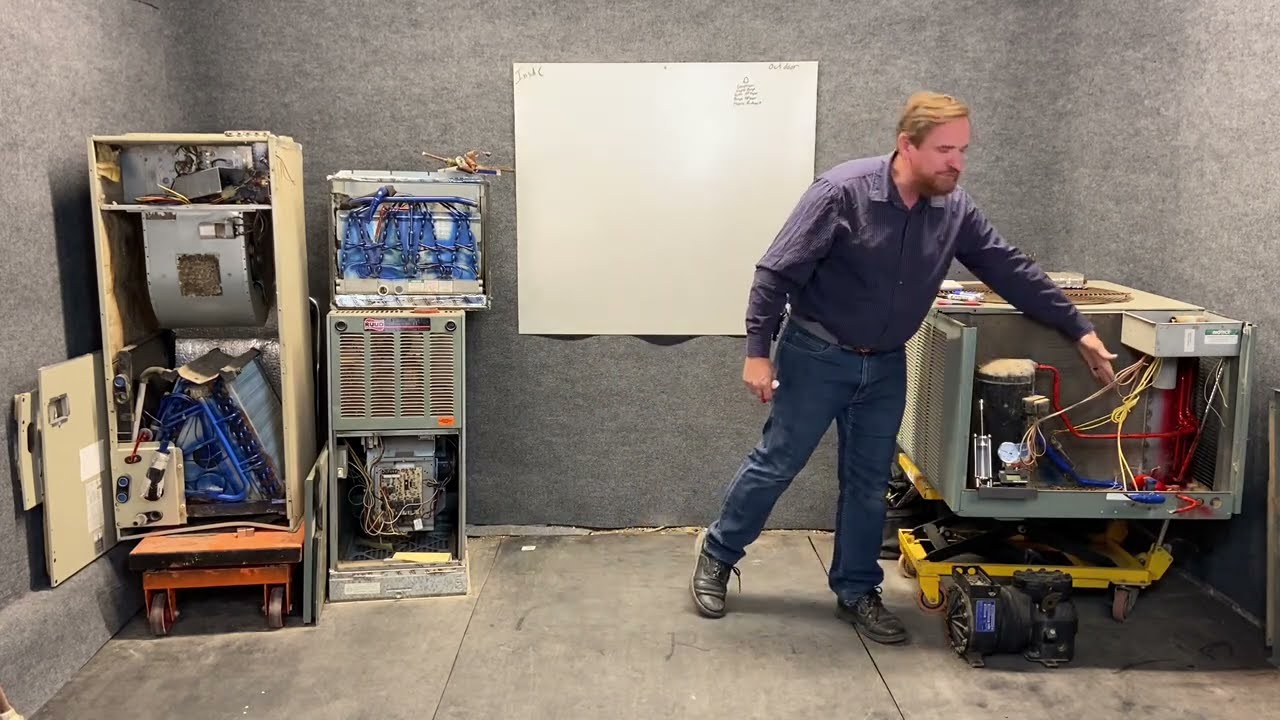
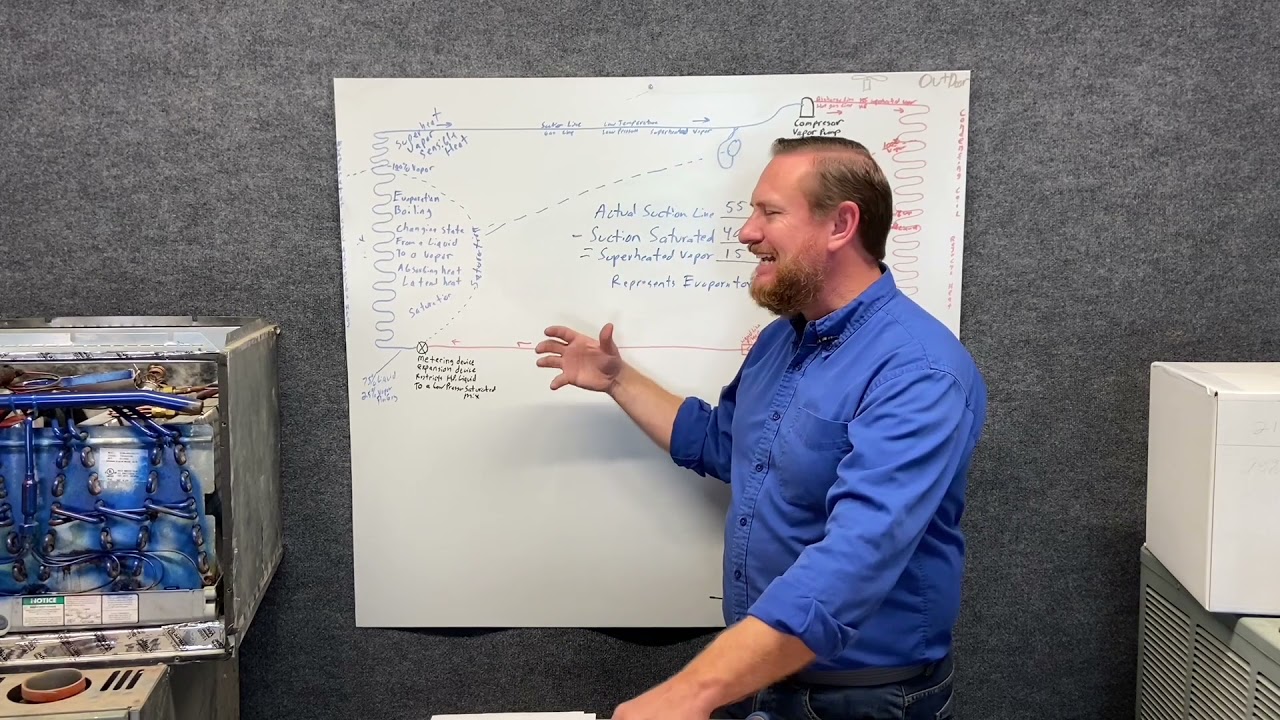
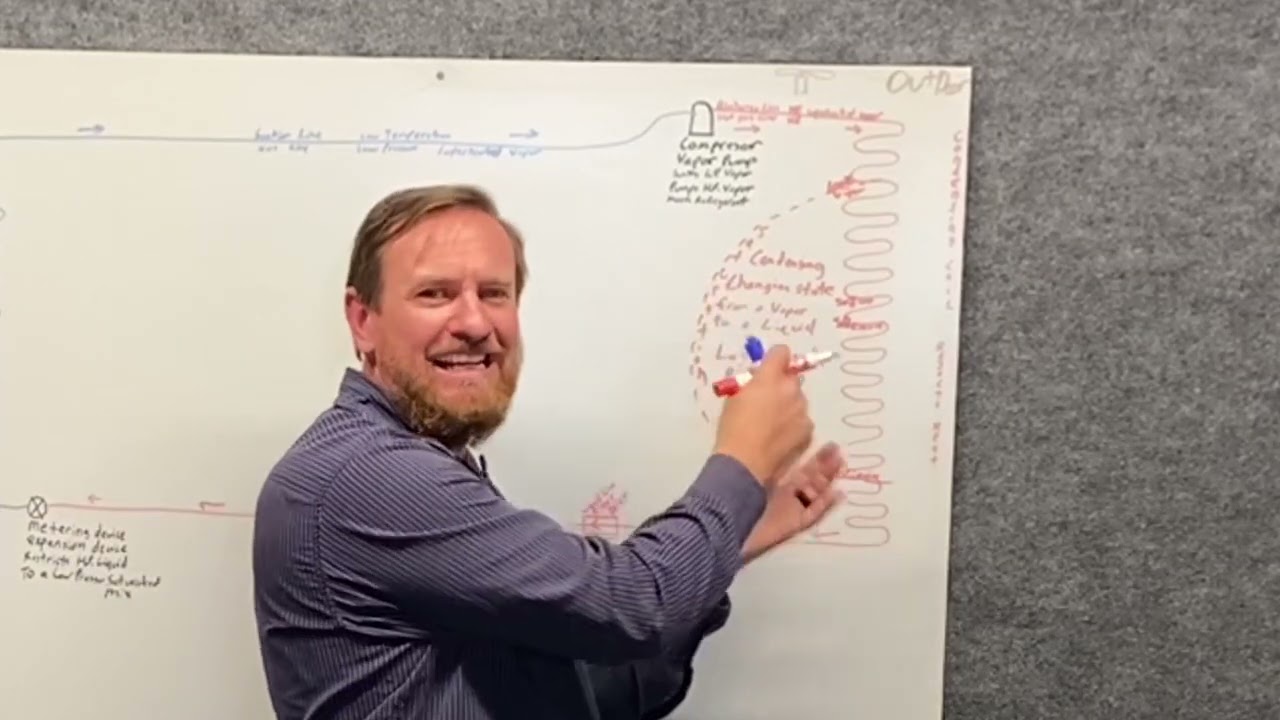
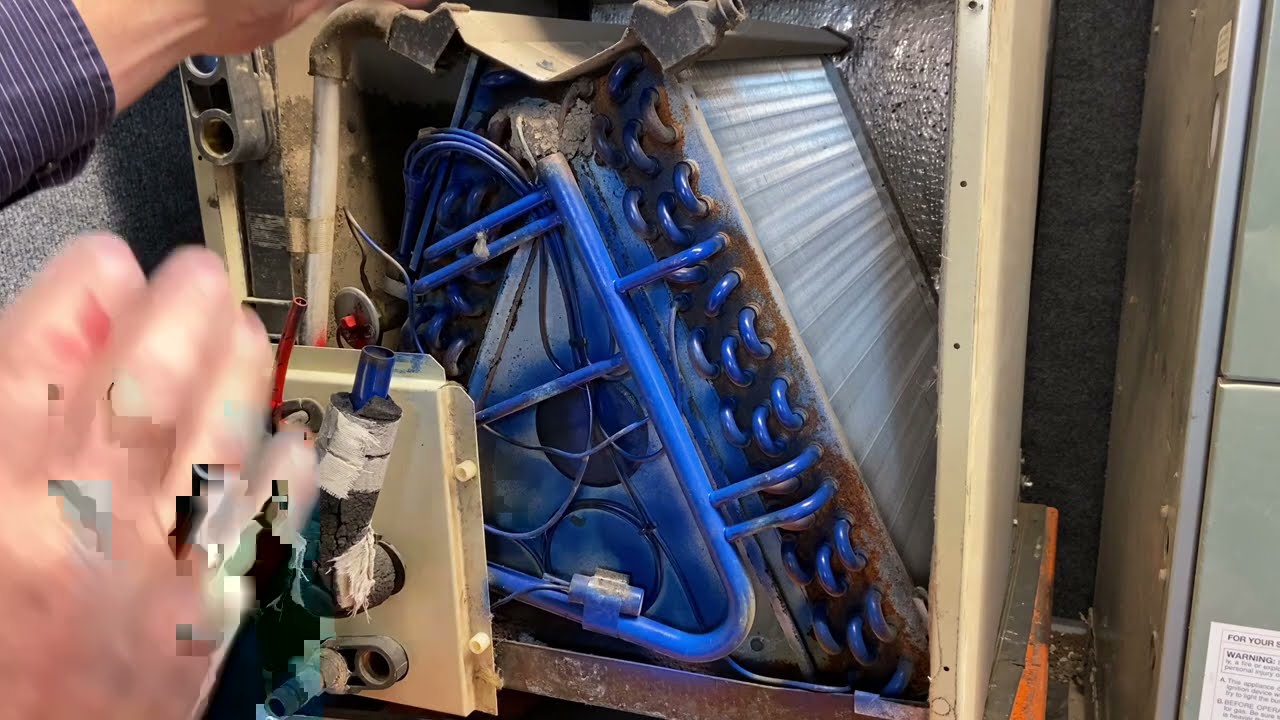
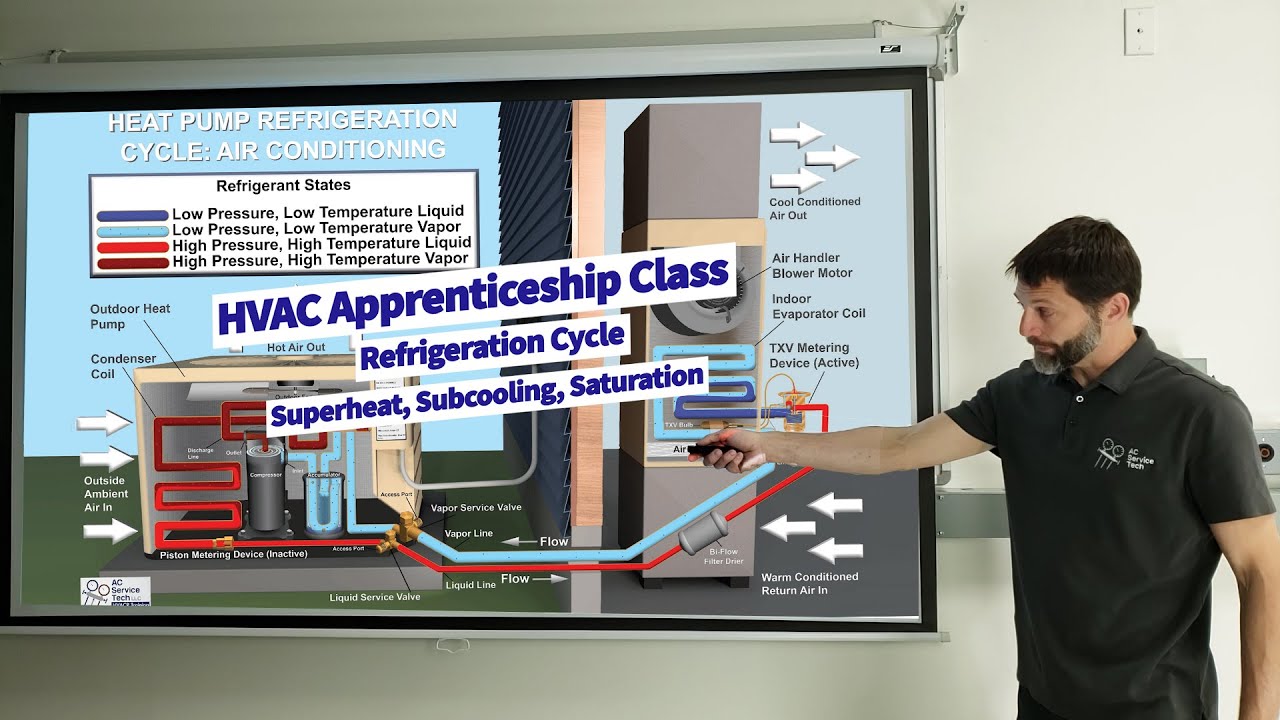
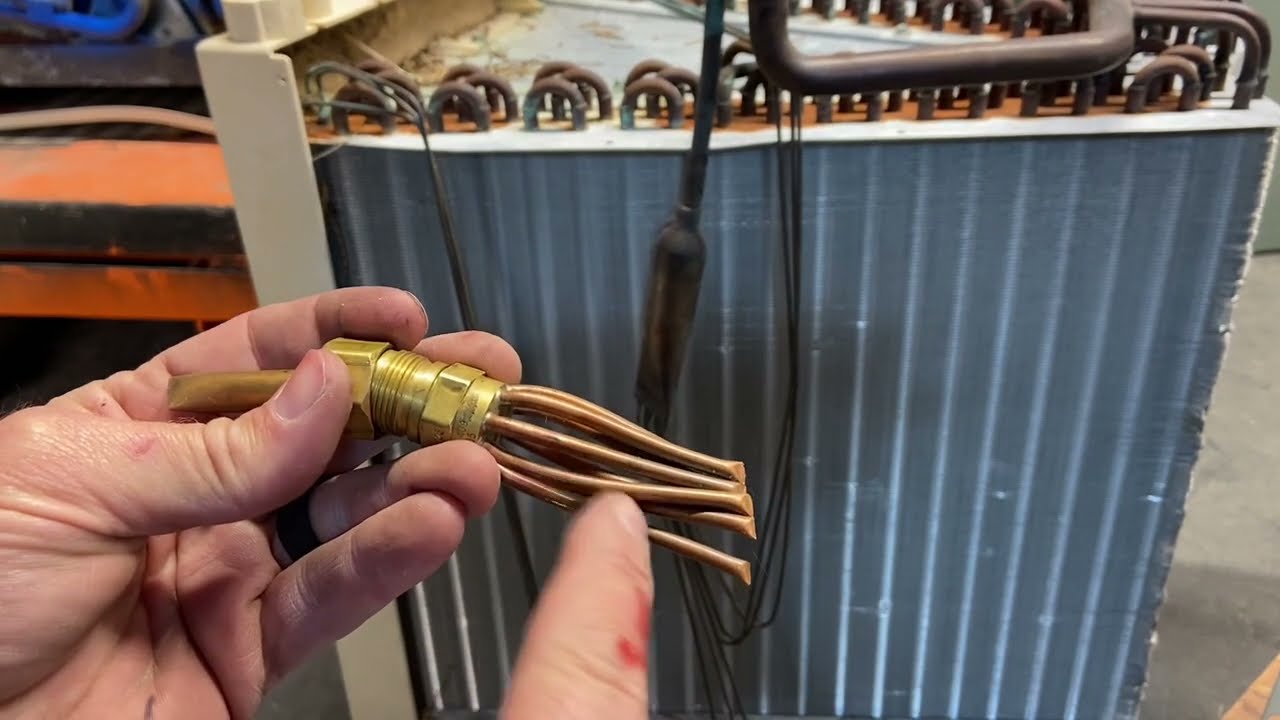
let's talk about our compressor our discharge line hot gas line and how it enters into the condensing coil so next we're going to talk about the condensal all of this is going to be a condensing coil in this case it goes all the way back around this system and the fan's in the very center so it's just simply a coil here's another condensing coil for refrigeration circuit this is an entire coil it's very simple we notice that the hot gas will go into one of these tubes apply this top one here runs back and forth
and back and forth you saw little u bins just where it goes to the next tube down to the next tube down to the next tube back and forth back and forth back and forth then we move air across it now remember that the refrigerant is moving under high temperature high pressure and the temperature of this refrigerant inside of here is going to be higher than the temperature of the air so the heat leaves the refrigerant through the coil this is nothing more than heat exchanger and goes to the cooler air outside we have to
have that fan moving air across it there's many different kinds but here we can see when it's cut open and you actually see the tubes inside here these tubes where the refrigerant runs and do the second law of thermodynamics we have lots of different surface area here and it's made of a heat transfer material such as aluminum so we have a lot of refrigerant going through a lot of tubes and a lot of these tubes touching a lot of aluminum this increases heat transfer and these fins are very very close together actually air will travel
through these fins it's hard to see it on the camera but they're very close together to speed up the second law of thermodynamics heat transfer the problem is that over time and these running especially outside they get dirty notice that this one has a whole lot of dirt on it we left these systems dirty so that we can clean them and so you know when you're working in hvac you're going to be dealing with all kinds of dirt and stuff we're going to have to clean these up to keep the efficiency up dirt is a
great insulator and it slows the second law of thermodynamics so with this dirt being on here we don't transfer the heat like we need to so it's very important for us to understand this condensing coil its whole entire job is to reject heat that's going to be doing this in a few different ways but we're going to talk about that a little later first we understand this coil is a high temperature high pressure coil it's rejecting heat so when we take our refrigeration system drawing we're going to take and we're going to take our refrigeration
line and we're going to go back and forth and back and forth and back and forth this represents the coil the condensing coil so we're going to make a bunch of little loops down here and come out the other side so we're coming into the coil back and forth back and forth and coming out the other side now in reality this pipe comes in the discharge pipe comes in and it divides it into three different areas so i could if i wanted to get technical draw three individual squigglies all the way down but ultimately it
doesn't really matter we're still coming in changing state and then coming back out now we're going to add a whole lot of stuff in here right here in the middle up here and down here we're going to come back and cover all this in more detail later but what i want you understanding right now is that this system is all rejecting all this is rejecting it's higher than the temperature of the air so the air is cooler than the refrigerant heat leaves the refrigerant through this heat exchanger to the cooler air there's many kinds we
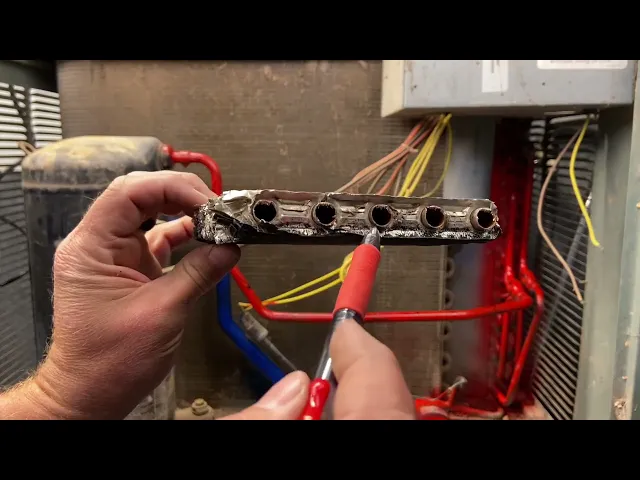
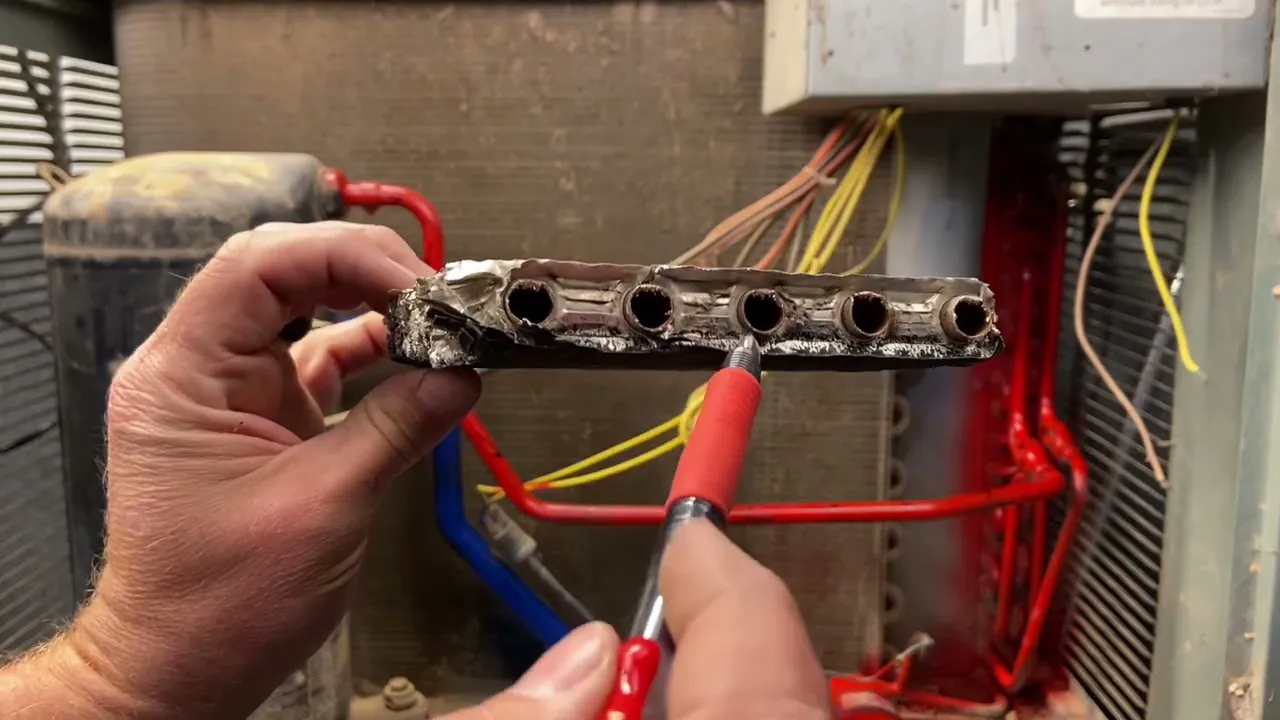
talked about this is what we call a tube and fin refrigerant runs through the tubes exchanges heat to the fence we also have what we call a micro channel which is similar to a radiator of a car where we have a large chamber that the refrigerant runs through and then it runs these little micro channels right here these little bitty bitty bitty holes all i'm running through and it exchanges the heat to the aluminum and then we're also we're still pulling air through this so we're exchanging the heat from the refrigerant through the metal to
the air second law of thermodynamics still applies different way of doing it and we also have you also see some that use this style like this it's called spine thin coils we have a aluminum tube that the refrigerant is traveling through and then it has all these little fins here so that's actually transferring heat to the air so air will be pulling across it you got tube after tube and you're all closely connected together but it's still the same idea we're moving air across it the temperature is higher than the temperature of the air the
heat leaves the refrigerant goes to the cooler air outside and when they manufacture this is pretty cool they got a how it's made video on this but it just simply spirals around this tubing so it's uh it's pretty neat how it's done but it's still heat transfer this is nothing more than a heat exchanger so these are all examples of air style condensers we're exchanging the heat from the refrigerant through this medium to the air there's other kinds you're going to see as well when we get into refrigeration you're going to see water cooled condensers
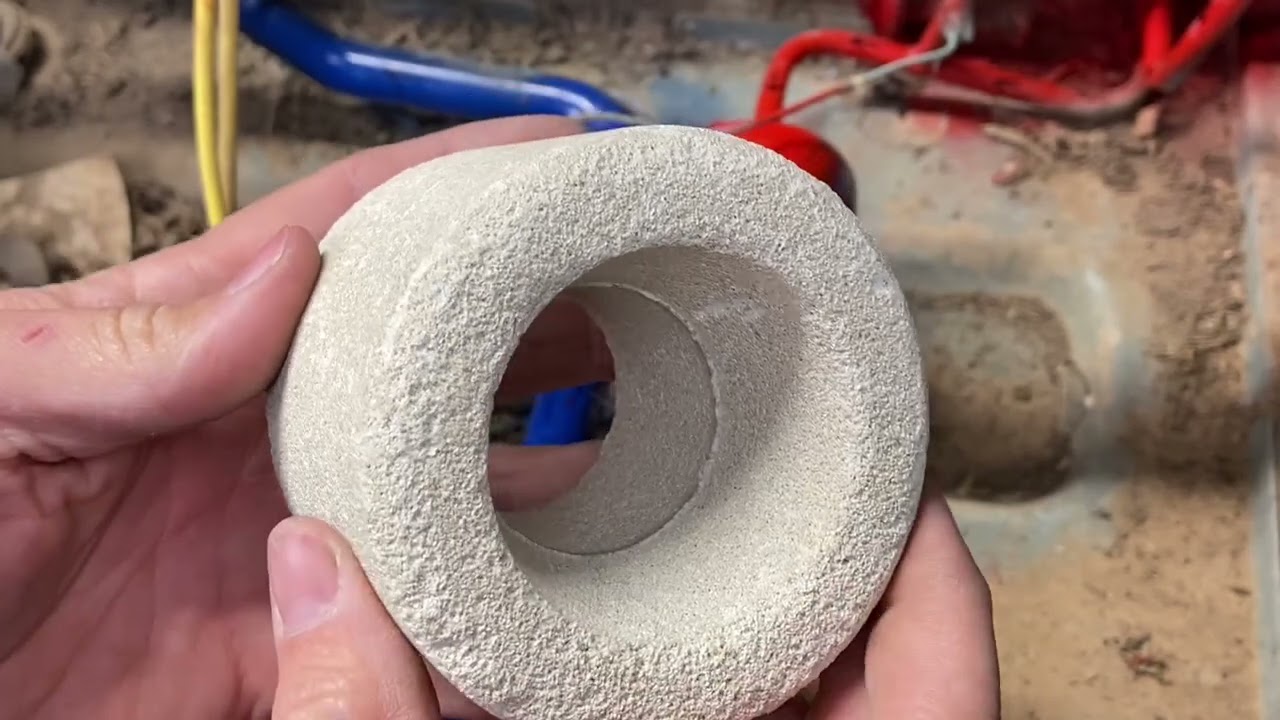
which is going to be something like this we're going to have refrigerant running and one side and water running on the other water is actually going to be flowing in the very center and refrigerant actually is going to flow on the outside we'll talk about this morning to get the refrigeration but stay tuned it's not always going to be air cooled refrigeration so let's make this little note we're going to call this the condensing coil so in our notes right here we're going to call this the condensing coil and also its job is to reject
heat we're going to be adding a lot more of this i can't say it enough so don't be settled with this but it's the condensing goal it's whole job is to reject heat now we're going to be coming into this as a high temperature high pressure superheated vapor we're going to be coming out of this coil as a liquid and we have several things to talk about before we get to that point but we're going to go in as a vapor come out as a liquid it's actually condensing what we call a condensing coil but
right now i just think this whole thing is rejecting heat together the compressor discharge line and the condensing coil we call the condensing unit together they make a unit but