whenever I'm talking to entrepreneurs and Founders um I'm always recommending some books all are specific books that I have used all right today I want to come uh to you with some kind of a fun I'm a lover of books and whenever I'm talking to entrepreneurs and Founders um I'm always recommending some books so today I have kind of two stacks here one is around marketing and kind of the initial business Concepts that I think are so important to startups to entrepreneurs to Founders and then this stack is kind of near and dear to my
heart um this is sales and Business Development all are specific books that I have used um why this stack is kind of separate and I want to emphasize a little bit because I think often times Founders and entrepreneurs um come to their startups with a little bit of product um and maybe service knowledge that's probably what inspired them to bring something into the marketplace because of a problem they solve something they're trying to Arbitrage or maybe scratching their own itch but rarely have they been in a situation where they need to promote or sell um
the actual product or service that they're bringing and so I think for a long time we've been under this false impression that um bringing the best product to the market will always win out in the end and I think there's a lot that needs to be learned um inside of these um type of books in order to actually make sure that you're excellent no doubt product and service um gets a fair shot uh in the market so I want to go through each of these a little bit I'm going to start with um the the
marketing and business stack first um I think this is a a critical this is probably one of the newer ones uh in my collection you can see I've kind of gone to some oldies but goodies but again specifically all of these I have used and I think have made an impact um in the businesses that I've started up and the clients that I've worked with why I think this one's so important this is Nicholas Cole um you've probably seen him um he's very prolific uh on the internet and writing but specifically he is a little
bit um uh I guess counterintuitive or um has a contrarian view set around content creation and particularly writing and in particular I I think you know right off in the first chapter um he shows that he's a little bit different um and he kind of leads with the advice don't start a blog um and I in agreement with this because whenever you're starting to blog and I think a lot of entrepreneurs think hey that's the first thing I need to do because they do get that it is important if I'm introducing a new idea or
concept to the market that I probably need to influence people I need to share and kind of open my mind so that people can see what I'm thinking and why I think there's an emerging Trend or something different or better way to do things and writing is a great way to do that the problem is by starting with a blog or a website you're essentially be caring it because until that blog or website has some credibility has some discoverability there's probably some SEO that needs to occur and just time for people to be able to
discover it and then promote it um it's literally going to just be a a ghost town with tumble weed moving through it how instead uh of starting that blog by finding some platforms where your icps already are and starting to share your insights can be really powerful lots of other stuff in here um that again is a little bit contrarian um but certainly works and I can attest to this cuz I've obviously used this as well the next two I want to share um it kind of Classics this is the one um that often gets
um shared with everyone and this Isom secrets from Russell Brunson the the founder of uh clickfunnels and this is a great book uh this book came out first um and it tells a lot about sort of how to do digital marketing and um and how to you know generate leads be able to um sort of get that audience get that loyalty behind you create the funnels and those sorts of things you will see if you take a look at this particular book um and everything that's in here um this one is least mentioned and I
think much more uh powerful and the reason I think that this uh particular one is powerful is because I really believe uh especially for Founders and entrepreneurs in selling expertise because again this is why you're in the market probably is you have some expertise or you have some unique um visibility or insight into a trend or something um that should be different or better and selling and communicating that expertise is far more valuable than just maybe using some generic marketing tactics so I really like to kind of go from this perspective and I always recommend
um this uh particular book uh of Russell Brunson and again he doesn't a great job of just like really breaking things down into practical actionable steps so this is what um I would recommend there okay now we're going to get into um two business books that I think are really um powerful this first one is a little bit controversial um and you can probably see by it it looks a little bit old this was published I can even find the title page this was uh yeah published in well copyright 1993 this particular one was uh
published in '95 this is a ruthless book right um and it's talk about doubling your profits one thing that I got in trouble with a couple different times on my entrepreneurial journey is not really understanding um the concept of business and financial management inside of the context of a business right there are a lot of ways that little tiny expenses can get away people that it's not their money that are maybe employees of you kind of use that um without as much stewardship as you would expect or even just thinking about the impact and the
return on that but most entrepreneurs most Founders are kind of at least initially working out of their own pocketbook and there's a tendency for you to kind of use it um or operate much like you do your family checkbook and it just doesn't work like this and this talks about just going through ruthlessly always evaluating what you truly need and where all the money is going um and I'm never like this the the biggest fan of always like cutting cutting cutting expenses but it is important to understand the tradeoffs that you're making for every single
dollar that goes out and making sure that it's effective and this really highlights this it also gives you some some tactics um in negotiating this is probably where it gets the most controversial um in no negotiating with vendors and and other things that you buy there's some some tactics in here there's also uh again this is where it gets controversial being more pragmatic um and honest with yourself about um the employees that you have um and and the people that are around you and helping you and and making sure that you always have the best
people providing the best value and ultimately um that's important for your whole team so if you you ever run a team and you had somebody that's kind of not pulling their weight the rest of the team kind of questions um why they need to pull their weight so again this is a ruthless book um there will be points in this um myself included uh where I don't feel comfortable with his advice but it is a great way to really honestly uh and intentionally look through your business for things that are probably not working as effectively
as they should this is a little bit of of a similar sort of context um but takes a different approach this book specifically um got me out of a really hard time one uh as often as the case with with startups and businesses they'll go through kind of high points and low points and this was a particular low Point um when I encountered this book um I was bleeding um with the business um I had a significant amount of debt built into the business and I had to fight my way out um or collapse the
business and this um is the The Playbook that got me through that and actually got me to a place that was um hugely profitable um and ended up having a strong exit primarily because of the book and and the things the tactics that it that it talks about in here again this helps with that misperception around kind of running your business like your family checkbook right talks about sort of bucketing things um understanding uh kind of how money Works inside of a business and also and I think this is really important some of the things
that are unique that you need to account for in a business that you don't need to account for in your family checkbook things like um payroll payroll is coming cash flow is important vendors uh unlike your employer don't always pay on time in fact most don't pay on time um so you have to kind of account for that um in some cases there's use tax or other types of uh sales tax that you have to account for um your taxes um in a small business are generally not taken out for you so you have to
understand soal security taxes um all the things around employees um and then potentially taxes that you're going to be responsible for and how to kind of plan for this so this um is critical because they don't teach us in school they don't seem to teach any Finance in school and they certainly um nobody teaches you how to run a business um from a financial aspect and this um is probably the number one killer of great businesses is just not understanding how this works now I'm kind of going to um some of my favorite part is
is um sales so this um for me is really interesting because um obviously I I run agencies um and those agencies I've been in in different verticals different Industries and those sorts of things um but the interesting thing about me and agencies is most agencies are created by a creative and they sort of grow into a business maybe they're a graphic artist maybe they're a writer and again they're some sort of creative and then they start to try to scale it and they sort of become an agency in my particular case um I became an
agency somewhat out of necessity because my software business uh collapsed on me because of some Market factors back in the uh Financial uh implosion or as I would call it because this was my audience or ICP the mortgage meltdown out of necessity I sort of pivoted to an agency but my strength has always been sales and Business Development um but it is a skill that I had to acquire this is not what I was classically trained in right I'm a a political science major I do have an MBA but sales um was not my curriculum
when I made this pivot um from the software business and probably should have been doing this before because we weren't as effective at sales I was like I have to sell this stuff so this was the first book that I they pked I picked up and this is actually the book that I picked up when I started the business uh because I realized I had to sell I had hired a couple salespeople they weren't able to sell anything uh which is again another pretty classic startup experience this is an old book um but I think
it's a classic Jeffrey gamer is is kind of the the OG when it comes to sell now I love this book um and probably classic uh you can make fun of me as a salesperson cuz I'll Embrace that basically this is um some people might say a little bit of a a book with pictures but I love this um it again it's super basic there are a lot of just essential Frameworks in here uh broken down down in an easy way to to kind of learn them to practice them giving you scenarios obviously at this
time when this was built a lot of this is focused on cold calling or calling um but I think it even in this um day and age this is a really uh good and interesting first place to start um because we're on zoom and we're selling um and we're selling one to one belly to belly again and there for a while we weren't we were doing a lot of digital stuff transactional stuff even as a SAS but with whether you're doing SAS and you're doing transactional type of sales um this will still be powerful in
sort of negotiating or larger partner deals again fun lot of little Essentials um easy to kind of quick and and take an actable stance so I still stand behind uh this is a great sales book uh to have um on your bookshelf um the other thing um this is from an agency perspective and I think from an Enterprise sales perspective this is probably one of my favorites to recommend um and that is um whenn without pitching Manifesto this is probably the closest to the way that I sell um I like to sell with expertise um
I like to sell in kind of a collaborative um and and educational way and again this is a little bit of a Manifesto you can see um short books I think in this category are really good right because they have the essentials you can pick little pieces of them um out here and you can work with them um and you can work through them as your you're trying to to learn and make this cuz sales um is is really a contact sport right you're you're in it um it's a conversation and the conversation will go
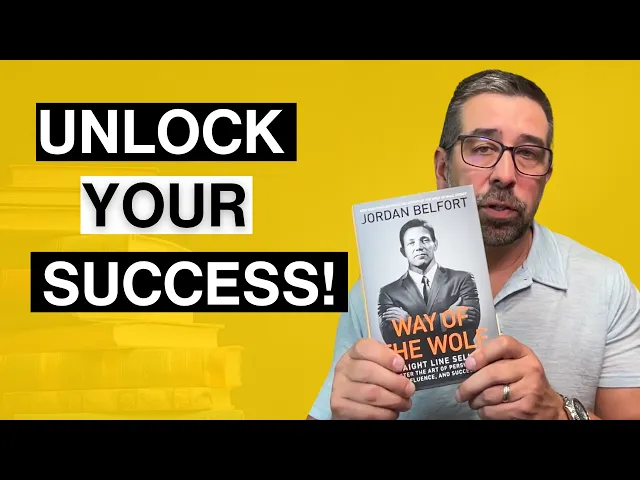
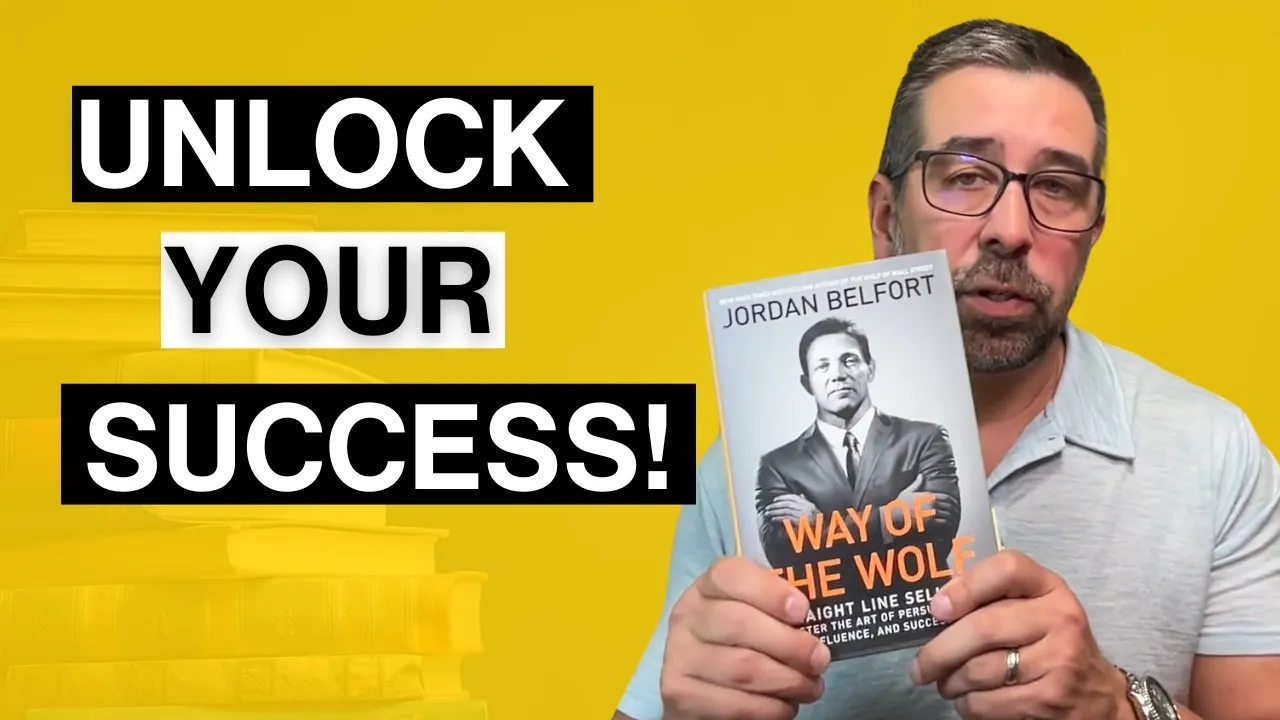
all kinds of different ways so I think it's um really important to constantly be sort of thinking through that and giving yourselves um different tool sets um to be able to to make them sort of natural in those convers conversations and just making you better at doing that um here's another one um you can see I I tend to like some controversial ones so this is Jordan Belfor Wolf of Wall Street um some of you probably seen the movie uh the movie's um certainly not going to tell you teach you sales skills uh you may
not love the guy after you read the movie um but there's no question that he is an incredible salesperson this book I think a lot of people don't know about is really about his sales process and he's got a concept called straight line uh selling and the the core concept here at least the way I implement it and I take it is really having a clear understanding of that path that happy path if you will um from the start of the conversation to actually getting a a deal closed or done and understanding the different steps
and roadmarks or or landmarks along that path are really critical because what it allows you to do is if you understand what you need to do what you need to achieve with the the client and what you need to do um all the way through through each step in that process you can take all kinds of side roads and and Adventures and Journeys because you know what that is and you can kind of get back on course um sort of like a GPS right you can you can wander off you can take a turn off
you can check something out over here GPS will get you back um onto that straight line and that's really the core concept here um you can tell you can always tell on my books when I've got the notes unlike a lot of books and this is why I encourage you to kind of stick with this one unlike a lot of books all of um the power at least the most useful part I thought was in the back you can see all my my core notes are in the back actually this page really kind of blew
up with some notes but the the beginning I think there's a lot of throat clearing in this particular one um but as you get towards um the back of the book um that's where all the juice is so I encourage you um if you're going to pick this one up um to spend some time uh in the back of that uh cuz that's where it really gets meaty so those are um my eight essential um references uh or books that you um should have as an entrepreneur I think those um are the best places to
start um I have a couple of bonuses one of the things that I learned later and I'm a big believer in is lead generation uh wins the day if I were to start with like the most current books um these Alex Heros um are kind of the new Russell Brunson from clickfunnels um so these expert.com um I think this these guys are probably the the current version of this and there's a lot of overlap but these are kind of really interesting they're kind of you can see they're almost like workbooks uh again with the typical
theme they're a little bit um sort of books with pictures right um but don't underestimate these things these are super powerful by the time I picked these up um I was pretty reversed in all of this and this is kind of what I use to generate demand and leads for a lot of my clients um but I already had these kind of in my Arsenal but he does a nice job of documenting so if you're going to try to do it yourself um these are two B bonus books um that I would suggest so hopefully
um that gets you started I think again super essential understand how to run that business make sure that you understand how to promote your products and service create some demand and then ultimately sell it right bring it all the way to a closed transaction um if you enjoyed it you've been here till this point I would encourage you to like And subscribe to my channel here and I'll see you on the next one