Hello, friends! You’re watching “Path to a Billion. ” And today is a special episode.
Let’s dive into one of the most powerful forces shaping the modern world—globalization. Yes, it’s that thing that lets you order pizza from an Italian restaurant, use a Chinese smartphone, and sip on Brazilian coffee. Sound familiar?
But let’s break down what globalization really is and what pros and cons it has brought us. Ready? Let’s go!
What is globalization? Globalization is the process that’s making the world smaller. .
. Well, not literally, of course. It means that thanks to advancements in technology and international trade, countries, cultures, and economies are becoming interconnected.
In other words, ideas or products from one side of the world can directly impact what’s happening in your own home. The pros of globalization Let’s start with the positive. Here are some significant benefits of globalization: More business opportunities: Now, any company can go international.
Who would have thought that local artisans from a small village could sell their goods to customers in New York? Access to technology: Thanks to globalization, we have access to the latest cutting-edge technologies. What’s developed in Silicon Valley can be used worldwide within a few months.
For example, your video game might be coded by a developer in India, while the design is done in Sweden. Cultural exchange: We now have the chance to learn about different cultures through music, movies, food, and even memes. In the past, you had to travel to Japan to try sushi, but now it’s available on every corner!
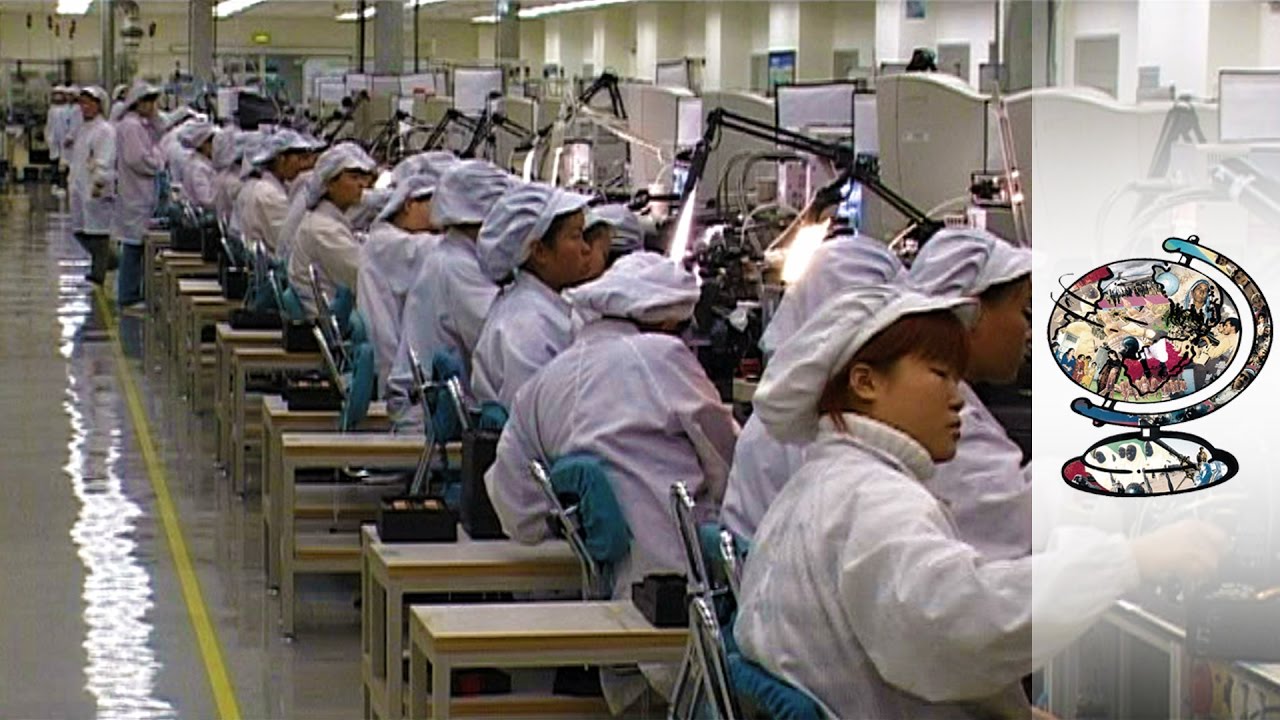
The cons of globalization But not everything is so rosy. Globalization has also brought its own challenges: Inequality: Large corporations are getting richer, while small businesses can’t always keep up with the competition. It’s like in a game where the player with all the bonuses wins, and the newbie can’t even take a step.
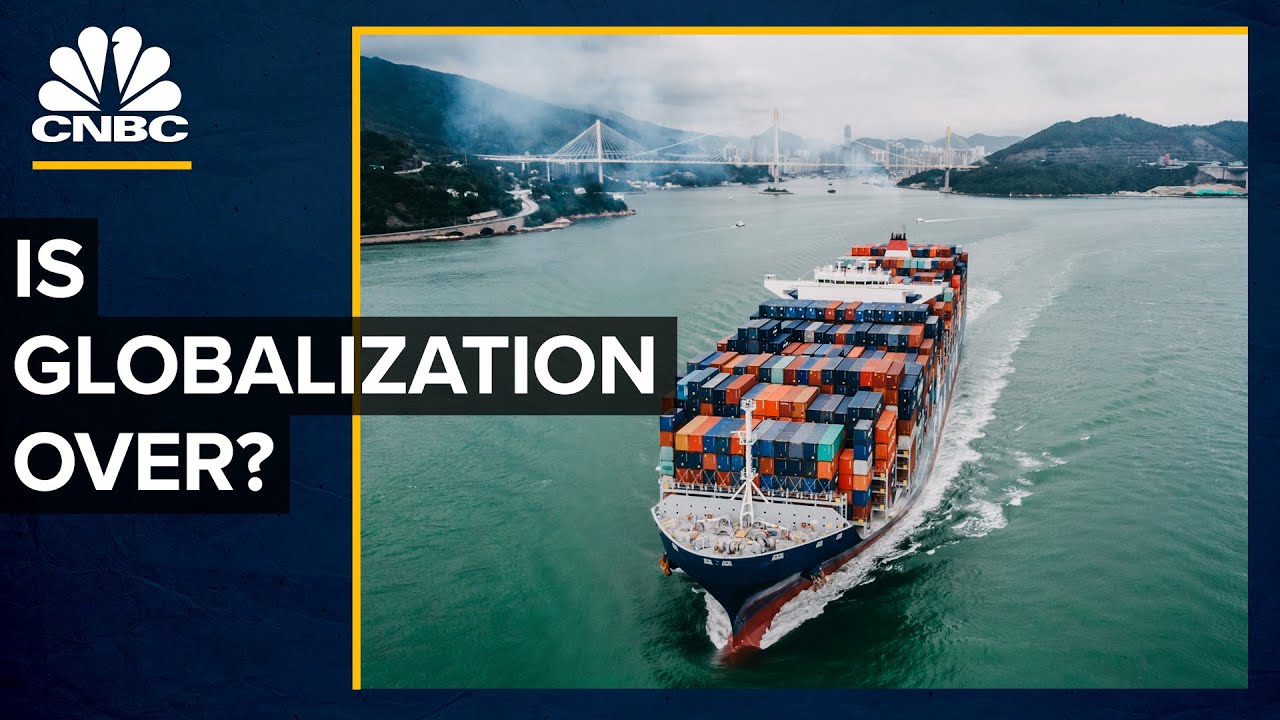
Loss of cultural traditions: In the rush to follow global trends, local customs and traditions can sometimes be lost. Did you know that some countries have stopped wearing their national attire because "everyone wears jeans"? Environmental issues: The rapid industrial globalization and increased transportation of goods worldwide have heightened CO2 emissions.
Turns out, your avocado toast might not be as eco-friendly if it flew halfway across the world on a plane! Let’s take IKEA as an example. It’s a Swedish company, but its products are made in dozens of countries.
The wood for the furniture might come from Germany, assembly happens in Poland, and delivery is via a Chinese cargo ship. And as a result, all of this is in your living room—thanks, globalization! Now, let’s look at some quotes from notable figures about globalization: "Globalization is the process of creating a common economic space that leads to the integration of the world economy through increasingly free movement of goods, capital, and labor.
. . As a purely economic process, globalization is value-neutral," says renowned economist Deepak Lal.
It’s hard to argue with that. "Globalization was invented by birds, who have been flying around the world since ancient times," writes journalist Axel Hacke. There’s something romantic about that!
"Thanks to advances in communication and transportation, one of the driving forces of globalization, the distances between countries and people are rapidly disappearing," believes scholar Fethullah Gülen. I love the idea of bringing people together! And yes, our show is coming to an end.
This is the final episode of “Path to a Billion. " Together, we’ve created an incredible story! Thank you for being with us through it all—watching, supporting, and sharing your thoughts in the comments.
We believe many of you found our episodes useful! Now, it's time to say goodbye. See you again soon, friends!
There's more to come! Let’s go!