[Music] go morning [Applause] you welcome to a new episode of good morning ah yes so we are here again so yes and as soon as as was possible I suppose as soon as possible no but in this case in the past as soon as was possible we brought other good conversation without focus on just on designers we have today a very good conversation with a product person yeah we are not far from design we there connect with design with user experience but we are bringing someone that the focus on is is in product yeah right
and product matter is from product yeah yeah he's a product person a consultant but it's a product person yeah and I think he will bring a lot of provocative things yeah we have we have a lot of topics to talk with him yeah we have a script here but we will try to to keep yeah our questions there but I I don't know everything could happen in the next time yeah yeah we we already have have been uh having been a a good conversations this new season yeah yeah this is the third one we have
a lot of for us for us this the third one yeah I don't know for for the audience but we have uh I don't know more five or four conversations sced and let's go let's go so let's go let's call well first first things first uh subscribe the channel like this video and the podcast and share please on LinkedIn so that's it now I help help us a lot yeah it will help yeah yeah so let's call Our Guest come on [Music] Matt thank you very much for accepting our invitation have you here it's a
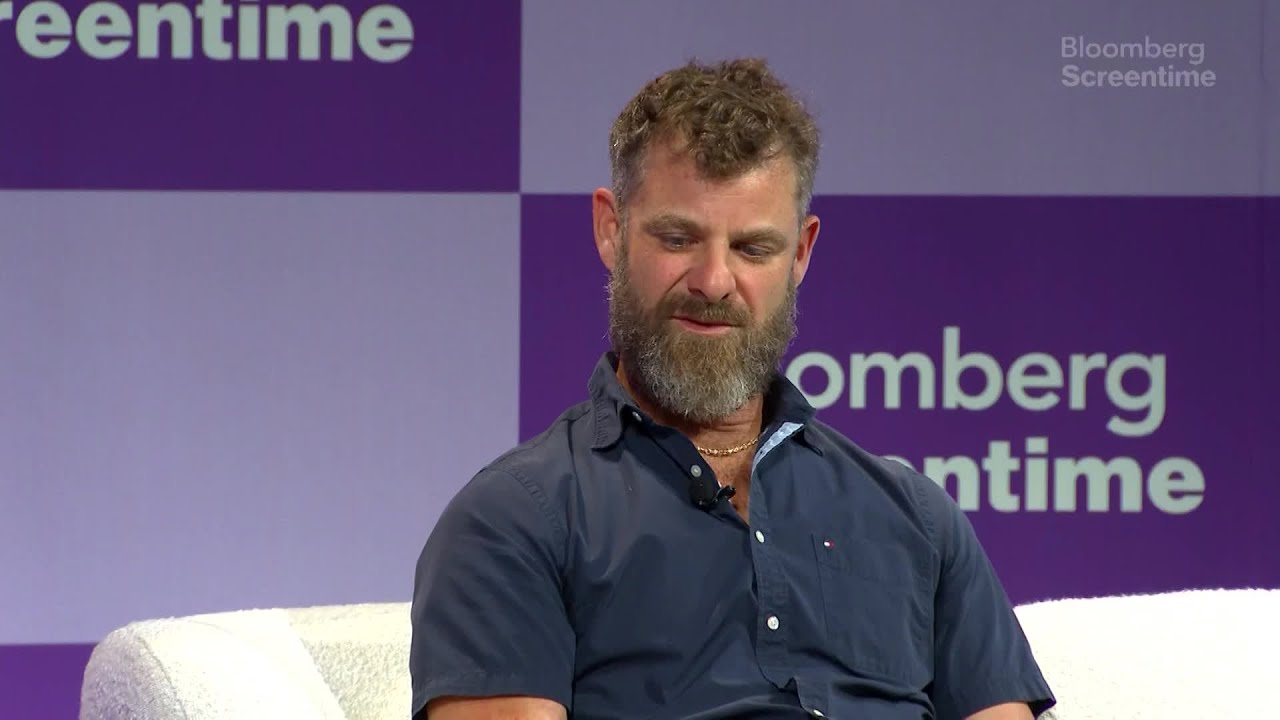
great honor for us it's amazing I'm happy to be here you kind oh no no so uh before we start our conversation here can you introduce yourself to your Brazilian audience who may not know you please sure um so my name is Matt lay I a product leader and consultant and author I've written a couple books about product management and agile I was a professional musician a million years ago and still dabble when I have the opportunity I live in London right now and I'm working on my next book which is very exciting and uh
very exhausting but mostly very exciting and I'm really excited to talk to you today oh nice so next book is coming this is good to know maybe maybe we can have some spoilers oh I'm happy to give you spoilers if you want them um the the book the book is about impact first product teams and the idea is that product teams should be evaluating the business impact of the work that they plan to do before they figure out anything else because if teams do work the right way that does not actually have an impact for
the business then that's still going to be a failure for them and for the business I think that we've gotten into a lot of very fiddly and largely useless conversations about what is the best way to do product development work when in fact doing the right work is more important than doing the work the right way and I see a lot of teams spending a lot of time arguing and fighting and expending their limited energy and resources over what is the right way to do this when in fact the things they're working on are completely
pointless and even if they were to succeed wildly would not do enough to add up to a success successful business so this is you know my my both of my books so far have been kind of exploring this more humanistic lens and based on the Consulting work I've been doing over the ne the last couple years this is a much more business oriented kind of tough love approach to acknowledging that this is work we work for companies and we're ultimately accountable for the success of those companies and if we're not contributing to that success we
wind up in a very tenuous position wow great great I think Buy has a question about that no no just a comment because I think uh I think all the the the explanation was very good because yeah as you as you said you you have been working as a consultant for for very much companies about that seeing the the the work of product teams into this compan and probably you have a lot of examples to to walking us through this uh this right way to do things probably we have a lot of different right ways
to do this exactly yeah and the right way is the way that works right I mean that's at the end of the day if you're not paying attention that was kind of the whole point of the agile for everybody book I wrote is that if we're not actually paying attention to the outcomes of our ways of working if we're not saying does does this make things better for our company for our customers for our colleagues then there's no point in just doing something because we heard it's a better way to work you never know what's
going to happen until you actually do something um and it's been interesting for me you know over the last I've been Consulting now for a decade uh you know working with companies like Spotify and Google and Audible and a lot of smaller companies and bigger companies that are you know less less of these kind of famous digital first companies but are trying to compete with those companies and honestly the most valuable thing I do now is just getting teams to a point of clarity on what success looks like um it's kind of amazing to me
how many teams and companies I've worked with where if you ask them like well what does success look like in a month in a quarter in a year you can't get a clear answer to that you can get um a very vague answer or you can get an answer that consists of a hundred slide Deck with like 500 okrs in it which is also not a clear answer so just getting humans to commit to what reality based outcomes look like is really really really difficult to do and a lot of the work I've been doing
is is around just that around creating kind of the the facilitation and the space and giving people some some comfort to make those connections and say okay like we're not going to get a perfect answer because we can't because the future is unpredictable and markets are complicated but if I say you know does success look like X y or Z we should be able to know which of those three is is closest and most important to us for example yeah I think this this subject is very important especially in nowadays because we are facing a
huge challenge for not just for product managers but uh designers too because the the the the industry is a kind of uh I don't know if it's voiding us but they are complaining a lot about how the designers or product managers or even Engineers engineer Engineers they are uh uh not connected with the the outcome they are not connected with the the the thing is really important for for company and I think this subject is very important for this moment because we need to to change or to reframe our way to to see what we
do I absolutely agree with you and I think beyond that we as product teams as product managers as designers we need to have a point of view on this before somebody asks us you know when I work with people and they say well my our boss just asked me to justify the existence of my team and I'm like that means you've already failed in a sense because you should know why your team is important to the business before somebody asks you you know when people are like what's the ROI of ux which is like one
of my least favorite questions it's like well the ROI is manifest in the products like if the team is producing work that delivers for the business then every member of the team is creating value but if you don't have a point of view on that if you can't get out ahead of that conversation then you are going to be in a very negative and reactive space when you are asked to Justify Your Existence or somebody's just going to look at your team on a budget and say this team costs us a million dollars a year
they're not we have no idea what they're doing and why it's important get rid of them I mean that's the reality of working for a business so I think the more that teams can own that reality can speak to that reality can have their own shared Team level point of view on here is why we matter here is what we're contributing and here's how that connects directly to the success of the business that team is in a much more secure place than a team that is as many teams I've worked with have complaining about how
they're being asked to estimate impact and they're being asked to do these things and people don't understand them and it's not Fair like I get that that's an unfortunate position to be in but complaining about it makes it worse whereas having a point of view about it and saying like Okay we the reality is we do cost a lot of money to this business and if we're if this team is a million dollar a year line item expense and we get frustrated when somebody asks us as the team doing the work what justifies our existence
and then we go off and on the other hand complain about how we're not empowered and we're not given outcomes then like it's just not going to end well yeah yeah yeah definitely we are going to a wrong way and spend a lot of money in time right but in your view how would you define this moment that we are in right now how will change the scenario you brought a lot of things to help us to understand but can you give more about that because we are so sad about this I I I think
it's ultimately a good thing I think that we we've had what has felt like in some ways the luxury for the last however many years of you know Capital flowing very freely company's not worrying that much about the bottom line and as a result we've had the luxury of having a lot of very interesting conversations about what's the right way to develop product what framework should we use who owns what the product manager or the ux designer or the engineers all these conversations that are very like passionate practice-based conversations about like what is the right
way to do this what is the way of doing this that feels just and right um you know we've had a lot of conversations about discovery which I think is hugely valuable that's been kind of one of the big big points of conversation in both the design and the product communities for the last decade but I think that at the end of the day you know reality comes crashing back to us I remember my first startup job I showed up at the office this was in New York you know 15 years ago and I'm like
how do we pay for all of this we have all this really nice stuff but we don't make any money and they were like you know we we have venture capital and at some point we'll figure something out and we'll make a ton of money and then you know however many years later it's like okay we have to Pivot we have to become profitable we have to do this the investors want their money back and it's like well but wasn't that always going to happen like at a certain point if we work for a business
you know I have a lot of friends who work in sales and who work in marketing and who work in other functions and for them like you know you ask somebody who who I have a very close friend who works in wine sales and she's like yeah if you're not selling wine you're not like you're not going to keep your job because you're like I have this really special method for selling wine like at the end of the day your value to the business is the amount of sales you bring in and everything else needs
to be in service of that and I feel like those of us in the product and design and engineering and like product teams have honestly always been like a little shady about that we've kind of been like oh sales and marketing like their work is so transactional they're not doing like what we're doing they don't they're not like Crafts People which I totally disagree with I have huge amount of respect for sales and marketing people but I think at the end of the day like we all work for a company and if we don't contribute
to the success of that company and that company goes out of business we all lose our jobs and we don't get to be like oh but like I did it the right way it's not fair like whether you like it or not your fate is tied to the fate of the company you're working with and again if you can accept that and own that and prioritize your efforts accordingly my my my hope is that that helps us do more meaningful work my hope is also that that kind of helps us have a little bit more
work life balance because we start to recognize that like we work for a company it's not our entire personality it's not our entire you know life it's one aspect you know we are responsible for ensuring the success of that business to the best of our ability but then we go home and do other stuff play some drums have a glass of wine relax so my my hope is that like you know I think we're we've hit an inflection point which feels very bad because for a long time things have worked and we've been able to
do things a certain way and now we're suddenly being told no that doesn't work you can't do that anymore but my hope is that we are transitioning to a place where our work is seen as one of many interconnected pieces of a successful business and that that both humbles and empowers us at the end of the day wow interesting points right Bud yeah I like something that you said right now it's a transition point right now it's a transition point so we are right now this is one of my questions we are in a transition
point but it's very very uh dangerous place right because be pivotto to some place that we are keeping our our way in a wrong way or not so it's it's it's hard to Define right well I mean I think part of the challenge is that change requires change from everybody right and one of the issues I see is in the last five years or so you know there's been a lot of conversation around empowered product teams and product teams being given free reign to pursue outcomes but I think the thing that a lot of managers
and a lot of leaders and and folks haven't understood is that you know if you read like Marty Kagan on this one of the first things he says is an empowered team has support they have a sense of what success looks like they're given coaching it's not just go make this money it's like hey here's what the business needs from you what do you need from the business what answers do you need what Clarity do you need what support do you need and I think that you know one of the one of the directions I
can see this taking and the idea it's been interesting like the idea of product teams being accountable for business impact is a pretty controversial idea in some senses like the idea that a team should be aware of something as high level as revenue or growth and working into these things which are big complicated lagging indicators um but again I think the question is do we follow that sense of reality all the way down to like these are things out of your control so we're going to give you support and everybody in the company is going
to do what they can or do we continue to apply some magical thinking and say great I'm just going to tell this product team to go make a billion dollars and then they'll go do it um so in other words do we recognize that as we work towards more complex multifaceted and interconnected business outcomes we need to work in a way that is more focused that is more interconnected that depends Less on on kind of working the right way and working within our teams and more on doing what we need to do across the organization
including in positions of leadership to actually set up teams to deliver those outcomes as best they can and I I I worry that a lot of folks do not recognize the scale of change that is required not just from product teams but from product leadership and Company leadership as well but rich I know you you have some questions no a lot of questions I I think probably we we will uh leave our script because the this conversation is very behind right it's veryt I suppose it's very interesting because we are living this moment now we
are living this difficult to to to to make people professionals understand what they need to do and why they are hired in the in their in their companies because the discussion about the quality or the right way to do things is important for our discipline is important yeah because we we we need to deliver things in uh in the best way the better better way with quality yeah with quality and other things but but uh the the CEO or the people who hire us usually or always need to to deliver the outcome the the result
is the the only thing the the the only important thing in their heads in my opinion and I don't know for the past years we kind of uh forget this a little a little it's the design is very important the process is very important the interface is very important yes but we have order side here and I think it's very important because the the the Survivor of our uh profession depends on that depends on this understanding well and I think you know it's funny because I've worked with a lot of teams especially teams doing kind
of redesign work and things that are more and I like honestly redesign is one of those words that's always a big red flag for me when a team is like they're going to redesign this experience I'm like why towards what end all experiences yeah exactly and if you say like oh to make it good I'm like what does that mean is that the most important thing for you to work on right now um you know there are some experiences that are like not terribly well visually designed but have good enough information architecture and are in
a you know important enough high traffic enough space that like you can get by and maybe there's something else to do but also a thing i' I've told a lot of teams that I work with they'll say well how are we supposed to how important this is and honestly my answer most of the time is Google it like I was working with a team that was working on password resets a while ago and they were like well how are we supposed to quantify the value of password resets I was like literally do a Google search
for how many people reset password or like password reset importance and all these things come up where it's like you know this many transactions are lost to e-commerce because of lost passwords this percentage you know two-thirds of all us workers we set their password at least once in the last three months and then we can start to be like okay well if we have a goal around customer satisfaction we can tie it into that because we know that's important for this many people and we can start to say okay if this number of users are
doing it and it's this important to them and there's this much money on the line then we think this is probably worth doing to this extent it's a lot of Googling and guesswork but again you know we talk about impact estimation as estimation you're not trying to get a perfect number I often tell people you want to get the order of magnitude right you know you want to know if it's like 10 100 or a thousand um but beyond that I don't really care if it's 9 10 or 11 because if we're prioritizing between something
that's 10 something that's 100 something that's a thousand something that's 10,000 like these decisions become a lot easier once you are actually doing the work as a team of making these connections and of trying to figure out you know it's funny I was talking to a friend of mine who I used to work with and and kind of walking her through what I've been talking about and thinking about and she said you know it's funny cuz what you're talking about is like a direct line between business impact and day-to-day decisions and almost all product management
discourse is in the middle it's like strategy Discovery scoping she was like you're kind of drawing a direct line between like money and Vibes I was like yeah that's kind of what I'm doing is like you know every time we make an abstraction every time we say well this initiative will do this and then we have this objective within the initiative like every step produces risk right every step There's an opportunity for us to be misaligned or for something to change or for something in the market to happen that we didn't predict so again I
think like in this tenuous moment so much of what's important is just for teams to to think quickly and creatively and rather than throwing up their hands and saying well we don't have enough data to say that we don't know it's like of course we don't know but we can kind of figure out what's the best case scenario and is the best case scenario worth the expense of the best case scenario we can figure out you know if the team I worked with the team a while ago that was responsible for kind of upgrading user
from an old version of an experience to a new version of the experience and the first question asked them was how many users by when they did not like this question at first they were like we don't know we can't say and I'm like well you need to know because how are you making decisions if you don't know well we can't I'm like cool let's get the chief product officer on a call and say you know is it 100 users a thousand users or 10,000 users like let's just get figure out which of like what
order of magnitude is the right goal for us and we talked it through and we figured out a th was the right place to go because that got us on a course where the board would be happy it got us on a course where the sunk cost wouldn't be too high it got us to a point where we weren't on boarding so many people that we felt the risk was unacceptable and the team was actually able to move forward and make decisions after that because if they came to their product manager and said oh we
want to build this we think it'll get us 10 users and the product manager said 10 users isn't enough we have to get a thousand and if said well this is going to this would be happy perfect for 10,000 users and I was like that might be more than we need right now we're aiming for a thousand which also means we need to have those conversations about which a thousand why who do we target how do we segment this um specificity up front is so important and as a music person I hate this because I
my inclination always to be like we're going to make an awesome experience we're going to make the numbers go up we're g to make this number go up but getting to that point of saying how much by when is so so so so so so [Music] important The Silence of the truth no no no I I I have other comments in questions but I think you can no no I'm thinking about that because this a strong message that we are facing right now right I think it's a global situation that we are in and it's
amazing to to capture your view about that it's so provocative so yeah I I am speechless right now because I'm thinking this is the true guys how how Matt how do you think uh the professionals can can reach this uh capability this ability to to say the TRU yeah to to discuss in in in in this level to bring this data because when you are designer when you're are product person you have some limitations maybe maybe but the limitations maybe are more inside of you not in the the environment and how do you think we
can as professionals uh reach that uh or or win these limitations yeah achieve this just kind of level of knowledgy and and skills to go through and be provocative and see the the real figures and stuff like that right buy yeah yeah so I'll tell you like in my experience the biggest issue is not a lack of skills it's not a lack of knowledge it's fear of being wrong it's fear of being the first person to name a number like people you know I've worked with so many teams where they're like we want to be
accountable for outcomes and I'm like okay how much what outcomes they're like H like it's it's scary it's scary to have a conversation for a couple of reasons I think number one again you don't want to get the number wrong right you don't want to have that conversation with your leader and say like we're going to be accountable for this much and you are afraid that they're going to say that's all wrong that's terrible I wanted more I wanted less um which is again why I think providing options is always a really good idea that's
something I coach folks to do a lot I think the other thing so you know in in the product World we've been saying outcomes over output for like a decade now and we've been talking about empowering teams around outcomes but most teams I have worked with are actually really afraid of being accountable for outcomes because outcomes are beyond their control if you are making your team accountable for something at a market level for something like revenue or growth you can't just do it you can't just tick off a box and say oh yeah we did
that whereas if you're accountable for output if you're saying we're going to make this feature and make it really great that actually feels much safer for most teams teams you know complain about it but it creates a sense of safety and control so I think part of the challenge is to manage from a communication standpoint what it means to ask teams to be accountable for things they can't control um because again the reality at the end of the day is that we are all accountable to things beyond our control right the success of our business
which employs US is always Beyond any of our immediate control that's the reality of the work that we do and I think that when I've seen teams Embrace this and and and acknowledge this in an honest way it it actually changes their Dynamic for the better and in a funny way it makes them more user Centric as well so this is the other thing I've been thinking about a lot because when I talk to people they'll sometimes say like oh you're talking about this in such a business Centric way what about the user and one
of my hypotheses going into this and I've seen this born out in the work I do is that if you make a team accountable for business level outcomes for things that involve an exchange of value with users then they have to be user Centric and it changes the conversation right because if if I've worked with so many teams that say like we have to do Discovery we're not given we need more space to do Discovery and it's like why whereas if you say look we're accountable for deliv for finding this many new users if we
don't go out there and talk to people about what they want we do not have a chance in hell of ever accomplishing this right when you actually encourage teams to think about their work and their success at a business model level at a level that involves an exchange of value they need to do Discovery and they need to do it not because of some ideological abstract conversation about we're not doing enough Discovery we need to do more Discovery but rather because if we don't learn from our users we will never achieve what our team has
been tasked with achieving and that's where I see some of these longstanding log jams in organizations actually get broken where leaders who haven't seen the value in research or who haven't seen the value in design or who haven't seen the value Discovery when teams can come to them and sayl you want us to get this many people to pay this much money we're not going to do that unless we go out and talk to those people that's a much more understandable and accessible case for that work to be done as opposed to saying excuse me
big fancy boss you don't know the right way to build products and we do which is usually not going to be a great conversation yeah and come on no one's sced about that it's uh in the company everyone is uh worry about the job about about the the wage in the end of the month month yeah we're trying to escape from layoffs right now yeah people don't want to get fired and like I get that I get that but on the other hand like if you can so so I'll share with you my favorite question
that I've asked teams uh and the book I'm working on each chapter has a question at the beginning of the chapter and the first question that I've asked a lot of teams I work with is if you were the if you were in charge of this company would you fund this team and I love this question because it changes their thinking a little bit right a lot of teams are like well we're building this and it's good and we're building that and it's good I'm okay but if you were the boss of this company if
you were responsible for explaining money in and money out would you fund this team and why um and it's been interesting when I was working with a company a couple years ago I asked that question three times twice the answer was no and both of those times the teams reorganized themselves they said like my job is in danger if I stay on this team because this team is just not succeeding like we're not having impact we're going around and trying to pick off little things to do but this is an expensive team full of talented
individuals and if we don't reconfigure our resources in a way that delivers a return for the business we are in danger and it was really interesting to see you know one of those teams they made a case for like I should join this team they should join this team they should join these teams these are the teams that are having impact we're really good we can accelerate those teams we can have more impact there and that worked really well for them another team changed its remit they were like what this team has been tasked with
is the wrong thing we need to figure out another thing for us to do where can we have impact and again I think that when you can have that conversation when you as a team can ask and answer these difficult questions yourselves it puts you in such a stronger position than if people who don't know you don't know your work and don't really care about you are looking at you on a spreadsheet somewhere and saying who are these people and why are we paying them the silence again M no yeah yeah yeah I think what
you're bringing here it's so connect with your book product management in practice Yeah because it's a ton of reality right that you are pushing us come on let's see the TRU let's see let's work guys right yeah I mean I think you know product management in practice was I you know think as with any book is intended for the time it's written right and I think product management in practice was really when like I saw that a lot of the theory of product management didn't align with the day-to-day work that I had been told I
was in charge of this I was in charge of that I was the CEO of this and I was the CEO of that um but in reality like I was just doing a lot of facilitative work which was fine like facilitative work is really important and really valuable but I thought I was doing a bad job so you know I I honestly for years I just assumed I was really bad at this until I started talking to other product people and noticed that there were a lot of us who thought we were really bad at
this because what we were doing wasn't what we thought we were supposed to be doing even though what we were doing seemed really valuable and really important so you know for for me so much of why I like doing this work is to get people okay with with reality is to get people to acknowledge things that might be difficult to acknowledge things that might be a little scary things that might be a blow to their ego or might make them feel like you know there's there's a reason why in product management and practice especially in
the second edition I talk a lot about how defensiveness is is what kind of kills good product work um um and in a funny way I think that that's exactly what I'm talking about in this new book as well which is by the time you are asked to Justify Your Existence you have not done a good enough job of justifying Your Existence by the time you are put in this defensive position um you've already lost in a real way whereas if you can have a point of view on that if you can look at the
scary thing in the face and say yeah this is scary this is hard I'm responsible for things outside of my control whether or not we acknowledge it that's the reality of doing work for an organization so rather than pretending that's not the case rather than pointing to other things and saying no look I did a good job let's own that let's really own that as a team and let's prioritize the work that's GNA be most meaningful to the business because that's what we're here to do that kind of empowerment right I think so I think
I think empowerment needs to B be based in reality right because if you create an artificial structure to empower people within then eventually that structure is going to fall apart and honestly I feel like that's been a lot of the last 10 years of product management is that we've been like we're giving you these like Frameworks and these ways of working and if you do you know that's like so much of of the last 10 years of agile is like if you say these magic words and answer me these questions three then you are doing
it right and it's like I don't know are is your business working I don't really care like I don't care this is part of why I don't do that much agile stuff anymore because I just got sick of having completely pointless conversations with people I got sick of people being like if you change the three questions is it really scrum and I'm like if a unicorn loses its horn is it still a unicorn I don't care these are madeup things like people made this stuff up is it working or is it not working I don't
care I don't want to waste any more of my life having these proxy conversations that are two or three steps removed from the things that actually matter and again I think the only path forward is for us as product professionals as design professionals as engineering professionals to say like guess what we are taking responsibility for this we are directing the conversation we are having a point of view about this and you know that means we have to give up our special little island something times but it was the special little island was never uh was
never real it was all an illusion still work for a business I love that I love I hate a again yeah yeah I think the the the most powerful sentence one of the most powerful no yeah I don't know but I I I don't know I can summarize our conversation with this uh last phrase the last sentence can you we are working for a business yep who because I don't know we forget that we actually I totally forgot yeah no yeah yeah we Professionals in general especially designers because we are design and we can say
that but we forget that we are working for company because money because and it's not just because we love that because we have a passion or of course we have but I love vacation yeah but it isn't the the the mainly motivation for for these things because I see if if it was just a passion we could play guitars like in our personal life not in the profession way it's a for me it's the most important thing we are working for businesses you know it's funny I think one thing that really helped me get to
there was working with Folks at big businesses because coming from startup world I think a lot of people are so identified with their jobs they're so like oh I work for this company I'm gonna give it everything like this is who I am whereas when I started working with people like big companies in the states they'd be like yeah show up N9 to5 I do as good a job as I can and then I go home and I live my life and I you know spent time with my family I worked with one guy who
had spent a bunch of time in Genoa and was like oh I learned how to cure meat so like I have a in my basement I'm like curing Italian salami because I I I just fell in love with that and I'm real like I think in a funny way working for a company is a contractual agreement right like you give work for the company and receive compensation and in a way I feel like once you acknowledge that what you're giving to the company is for the company for their success and what they're giving you the
compensation is for you then hopefully it frees you up to articulate your passion in other parts of your life like I like I don't think that most companies deserve all of our passion to be honest like I don't think that most companies you know it drives me crazy when I work with companies that are like you know we want somebody who like wants to stay late and wants to I'm like then no that's not you know I I I care about people who do their job really well a lot more than I care about people
who are like real passionate to be honest like passionate sure but that's not I don't I don't hire someone to be passionate I hire them to do a job like we we're doing a job and I don't think that means you can't find pleasure in doing your job I don't think that means you can't bring Artistry and craft and Beauty to your job but like it's your job and if you acknowledge that then hopefully that frees you up to also acknowledge that that has its limits that you are providing labor and exchange for money and
that is a finite transaction in which you don't owe any more than you're being compensated for but what you do owe is to try to contribute to the success of the business because that's why you're there yeah I think you you brought a a very important thing because like I said passion is very important but but if you have just passion probably you have difficult to to be more pragmatic in Ser reality right yeah you need trying to cover the reality with uh U uh unicorn rainbow colors fun things yeah and how how we can
focus on the the outcome if we are just passionate because the passionate can blur our view in a in in a kind of yeah yeah tot tot very important Matt very important oh Matt again how incredible yeah it was good thank you for accepting your invitation here speak with Brazilians and I hope come back oh please so sorry I was just gonna say this turned out to be such a well-timed conversation because I've been work I've been like heads down working on this book and I appreciate you making room for me to share some thoughts
and progress it was really fun great nice and I hope you can come back to talk about the new book again absolutely yep I just need to finish writing it small detail yeah yeah and good Lu outcomes right now I need to focus yeah but before we finish where can people find you your books and if possible talk to you people can find me at Mat l.com um that has all my contact information information about the books um there's even a link to my music stuff in the bio if you look really closely so um
that's that's probably the best place to find me these days perfect perfect everything will be right here in your description and so you can connect with Matt and good luck for that yeah mat thank you so much again and thank you this was really fun oh nice nice nice to meet you yeah it was a pleasure so that's it that's it it was a recorded thank you it was a pleasure this was my pleasure again like these are all things I've been yeah yeah yeah yeah we know that I know yeah we we are we
are in the same of course maybe a little different because it's our first book we are in the same moment to to finish our book too in Brazil you are you are are we're trying to write write a book yeah we understand your moment it's really hard just making time it's not it's not easy yeah yeah yeah so you're a champion your third book so how how possible honestly a lot of it is just like sheer Panic like I run out of Consulting work and I'm just like oh no what am I gonna do better
write a book so yeah again we all have our motivations whatever they may be yeah yeah totally totally yeah I agree that's great it's that's it Ma yeah you keep me posted when yeah yeah I will edit the video and I can share with you and I link link your name in your channels and and you can ask me anything about oh everything about oh edit something uh so feel free to talk to me sounds good yeah okay perfect great Ma see you take care see you byebye byebye [Music] so buy Tha buy think what
do you think oh incredible inredible right yeah amazing amazing it's a interesting interesting because I am aware if you will have the same conversations in the next uh uh talks we have because the first three pass for the same subject business yes yes efficience and these other uh or these things that are very very discussed on this uh moment we are yeah I totally agree I think we are on the moment that everything is uh trying to figure it out how to fix our moment layoffs Artificial Intelligence coming reinking about the profession exactly so I
think this kind of subject it is in in the right way because we're trying to figure it out everybody's trying to figure it out what are happen right yeah yeah yeah what is uh our part in this moment what are Rel leaving how can we Face that or how can we handle that it's a very interesting and the convers what are doing here yeah and the conversation today was in my opinion very very clear and honest very honest maybe some people cannot uh like so much age what we talked well so but feel free to
disagree with us and please comment your view about what Matt and and Bud and I brought in some way it's very important to know you of view about this yeah yeah if you have an opposite view it will be very important to know about it but but for me I believe this is the reality that we are trying to not see oh no no let's see again user experience design no come on come on user Centric no come on end of the day that it will someone what will you face in your job yeah someone
it's true yeah yeah yeah we have bills to pay so I agree with mat yeah yeah for of course he's bringing uh a a American right a North American view yeah could be something different for us here in Brazil but maybe maybe but we are living this globalized economy and maybe some things can not not be the same thing but can connected yeah can can connect can affect some other cultures it's important to know to know about other point of views it's a kind of CAS Cascade right if you Google in North America lay off
someone for sure here brail not just the act of layoffs but uh not the discussions when when someone or some company decide to lay off the team um the layoff is very bad but the discussions uh uh behind that the the motivations this can be more discussed by us I suppose so and this talk today was very important for that and for our book too because I don't know for you but brought brought me a kind of uh motivation because we are finished the book to oh are you motivated yeah in Portuguese but maybe if
you are Spanish and maybe English yeah yeah everything Could Happen wow amazing amazing I think I I hope that this chat was so incredible for you rather than for me so I think was amazing and uh please subscribe the channel like the video share and and please comment what I said it's very important to know your view about your theme or subject yeah yeah and the are desires to if you want to if you wish yeah uh uh some I don't know some guest some questions some teams that you love to would love to to
to know more please comment yeah bring your reference reference for us will be very important and we can call this people to speak with us here in good morning ux yes so that's it thank you so much and I see you on the next episode of everything yeah we see you byebye bye [Music]