hello this is dr. Brown day today's question is what are the differences between emotions feelings and effect I'm also going to throw in the word mood here to round this question out these four terms are fairly common in mental health treatment and often times they're actually used interchangeably the difficulty with emotions feelings effect and mood is that they mean different things depending on what literature you look at so there are a lot of technical definitions for feelings and emotions and effect and mood but not a lot of them align you'll see a lot of different
explanations for what they are so really what I'm talking about here with my answer is based on the literature in part but also on my opinion it's more about how I feel we can use emotions feelings affect a mood in a useful way to conduct counseling so we could look at emotions as the most basic level so an emotion is experienced it is automatic it's an automatic reaction it occurs in a part of the brain that's not connected to cognitive reasoning which means that can be illogical but it's going to be fast it can aid
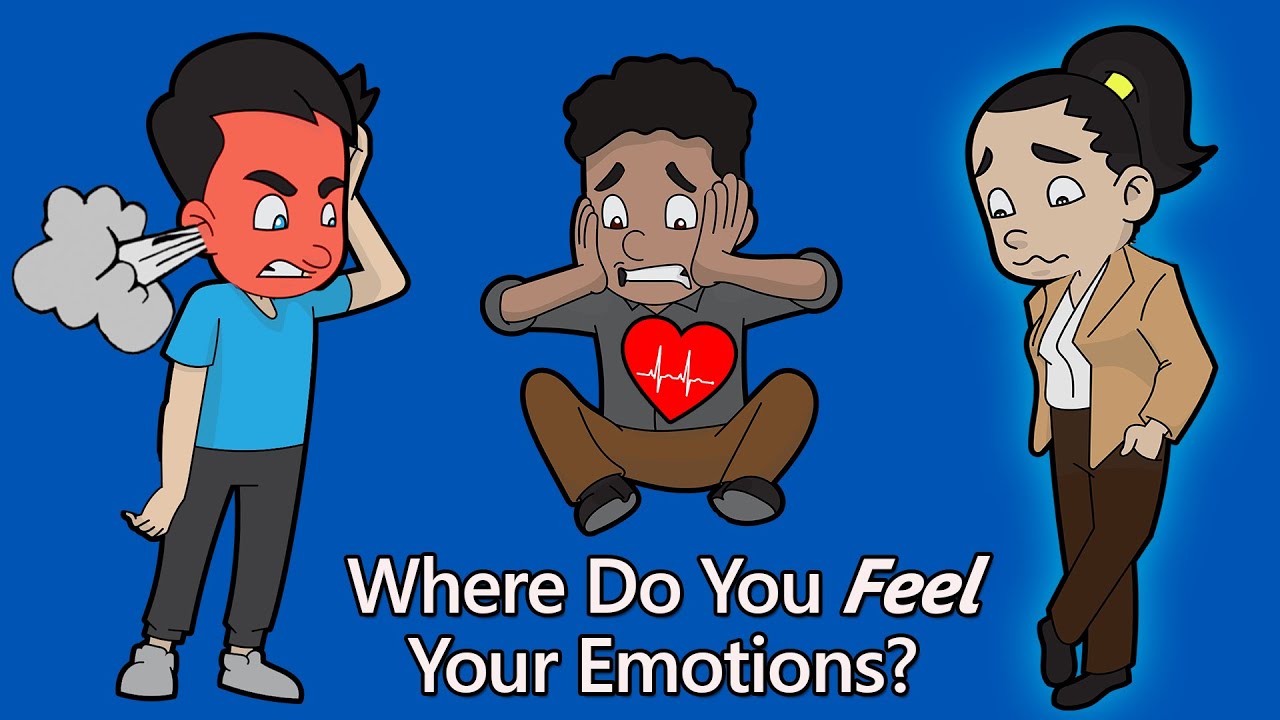
in decision making or it can be detrimental to decision-making emotions are temporary so we can think of emotions as one of the first things that we would experience when we react to a stressor and interestingly emotions are common among all people regardless of where they're from or their cultural background and there are several models of emotions so some models have just a few emotions some models have several the one that I like is a model that has six six emotions I feel like it captures the range of emotions that we would see anger disgust fear
happiness sadness and surprise these are the six basic emotions and usually with all six of these emotions individuals can identify these fairly readily and other people whether an individual is a trained mental health counselor or my health professional or not usually they can recognize the basic emotions now feelings have a more cognitive component to them so emotions are temporary they come on fast and they're an automatic reaction feelings on the other hand require cognitive awareness they require somebody to be aware of the environment aware of the emotion and to have a thought process connected to
that so you could think of feelings as emotions that are processed by thinking feelings tend to be long-lasting and they occur when emotions are assigned meaning so a feeling can be more expansive than an emotion or it can be less intense a feeling does generally last longer as I mentioned and oftentimes feelings are combined so an emotion can occur like surprise for example and a range of feelings can occur after that as the emotion is processed repeatedly through a cognitive process so what about effect and I'll throw in as I mentioned again mood effect and
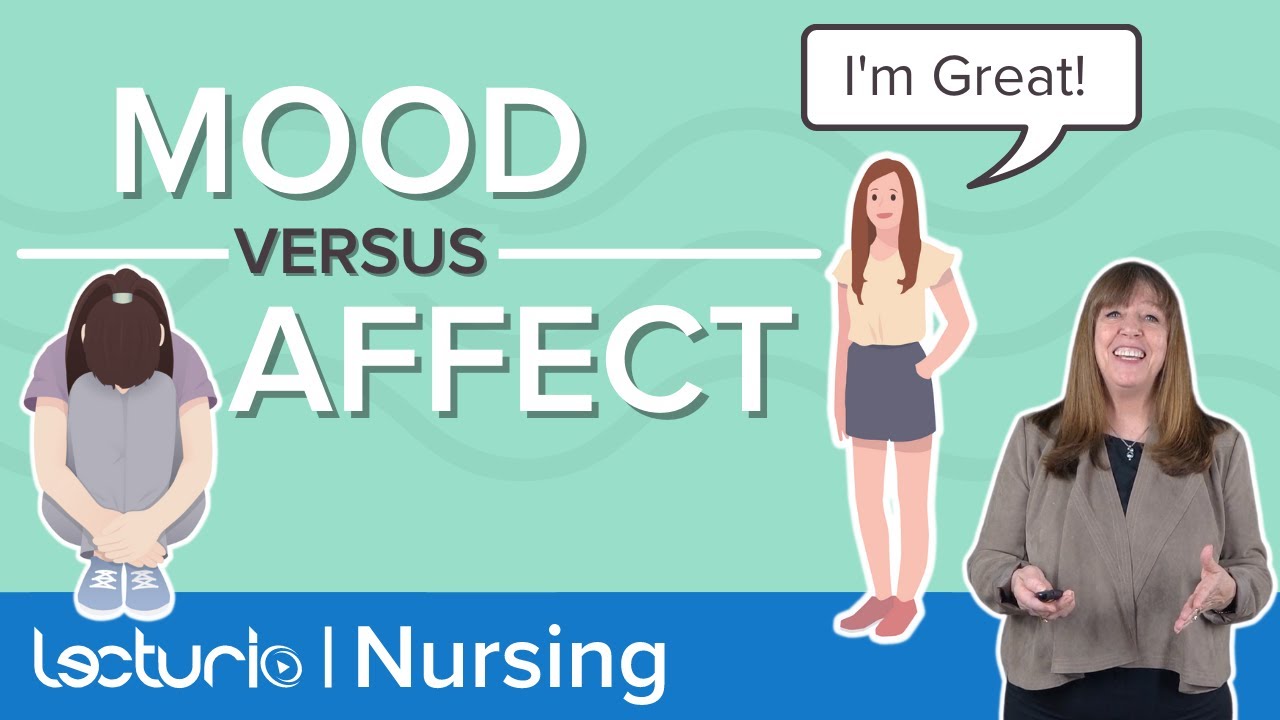
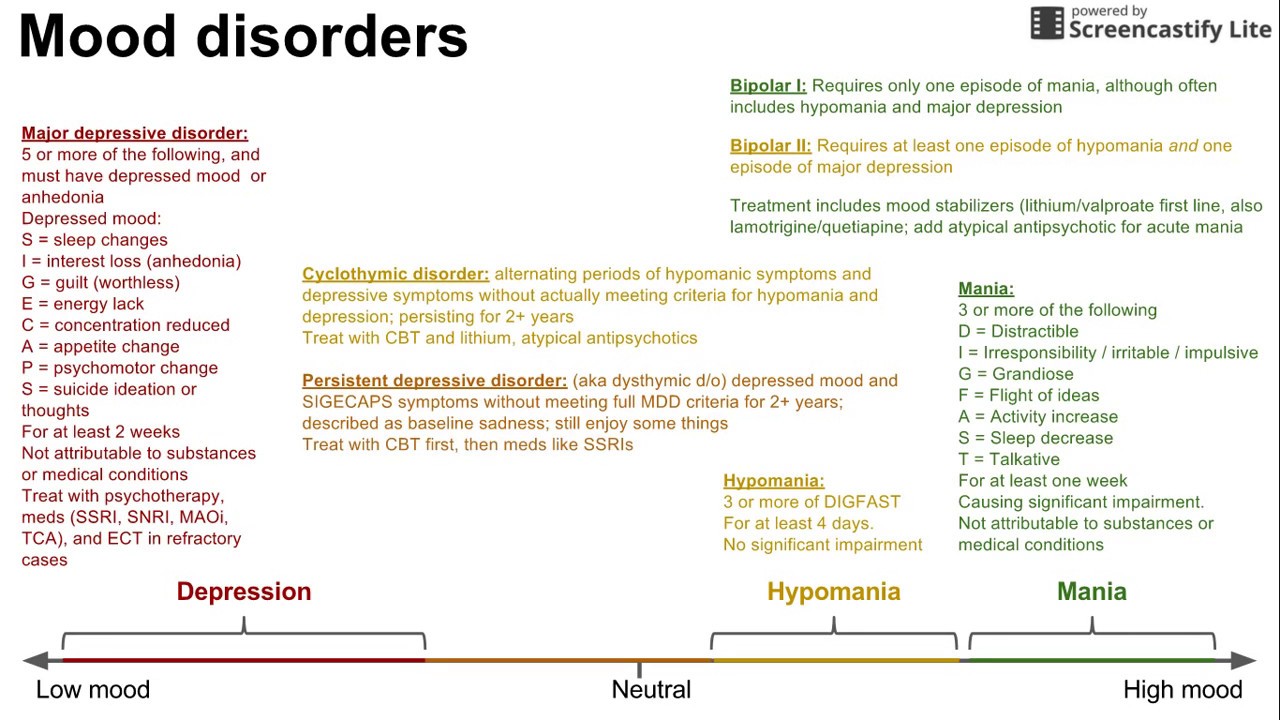
mood are usually thought of as feelings and emotions together so when we talk about effect a lot of time we use that word in counseling we're talking about appraisal we oftentimes see the word affect on structured intake forms so we're really talking about is how someone appears to be feeling or how they indicate their feeling and what the emotions might be what the emotions might be that led to those feelings mood is really the same thing as they affect in terms of the way we usually use it again technically there are differences between ass to
mood and there's a lot of different definitions for both but I think the most useful way to use effect and mood is probably interchangeably you could think of effect as complex having multiple feelings and emotions you could think the same way about mood if feelings are long-lasting and emotions are short lasting of course effect and mood could be long-lasting because it's both of those together and feelings have that long-lasting component it's not unusual to think of effect and mood as something that's immediate but also we think of as something that will last a few minutes
into the future if not a few hours so on an intake for example if a counselor indicates that a client has a depressed mood that maybe for just that moment but oftentimes we think of that as a condition as a state that's going to last a little while we wouldn't expect somebody to have a depressed mood and then a couple seconds later to not have a depressed mood whereas if somebody has the emotion of sadness that could pass very quickly so effect and mood both carry the connotation of complexity and a state that's lasting for
more than just the immediate time when you are observing somebody so again when considering emotions feelings in effect keep in mind there are many definitions this is just one way that I like to look at emotions feelings an effect because I believe it's useful I believe it draws a distinction between the terms that can matter in clinical mental health counseling I hope you found this description of emotions feelings and aspect to be interesting thanks for watching