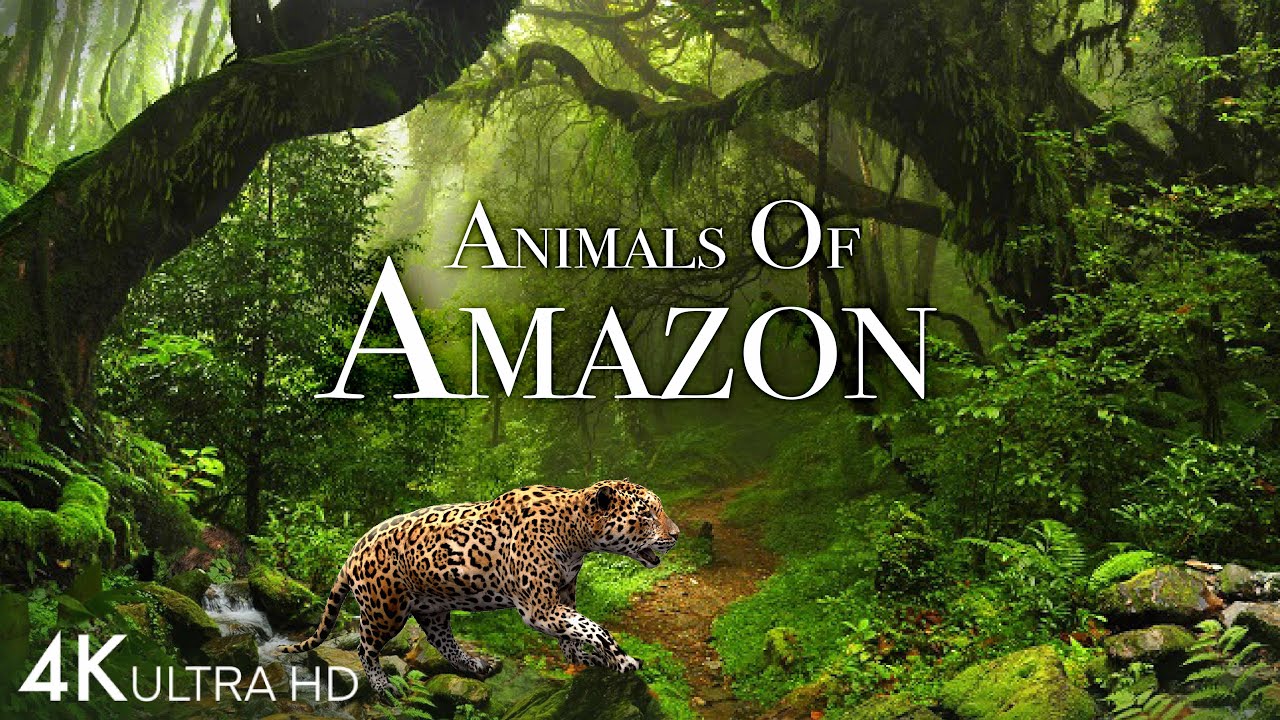
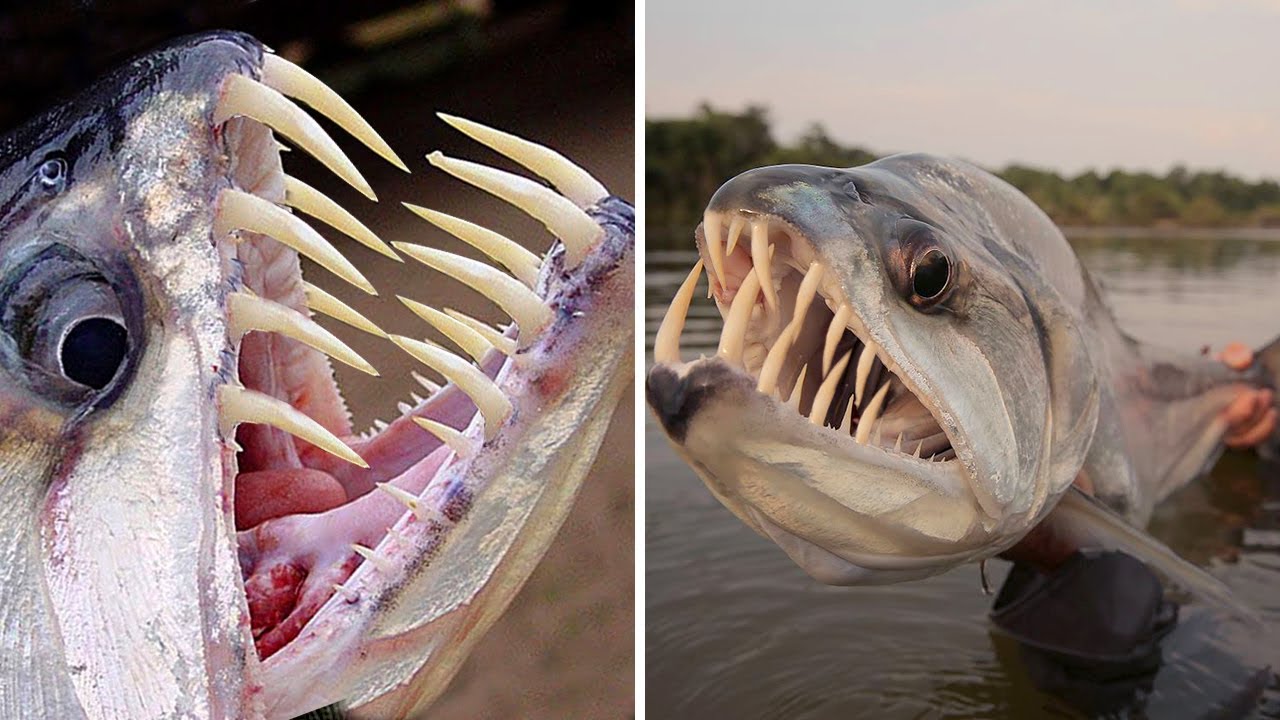
foreign the Amazon rainforest a place of unparalleled biodiversity hosts a myriad of fascinating yet dangerous creatures this video highlights 15 of the most perilous animals found in this vast vibrant ecosystem each involve the unique characteristics and deadly abilities of these animals illustrating why they've earned their place on this video number one the black caiman the black caiman a creature notorious for its sheer size and formidable hunting skills is one of the Amazon rainforest's most dangerous animals an adult black caiman can reach lengths of up to six meters or about 20 feet making it the largest predator in the Amazon ecosystem the black cayman's size coupled with its dark coloration gives it a significant advantage while hunting its dark scales help it blend into the murky Amazon Waters making it nearly invisible to unsuspecting prey the black caiman is a versatile predator and its diet includes a variety of creatures from fish and other reptiles to mammals that stray too close to the water's edge this Cayman has a particular fondness for capybara and sometimes even hunts anacondas the black caiman is especially dangerous due to its power and aggressive nature possessing an impressive bite force this reptile can clamp down on its prey with a pressure exceeding one thousand pounds per square inch in assuring that its prey has little chance of Escape once caught its formidable teeth designed for gripping and tearing can deliver a deadly bite to even the most robust creatures efforts are being made to protect and conserve this Majestic Predator the black cayman's hunting is now regulated and areas of its habitat are under protection research is also ongoing to understand the species better and Implement more effective conservation strategies the black caiman a key player in the Amazon ecosystem embodies the danger and mystery of the Amazon rainforest it stands as a testament to the complexity and raw power that nature holds reminding us of the respect that such formidable creatures command and the importance of conserving the intricate biodiversity of the world's largest rainforest despite its dangerous reputation it is an animal that deserves our admiration and protection for a world without such remarkable creatures would indeed be a much poorer one number two the poison dart frog known for its strikingly vibrant colors the poison dart frog seems less of a threat and more of a visual spectacle at first glance yet these Frogs native to the Amazon rainforest are among the most toxic animals in the world their name is derived from the indigenous people's practice of using their toxic secretions to poison the tips of blow darts there are over 100 species of poison dart frogs each with a unique pattern and coloration this vibrant coloration is not for Aesthetics but acts as a warning to Predators it is a form of aposematism a visual warning that the organism is dangerous or unpalatable the amphibian size belies their danger they are small typically measuring just 1. 5 centimeters in length although some species can grow up to six centimeters they spend their lives near water bodies as their larvae tadpoles require water for development interestingly in captivity without their diet of ants mites and termites from the rainforest poison dart frogs lose their toxicity indicating that the toxins they secrete are likely derived from their prey number three the bullet ant named for its excruciatingly painful sting comparable to being shot the bullet ant is one of the most feared insects in the Amazon rainforest it is the world's largest ant species reaching up to 1. 2 inches three centimeters in length and is primarily found in the humid lowland rainforests the bullet ants Venom is potent and contains a unique neurotoxic peptide ponora toxin this toxin affects the nervous system causing intense pain inflammation and temporary paralysis the pain from a bullet ant sting is reported to last for up to 24 hours despite their reputation bullet ants are generally not aggressive and only sting in self-defense when their colonies are Disturbed they live in large colonies often situated at the base of trees and feed on nectar and small arthropods a fascinating aspect of bullet ants is their role in the initiation rights of the indigenous satara ma people Young Warriors must endure multiple bullet ant stings while wearing gloves filled with these ants showcasing their strength and bravery although they are a part of the dangerous species of the Amazon rainforest both the poison dart frog and the bullet ant play essential roles in their ecosystem the understanding and respect for these creatures are a reminder of the intricate balance and immense diversity that make the Amazon rainforest a fascinating subject of study number four the Brazilian wandering spider one creature that induces fear among humans and animals alike in the Amazon rainforest is the Brazilian wandering spider also known as phonutria a name deriving from Greek meaning murderous notably it's been recognized by the Guinness World Records as the world's most venomous spider reflecting its capacity for inflicting harm Brazilian wandering spiders can reach a leg span of up to five inches with robust bodies and a distinct reddish to Brown hue their most distinguishing feature is their defensive stance when threatened they raise their two front legs revealing their fangs unlike other spiders that establish stationary webs or Burrows the Brazilian wandering spider is a nomadic Hunter giving it its name it roams the jungle floor at night in search of prey which primarily consists of insects small amphibians and sometimes even small birds and lizards their venom contains a potent neurotoxin which can lead to severe medical symptoms in humans it affects the nervous system causing intense pain paralysis and in severe cases it can lead to respiratory issues that may result in death if left untreated however Brazilian wandering spiders often deliver dry bites to humans without releasing Venom typically when they feel threatened but don't need to immobilize prey adding to their perceived danger is their tendency to inhabit human dwellings especially in Disturbed habitats and their aggressive of Behavior when they feel threatened It's Not Unusual to find these spiders in homes clothing cars or boxes of fruit their venom is also the subject of scientific research components of the Venom are being explored for potential medical applications for instance one of the Venom's peptides has been found to cause long-lasting erections in male victims leading researchers to investigate potential treatments for erectile dysfunction in their natural habitat Brazilian wandering spiders are essential for controlling pest populations they play a vital role as predators in the food chain helping to maintain the balance in the ecosystem despite their dangerous reputation human deaths from Brazilian wandering spider bites are relatively rare thanks to the development of effective anti-venoms and advances in medical treatment however their venomous bite and the resultant Health impacts along with their intimidating appearance justly warrant their recognition as one of the most dangerous animals of the Amazon rainforest the presence of creatures like the Brazilian wandering spider underscores the vast biodiversity of the Amazon rainforest the variety of life from the seemingly insignificant to the large and awe-inspiring each contributes to the complex Web of Life that makes this ecosystem one of the most unique on our planet respect for these creatures even the ones that send chills down our spines is essential for understanding and preserving this critical habitat and its residents number five the electric eel the electric eel despite its Serpentine appearance and Aquatic habitat is not an eel but a member of the knife fish family inhabiting the murky freshwater streams and ponds of the Amazon rainforest this creature is notorious for its ability to generate electricity making it a truly shocking predator in the Amazon's Waters electric eels can reach lengths of up to eight feet and can weigh as much as 20 kilograms they have elongated cylindrical bodies with a flattened head and they are generally dark gray or brownish on the upper body and yellowish underneath a remarkable feature of the electric eel is its specialized electric organs the main organ the Hunter's organ and the sax organ that make up about four-fifths of its body and contain electrocytes special cells that act like batteries when these cells are triggered they open ion channels allowing sodium to flow through and reversing the polarity momentarily this generates a sudden voltage difference and produces a shock electric eels use their electric shock in multiple ways low voltage electric fields are used for navigation and prey detection in their murky environment while high voltage shocks are employed for hunting and self-defense they can produce powerful electric shocks of up to 600 Volts for hunting and self-defense enough to stun or deter potential predators and incapacitate their prey their diet primarily consists of fish but they are also known to consume amphibians and even small birds and mammals interestingly they employ a unique hunting strategy where they leap out of the water to directly Electrify threats or prey ensuring effective delivery of the electric shock electric eels are solitary creatures and are mostly nocturnal during the dry season they burrow into the mud to avoid desiccation creating a form of hibernation in the Realms of science electric eels have captivated researchers interest due to their unique bioelectric ability Research into the electric eel's ability to generate electricity has even inspired the design of practical power sources although generally not deadly to humans an encounter with an electric eel especially a larger one can produce a shock strong enough to knock a person down or or cause temporary paralysis potentially leading to drowning in a water environment hence despite not being typically aggressive the electric eel is considered one of the Amazon rainforests most dangerous animals the electric eel reminds us that the Amazon rainforest is a place of Untamed wonder filled with creatures that defy our understanding of what is possible in the natural world despite their intimidating reputation these fascinating animals contribute to the rainforest's rich biodiversity and serve as a beacon of its untamed and electrifying Beauty their presence is a testament to the countless Mysteries the Amazon continues to hold and the boundless exploration it invites number six the South American rattlesnake the South American rattlesnake a venomous pit viper species found throughout the Amazon rainforest is a symbol of the deadly Beauty the rainforest conceals within its verdant foliage recognized by their iconic rattle at the end of their tails they are an epitome of lethal adaptation in the animal kingdom South American rattlesnakes can reach lengths of over 2 meters they exhibit a broad range of color patterns typically brown tan or yellowish providing excellent camouflage against the rainforest floor their triangular heads house Venom glands connected to Long Hollow fangs which can inject a potent Venom into their prey or threats these rattlesnakes are Ambush Predators often lying in weight for unsuspecting prey which primarily consists of small mammals birds and occasionally other reptiles their venom is a lethal cocktail of neurotoxins and myotoxins causing rapid paralysis and muscle damage ensuring the prey can't escape Once Bitten the rattle is a unique warning mechanism that the snake uses when it feels threatened it's made of interlocking keratin segments that create a distinct rattling sound when vibrated acting as a warning to potential Predators while they pose a significant threat to humans if provoked or accidentally Disturbed South American rattlesnakes are not typically aggressive towards humans however a bite if not promptly and correctly treated can lead to severe medical complications and potentially be fatal due to the potency of the Venom number seven the jaguar Jaguars the third largest big cats in the world and the largest in the Americas are powerful predators and an iconic symbol of the Amazon rainforest's wild Majesty these solitary and Elusive animals have a significant role in the ecosystem as apex predators helping maintain the delicate balance of the rainforest Jaguars are distinguished by their muscular build large head and robust Jaws which enable them to deliver a fatal bite to their prey their beautiful coat covered in Rosette patterns provides perfect camouflage in the dappled light of the rainforest they have a broad diet ranging from Deer Capybaras and tapers to reptiles and fish unique among big cats Jaguars often kill their prey with a powerful bite through the skull right between the ears demonstrating their brute strength despite their formidable reputation Jaguars usually avoid confrontations with humans however when cornered or when humans encroach upon their territories they can be a serious threat reinforcing their place among the Amazon's most dangerous animals sadly these magnificent creatures are threatened by habitat loss and retaliatory killings for livestock predation however conservation efforts are ongoing to protect these Majestic cats and their habitat ensuring that their silent Roars continue to echo through the depths of the Amazon rainforest the sight and mere presence of a Jaguar the ghost of the forest truly embodies the Amazon's enigmatic and Untamed spirit number eight the green anaconda with its unparalleled size and Serpentine Grace the green anaconda stands as one of the most formidable predators of the Amazon rainforest it is the heaviest and one of the longest known Snake species globally contributing to its Infamous reputation green anacondas can reach lengths of up to nine meters and weigh more than 200 kilograms their thick robust bodies are covered in olive green scales with black blotches providing excellent camouflage in the swampy aquatic environments they inhabit these snakes are semi-aquatic with eyes and nostrils positioned on top of their heads allowing them to lurk almost entirely submerged in water while observing their surroundings and waiting for prey their diet primarily consists of large rodents deer caimans and even Jaguars green anacondas are constrictors meaning they coil their muscular bodies around their prey and squeeze until the prey succumbs to Suffocation or Cardiac Arrest they are capable of swallowing their prey whole due to their jaws flexible ligaments despite their intimidating size and predatory prowess green anacondas pose little direct threat to humans they tend to avoid human interaction and attacks on humans are exceptionally rare number nine the red-bellied piranha contrary to popular myths red-bellied piranhas are not the Mindless human-eating machines often portrayed in media nonetheless their sharp teeth strong jaws and opportunistic feeding habits make them one of the Amazon rainforests most dangerous creatures red-bellied piranhas reaching up to 30 centimeters in length are named after their distinctive reddish Hue on their undersides their most formidable feature is their sharp triangular teeth which can tear through flesh with ease they primarily feed on fish insects worms Crustaceans and the occasional small mammal or bird they are also known for their Scavenging Behavior often feeding on weak or dead animals while not the vicious Predators often depicted they can display aggressive feeding behaviors when food is scarce or when they feel threatened red-bellied piranhas use a variety of communication methods including acoustic signals body language and odors surprisingly they are also capable of making barking sounds when they feel threatened while not typically a threat to humans piranhas can inflict severe bites if disturbed or threatened cases of piranhas biting humans usually occur in Shallow Waters where the fish are trapped and stressed the Mystique surrounding the red-bellied piranha highlights the Amazon rainforest's intriguing complexity even though the reality of these creatures is less Sensational than the Legends they still command respect and caution reminding us that the Amazon rainforest is a realm where the unexpected thrives number 10 the giant centipede lurking within the leaf litter and the decaying logs of the Amazon rainforest is an arthropod that strikes both fear and Fascination in the hearts of those who cross its path the Amazonian giant centipede known scientifically as scolopendra gigantea this is one of the largest centipedes in the world with some specimens recorded at over 30 centimeters in length the giant centipede has a long flattened body segmented into 21 to 23 sections each featuring a pair of legs its body color varies from dark brown to a reddish orange Hue while its legs are a lighter yellow orange creating a stark contrast at the front of its body it has a pair of modified legs known as forcipules which act as venomous fangs used to incapacitate its prey the giant centipede is a voracious and opportunistic Predator it has been known to prey on a wide variety of animals including insects spiders other centipedes and even vertebrates such as small birds lizards frogs and rodents its diverse diet and adaptable hunting strategy make it a successful Predator within the rainforest ecosystem despite their terrifying reputation giant centipedes Are Not typically aggressive towards humans however they can deliver a painful and venomous bite if handled or accidentally Disturbed which can cause severe pain swelling fever and in rare cases more serious symptoms as such they are rightfully considered one of the Amazon rainforest's most dangerous creatures the presence of the Amazonian giant centipede is a testament to the remarkable adaptability of life in the face of challenging environments despite their unsettling appearance and venomous bite these centipedes symbolize the raw Untamed beauty of the Amazon rainforest reminding us that every organism no matter how formidable has its place in the Web of Life their existence continues to provoke awe and respect for the Myriad life forms that call the Amazon home number 11.
the harpy eagle the harpy eagle raining high above the canopies of the Amazon rainforest is one of the largest and most power powerful Raptors in the world with their striking appearance unparalleled hunting prowess and breathtaking flight these birds of prey are a Marvel of the avian World adult Harpy eagles can grow up to a meter long with a wingspan of over two meters they are easily recognized by their slate gray upper body contrasting white underbody and a striking black band across the chest their large expressive eyes a sharp hooked beak and a crown of double pointed feathers on their heads add to their formidable appearance RP Eagles are apex predators within their ecosystem primarily feeding on tree dwelling mammals like they employ a sit and weight hunting strategy perching silently on high Vantage points and swooping down swiftly onto their unsuspecting prey their incredibly strong Talons which can exert a pressure of over 50 kilograms enable them to snatch up prey and carry them off for consumption surprisingly despite their size Harpy eagles are extremely agile Flyers capable of maneuvering skillfully through the dense rainforest while not posing a direct threat to humans the harpy eagle is a symbol of the wild and Untamed Spirit of the Amazon rainforest their existence is unfortunately threatened by habitat loss and hunting number 12. the pit viper among the many venomous snakes in the Amazon rainforest the pit vipers are some of the most dangerous belonging to the family Viper a day they are named for the heat-sensitive pit organs located between their eyes and nostrils which enable them to detect warm-blooded prey pit vipers are recognized by their triangular heads slim bodies and vertically slit pupils they exhibit a variety of colorations and patterns often providing excellent camouflage against their surroundings their venomous fangs which can retract when not in use are capable of delivering a potent Venom their diet mainly consists of small mammals birds and reptiles they are Ambush Predators often lying motionless until a prey animal comes within Striking Distance pit vipers contribute to the Amazon's astonishing biodiversity and remind us of the complex balance of life within this vibrant ecosystem their presence underpins the rainforest's reputation as a place of beauty Fascination and inherent danger number 13. the giant otter the Amazon rainforest is home to many unique creatures but few are as charismatic and compelling as the giant otter known as the riverwolf this is the world's largest otter species reaching lengths of up to 1.
7 meters giant otters have a streamlined body a flat rounded tail and webbed feet all adaptations for a semi-aquatic lifestyle their dense water repellent fur is a dark brown color and they have a unique white throat patch which is distinct in each individual much like human fingerprints these otters are social animals living in family groups of up to 20 members they communicate through a complex repertoire of vocalizations postures and scent markings the groups work together in hunting and their diet primarily consists of fish but they also eat crabs snakes and small Caymans despite their playful demeanor giant otters are apex predators in their aquatic ecosystem they are Territorial and will aggressively defend their home range particularly their dense sites and nearby foraging areas while they pose no threat to humans unless provoked their size strength and sharp teeth make them one of the Amazon rainforests most formidable creatures number 14. the Amazonian giant centipede as the name suggests the Amazonian giant centipede is a true giant among its kind with some individuals reaching up to 30 centimeters in length this imposing creature with its elongated segmented body and multitude of legs is considered one of the most formidable arthropods of the Amazon rainforest the Amazonian giant centipede is a voracious Predator it hunts and feeds on a diverse array of prey including insects spiders and even small vertebrates like bats lizards and mice it catches its prey with its powerful front legs and then uses its venomous fangs to immobilize the victim their venom is potent and can cause severe pain in humans making them a creature to be wary of when exploring the Amazon rainforest however like many creatures in the Amazon they are generally more afraid of humans than we are of them and they prefer to flee rather than attack unless cornered or provoked the presence of the Amazonian giant centipede in the rainforest ecosystem is a powerful Testament to the immense biodiversity and ecological balance found within this rich and complex habitat despite their fearsome reputation they are an essential part of the ecosystem acting as a natural form of pest control number 15.