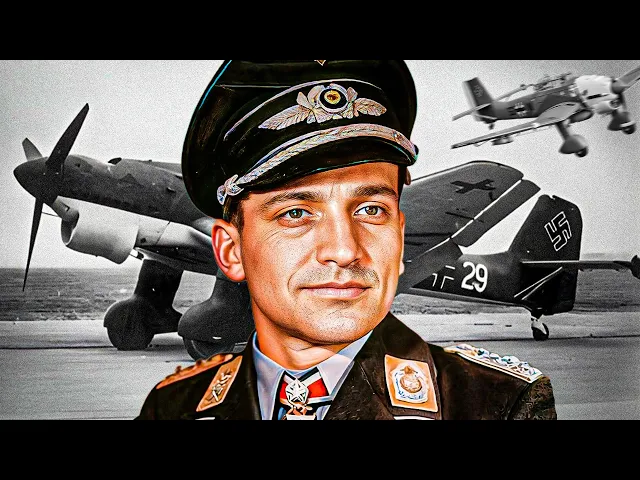
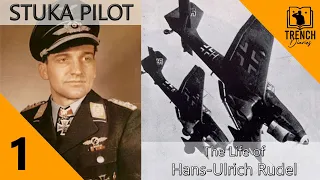
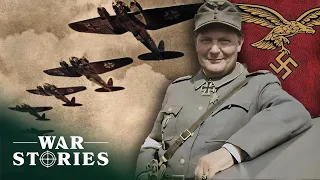
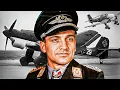
The Dark Side of Germany's Most Decorated WW2 Pilot: Hans-Ulrich Rudel During World War II, one German pilot destroyed over 500 tanks, sank a battleship, and flew 2,530 combat missions. , yet his legacy is far more complex than these impressive numbers suggest. The story of Hans-Ulrich Rudel, from decorated Luftwaffe hero to post-war neo-Nazi, is a tale of exceptional skill and controversial choices.
So let’s discover in today's video how a celebrated war hero became such a troubled figure in post-war history. September 23, 1941: Rudel's Stuka dive bomber soared towards the Soviet battleship Marat in Kronstadt harbor. With precision, he scored a direct hit, sinking the massive warship and solidifying his reputation as the Luftwaffe's most effective pilot.
This is only one of Hans-Ulrich Rudel's extraordinary achievements during his military career that set him apart from his peers. His combat record is staggering: 2,530 missions flown, 519 tanks destroyed, and one battleship sunk. These numbers alone tell a tale of relentless dedication and skill, but they only scratch the surface of Rudel's wartime exploits.
Rudel's journey as a pilot began with four missions on his first day of combat, quickly establishing him as a fearless aviator. His aggressive flying style became his trademark, often diving from dangerously low altitudes to ensure precision bombing. This tactic was crucial for his role in ground support, where accuracy could mean the difference between life and death for the German troops below.
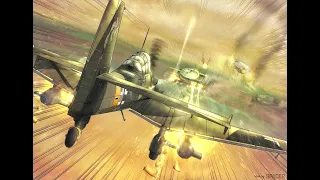
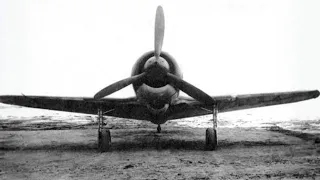
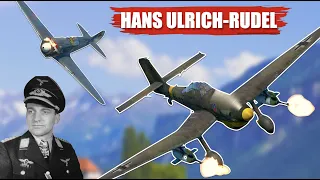
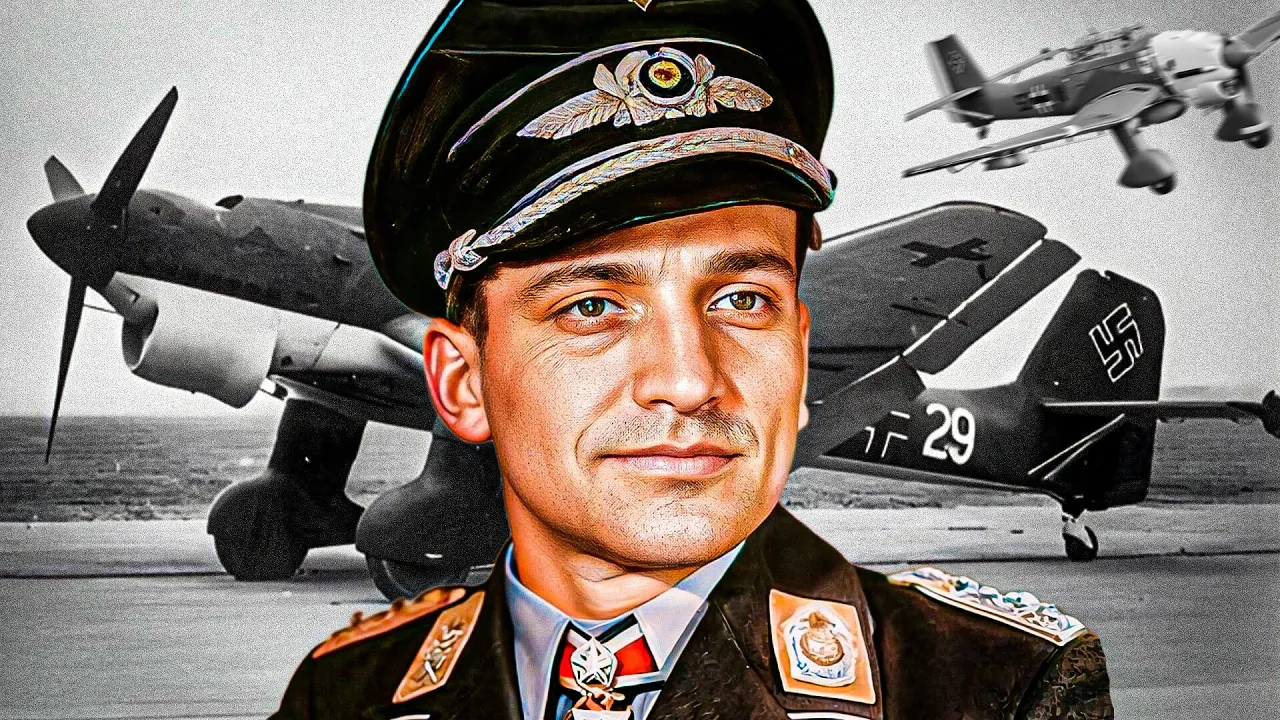
The Junkers Ju 87, more commonly known as the Stuka dive bomber, was Rudel's weapon of choice. This aircraft, known for its distinctive siren wail during dives, became an extension of Rudel himself. He pushed the Stuka to its limits, using it not just for bombing runs but also as a tank-killer.
During the Battle of Kursk, Rudel's skill in this role reached new heights when he claimed to have destroyed twelve Soviet tanks in a single day. Rudel's determination was perhaps his most defining characteristic. He famously stated, "Only he is lost who gives himself up for lost.
" Throughout his career, Rudel was shot down or forced to land 30 times and sustained five wounds. Yet, each time he returned to the skies. On 8 February 1945, Rudel sustained severe injuries to his right foot and managed to land within German territory while his radio operator provided flight instructions.
As a result of his injuries, Rudel had his leg amputated below the knee. Within weeks Rudel was back in the cockpit, flying combat missions with a prosthetic leg. As the war progressed and Germany's situation became increasingly desperate, Rudel's missions grew more dangerous.
He flew in conditions that would have grounded most pilots, often returning with his aircraft riddled with bullet holes. Despite the mounting risks, Rudel's effectiveness only seemed to increase. His ability to locate and destroy enemy armor made him a crucial asset on the Eastern Front, where Soviet tank superiority was a constant threat.
Rudel's exceptional service did not go unrecognized. He received numerous decorations, culminating in the Knight's Cross with Golden Oak Leaves, Swords, and Diamonds - the highest military honor in Nazi Germany. This award symbolized his status as one of the most decorated German servicemen of the war.
A revealing detail about Rudel comes from Hitler who idolized Rudel. While presenting an award to Rudel, Hitler said: "You are the greatest and most courageous soldier the German people have ever had. " On April 19, 1945, just one day before Adolf Hitler's last birthday, Rudel had a meeting with Hitler in the Führerbunker located at the Reich Chancellery in Berlin.
Subsequently, on May 8, 1945, Rudel fled westward from an airfield near Prague. He successfully landed in territory controlled by the United States and ultimately surrendered. The American authorities refused to extradite him to the Soviet Union.
He was released from captivity in 1946. In 1948, Rudel bought a fake Red Cross passport under the alias "Emilio Meier," and escaped to Buenos Aires Argentina. This marked the beginning of a controversial new chapter in Rudel's life, one that would tarnish his wartime reputation and raise questions about his true character.
Once in Argentina, Rudel founded the "Kameradenwerk,"or in English "Comrades Agency" a relief organization for Nazi war criminals. This group assisted various former Nazis in escaping justice and establishing new lives in South America. Among its members was SS officer Ludwig Lienhardt, who faced extradition demands from the Soviet Union due to allegations of war crimes.
Other notable individuals included Kurt Christmann, a former Gestapo member who received a ten-year sentence for his actions in Krasnodar, Austrian war criminal Fridolin Guth, and German spy August Siebrecht, who operated in Chile. Beyond assisting Nazi criminals who managed to escape to Argentina, the "Kameradenwerk" also provided support to those imprisoned in Europe, such as Rudolf Hess and Karl Dönitz, by sending food parcels and sometimes covering their legal expenses. Rudel's participation in these activities revealed a continued loyalty to the Nazi cause that went beyond mere nostalgia for his days as a pilot.
Perhaps the most notorious example of Rudel's post-war activities was his role in sheltering Josef Mengele, the infamous Nazi doctor known for his cruel experiments at Auschwitz. Rudel, with the help of Willem Sassen—a Dutch former member of the Waffen-SS and Wehrmacht war correspondent—played a significant role in the escape of the notorious Nazi doctor to Brazil. Initially working as Rudel's driver, Sassen facilitated this relocation by introducing Mengele to Wolfgang Gerhard, a supporter of the Nazi regime.
Their journey continued in 1957 when Rudel and Mengele travelled to Chile to meet with Walter Rauff, the architect behind the infamous mobile gas chambers, a meeting that underscored the lengths to which these figures went to evade justice and maintain their networks. Rudel's involvement in far-right activities wasn't limited to helping fugitive Nazis. He also became an arms dealer, supplying weapons to various right-wing regimes in South America.
His clients included the Brazilian military and the dictatorial governments of Augusto Pinochet in Chile and Alfredo Stroessner in Paraguay. This new role as a merchant of war stood in stark contrast to his previous image as a heroic pilot defending his country. Despite living in exile, Rudel maintained connections to far-right politics in Germany.
In 1953, he returned to his homeland to participate in the federal election as the top candidate for the German Reich Party, a far-right political organization. Although he was not elected, this descent into politics revealed Rudel's enduring commitment to extreme right-wing ideologies. Rudel's post-war activities extended to writing as well.
He authored several books, including his wartime memoirs "Trotzdem" ("Nevertheless") which was released in November of 1949. The publisher of the book was Dürer-Verlag based in Buenos Aires. This publisher, active from was known for releasing various apologetic works by former Nazis and their associates, which sparked significant debate in West Germany regarding Rudel's right to publish given his notorious affiliation with the Nazi regime.
In Trotzdem, Rudel openly endorsed Nazi policies and criticized the Wehrmacht's leadership for not adequately supporting Hitler. As the geopolitical climate shifted during the Cold War, the book was later re-edited and released in the United States as Stuka Pilot, further emphasizing his support for the German invasion of the Soviet Union. The controversy surrounding Rudel's post-war life came to a head in 1976 with the "Rudel Scandal.
" High-ranking officers of the Bundeswehr, Germany's modern armed forces, invited Rudel to a veterans' reunion. Rudel participated in the reunion, where he signed copies of his book and provided several autographs, but he chose not to make any political remarks. This invitation to a former Nazi who openly expressed far-right views caused public outcry and political turmoil, forcing a reckoning with Germany's past and its treatment of former war heroes.
During the 1978 World Cup in Argentina, Rudel paid a visit to Germany national team's training camp. This visit drew criticism from the German media, which perceived it as an endorsement of the military dictatorship that had taken power in Argentina after the 1976 coup d'état. Even Rudel's death in 1982 stirred controversy.
During his funeral, two Bundeswehr F-4 Phantoms conducted a low-altitude flyover as part of a flight path commonly used by military aircraft in the area. Despite this occurrence, Bundeswehr officials asserted that the aircraft were not intentionally flown over the funeral. Additionally, four attendees were photographed performing Nazi salutes, leading to an investigation under laws prohibiting the display of Nazi symbols.
In response to the incident, Federal Minister of Defence Manfred Wörner clarified that the aircraft's flight was part of routine training exercises. To understand Hans-Ulrich Rudel's motivations, we need to look beyond his military achievements and examine the man behind the myth. Rudel, raised as the son of a Lutheran minister, developed a strong sense of discipline and resilience.
This foundation influenced his philosophy, expressed in his motto: "Only he is lost who gives himself up for lost. " However, Rudel's motivations changed after the war. His involvement in far-right activities and support for neo-Nazi causes reveal a complex personality driven by more than just patriotism.
Rudel's post-war actions suggest a deep belief in the ideologies he fought for. His decision to help Nazi war criminals escape justice indicates a loyalty to the Nazi cause that went beyond nostalgia for his pilot days. The contrast between Rudel's wartime heroism and post-war controversies has sparked debates about his legacy.
Some argue his military achievements should be viewed separately from his later political activities, praising his skills as a pilot, while others contend that his unwavering support for Nazi ideology, even after the war's end and the exposure of the regime's atrocities, taints his entire legacy. This underscores the complex relationship between individual heroism and the cause it serves, raising uncomfortable questions about the nature of courage and skill when aligned with a reprehensible regime. Thank you for watching!
We hope you found this video informative. If you enjoyed learning about today's topic, make sure to check out our video about 5 Notorious Nazi Officers Who Escaped Justice. It’s an intriguing story about some of the most notorious figures who slipped through the fingers of justice.
Don't forget to like this video, subscribe to our channel, and hit the notification bell to stay updated on more WW2 content. See you in the next one!