in development now robotic prosthetic limbs controlled by your mind scientists tell us it's closer to reality than most people might think there's a new technology called artificial touch it uses electronic sensors to help people who've lost limbs actually feel things again let's say you lose an arm in a car crash with this new technology when you go to pick up your phone with your prosthetic you'll actually feel that you're holding something essentially the sensors use vibrations to restore sensations and scientists say this technology is just the beginning on miracles in the works here's cnbc's meg
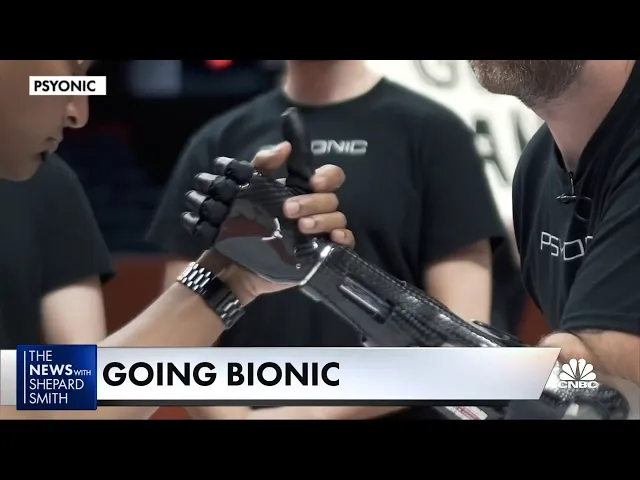
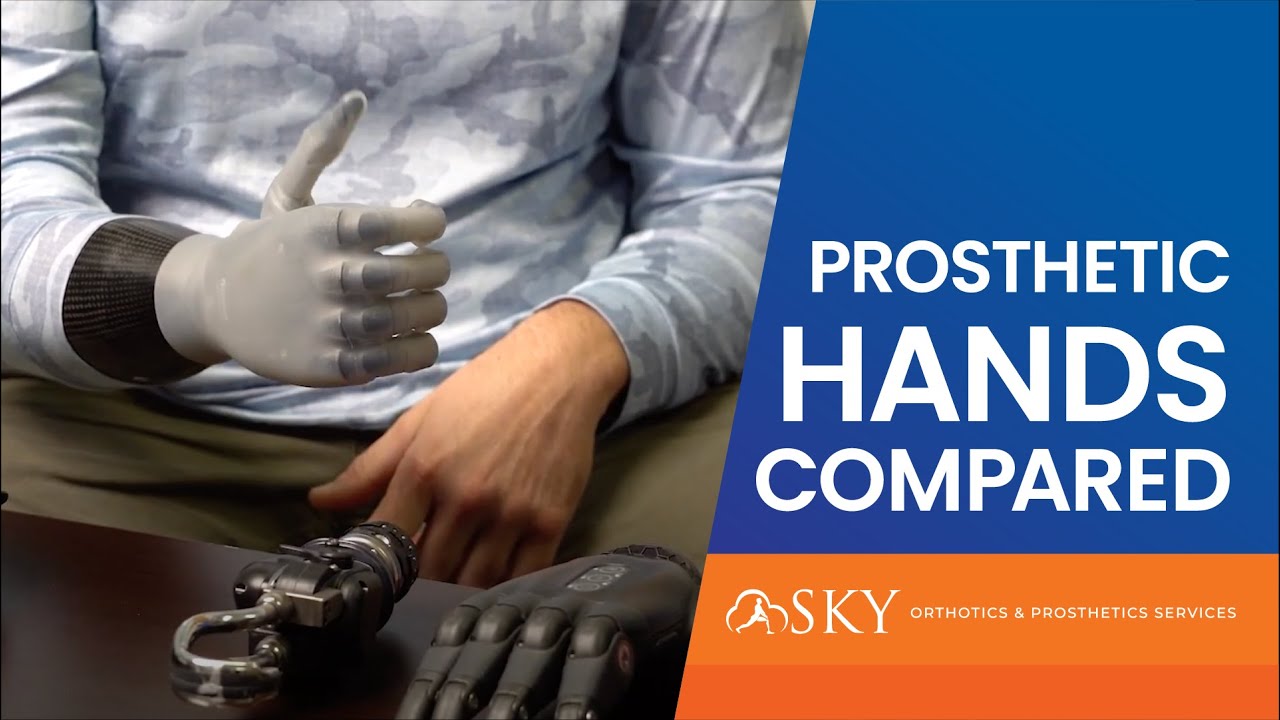
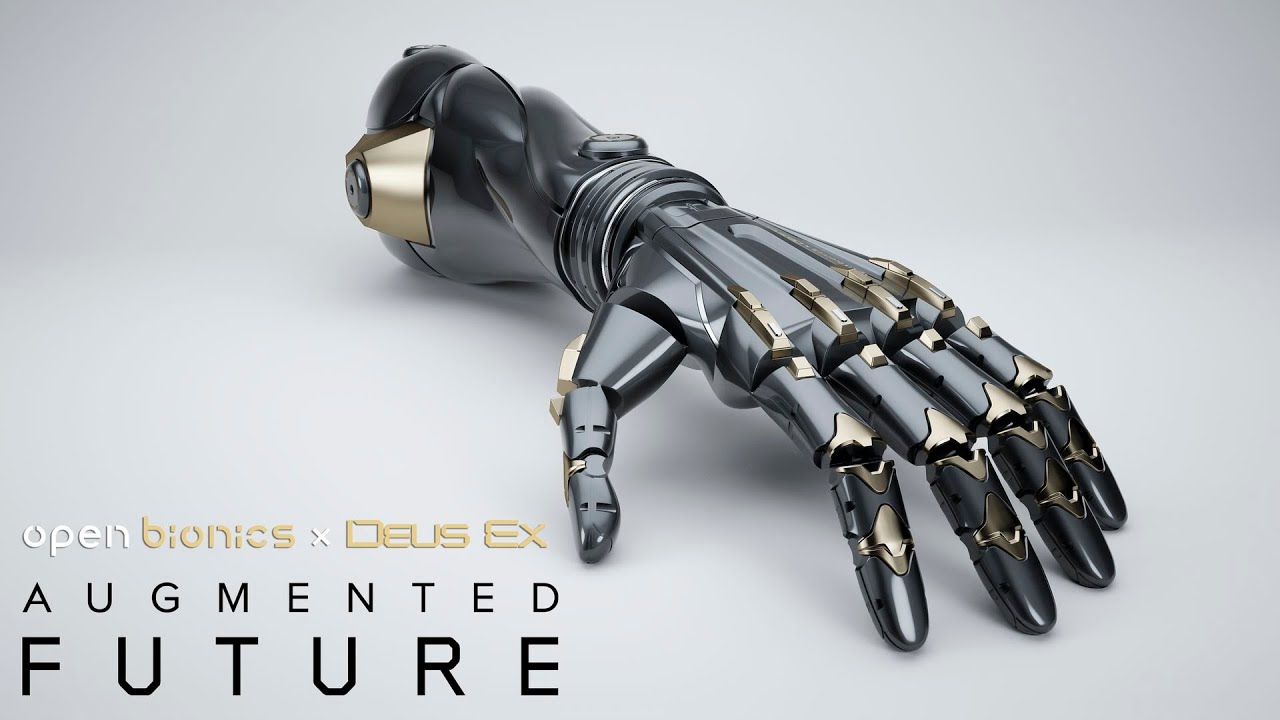
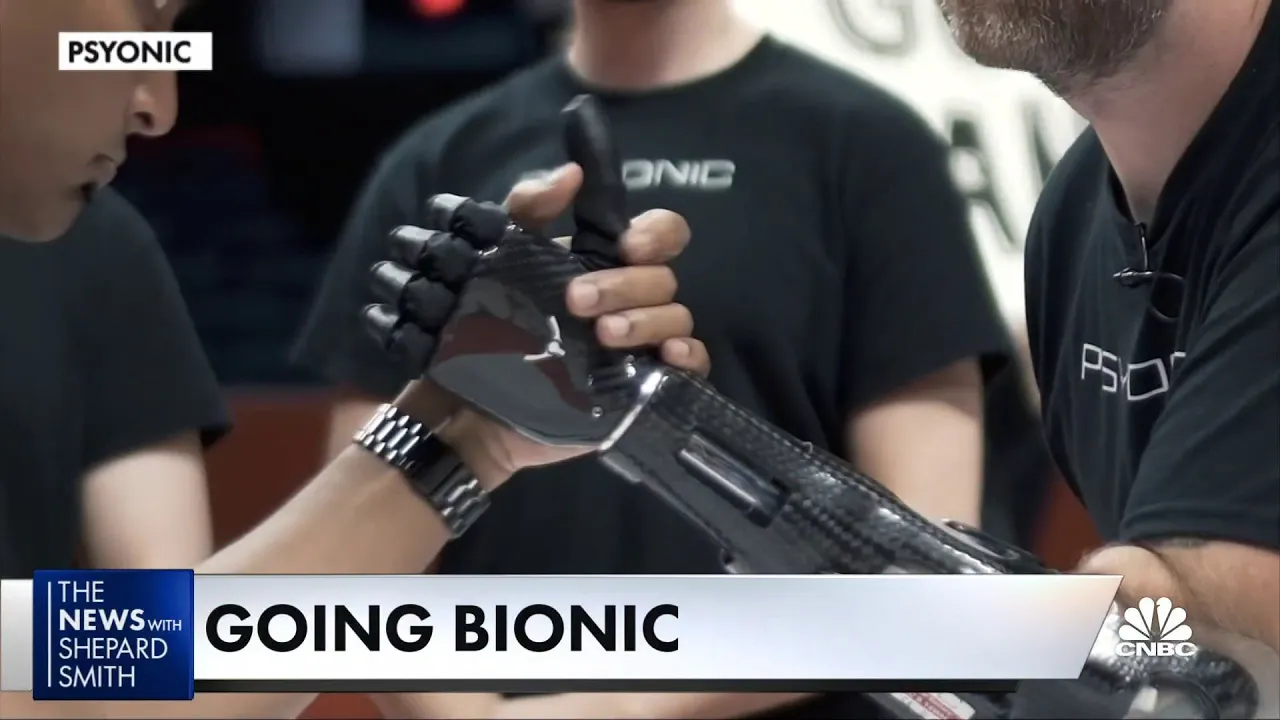
tyrell most of us take a handshake like this for granted but not former army sergeant garrett anderson from champaign illinois who lost his right hand back in 2005. while serving in iraq and out on patrol sergeant anderson was hit by a roadside bomb the shrap metal came up through the vehicle it severed my arm and broke my jaw in seven spots and i have a mild traumatic brain injury today he uses this a fully robotic prosthetic bionic limbs like these work by receiving signals from the user's own muscles it's super light super strong adeel akhtar
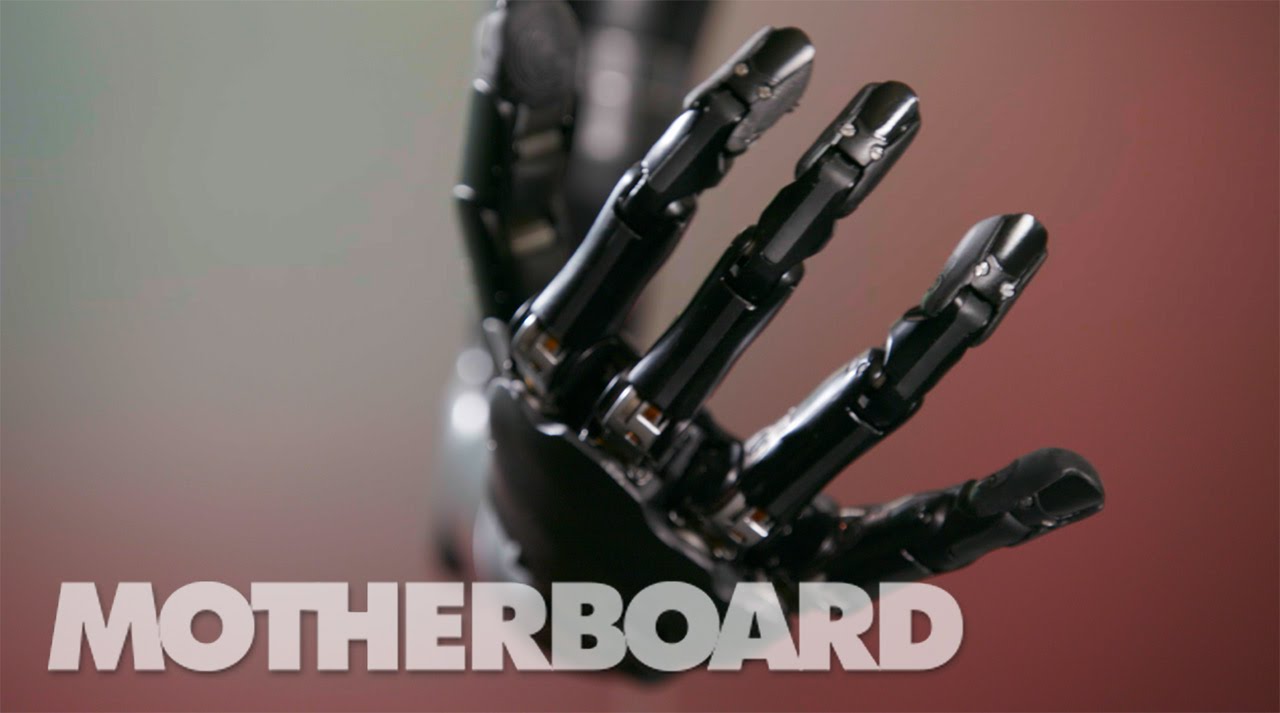
is the creator of the ability hand and ceo of psionic a small startup outside of chicago it's actually detecting all the different positions i'm making with my fingers the latest model armed with human-like movement quick reflexes and engineered strong enough to withstand even an arm wrestling match it takes a lot of strength to withstand the forces of arm wrestling and so we designed the ability hand to be that strong [Applause] but what makes the ability hand different is it provides touch feedback to the wearer we have touch sensors that relay that information back to your
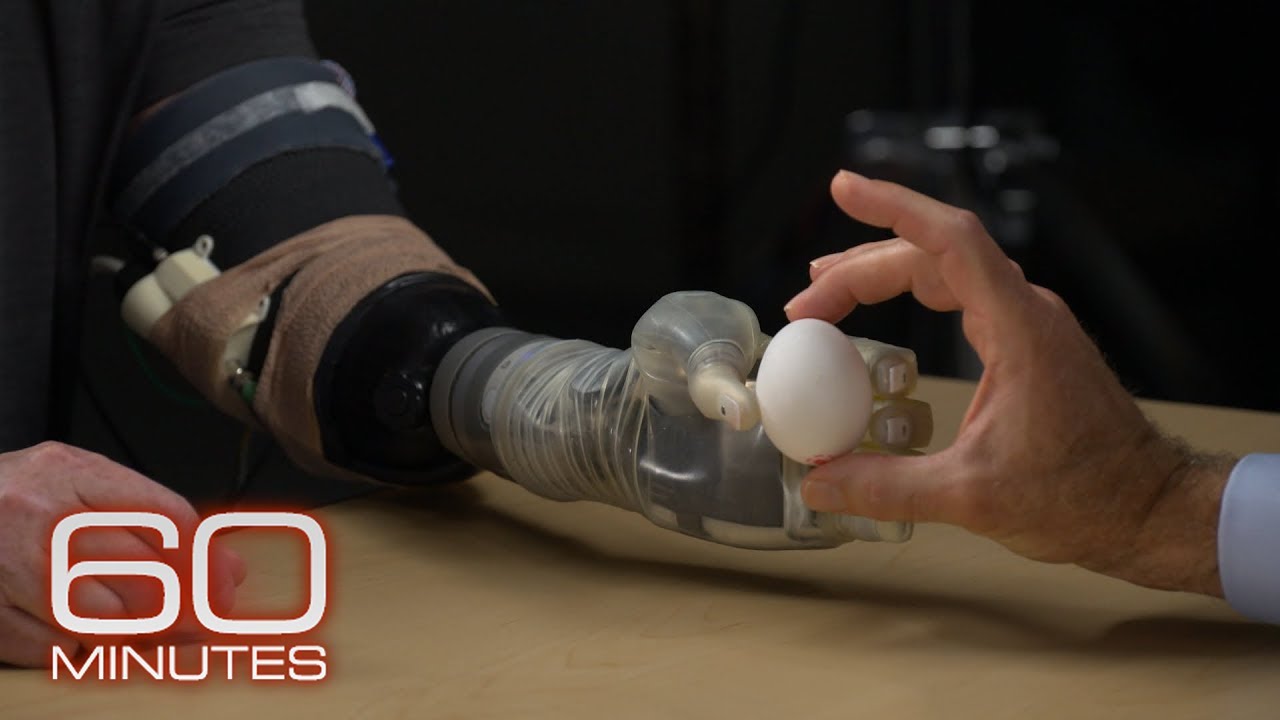
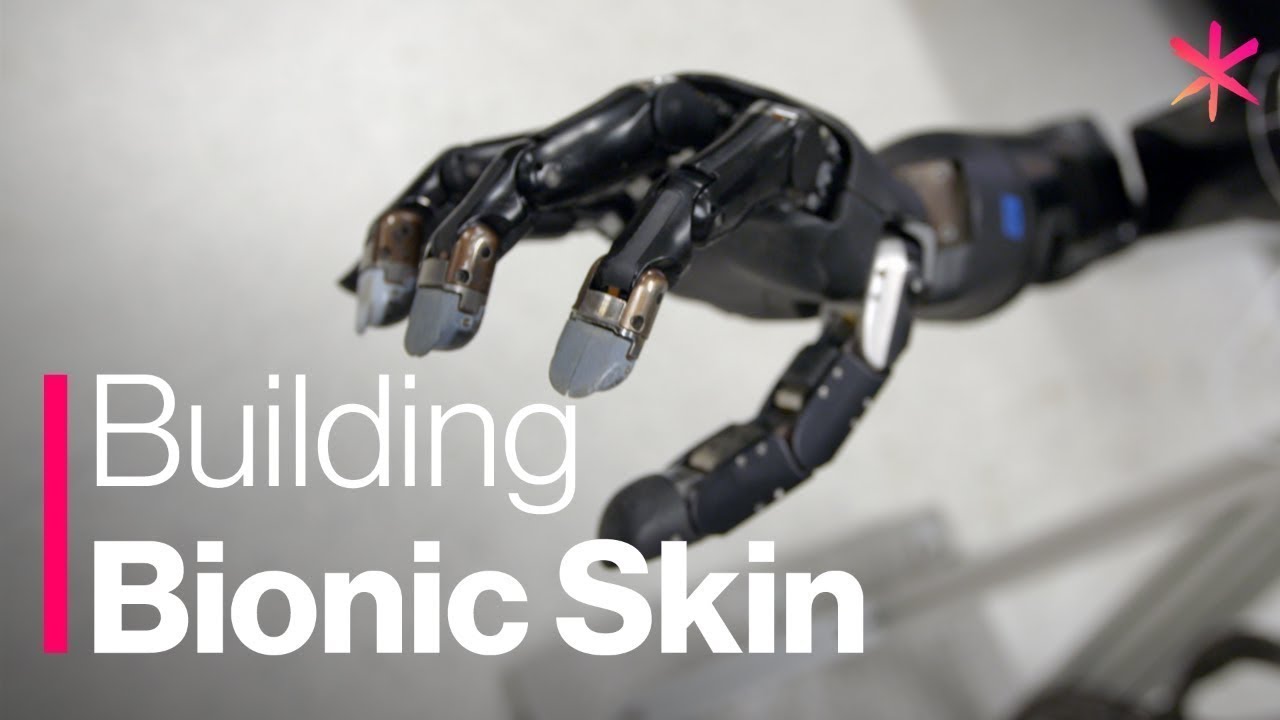
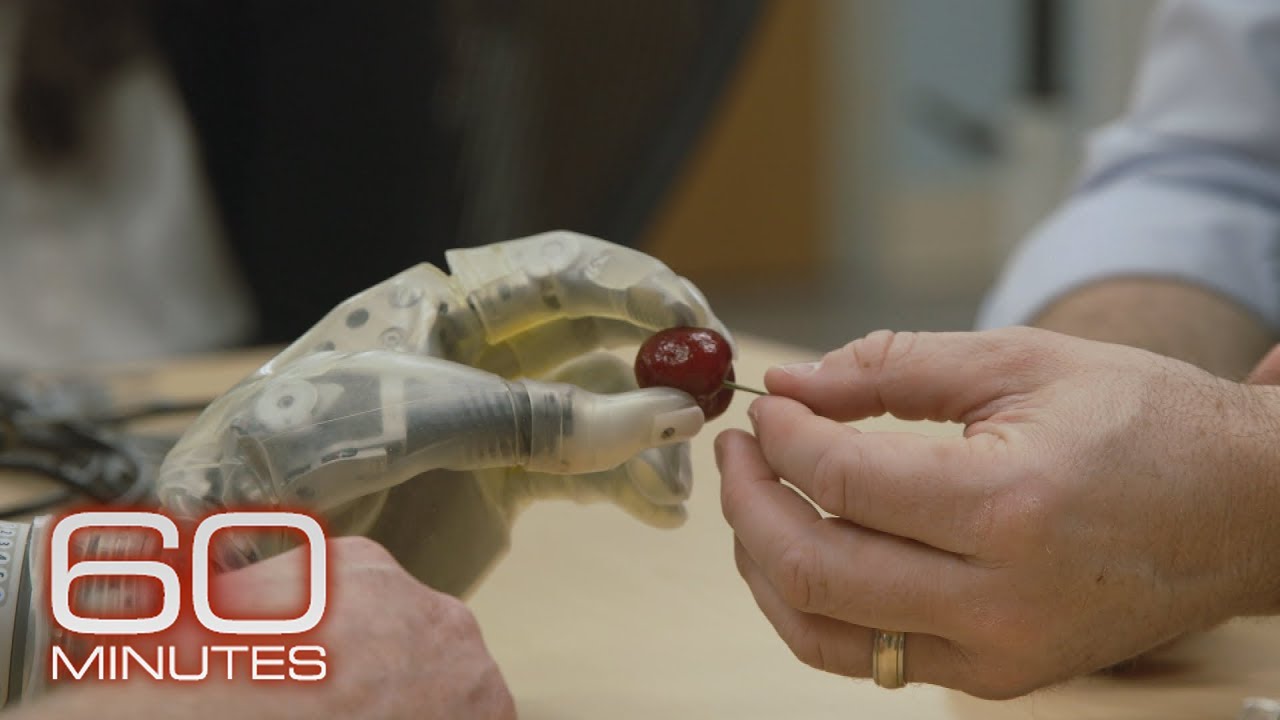
brain through a vibration motor so that when you actually touch an object you can feel it users are now able to feel the difference between holding something gently and crushing it a distinction sergeant anderson appreciates deeply now finally able safely to hold his daughter's hand it was kind of surreal that since we feedback of her touching my hand and feeling the vibration through the prosthetic it was kind of neat because obviously i could never feel that today bionic limbs like these are in their infancy limited to just simple vibrations but more complex sensations like temperature
and even texture are on the horizon researched by scientists across the country what we need to do next is convey the information that the sensors record back to the user in a natural and intuitive way dr levi hargrove scientific chair at the shirley ryan ability lab in downtown chicago says in the future implanted devices will be able to stimulate the nerves directly harnessing the power of artificial intelligence to more fully merge man and machine the field of ai is just accelerating so quickly you hear self-driving cars industrial control robots they all use these algorithms the
importance of ai is going to be absolutely critical to unlock the potential of these limbs dr hargrove says advances like these implants are still in the experimental stage now being used in just a handful of people across the world but he says as they get a better sense of how to stimulate the nerves to restore feeling making them more widely available could be three to five years away shepherd smith here thanks for watching cnbc on youtube