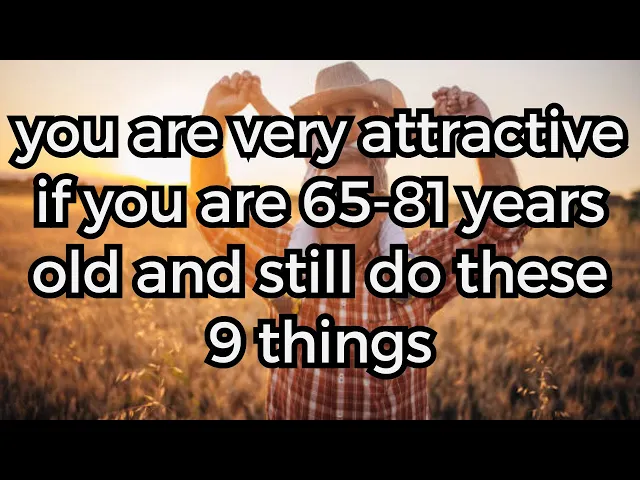
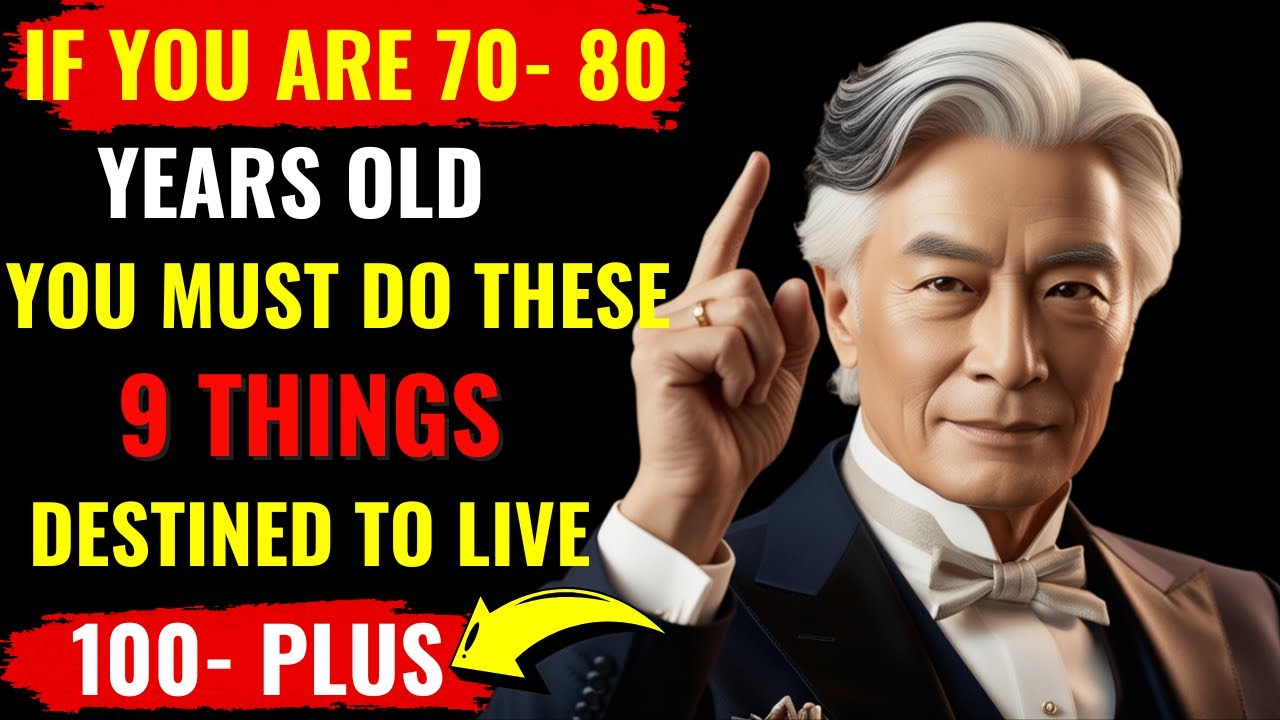
Have you ever wondered what makes someone truly attractive as they grow older? It's not just about appearances, but the wisdom, resilience, and vibrancy that come with life's experiences. In this video, we'll uncover nine powerful qualities that make individuals between 65 and 80 years old incredibly magnetic.
These traits draw people in, showing the strength of spirit and the beauty of a life well-lived. Watch until the end to see if you or someone you know possesses these timeless qualities—ones that inspire, uplift, and redefine attractiveness in the golden years. Before we begin, I would appreciate it if you liked this video.
You can help me continue to spread the old age lesson. If you still need to subscribe, I recommend you subscribe and turn on the bell so you can see all the videos. If you like this video, please comment number one.
If you don't like it, comment number zero to let me know so I can make a better video for you. Now, let's get started. 1.
Staying Physically Active The power of movement is a fundamental aspect of our existence, playing a vital role in physical and mental well-being, particularly as we navigate the journey of aging. Embracing physical activity in your 60s, 70s, or even into your 80s transcends mere fitness; it fosters a youthful spirit that invigorates your entire being. The multitude of benefits associated with regular exercise is well documented and widely recognized.
It significantly enhances cardiovascular health, fortifies bones, increases flexibility, and aids in maintaining a healthy weight. However, the advantages of staying active extend far beyond the physical realm. Engaging in regular movement profoundly influences not only how you feel about yourself but also how others perceive you.
When you consciously choose to incorporate movement into your daily life—whether through leisurely walks in the park, invigorating swims at the local pool, nurturing a garden, or letting loose on the dance floor—you send a powerful message to the world: you are determined to live life to the fullest in this phase of life. Physical activity transforms into a bold statement against the stereotype that aging inevitably leads to a decline in vitality and enthusiasm. It exemplifies resilience and determination—traits that are not only admirable but also inherently attractive, as they signal that you are actively in control of your destiny.
Consider, for instance, the image of an older adult who embraces their daily walks with a cheerful spring in their step, radiating energy and positivity. Or think of the individual who joins a local Tai Chi class, seeking to improve their balance while cultivating mindfulness and tranquility. These individuals embody a vibrant spirit, and their enthusiasm for life becomes infectious.
Observers cannot help but feel inspired by their commitment to maintaining physical capability and their unwavering refusal to allow age to dictate their narrative. Moreover, maintaining an active lifestyle reflects a profound and ongoing commitment to self-care, which is an essential ingredient of attractiveness at any age. This commitment not only benefits the body but also nourishes the mind and spirit.
Staying physically active promotes mental clarity and emotional stability, as exercise stimulates the release of endorphins—those wonderful feel-good chemicals that uplift mood and alleviate stress. By choosing to stay active, you are not just prioritizing your physical health; you are also projecting an inner radiance that is hard to ignore. This glow, born from a life filled with movement and purpose, serves as a beacon of inspiration to those around you, encouraging them to embark on their journeys of vitality and fulfillment.
2. Engaging in Lifelong Learning A curious mind never ages. There's something undeniably magnetic about individuals who maintain a sense of curiosity and an eagerness to learn new things, even as they advance in age.
When you're actively pursuing knowledge at the ages of 65, 70, or even 80, you are sending a powerful message: the desire for personal growth and understanding is not bound by age. Lifelong learning keeps your mind sharp, infuses your perspective with freshness, and enriches your conversations, making them engaging and lively. Lifelong learning can manifest in various ways.
Whether you're enrolling in a class at a local community college, diving into a new subject through reading, or keeping up with current events, the act of learning helps you stay connected to the world around you. It signifies that you are not stagnant or set in your ways, but possess a vibrant, inquisitive spirit. People are naturally drawn to those who continually expand their horizons, regardless of their age, because such individuals radiate energy and enthusiasm for life.
For older adults, the opportunities for lifelong learning are diverse and plentiful. Perhaps you've decided to learn a new language, opening up a world of communication and cultural understanding. You might be picking up a musical instrument, allowing yourself to express creativity and connect with the joy of music.
Alternatively, you could be finally taking up that hobby you've always been curious about, like painting, gardening, or writing. Maybe you're mastering new technology, such as smartphones or social media platforms, to maintain connections with family and friends. Whatever your pursuit may be, your willingness to learn exemplifies humility and adaptability—qualities that are deeply attractive because they showcase your acknowledgment that there's always more to discover.
Engaging in lifelong learning is not only about sharpening the mind; it also offers profound emotional benefits. This pursuit fosters a sense of purpose and accomplishment, which can help stave off feelings of isolation or stagnation that sometimes accompany the aging process. When you invest in your intellectual growth, you nourish your self-worth and vitality, reinforcing your sense of identity.
This inner drive, this relentless quest for knowledge, makes you magnetic to others, as they are naturally drawn to your enthusiasm for life and all it has to offer. Imagine meeting someone at the age of 75 who has just finished reading a thought-provoking book or is animatedly discussing a. .
. New skill: they're mastering their energy, zest for life, and intellect. Sexual engagement creates an atmosphere of fascination and intrigue.
They serve as a reminder that aging is not a justification for halting personal growth; instead, it represents a golden opportunity to deepen our understanding of the world and ourselves. Embracing lifelong learning at any stage of life encourages us to continuously evolve, making each day a chance for discovery and growth. If you are still watching this video and finding these lessons useful, please comment "number one" below to let me know that you are still watching this video with me.
Thank you for your valuable time. Three: maintaining a sense of humor. Laughter is a timeless gift.
Humor is frequently regarded as one of the most endearing and charming qualities a person can possess, and its value only deepens as we age. Keeping a sense of humor while growing older transcends merely telling jokes or amusing anecdotes; it encompasses the ability to see the lighter side of life, embrace its inherent absurdities, and discover joy in the seemingly mundane moments of our daily existence. The ability to laugh at oneself and to find amusement in the unpredictable twists and turns of life is a rare and profoundly attractive trait that not everyone possesses.
As we journey through life, we inevitably encounter a series of challenges that can weigh heavily on our spirits: health issues that may arise, the painful loss of loved ones, and the evolving dynamics within our families and friendships. However, those who can maintain a sense of humor in the face of these adversities showcase an inner strength that is not only admirable but also inspiring. They serve as a reminder that while we may not always have control over what life throws our way, we do have the power to choose how we respond to these circumstances.
Laughter becomes a powerful form of resilience, a way of proclaiming, "I choose joy, no matter what the situation may be. " Consider the older adult who continues to share light-hearted stories and who can laugh at their aging process without a hint of bitterness or resentment. Their humor reflects a profound sense of self-awareness and a positive outlook on life, demonstrating that they are not defined by their past experiences or overly consumed by anxieties about the future.
Instead, they skillfully find ways to savor the present moment, cherishing the small joys that life has to offer. This remarkable ability to embrace the unpredictability of life with a smile is not only incredibly attractive, it also creates an atmosphere of ease and comfort for those around them. The warmth of their humor fosters connection, bridging gaps that might otherwise feel insurmountable.
When you share a laugh with someone, you create a bond that transcends spoken language, establishing a sense of understanding and camaraderie. This quality becomes especially important as we age, when the significance of meaningful connections and relationships grows even more pronounced. People are naturally drawn to those who can lighten the mood and make others feel at ease, and a well-timed laugh can serve as a balm for many worries.
Moreover, the benefits of laughter extend beyond emotional well-being; they also manifest in physical health improvements. Laughter has been shown to reduce stress, lower blood pressure, and even enhance the immune system's functioning. By consciously choosing to maintain your sense of humor, you're not only enriching your own life but also radiating a positive energy that others find irresistible.
This infectious joy not only brightens your day but also uplifts those fortunate enough to share in the laughter with you, creating a ripple effect of positivity that can enhance the lives of many. Four: nurturing relationships. The heart of attraction.
At the very essence of our humanity lies an inherent need for connection. As we journey through life and reach our later years, the quality and depth of our relationships take on an even greater significance, profoundly influencing our overall well-being and happiness. Whether you are 65, 80, or beyond, if you prioritize nurturing the relationships in your life, you embody a form of attractiveness that is deeply rooted in compassion, loyalty, and emotional richness.
As we grow older, we often gain a clearer understanding of what truly matters in life, and relationships consistently rise to the forefront of that realization. This includes your connections with a spouse, children, grandchildren, or cherished friends. Each relationship you maintain reflects a profound sense of love, care, and commitment.
You recognize that the moments we share with others are invaluable and fleeting, prompting you to cherish and make the most of every opportunity for connection. Nurturing relationships involves much more than merely staying in touch; it requires being genuinely present for the people you care about, offering unwavering support in times of need, and actively creating lasting memories together. When you invest time and energy into your relationships, you convey a powerful message that the people in your life are of utmost importance to you.
This kind of emotional investment not only strengthens your connections but is also profoundly attractive to those around you. Consider the grandparent who never misses a family gathering, the friend who reaches out just to check in and see how you're doing, or the spouse who continues to express affection and appreciation even after decades of shared life. These everyday acts of love and loyalty reveal a level of emotional maturity that is both comforting and inspiring to others.
When people observe how deeply you care for those around you, they cannot help but be drawn to your warmth, kindness, and the genuine joy you find in your relationships. Beyond the emotional benefits, nurturing relationships also bring tangible, practical advantages to your life. Research consistently shows that strong social connections contribute to improved longevity, a decreased risk of cognitive decline, and enhanced overall mental health.
By maintaining close bonds with loved ones, you are not only enriching your attractiveness; you Are actively promoting your health and happiness as you navigate the later chapters of your life. In essence, the heart of attraction lies in the relationships we cultivate, reflecting our inner beauty and the profound joy we find in our connections with others. Drssing for confidence, not age.
Style is a personal statement. There's an undeniable allure in individuals who possess a strong sense of their style and dress in ways that radiate confidence, comfort, and authenticity. If you're 65, 80, or even older, and you still care about how you present yourself to the world, you're sending a powerful and empowering message: "I value myself, and I refuse to be confined by society's narrow expectations of what aging should look like.
" This act of self-affirmation not only enhances your self-esteem but also serves as an inspiration to others. Attractiveness has little to do with simply wearing the latest fashion trends or adhering to any specific standard of beauty; instead, it's fundamentally about understanding what makes you feel good in your skin and embracing your unique sense of style. Whether it's a tailored jacket that fits you perfectly, a beloved pair of shoes that feels just right, or a vibrant scarf that adds a splash of personality to your ensemble, the way you dress is a direct reflection of your confidence in who you are.
When you wear what resonates with you, it shows. For older adults, dressing well can be a powerful form of self-expression and self-care. It goes beyond merely trying to impress others; it's about cultivating a sense of pride and comfort in your appearance.
When you choose clothing that makes you feel good, whether that means opting for soft fabrics, flattering cuts, or lively colors, you project an air of self-assuredness that is truly magnetic. This confidence not only enhances your attractiveness but also enriches your interactions with others. Moreover, dressing for confidence also entails liberating oneself from outdated notions about what constitutes age-appropriate clothing.
Who says you can't wear bold colors, chic accessories, or your favorite pair of jeans simply because you're over 65? By embracing your style, you actively reject the idea that aging necessitates fading into the background or conforming to a muted palette. Instead, you are boldly stepping into each day with a sense of pride and individuality that defies conventional stereotypes.
Consider the older adult who consistently appears put together, not out of a desire to impress anyone else but because they genuinely enjoy taking care of themselves and their appearance. Their attention to detail, their appreciation for quality fabrics and well-made garments, and their keen understanding of what makes them feel good all contribute to their overall attractiveness. They serve as a reminder that style is timeless and that true beauty emanates from within.
Their confidence shines through, illustrating that age is just a number and that personal expression through fashion is always in style. If you are still watching this video and finding these lessons useful, please comment number two below to let me know that you are still watching this video with me. Thank you for your valuable time.
Being adaptable to change. Flexibility is strength. Adaptability stands out as one of the most underrated yet compelling aspects of attractiveness, particularly as we navigate the complexities of aging.
Life is a journey punctuated by a myriad of changes—some anticipated and others completely unforeseen. The ability to embrace these changes with grace, resilience, and an open heart is a powerful trait that can significantly enhance one's appeal. Whether you're 65, 80, or beyond, your capacity to remain flexible in the face of life's transitions showcases a level of strength and open-mindedness that others find profoundly attractive.
As we age, we often encounter a series of adjustments that can challenge our routines and perceptions. These adjustments may include learning to navigate new health challenges, adapting to evolving technologies, or managing shifts in family dynamics and relationships. Individuals who remain adaptable in these situations not only exhibit courage but also illustrate that they are not afraid of change; instead, they embrace it as a natural and essential part of life.
This inherent flexibility reflects a forward-thinking mindset—one that is perpetually open to new possibilities and experiences, regardless of age. Consider the inspiring example of an older adult who learns to use a smartphone or tablet to stay connected with family and friends. This individual recognizes the importance of maintaining relationships and actively seeks out new ways to communicate.
Similarly, think of someone who, after retiring, takes up a new hobby or engages in an unfamiliar activity such as painting, dancing, or volunteering. Their willingness to step outside of their comfort zone and try new things not only reveals a youthful spirit but also serves as an inspiration to others. This adventurous attitude demonstrates that life is a continuous learning experience filled with opportunities for personal growth and connection.
Moreover, adaptability is a clear reflection of emotional intelligence. It indicates that an individual can cope with life's inevitable ups and downs without becoming overwhelmed or entrenched in outdated patterns. This kind of resilience is particularly attractive because it signals that you are not only capable of handling life's challenges but are also willing to grow and evolve as a result.
When others witness your ability to embrace change with a positive outlook, they are naturally drawn to your strength, optimism, and zest for life. You become a beacon of inspiration, reminding those around you that aging is not synonymous with rigidity or stagnation. Rather, it's about learning to navigate the currents of life with grace, adaptability, and a spirit of adventure.
Embracing this philosophy invites others to rethink their perceptions of aging, seeing it instead as a phase of life ripe with potential and new experiences. Embracing your passions: the joy of purpose. One of the most captivating qualities in any individual, irrespective of their age, is their unwavering ability to pursue their.
. . Passions with enthusiasm and dedication.
If you find yourself at the age of 65 or even 80, actively engaging in activities that bring you genuine joy and fulfillment, you exude a kind of energy that is not only enchanting but also contagious. Passion infuses life with meaning and vitality, and when you wholeheartedly pursue your interests, you demonstrate to others that you are still deeply connected to the world around you. Whether your passions manifest through painting, gardening, playing music, writing, volunteering, or any other creative outlet, they are a reflection of your inner vitality and zest for life.
They convey to the world that you remain vibrant, curious, and purposeful. For older adults, embracing your passion serves as a powerful affirmation that aging is not merely a time for slowing down but an opportunity to discover new ways to engage with the things that matter most to you. While your interests may evolve, the act of immersing yourself in activities you love remains a constant source of joy and fulfillment.
Consider the older adult who spends hours meticulously tending to their garden, skillfully creating beautiful artwork, or joyfully mentoring younger generations. Their passion is not only evident in the quality of their work but also in the sheer delight they derive from the process itself. This enthusiasm is magnetic; it illustrates that you are living life with intention and purpose rather than simply going through the motions.
Moreover, passion fosters a profound sense of connection with others. When you share your passions with the world, whether by teaching others, collaborating with peers, or simply discussing what ignites your excitement, you create opportunities for meaningful interactions. People are naturally drawn to those who display a genuine passion for something; it serves as a reminder of the joy that can be derived from pursuing one's interests and aspirations.
In addition to enhancing your attractiveness, embracing your passions can significantly impact your overall well-being. Engaging in meaningful activities has been consistently shown to reduce stress, improve mental health, and even increase longevity. Thus, by continuing to pursue your passions, you not only enrich your own life but also inspire those around you to seek out their interests and passions.
Your journey becomes a beacon of encouragement, reminding everyone that it's never too late to follow what you love. In doing so, you contribute to a vibrant tapestry of shared experiences, nurturing a community where joy, creativity, and purpose flourish. Eight: Prioritizing emotional well-being.
Peace from within. Emotional well-being stands out as one of the most crucial components of attractiveness, especially as we advance in age. If you find yourself at the age of 65, 80, or even beyond, and have consciously chosen to prioritize your mental and emotional health, you embody a profound sense of inner peace.
This tranquility emanates from within, creating an aura that naturally draws others to you. At this stage in life, you've undoubtedly faced a myriad of challenges, losses, and transitions—experiences that could easily have weighed you down. Instead, you've embraced the opportunity to cultivate emotional resilience, allowing these experiences to enrich your character rather than diminish your spirit.
Cultivating emotional well-being involves dedicating time to self-care, engaging in mindfulness practices, and developing healthy strategies to manage stress. It's vital to understand that emotional well-being isn't about avoiding difficult emotions or pretending that life is always idyllic; rather, it's about recognizing and acknowledging your feelings, taking the time to process them, and discovering ways to maintain equilibrium in your life. By prioritizing your emotional health, you demonstrate to others that you are in tune with yourself, showcasing your ability to navigate the inevitable ups and downs of life with grace and composure.
This inner peace becomes incredibly attractive, as it fosters a sense of calm and stability in your interactions with others. People are naturally drawn to individuals who are emotionally grounded, as they provide an essential sense of comfort and security. When those around you observe that you are not easily rattled by life's inevitable challenges, they often feel more at ease and relaxed in your presence, appreciating the safe harbor you create in your relationships.
Furthermore, prioritizing your emotional well-being also entails nurturing healthy relationships with others. You have likely learned the importance of setting boundaries, communicating effectively, and fostering connections that bring you genuine joy and fulfillment. This emotional maturity is profoundly attractive because it signals that you value not only yourself but also the people you choose to surround yourself with.
Your ability to create and maintain healthy relationships reflects a depth of character that is appealing and inspiring to others. In addition to the interpersonal benefits, emotional well-being has significant implications for your physical health as well. Numerous studies have established a close link between emotional health and overall well-being, indicating that those who prioritize their emotional well-being often experience a reduced risk of chronic illnesses and improved cognitive function.
By taking care of your emotional health, you are not only enhancing your attractiveness to others but also promoting your long-term health and happiness. Embracing this holistic approach to well-being enriches your life and fosters a fulfilling existence, allowing you to thrive well into your golden years. If you are still watching this video and finding these lessons useful, please comment "number three" below to let me know that you are still watching this video with me.
Thank you for your valuable time. Nine: Showing gratitude. A heart full of thanks.
Gratitude is undeniably one of the most powerful and transformative forces in life. Those who consistently practice gratitude tend to radiate a positivity that is genuinely contagious and impossible to ignore. If you find yourself at the age of 65, 80, or beyond, and you continue to express gratitude for the people, experiences, and opportunities that have graced your life, you embody a captivating attractiveness that is deeply rooted in humility, wisdom, and grace.
At this stage in life, you have likely journeyed through both the exhilarating highs and challenging. . .
Lows, celebrating moments of pure joy while also navigating times of sorrow. Yet, despite the trials you may have faced, your focus remains on the abundant blessings that surround you rather than dwelling on what has been lost or what might have been. This mindset of gratitude signifies a profound contentment with life as it is rather than an incessant yearning for more.
Gratitude goes beyond merely uttering the words "thank you"; it embodies a holistic mindset that seeks to uncover beauty in everyday moments. Taking the time to appreciate the small yet significant things, such as a thoughtful gesture from a friend, the breathtaking hues of a sunset, or a heartfelt conversation that warms the soul, finding joy in the present moment becomes a way of life, enriching your experience and enhancing your overall well-being. When you openly express gratitude, you not only elevate your spirits but also create a positive atmosphere that naturally attracts others.
Moreover, gratitude fosters a deep sense of connection with those around you. When you take the time to express appreciation for the people who contribute to your life, you are actively strengthening relationships, building mutual respect, and nurturing understanding. People are inherently drawn to those who acknowledge their efforts and take the time to express genuine thanks.
This acknowledgment can transform casual acquaintances into lasting friendships and deepen the bonds you share with loved ones. In addition to strengthening relationships, the act of practicing gratitude has profound effects on mental and emotional health. Research has shown that individuals who regularly practice gratitude experience improvements in their mood, reductions in stress, and even enhancements in physical health.
This powerful practice not only enhances your attractiveness but also promotes a holistic sense of well-being. By continuing to show gratitude, you engage in a transformative cycle that enriches your life and the lives of those around you, fostering a community filled with appreciation, love, and connection. Ultimately, embracing gratitude allows you to navigate life with a heart full of thanks, nurturing both your spirit and those of others in the process.
As we come to the end of today's discussion, I want to take a moment to reflect on the journey we've shared. Life is filled with lessons, and each one offers us a chance to grow and evolve. I encourage you to pause and think about what you've learned so far.
What insights have resonated with you? Perhaps it's the importance of embracing God's love, letting go of past burdens, or nurturing your spiritual well-being. Whatever it may be, I invite you to share one specific thing you will bring into your daily life.
How will you practice this newfound knowledge? Your experiences and commitments can inspire others in our community, so please comment below. If you found value in this video, I would love to hear your thoughts.
Your comments mean a lot to us and help us create even more meaningful content. Don't forget to like, share, and subscribe to our YouTube channel. Together, we can continue spreading messages of hope, encouragement, and divine guidance.
Thank you for being part of this journey, and I look forward to connecting with you in the comments.