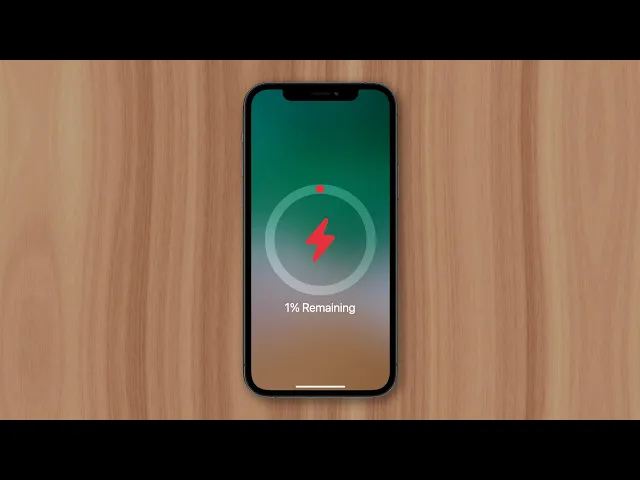
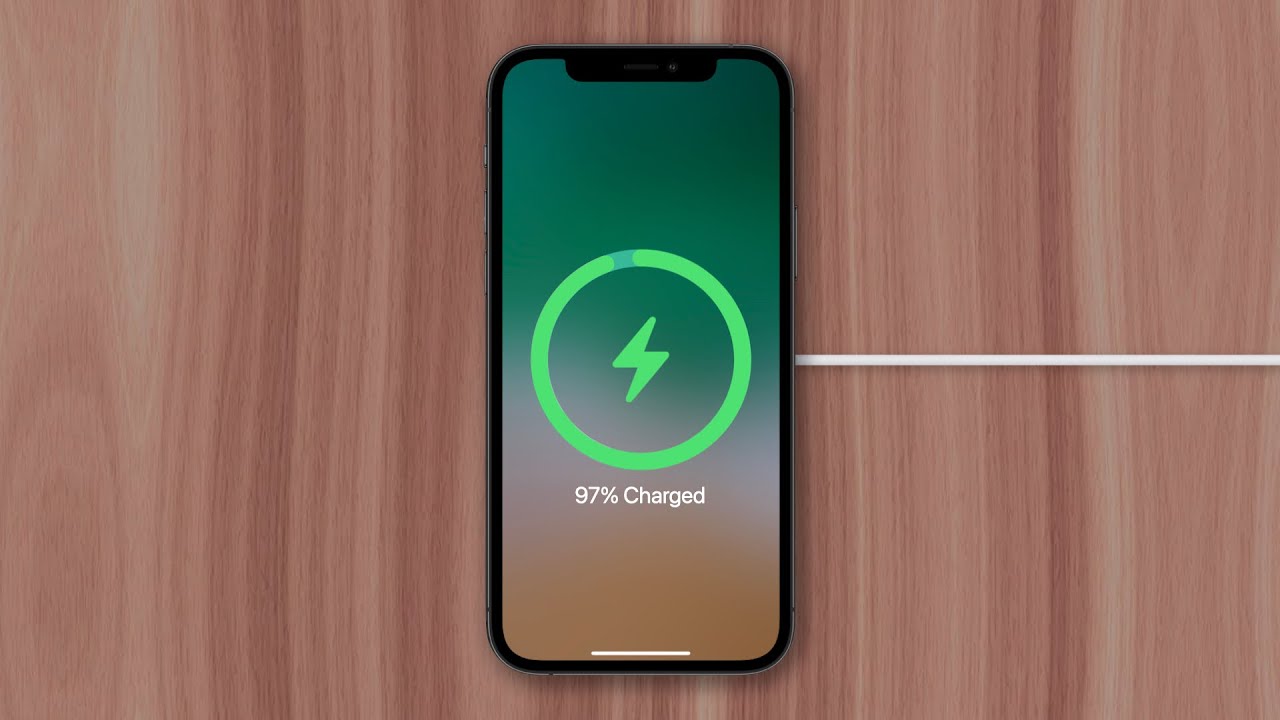
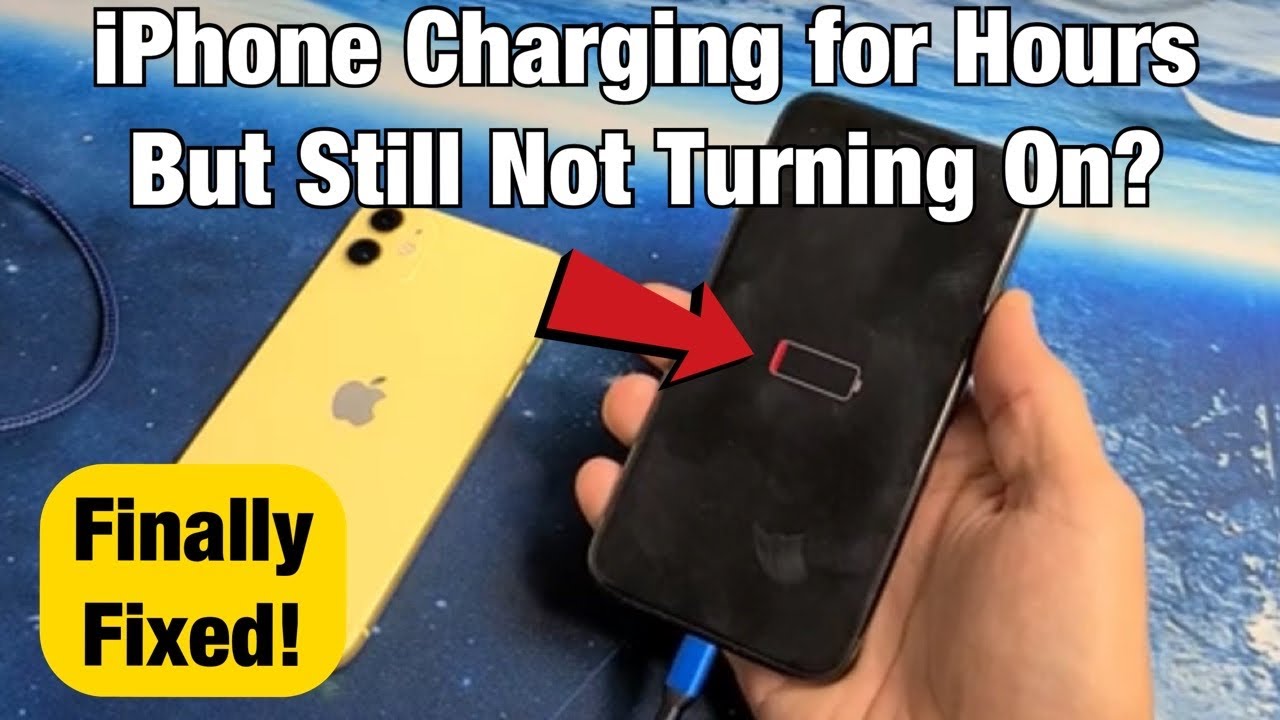
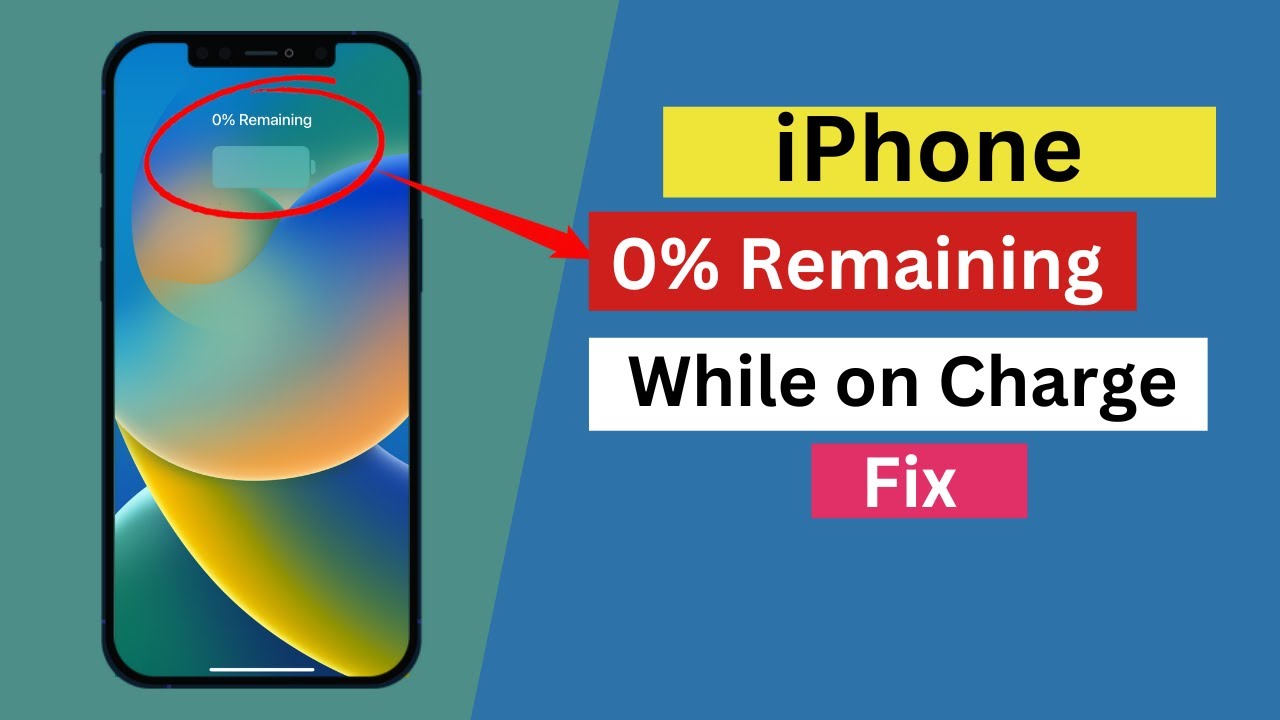
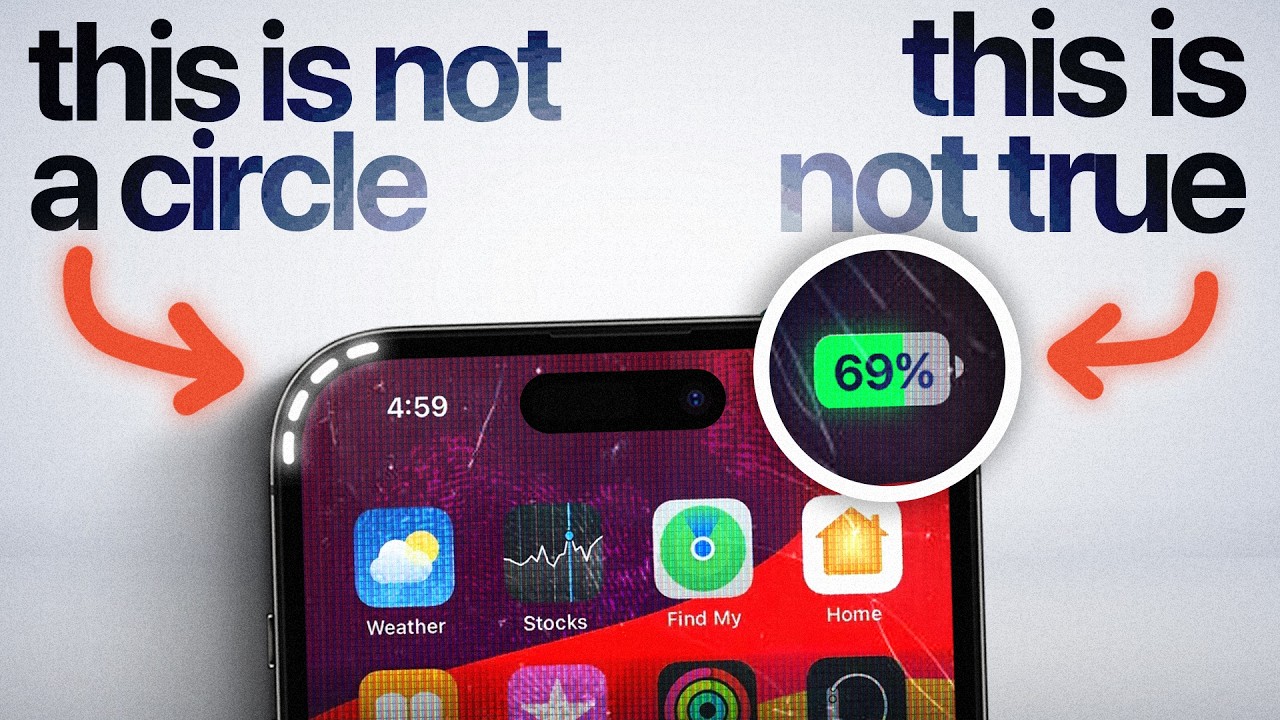
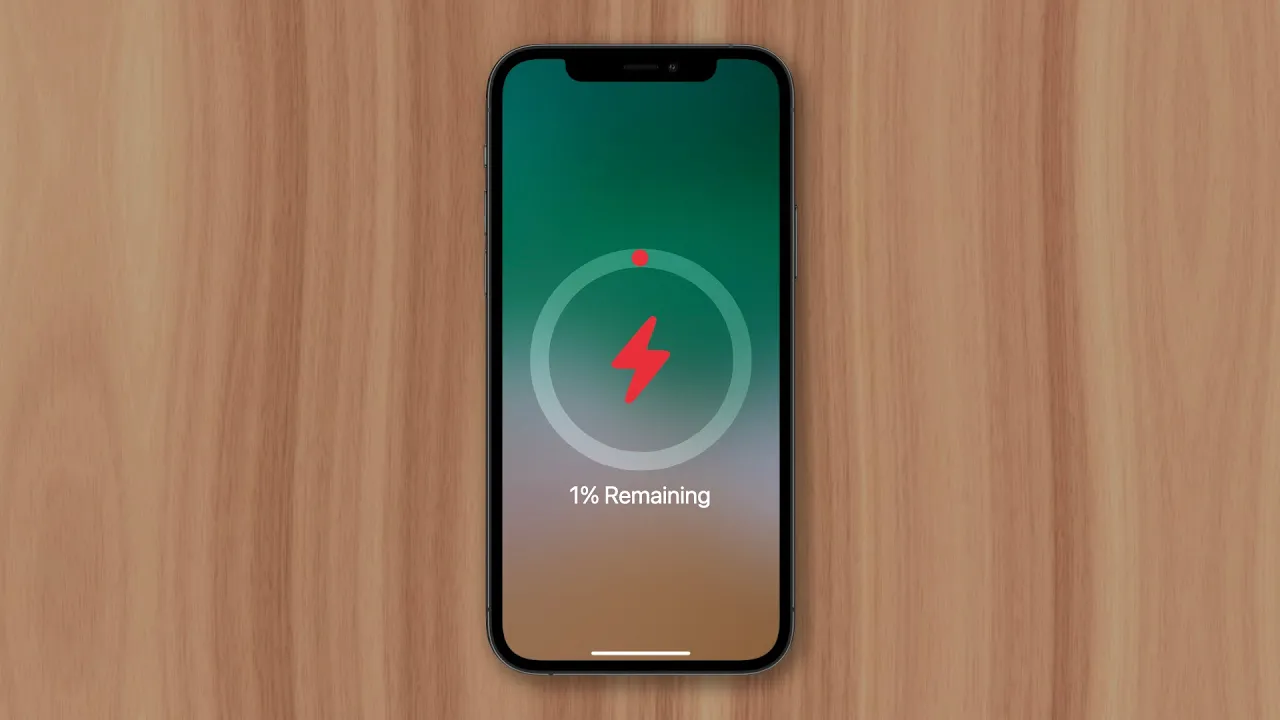
Has your iPhone ever dropped to one percent and then stayed there without turning off for a suspiciously long time? Well, there’s a reason for this. And it isn’t limited to iPhones, virtually any rechargeable device can experience this behavior.
Which results from battery capacity being really difficult to measure. You see, batteries aren’t like gas tanks, where the energy remaining can be physically measured by volume. Instead, voltage output, or electrical pressure, is used as the main metric for calculating capacity.
When the pressure output is strong, the battery is mostly full. As it weakens, the battery capacity drops. The challenge is interpreting the voltage level as a percentage of remaining battery.
Since there are other variables that influence the number. For example, if you’re using an iPhone in freezing temperatures, a portion of its battery won’t be available until it becomes warmer. Also, if you’ve had your iPhone for many years, its battery could be in poor condition.
Since lithium-ion cells chemically age over time. This decline in performance not only causes issues like shorter battery life, slower app launching, lower frame rates, lower speaker volume, and inaccurate battery percentages. If you’ve ever had an iPhone drop from 90 percent to 10 percent in less than an hour, that’s the reason.
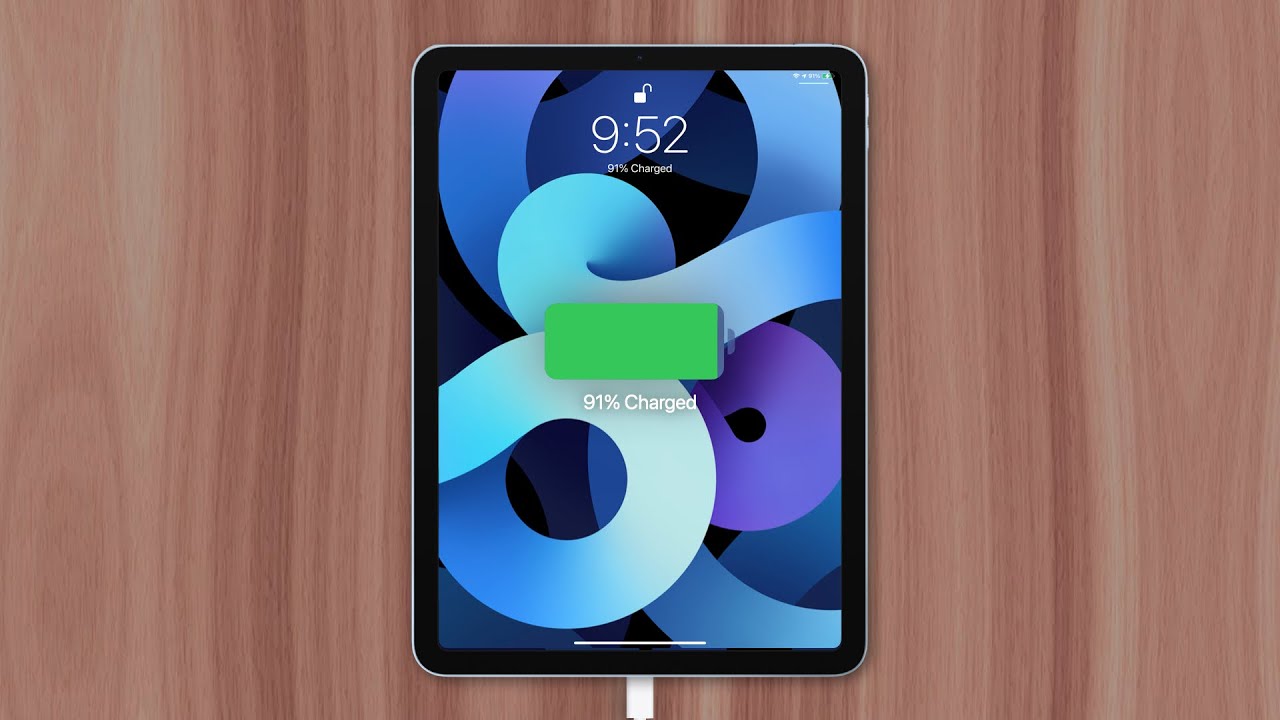
So even though companies like Apple create complex algorithms to calculate remaining battery, they aren’t perfect. In fact, they tend to underestimate how much battery is left just in case. That’s why it might seem like your iPhone drops faster from 100 to 90 percent than 30 to 20 percent.
Even though the battery is decreasing by 10 percent in both scenarios, the algorithm is discovering more energy near the end of the discharge cycle due to underestimating the capacity. And in some circumstances, your iPhone will reach one percent, with quite a bit more in the tank. Resulting in that last percent delivering unusually long usage before the device shuts down.
This is Greg with Apple Explained, thanks for watching till the end, and I’ll see you in the next video.