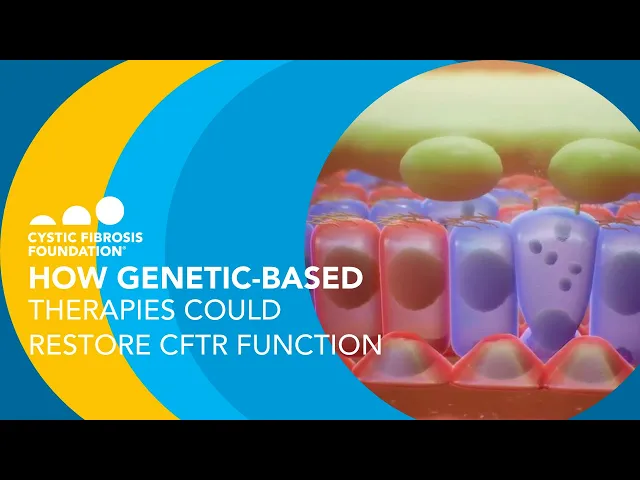
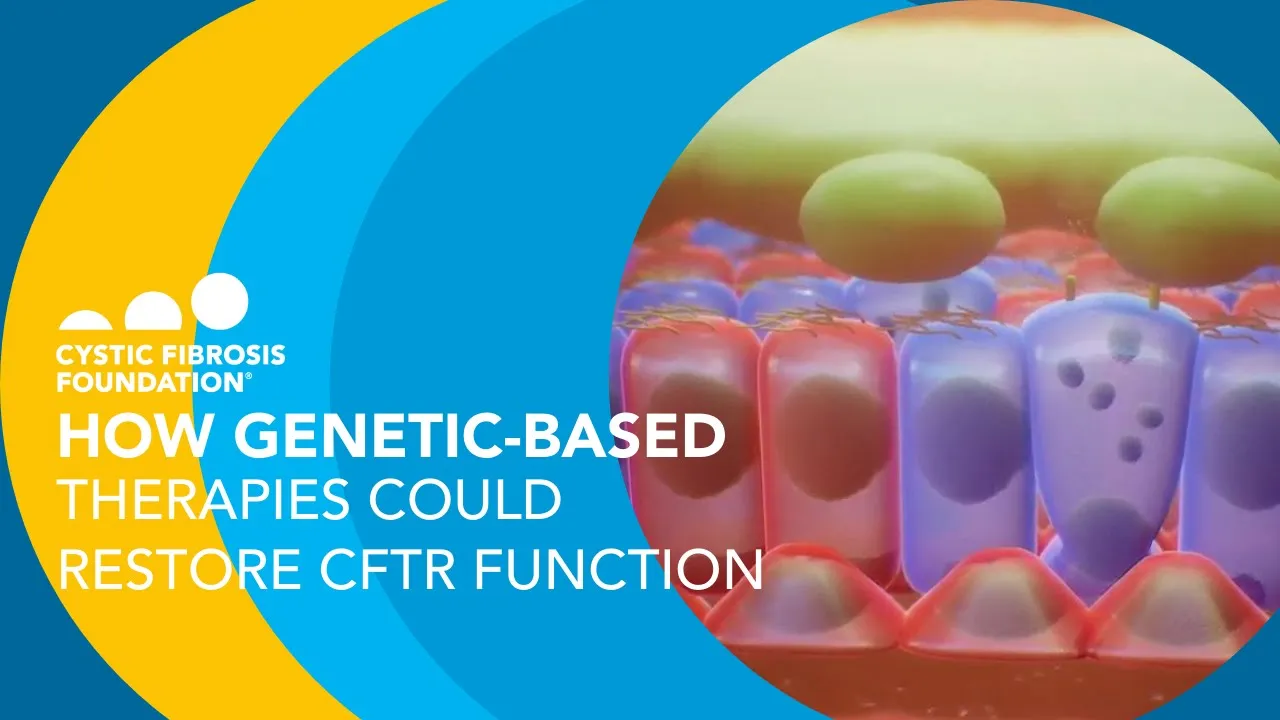
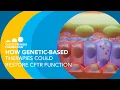
promising therapies are being developed to treat the genetic cause of cystic fibrosis when delivered through the airway directly to cells these therapeutics have the potential to restore cftr function in the lungs highly specialized cells that line the respiratory tract help protect airways from invading microbes infection and injury at the innermost layer basal cells are constantly replacing damaged and aged cells secretory cells release mucus into the airway to trap foreign particles while ciliated cells move the mucus up and out of the lungs ionocytes are thought to express high levels of cftr protein the instructions to make
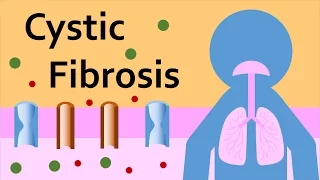
cftr protein are encoded in the dna of each cell the cftr protein helps control the movement of salt and fluids into and out of the cell to keep mucus at a healthy level with cystic fibrosis dna mutations create either abnormal or no cftr protein in the cells causing a buildup of thick sticky mucous by providing the correct instructions it is possible to reprogram cells to make normal cfdr protein correcting cftr expression in even a portion of the cells could be enough to restore sufficient function two potential treatments are rna therapy and gene therapy both approaches
can deliver a correct copy of the genetic instructions to cells in the lungs with the correct messenger rna or dna sequence cells would be able to produce normal cftr protein that moves to the cell surface there it can adjust the amount of salt and fluids flowing through the cell membrane over time the correct copy of the genetic instructions is degraded or lost as the cells naturally die and are replaced regular repeated treatments will be needed to ensure enough cftr protein is present to hydrate mucus gene editing is a potential therapy that would permanently repair the
cfdr gene mutation in cellular dna the goal is to specifically target basal cells because they have the ability to divide and differentiate into other cell types to replenish lost cells as cells die off the basal cells with permanently repaired dna generate new cells that contain the correct cftr gene sequence if enough basal cells are successfully edited cells with normal cftr will constantly be supplied to the airway surface repeat treatments would be rarely required if ever cell-based therapy involves removing cells from the airway to create space a niche for the delivery of gene-edited cells cells are
taken from the same patient corrected via gene editing in the lab and delivered into the airway where they will generate new basal cells and specialized cells that create cftr protein much like gene editing this cell-based approach would permanently restore cftr function for people with cf scientific progress in genetic-based therapies is advancing at an unprecedented pace but the path to a cure is not a straight line it will take time and investment to develop these treatments that could lead to restoring cftr function in not just the lung but in all parts of the body affected by
cf including the liver pancreas and gi tract the foundation is committed to ensuring that everyone with cf has a treatment for the underlying cause of their disease and one day a cure