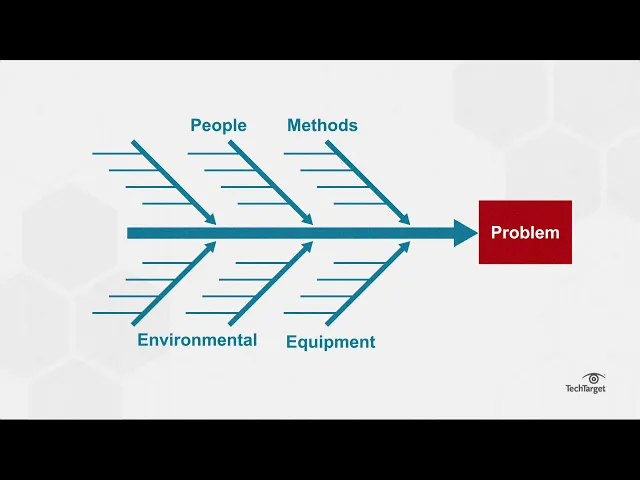
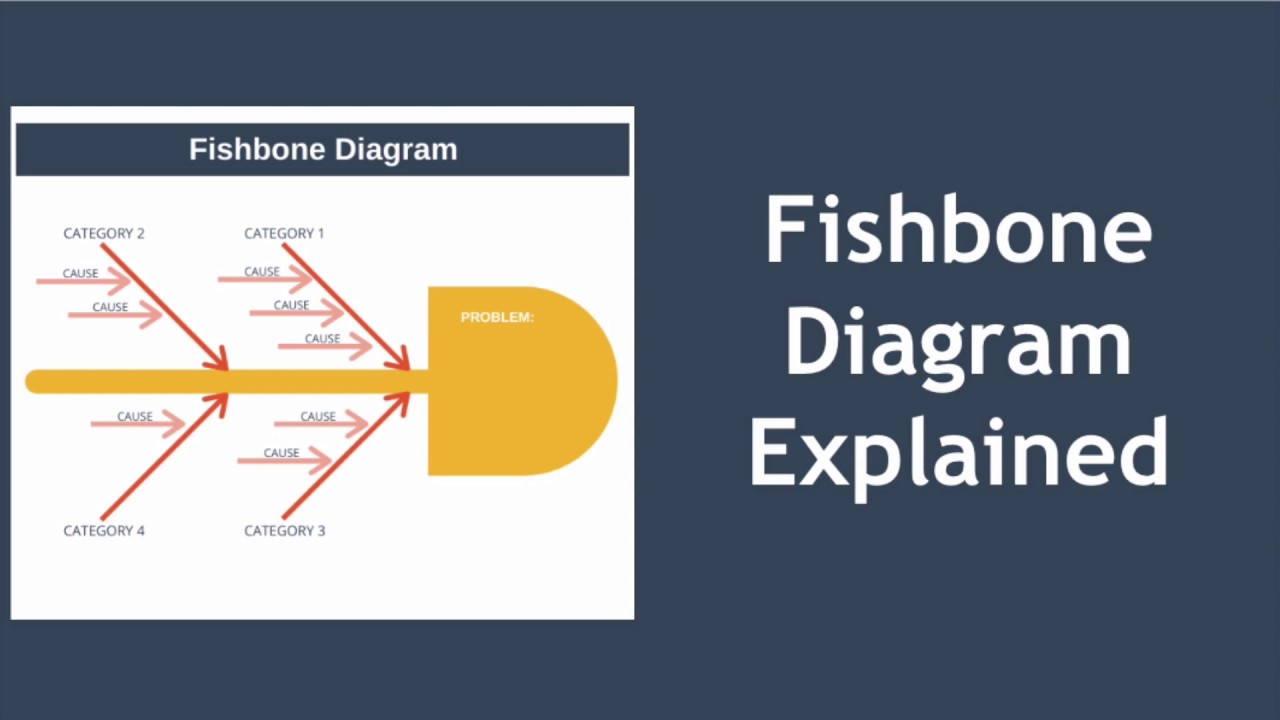
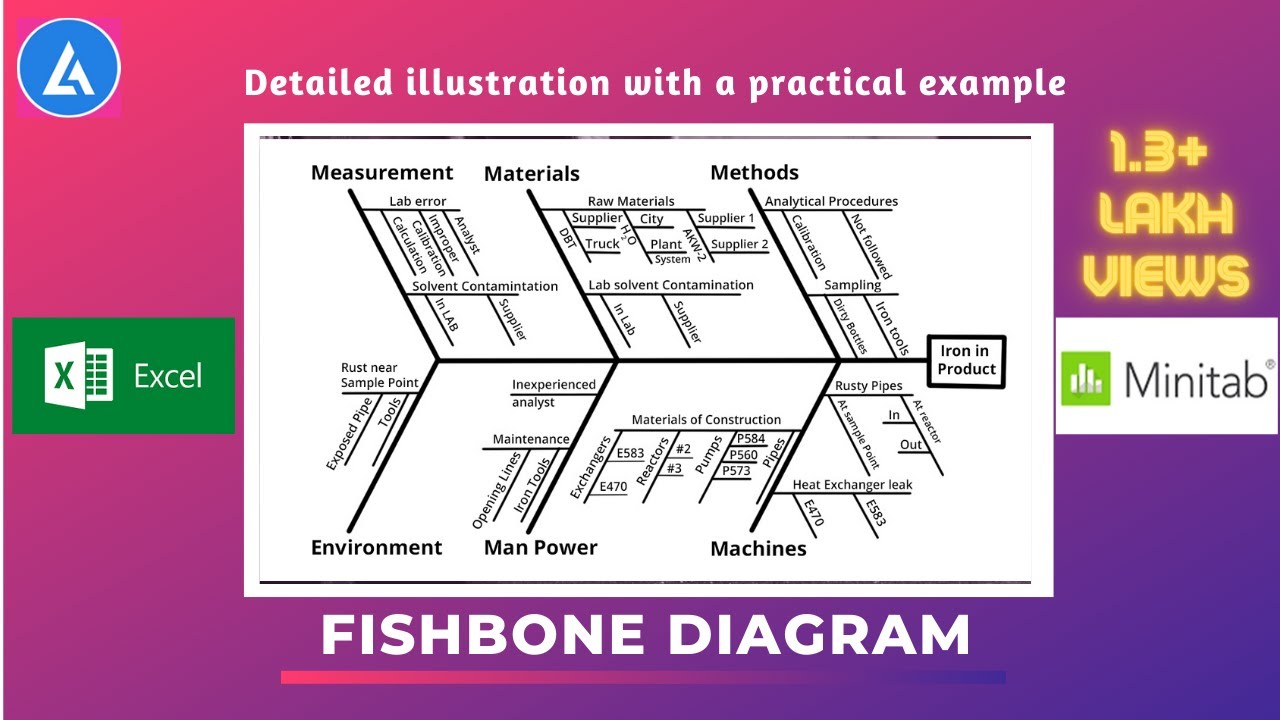
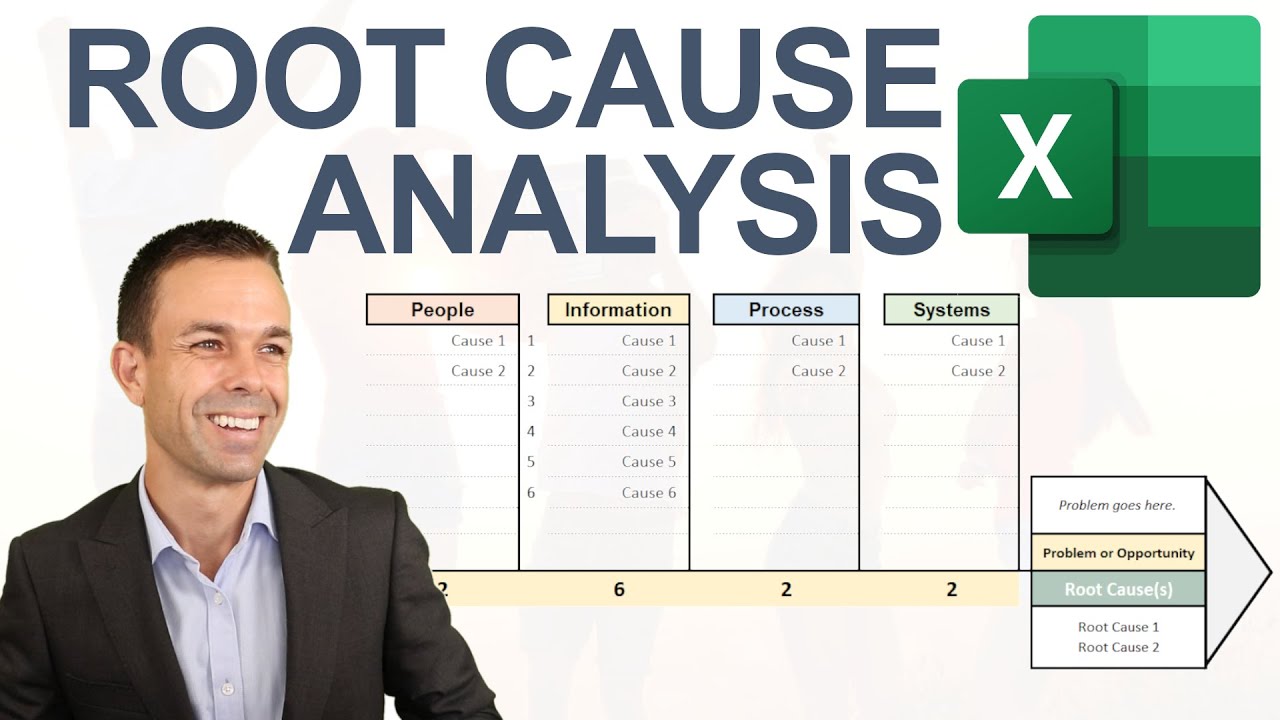
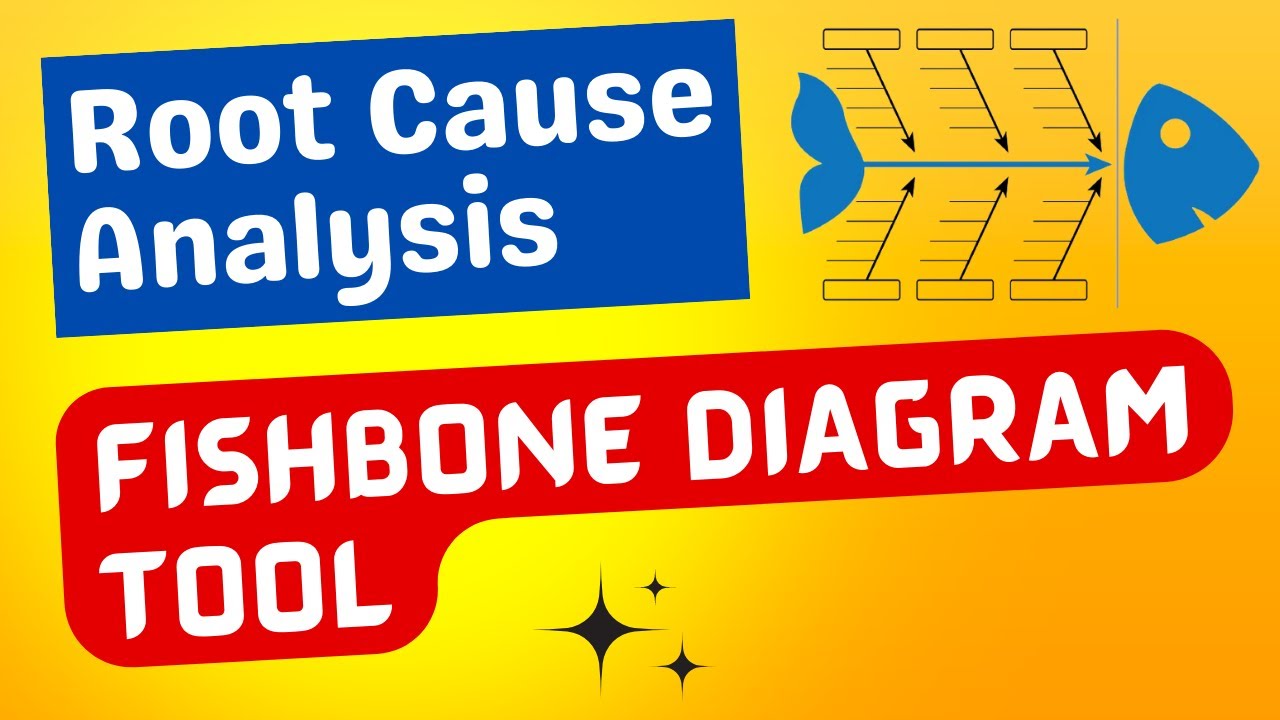
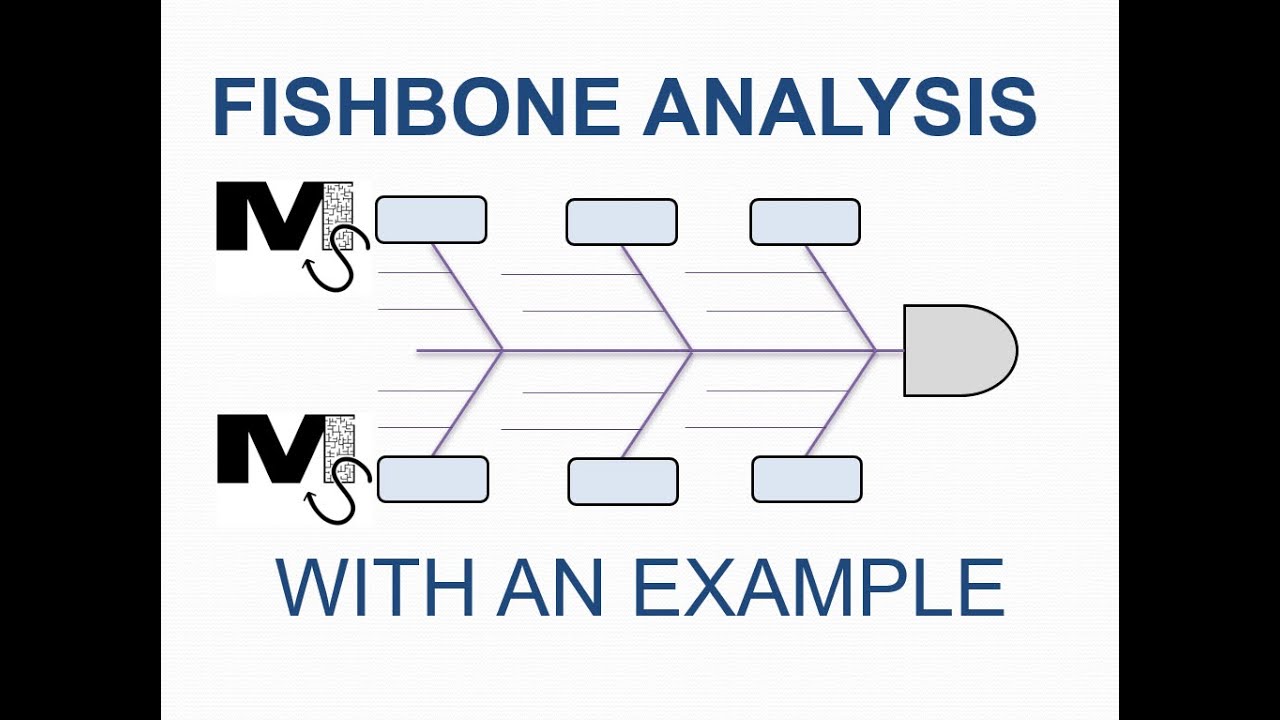
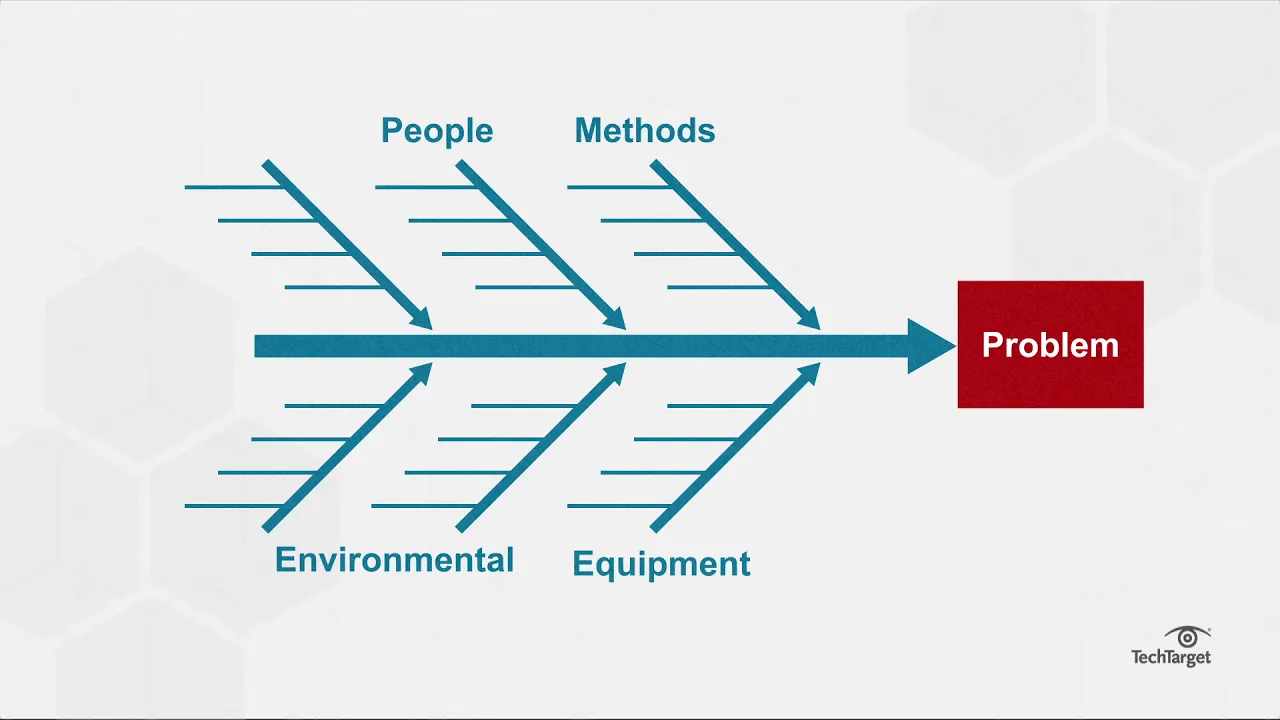
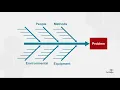
Jamison Cush: A fishbone diagram, also known as a cause and effect diagram, is a way to visualize cause, named for its resemblance to a fish skeleton. It's useful for product development in troubleshooting processes, as it identifies the causes of a problem, instead of merely treating the symptoms to create Fishbone diagrams list the problem in a box, aka the fish head. The backbone is a horizontal arrow pointing to the head.
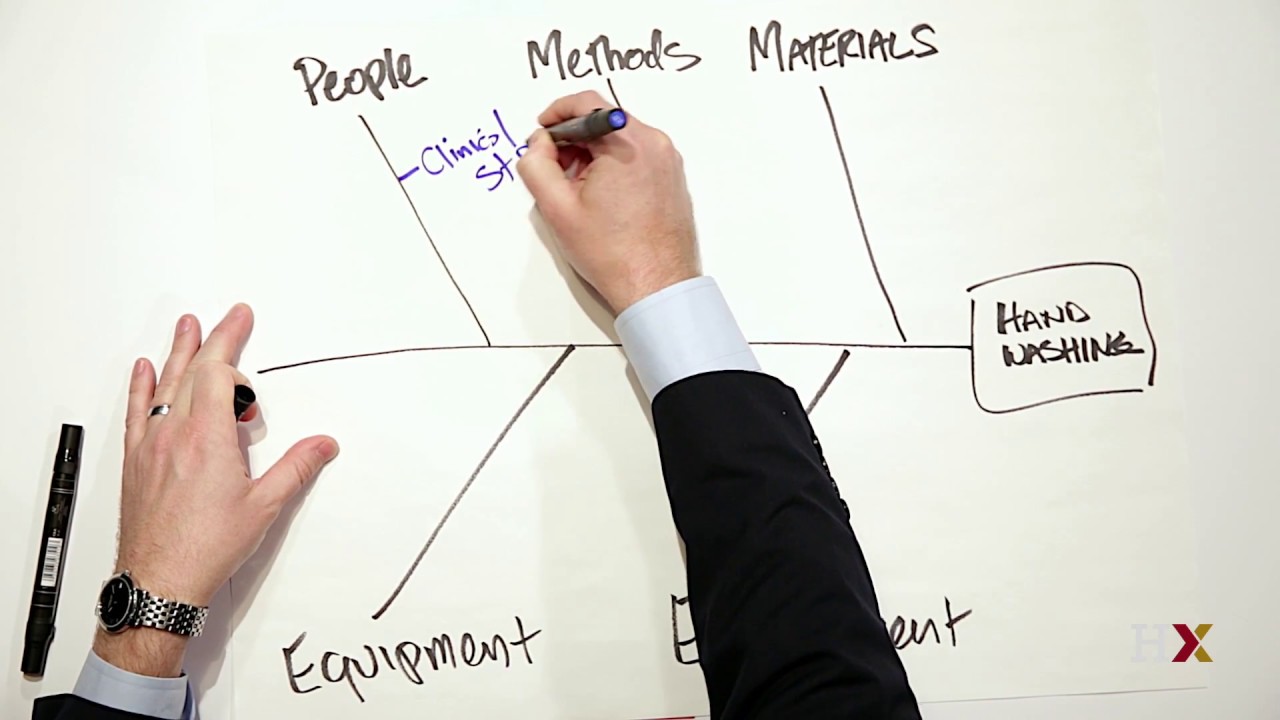
At least four overarching causes of the problem branch off from the spine with arrows, making the first fish bones. Causes can include methods, equipment, people, or even environmental factors for each overarching cause. Note contributing factors that branch off from their corresponding cause and continue the branching off process until the root cause for the problem is found.
A fishbone diagram is helpful for finding potential causes to a problem, as well as revealing areas of weakness in a business process and insurance. Corrective actions are put in place to resolve any future issues.