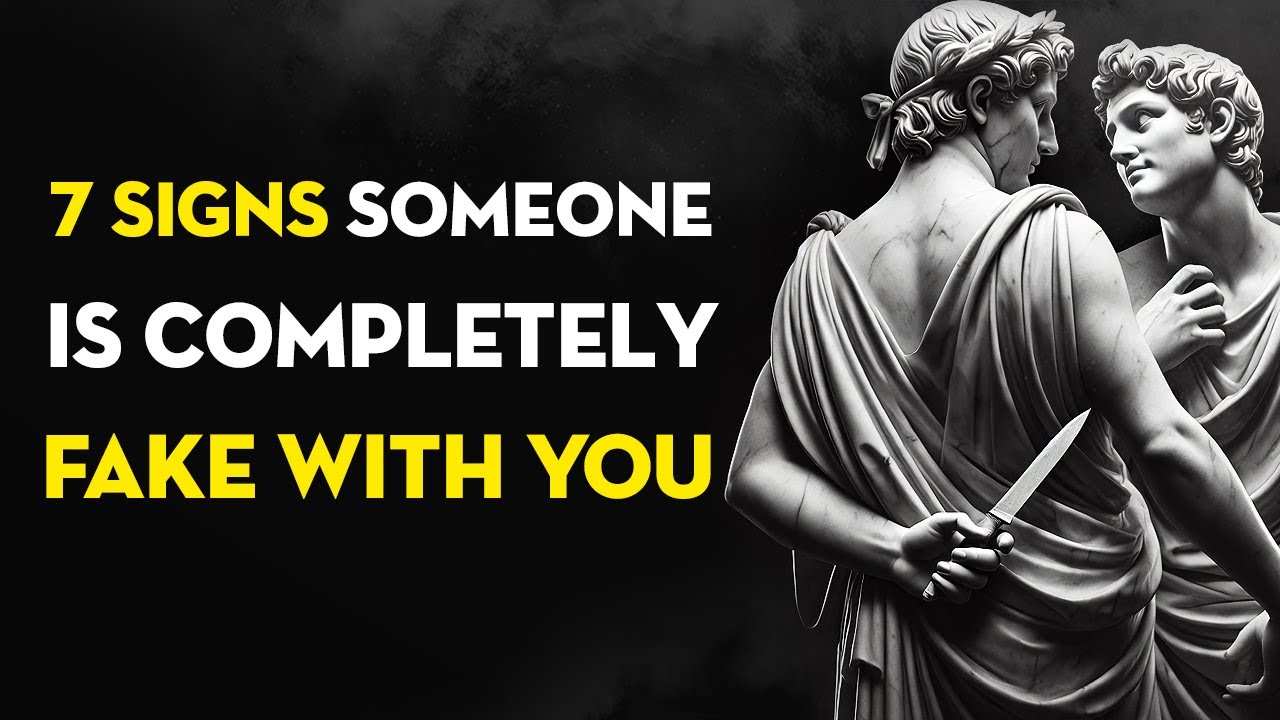
have you ever felt deceived or betrayed by someone you thought was trustworthy have you ever wished you had a sixth sense to detect in advance who is lying to you or hiding something from you in an Ideal World everyone around us would be sincere and benevolent but we know that the reality is often very different so how can we protect ourselves from people with malicious intentions Who hide behind masks of kindness in this video we will look together at the five telltale signs that will help you identify these people to keep your peace and well-being
safe before beginning be sure to subscribe to the mental dose channel so you don't miss upcoming videos on personal and spiritual growth and now get ready to change the way you see relationships and learn how to protect yourself from those who may not have the best intentions towards you let's get started one lack of empathy empathy is the ability to understand and share the feelings of another person it manifests itself through gestures of understanding active listening and emotional support during times of need when a person is empathetic they are able to put themselves in the
shoes of others and respond appropriately to their emotions mean or deceitful people often fail to demonstrate this ability they may appear indifferent or detached when others express feelings of sadness frustration or pain this manifests itself in a variety of ways they may outright ignore signs of emotional distress change the subject when emotionally charged topics are discussed or Worse minimize or mock the feelings of others suggesting that they are not important or valid this Behavior can have a very negative impact on interpersonal relationships creating an environment where people feel unheard isolated or devalued if you notice
that someone regularly shows a lack of empathy towards you it could be a sign that that person does not have a genuine interest in your well-being and may have selfish or malicious motives in their interactions in these cases it is important to carefully evaluate the nature of your relationship with that person and consider whether it is worth maintaining a bond with someone who is unable to offer genuine emotional support two manipulative behaviors manipulative behaviors are a common tactic used by deceitful people to get what they want often at the expense of others this type of
behavior manifests itself through the Strategic use of words and actions to subtly or explicitly influence you the manipulator has the ability to present their requests in a way that seems reasonable or even advantageous to the other person when in reality they are primarily for their own benefit manipulative people rarely show their true intentions openly they may act friendly or caring but there is always an ulterior motive such as gaining control or getting something they want they use psychology to influence others exploiting people's weaknesses insecurities or desires to direct them to do things they might not
otherwise consider another common technique is to make the other person feel guilty or paint themselves as a victim this can force the other person to behave in a certain way to fix the situation or alleviate their perceived suffering they may also use excessive compliments as a tool to charm and disarm the other person making them more receptive to their needs and requests when it comes to respecting personal boundaries manipulators often ignore them viewing other people's barriers as obstacles to be overcome rather than normal aspects of a respectful relationship this lack of respect can manif itself
in a variety of ways they may seek to know more than they should about another person's personal things asking inappropriate questions or rifling through other people's things without permission they often ask for more time attention resources or emotional support than is appropriate constantly pushing boundaries as far as they can go without triggering a negative reaction a manipulator may also refuse to take no for an answer if insisting and pushing until they get what they want explicitly ignoring the wants and needs of others three constant lying constant lying is a Hallmark of people who seek to
deceive and manipulate others lying becomes a tool to create an alternative reality that serves their purposes hiding the truth to avoid consequences or to gain undeserved advantages a person who habitually lies about small details is often ready to lie about more significant aspects of his or her life or situations this dishonest Behavior can be particularly damaging and Insidious in interpersonal relationships but why is the consistency of lying an alarming fact first of all because trust is the basis of any healthy relationship whether personal or professional when a person lies regularly it becomes difficult to trust
them in any context since you can never be sure whether they are telling the truth or not second people who lie consistently often do so to manipulate other people's perceptions of reality they may invent stories that cast them in a favorable light or hide information that could expose them to negative judgment and finally the frequency with which a person lies can also indicate deeper problems such as character difficulties or even psychological disorders such as mythomania where the person feels a compulsive need to lie how to spot lies listen carefully and remember details from the stories
told inconsistencies or changes in the narratives can be a sign that the truth has been altered an honest person will generally maintain consistency in their stories even when told at different times or to different people also when a person is lying they may give vague details to avoid being caught or they may give excessive unnecessary details in an attempt to make the story seem more believable body language can also reveal a lot signs such as avoiding eye contact touching the face or the body shrugging off can be clues that a person is lying although these
signs can vary greatly from person to person four envious Behavior this behavior is a manifestation of the insecurity and resentment that some people feel toward the success or happiness of others Envy is not just a passing emotion it can become a character trait that drives people to behave in subtle and harmful ways often without being fully aware of it this negative feeling can deteriorate personal and professional relationships and create a toxic environment for everyone involved a clear sign of Envy is difficulty or inability to rejoice in the successes of others an envious person May respond
to the successes of others with coldness in indifference or even sarcastic comments rather than with sincere enthusiasm or congratulations envious people tend to minimize or devalue the accomplishments of others they may attribute someone's success to external factors such as luck connections or circumstances rather than recognizing Merit skill or hard work additionally Envy may also lead to spreading gossip or falsehoods about an envied person in an attempt to damage that that person's reputation this may be a way of trying to level the playing field by reducing the respect or admiration others have for the person in
question while a certain amount of competitiveness can be stimulating and productive an envious individual can push this tendency to destructive levels focusing all his efforts not so much on improving himself but on surpassing others often through dishonest or unfair methods finally Envy can result in open resentment leading to hostile Behavior such as contemptuous treatment or verbal aggression which is directly proportional to the degree of success or happiness perceived in the other person but how do you handle envious Behavior if you find yourself dealing with an envious person especially in a work environment it is important
to maintain a professional attitude and not get emotionally involved in their behavior don't hesitate to set clear boundaries if an envious person's actions begin to negatively impact your life or well-being it is important to address the situation directly and assertively five reluctance to share personal details this tendency can range from normal caution to a warning sign that a person may have secrets or aspects of their life that they would prefer to keep hidden while it is perfectly reasonable for people to want to maintain a certain level of privacy especially in profession settings or early in
a relationship excessive secrecy can arouse suspicion and call into question a person's sincerity if a person constructs a false narrative about themselves they may avoid sharing details that could expose inconsistencies in their story this may be an attempt to protect a false Identity or to avoid being caught for fraud or deception additionally sometimes a reluctance to share personal information may stem from negative or problematic past experiences that a person prefers not to reveal this may include legal issues past relationships or other experiences that could negatively affect one's reputation in some cases people may be vague
about the details of their personal lives because they are actually keeping significant Secrets such as living a double life or activities that contradict the image they present to the outside world secrecy can also be a sign that a person does not trust others enough to open up while this may be a harmless personality trait it can also make it difficult to build deep meaningful relationships how to approach secrecy in relationships and interactions secrecy May decrease as a person becomes more comfortable and builds trust it is important to note whether the tendency to protect privacy persists
even after a solid foundation of trust has been established if a person's secrecy becomes a significant obstacle in a relationship you may need to discuss it directly or consider ending the relationship this should be done delicately expressing how the lack of openness affects your perception of the relationship and gently asking for more transparency understanding and respecting each other's privacy boundaries is key but being aware of when secrecy might be a sign of something more serious is crucial to Main maintaining healthy safe relationships now we'd like to hear from you have you ever known someone who
showed these signs how did you handle the situation leave us a comment below your experience might help someone else if you found this video useful don't forget to like it subscribe to the mental dose Channel and our telegram Channel share the video with friends and family who could benefit from this information thanks for watching and remember Eyes Wide Open see you in the next video












![DON'T LET PEOPLE KNOW MUCH ABOUT YOU | BRENE BROWN | YOU NEED TO WATCH THIS ]](https://img.youtube.com/vi/hdzpQw_RFao/maxresdefault.jpg)