today we're diving into the world of frozen shoulder treatments we'll explore groundbreaking therapies like extracoporeal Shockwave therapy regenerative medicine and laser therapy alongside tried and true methods such as physical therapy and corticosteroid injections I'll reveal which treatments have proven most effective in clinical trials whether you're considering surgery or minimally invasive options this video will provide you with all the essential information to make the best decision for Rapid pain relief and functional recovery from frozen shoulder hey everyone Dr Jeff Pang here let's start by answering the question what exactly is a frozen shoulder also known as
adhesive capsulitis this condition is characterized by stiffness and pain in the shoulder joint while the exact cause is not well understood it is more common in people over 40 especially those with diabetes or thyroid disorders shoulder injury or immobilizing ation also increases your risk treatments for frozen shoulder can be confusing with patients often receiving conflicting advice from healthc care providers so to help clear up the confusion I've created a summary table of the most common treatments we'll discuss which options provide quick relief and which offer long-term benefits along with their side effects and costs it's
important to note that the effectiveness of each treatment largely depends on the stage of your Frozen shoulder so let's quickly review these stages before diving into the details of each option frozen shoulder develops in three stages starting with the freezing phase during this time inflammation in the joint capsule causes severe pain and restricts motion as the condition worsens thick scar tissue forms around the joint leading to increased pain and limited movement this intense discomfort often discourages shoulder use which can cause further stiffness and muscle atrophy the freezing stage can last anywhere from 6 weeks to
9 months the second stage is the Frozen phase in this phase inflammation usually subsides making the pain less intense however significant Scar Tissue formation around the shoulder joint continues to severely limit movement this stage typically lasts between 4 to 6 months the third stage is the thawing phase this phase is characterized by a gradual return of shoulder mobility and further reduction in pain the processes that lead to severe stiffening and inflammation begin to reverse the fibrotic tissue within the capsule starts to break down allowing the capsule to relax and stretch more easily improvements in joint
Mobility during the thawing phase are typically slow and incremental the complete return of normal or near normal strength and motion can take anywhere from 6 months to 2 years it's it's important to understand that Frozen shoulders will naturally progress through all three stages even without intervention in other words Frozen shoulders will improve on their own Over time however in some individuals this healing process can take up to two or even 3 years to completely resolve the problem with this wait and see approach is that enduring long periods of pain and loss of shoulder function significantly
impacts daily life additionally prolonged immobility during the freezing and Frozen stages can lead to muscle atrophy around the shoulder increasing the risk of further complications such as rotator cuff issues and shoulder impingement because of this I recommend a proactive and aggressive treatment strategy this approach can reduce pain restore function more quickly and prevent further shoulder related problems effective management not only shortens the duration of frozen shoulder ER but also lessens its impact on your health and your quality of life okay so with all of that said let's look at this treatment summary table we'll begin
our discussion with the first of three treatments I highly recommend exercise and physical therapy exercise therapy plays a vital role in managing every stage of a frozen shoulder regular stretching is key to enhancing range of motion by promoting movement it also prevents further stiffness and and muscle atrophy additionally exercise therapy supports functional recovery enabling patients to resume daily activities and improving their quality of life a common question that I often receive is whether it's necessary to visit a physical therapist for frozen shoulder or if self-directed stretches and exercises are sufficient this topic is highly debated
the advantage of Consulting a physical therapist is their ability to provide treatments like manual therapy or ultrasound therapy which may help reduce pain and symptoms however systematic reviews and metaanalyses that examine the effectiveness of these therapies often report conflicting results while the modalities offered by physical therapist can be beneficial what is consistently clear across all studies is the importance of a stretching regimen so for those who find it challenging to make time for physical therapy appointments due to their busy schedules performing a home exercise program at least twice a day is an excellent alternative to
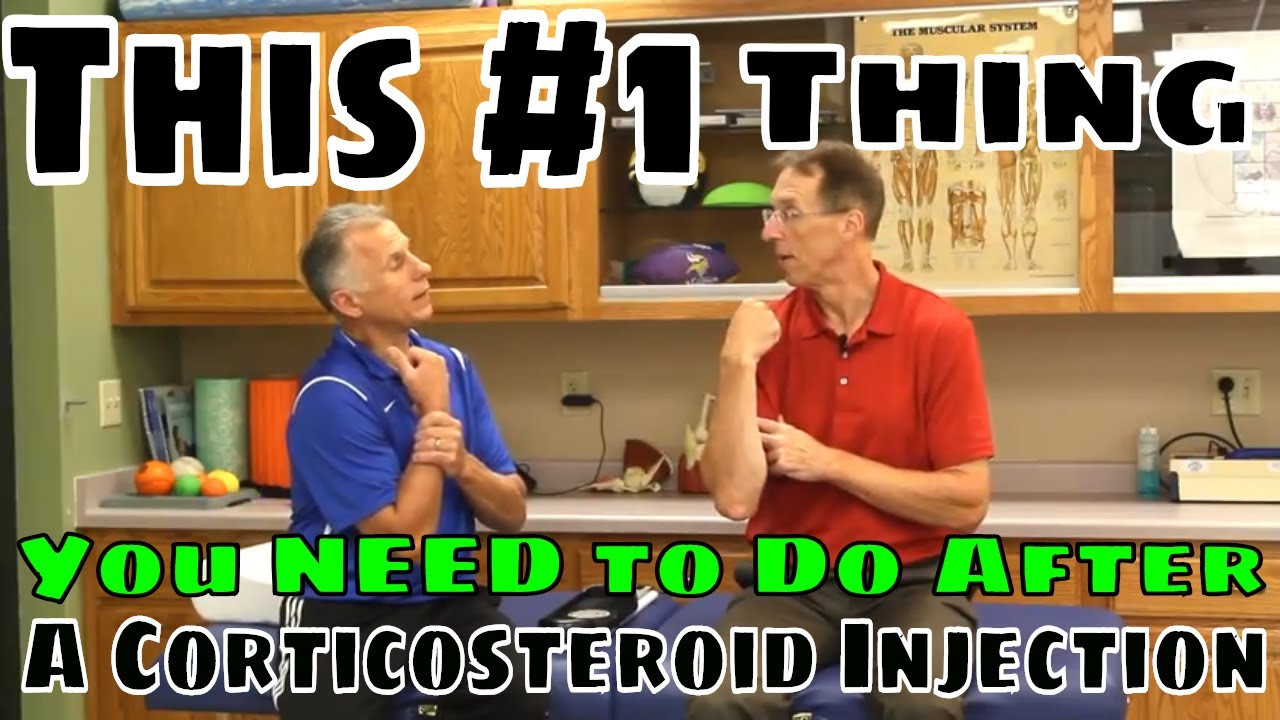
support you I've included a highly effective rehab program for frozen shoulder later in this video if you're ready to start you can check the time stamp and jump straight to that section now even the best exercise regimen can be challenging if pain limits movement which is often the case during the freezing phase of a frozen shoulder this brings us to the role of pain management let's explore two injection options options that I highly recommend starting with corticosteroid injections these injections done in the office under ultrasound guidance can provide rapid pain relief and facilitate easier movement
during Rehabilitation exercises given their effectiveness many providers including myself consider them one of the best treatments for frozen shoulder a systematic review and metaanalysis compared intraarticular corticosteroid injections with other commentary treatments like Physical Therapy ultrasound acupuncture Placebo and no treatment the findings indicated that cortisone injections were both statistically and clinically Superior in providing short-term pain relief and improving function compared to other interventions Additionally the review suggested that combining cortisone injections with a home exercise program maximizes the chances of recovery it's important to note that the timing of the cortisone injection really matters these injections are
most effective when administered early in the freezing stage when pain and inflammation are most severe early intervention with corticosteroids can drastically reduce inflammation minimizing the development of restrictive Scar Tissue consequently early treatment not only lessens the severity of a frozen shoulder but can also shorten the overall duration of the condition for those concerned about the side effects of cortisone it is true that cortisone injections can damage and weaken healthy cartilage in joints however the condr toxic effects of corticosteroid injections are primarily a concern for weightbearing joints like the knees and the hips the glenohumeral joint
in the shoulder is generally not as high risk because it does not bear weight in the same way as the other joints therefore the risk of cartilage damage in the shoulder is significantly lower and the benefits of reduced inflammation and improved Mobility often outweigh the potential risks this is why I recommend cortisone shots for the shoulder while advising more caution with their use in the knees and the hips now let's move on to one of my favorite treatments for frozen shoulder capsular distension this minimally invasive ultrasound guided procedure is done in the office it involves
injecting a large volume of sterile saline solution mixed with corticosteroid and local anesthetics directly into the shoulder joint the goal is to stretch The Joint capsule from the inside almost like inflating a water balloon the pressure from the fluid helps to stretch and break up the adhesions caused by frozen shoulder clinical trials have found that capsular distension ranks highest in reducing pain and improving function for frozen shoulder other studies show that combining hydrodilation or capsule dissension with a corticosteroid injection can expedite recovery especially compared to just cortisone injection alone or physical therapy another major advantage
of capsular distension is its effectiveness at every stage of frozen shoulder while corticosteroid injections are most effective in the freezing phase capsular distension is valuable for individuals in the Frozen phase or those experiencing slow progress through the thawing phase Additionally the procedure is extremely safe and can be repeated if necessary unlike corticosteroid injections where repeated use raises concerns about potential accumulating side effects I recommend a combination of corticosteroid injection capsular distension and exercise therapy as the preferred treatment regimen for all of my patients with frozen shoulder this approach consistently yields the best results in terms
of pain relief and functional Improvement now let's transition to some Alternative forms of pain control start star in with oral anti-inflammatory medications specifically nids non-steroidal anti-inflammatory drugs such as ibuprofen Naproxin diclophenac siloxy and meloxicam are highly effective for short-term pain management due to their anti-inflammatory effects the goal of taking enage should be to help manage pain so that you can more effectively perform your exercise program however nids carry the risk of serious side effects when taken for prolonged periods long-term use can increase the risk of heart attacks strokes and high blood pressure as well as
cause damage to the kidneys and the stomach those with cardiovascular or renal conditions should be particularly cautious with insets occasional use of ibuprofen or Naproxin as needed for pain is generally safe but daily use for weeks or months is dangerous and can lead to significant side effects instead corticosteroid injections and capsular distension provide better pain control and can reduce the need for oral medications the next alternative for pain management is a suprascapular nerve block the super scapular nerve provides sensory information to the shoulder and motor control to parts of the rotator cuff a nerve block
involves injecting a local anesthetic and sometimes a steroid around the suprascapular nerve this procedure blocks pain signals from the shoulder and can provide tremendous relief allowing patients to more actively engage in physical therapy or their home rehabilitation program there is ongoing debate about the effectiveness of a super scapular nerve block for treating frozen shoulder some studies indicate that it offers significantly better pain control and functional Improvement compared to a placebo while other studies find it no more effective than a placebo clinical trials comparing super scapular nerve blocks to intraarticular corticosteroid injection have found both treatments
to be similarly effective other Studies have found that combining an intraarticular corticosteroid injection with a supercap nerve block resulted in much better improvements to pain and functional scores compared to just the corticosteroid injection alone the problem with the suas scaper nerve block is that it is much less accessible as most Physicians are not trained to perform this procedure additionally many insurance plans require prior authorization which adds complexity however if it is covered by your insurance and available to you it can be an excellent supplementary treatment alongside corticosteroid injections capsular distension and exercise therapy now let's
discuss some surgical options for treating severe cases of frozen shoulder particularly when conservative treatments like physical therapy and injections have not been effective these options in include manipulation under anesthesia and arthoscopic capsular release manipulation under anesthesia involves forcibly moving the shoulder joint while the patient is under general anesthesia although it is not technically a surgical procedure because no incisions are made it does involve general anesthesia the patient is put to sleep and won't feel any pain while the orthopedist breaks up the adhesions and stretches The Joint capsule arthoscopic capsular release is a minimally invasive surgical
procedure where a surgeon makes small incisions to cut through the thickened adhesions in the joint capsule both procedures are typically followed by a structured Physical Therapy Program to maintain the improved range of motion achieved after the procedure every surgeon has a preferred technique but the question is which one is more effective studies show that both manipulation under anesthesia and arthoscopic capsular release yield similar improvements in pain relief and shoulder function however when considering cost Effectiveness and side effects manipulation under anesthesia tends to be more attractive compared to capsular release it's also important to compare these
surgical procedures against nonsurgical management options like exercise therapy and corticosteroid injections one study found that onee post treatment none of the three interventions were clinically superior to the others notably out of over five 500 patients the 10 serious Adverse Events reported occurred only in the surgical groups eight with capsule release and two with manipulation for this reason I recommend surgical management only for those who have truly failed other options given the effectiveness of combining capsular distension corticosteroid injections and exercise therapy I have rarely found it necessary to refer patients with frozen shoulder for surgical management
now let's expl explore some newer interventions transforming the treatment of frozen shoulder starting with platelet rich plasma injections PRP is a Cutting Edge treatment that leverages the healing properties of your own cells the procedure begins with a simple blood draw followed by using a centrifuge to separate the blood into various components we then extract the layer rich in platelets and growth factors and inject it into the affected area PRP treatments have proven highly effective for range of conditions affecting tendons muscles and Joints specifically for the treatment of adhesive capsulitis studies suggest PRP injections are at
least equivalent to corticosteroid injections and can lead to improved pain motion and function outcomes at 3 and 6 months followup other studies comparing PRP to Common non-surgical treatments report that vas pain scores Dash disability scores and spay Pain and Disability Index scores were all Superior in the PRP group compared to controls PRP is an excellent treatment option for frozen shoulder especially for those concerned about the side effects of cortisone however PRP injections are not covered by insurance and one injection can range between $750 and $1,500 depending on where you live spending this amount on PRP
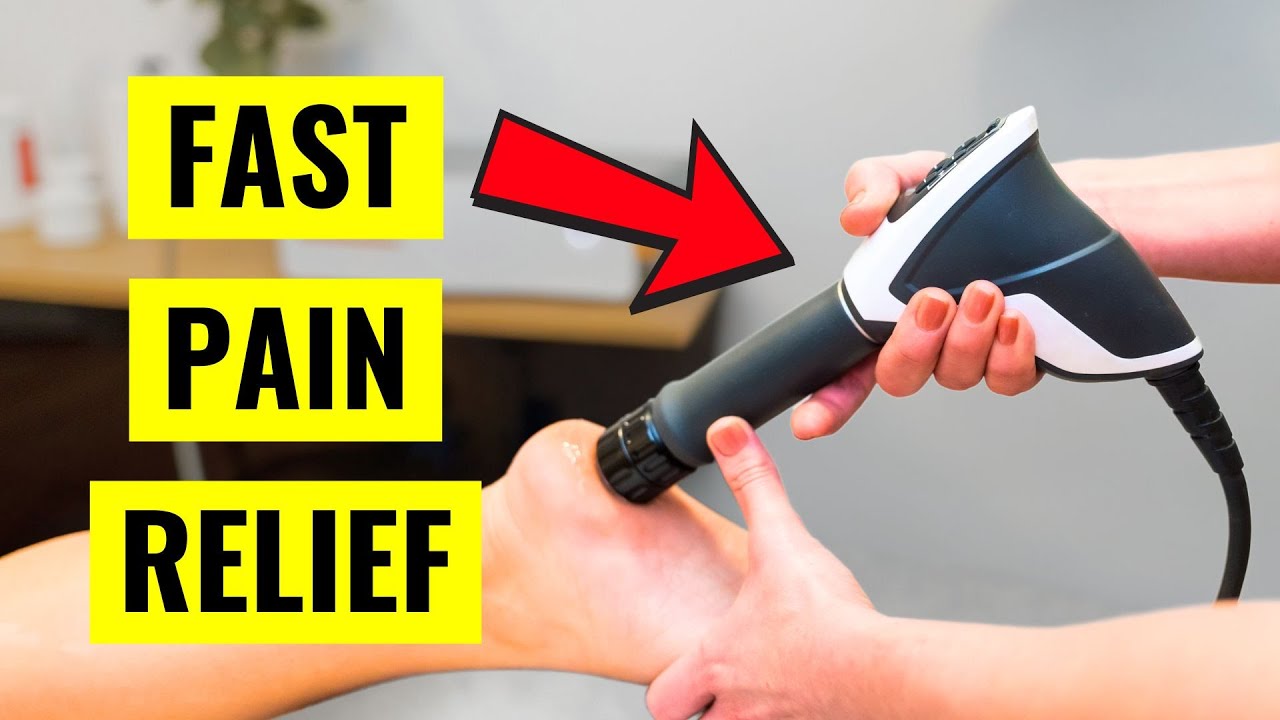
is questionable when we have other excellent options with a low risk of side effect X the next promising intervention is extracorporeal shock wave therapy a non-invasive treatment that uses high energy sound waves to heal various muscular skeletal conditions including frozen shoulder this therapy involves a handheld device that delivers shock waves directly to the affected area these shock waves help induce the release of substances that decrease pain and inflammation additionally they stimulate blood flow and promote the formation of new blood vessels aiding the healing process and restoring Mobility typically a course of shock wave therapy consists
of 3 to five sessions spaced one week apart with each session lasting about 15 to 20 minutes the treatment is generally well tolerated and Can Be an Effective alternative to more invasive procedures such as surgery a study comparing extracoporeal shock wve therapy with corticosteroid injections found that both treatments significantly improved pain and function F however the group receiving Shockwave therapy experienced better outcomes if you have access to Shockwave therapy it can be a valuable option as it typically has no side effects and can significantly reduce pain and enhance healing the downside is that shock wave
therapy is not covered by insurance and each treatment costs between $150 to $250 five treatments would therefore range between $750 and $1,250 like PRP injections the question is whether spending this amount is Justified when other treatments are just as effective and covered by Insurance the final treatment I want to discuss is laser therapy also known as photobiomodulation this method uses specific wavelengths of light to interact with tissue and accelerate the healing process it's suitable for patients suffering from a range of acute and chronic conditions including frozen shoulder laser therapy helps eliminate pain reduce swelling and
spasms and increase functionality some studies suggest high-intensity laser therapy can help with pain and function but it did not outperform conventional physical therapy in improving range of motion laser therapy sessions for frozen shoulder are generally short typically lasting between 5 to 10 minutes and patients might require multiple sessions to achieve optimal results like PRP and Shockwave therapy laser therapy is not covered by insurance and will cost several hundred for a full course of treatment now let's shift our Focus to a highly effective frozen shoulder exercise and rehabilitation program clinical trials suggest that an exercise program
done at least two to three times daily will result in excellent outcomes the first step is an active shoulder warm-up to improve mobility and relieve tension start with shoulder rolls keep your arms relaxed at your sides lift your shoulders up towards your ears and then gently roll them forward in a circular motion do this 10 times forward and then 10 times backwards the next exercise in the active warm-up is scapular squeezes start with your arms at your sides then pull your shoulder blades towards each other and squeeze you should feel the contraction between your shoulder
blades hold this for 1 to 2 seconds before returning to the starting position repeat this 10 times next we'll do some pendulum exercises to help mobilize the shoulder joint lean forward and let your arm hang down sway your body in a circular motion allowing your arm to swing in a small circle do this 10 times then sway your body side to side allowing your arm to swing left to right do this 10 times lastly sway your body forwards and backwards allowing your arm to swing front to back do this 10 times as well the next
four exercises are designed to improve range of motion and stretch out the adhesions and scar tissue that form along the joint capsule in a frozen shoulder you will need a long stick such as a broom PVC pipe cane golf club or Rod any long object that you can comfortably hold with both hands will do the first movement is a shoulder forward flexion stretch hold the stick in front of you with the affected arm relaxed use the unaffected arm to push the stick straight forward lifting your affected arm raise the stick stick as high as you
can you will experience some pain and discomfort a pain level of around 3 or 4 out of 10 is acceptable hold this position for about 5 seconds then return to the starting position and repeat each time you repeat the motion try to bring the arm up even higher do this for 1 to 2 minutes The Next Movement is a shoulder abduction stretch hold the stick in front of you with both hands use the unaffected arm to push the stick outward into the side causing the affected arm to move away from the body raise the stick
as high as you can hold the highest position for about 5 seconds then return to the starting position and repeat again try to bring the arm higher with each repetition do this for one to 2 minutes the next exercise is a shoulder external rotation stretch hold the stick in front of you with both hands bend the elbow of the affected arm to 90° push the stick with your other hand causing the affected hand and and forearm to rotate outwards push as far as you can go remember a pain level of around 3 or 4 out
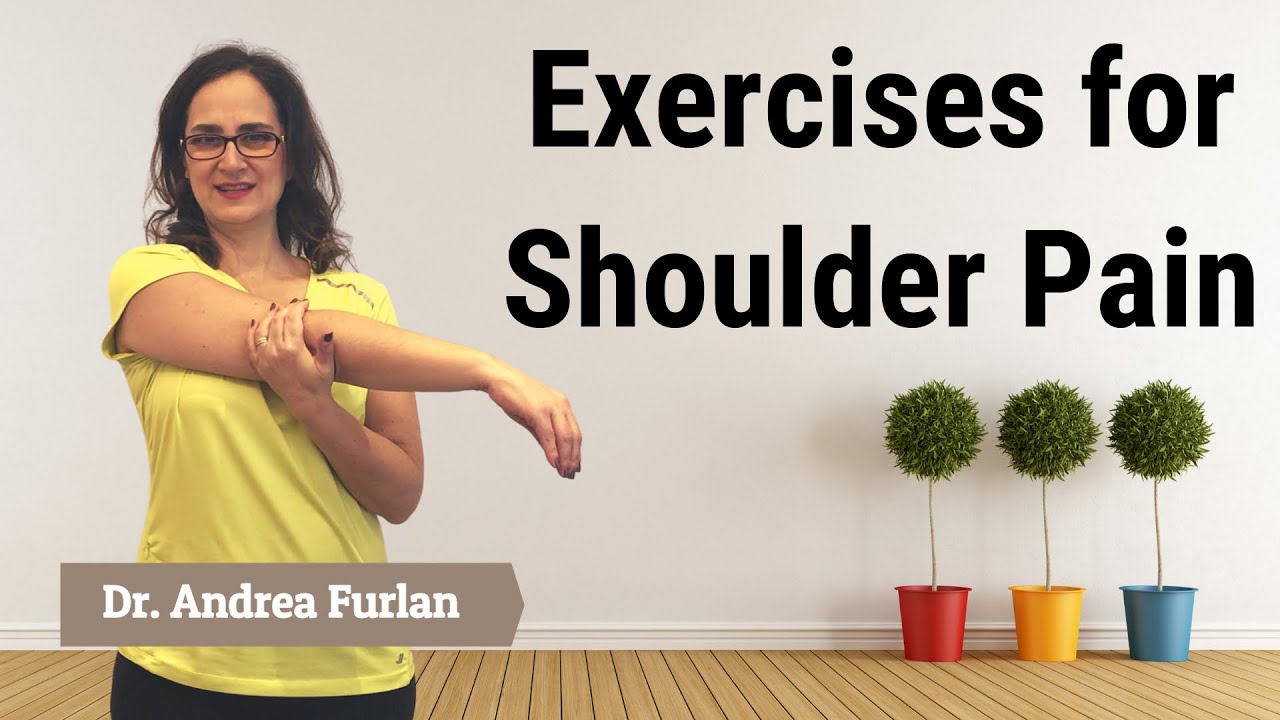
of 10 is acceptable hold the maximum rotation position for about 5 seconds and then return to the starting position and repeat do this for 1 to 2 minutes the last motion is a shoulder internal rotation stretch hold a stick towel or belt in one hand behind your back grab onto it with the hand of your affected shoulder pull upwards with the top hand which will lift the bottom hand higher up the back this will internally rotate the shoulder pull up as far as you can hold the highest position for 5 seconds then return to the
starting position and repeat do this for 1 to 2 minutes remember the most important part of this exercise program is repetition the goal is to slowly restore range of motion by stretching out the adhesions and scar tissue that have developed around the shoulder joint ideally this program should be done two to three times every day lastly it's important to note that many individuals recovering from frozen shoulder often experience significant loss of strength and muscle mass this weakness can lead to further complications especially involving the rotator cuff in the next video I'll explain these issues and
how an exercise program can effectively address them it's crucial to incorporate such a program once your forward flexion and abduction range of motion reaches at least at least 120 to 140°


![3 Keys to Rehab a Rotator Cuff Tear & AVOID Surgery [UNIQUE EXERCISES]](https://img.youtube.com/vi/o9fiTFfW4uU/maxresdefault.jpg)