Hello everyone, in this video we're going to talk about the different network types. And these network types depend on how large they are and how much of an area they cover geographically. .
Now most people who have a basic knowledge of networking are familiar with terms such as LAN and WAN. But in addition to those there are a few more network types that a lot of people are not familiar with. So that's what we're going to talk about in this video.
So let's first talk about a PAN. PAN stands for personal area network. Now this is a type of network that is used on a personal level.
It's a small network that is used for connecting devices such as smartphones, tablets, and laptops. And they connect to each other by using wireless technologies such as bluetooth, infrared, and near field communication or NFC. But they can also connect by using a wired connection such as a USB cable.
PANs are generally used for transferring small files such as music, photos, calendar appointments, and so on. And the next type of network is a LAN . Now LAN stands for local area network.
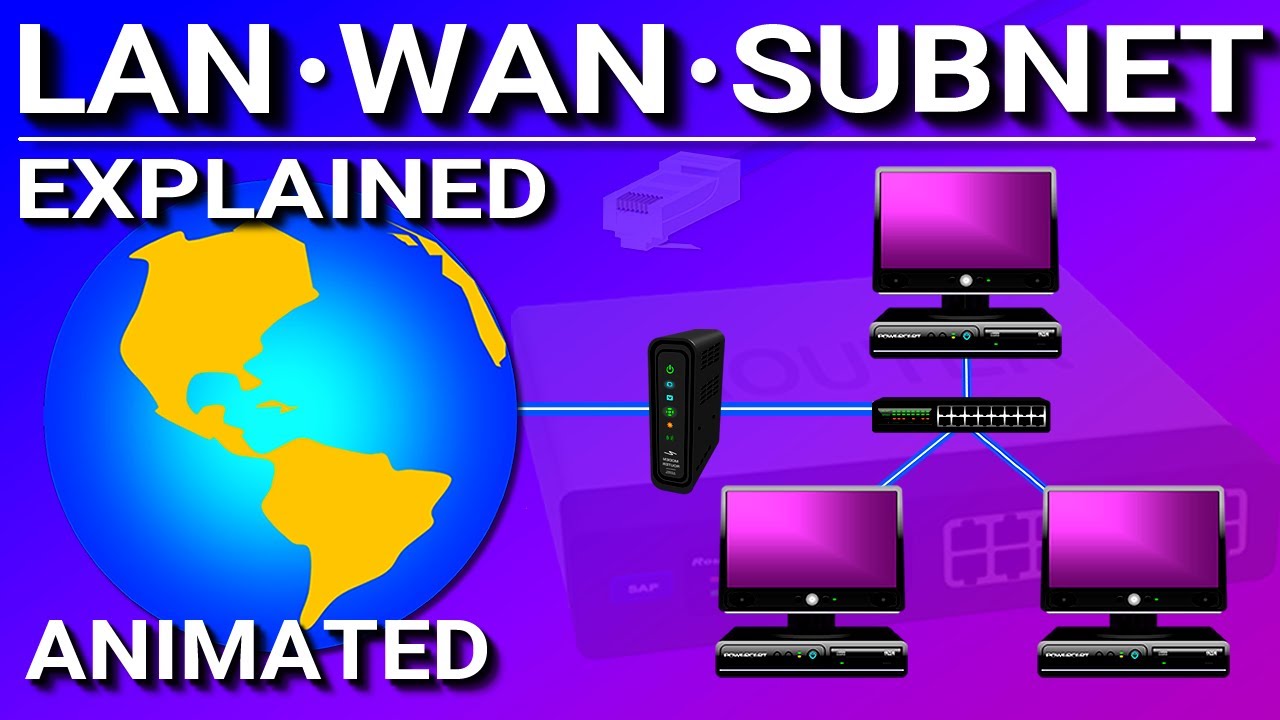
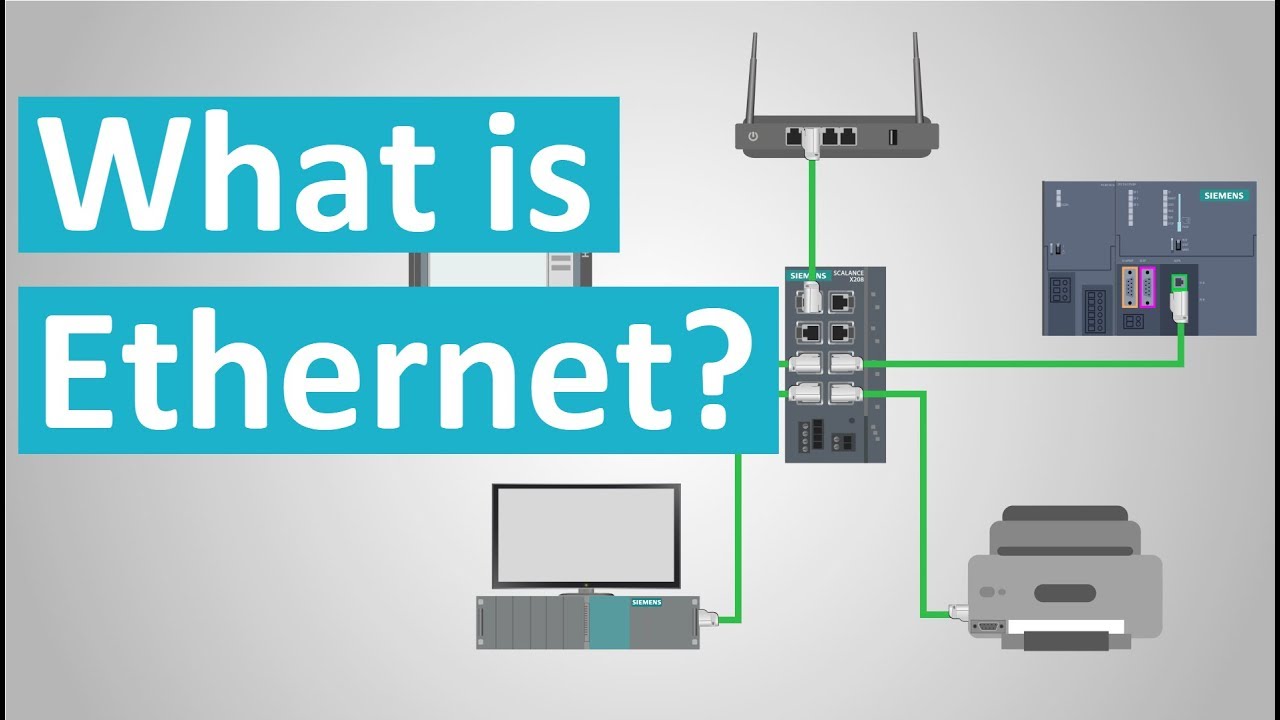
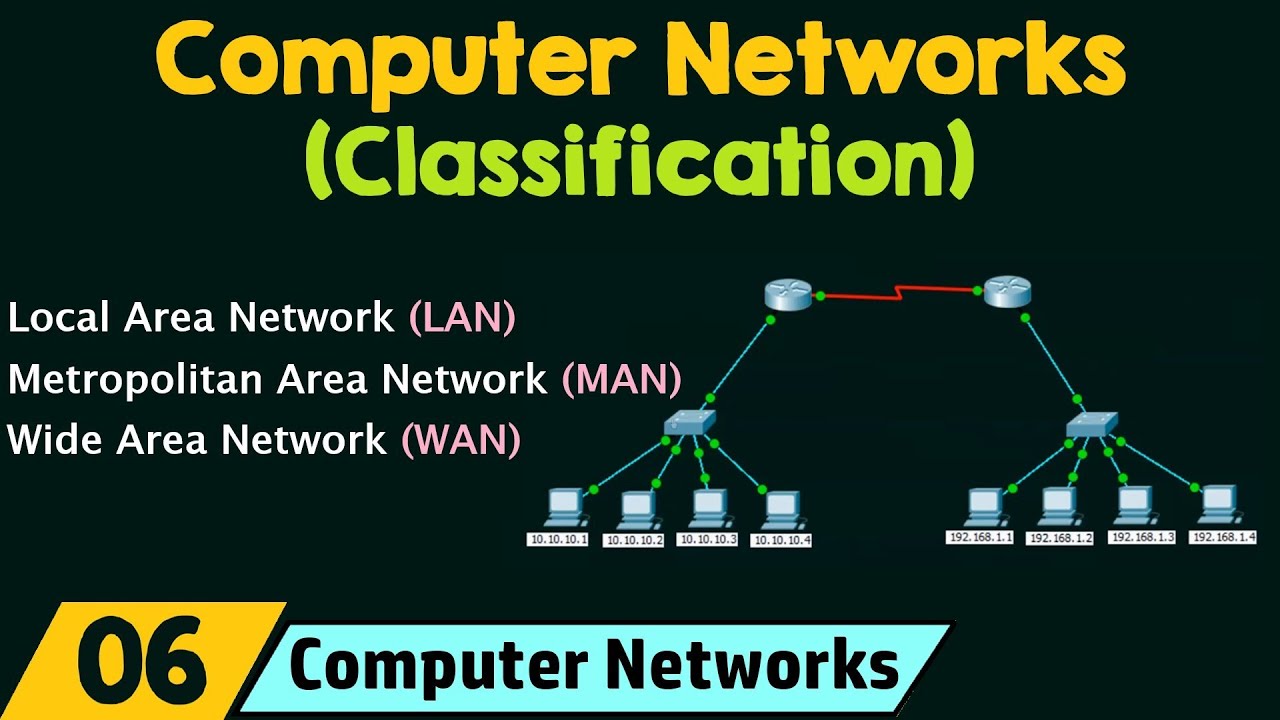
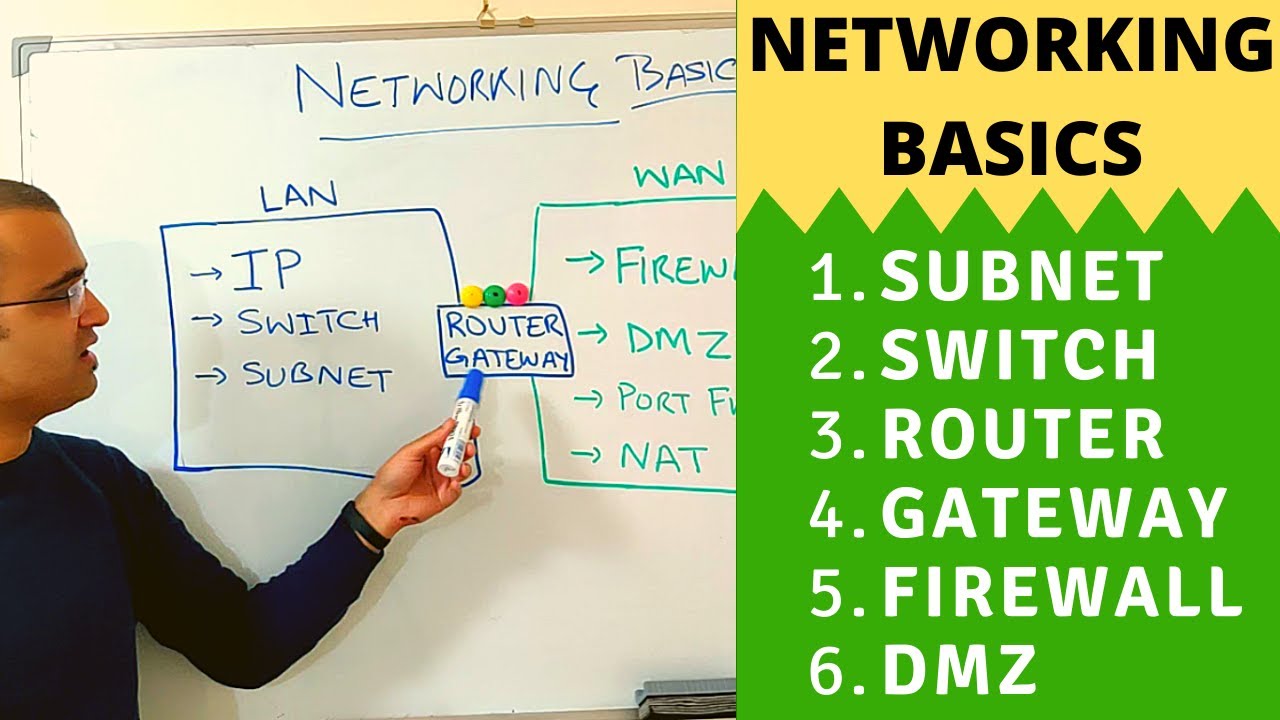
A local area network is a group of devices such as computers, servers, switches, and printers which are located in the same building, such as in an office or in a home. In other words, in close proximity to each other. The most common type of LAN is an Ethernet LAN, where two or more computers are connected to Ethernet cables using a switch.
Now a WLAN or wireless local area network is a local area network that uses wireless communication instead of wired communication. A wireless LAN is defined as having at least two devices that use wireless communication to form a local area network. A wireless LAN will typically have a Wi-Fi router or a wireless access point for wireless devices such as laptops, tablets, wireless desktops, and smartphones, to communicate.
So in simple terms, a wireless LAN is a LAN but without using cables. And the next network type is a CAN. Now CAN stands for campus area network.
A CAN is a network that joins two or more LANs together within a limited area. So for example a CAN could be a university that has multiple buildings in the same general area that are connected to each other to form a larger network. So these buildings could be different departments on a University's property with each building having their own LAN in their department.
And then the buildings are connected to form a campus area network. And the next network type is a MAN. MAN stands for metropolitan area network.
Now this is a larger network than a CAN. It's a network that spans over several buildings in a city or town. MANs are typically connected using a high speed connection such as fiber optic cable.
It's a high speed network that gives the ability for sharing data and resources within a city. And the next one is a SAN or storage area network. Now a SAN is a special high speed network that stores and provides access to large amounts of data.
Basically what a SAN is, is that it's a dedicated network that's used for data storage. This network consists of multiple disk arrays, switches, and servers. One of the main reasons for using a SAN is because SANs are not affected by network traffic such as bottlenecks that can happen in a local area network.
And that's because SANs aren't really a part of a local area network, it's partitioned off. It's a network all by itself. And then finally there's the wide area network or WAN.
A WAN is the largest type of network. A WAN includes multiple LANs, CANs, and MANs. It's a network that spans over a large geographical area such as a country continent or even the entire globe.
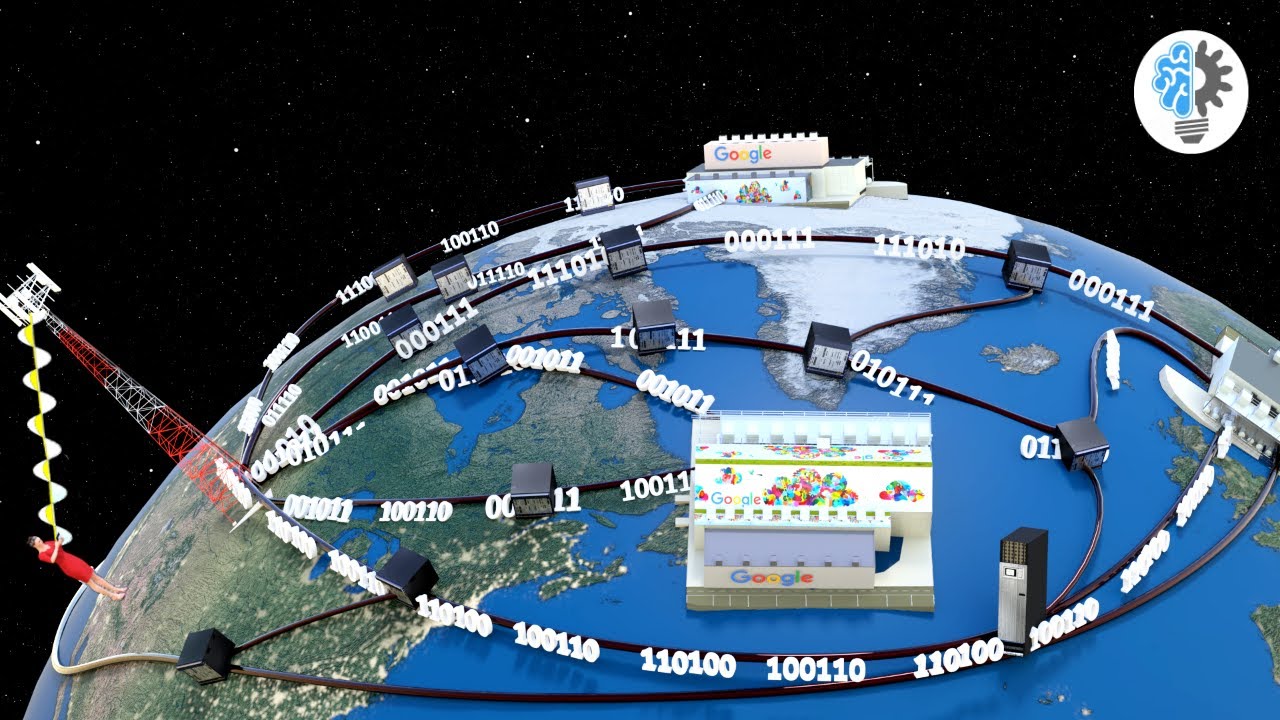
A good example of a wide area network is the internet.