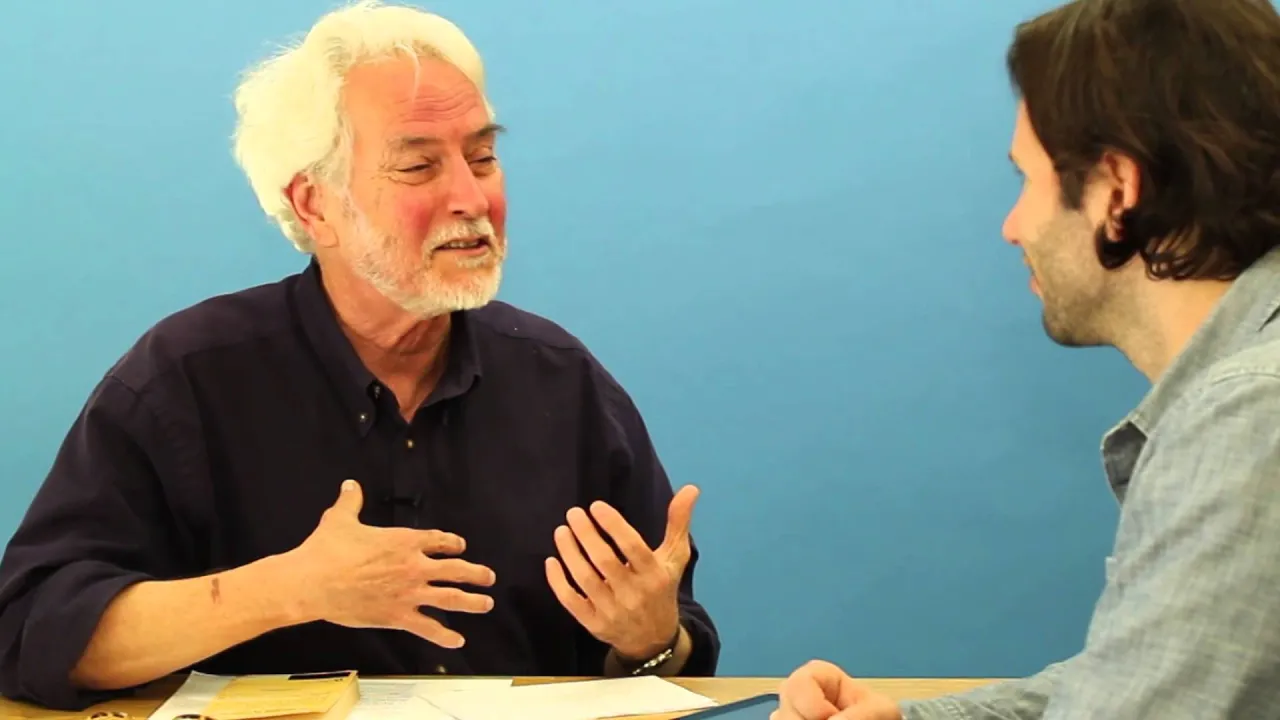
you use reflective practice not just after you come from the field and you start writing your field note um you are engaged in reflective practice while you're with the kids all the time I mean everybody's doing this the kids are engaged in reflective practice as they're interacting with you so uh our our goal is to be more EXP explicit and to be more systematic in that reflexive practice and so it starts the moment you arrive in a field situation uh and uh uh and that reflective practice is a matter not only of standing in the
corner and watching what's happening in the room or looking at the physical features of the room seeing the posters on the wall and the messages on the Blackboard it's also reflecting on okay what am I doing here uh it's a it's what am I going to do what how how do I engage with these kids what do I say to them uh all those are part of your reflective practice and and and because what you say to the kids is going to make a difference in terms of what they say back to you so uh
and this is something that changes over time I call it reflexive practice because it's it's reflexive because it reflects back on you as well as being reflective and thinking about yourself it's not just kind of uh standing back and looking at yourself and thinking oh well this is what I should have done or this is what I should do uh it's it's really reflexive in the sense that it happens in the middle of the interactions you're having with the kids every conversation every exch change every uh activity or task that you're doing with computers with
a child is uh again it's implicating you in that child's engagement in the activity so you're both equally engaged and reflexive and reflective practice are important in teaching because it enables the teacher to not replicate the power relationships that usually exist in formal education contexts uh it enables you to hold back from exerting the uh Authority and power that you are likely to have over a younger person and to engage with that younger person as an equal that doesn't mean that you're letting them walk all over you but it means that you're meeting them face
to face and respecting them uh and figuring out exactly who they are just as they're trying to figure out who you are and in that process you establish a kind of relationship which uh is transformative for for both of you you it's transformative also for uh the learning situation uh through your reflection uh and through your interaction your equal partnership with the kids um it uh enables you uh to create the process of equity and Equity is not a it's not a goal Equity is a process and and to to engage in that process really
requires a lot of reflection on your part