What do the changes in locations of ocean life and astronaut underwear have in common? Well, it has to do with thermal energy transfer. Stick around to learn more.
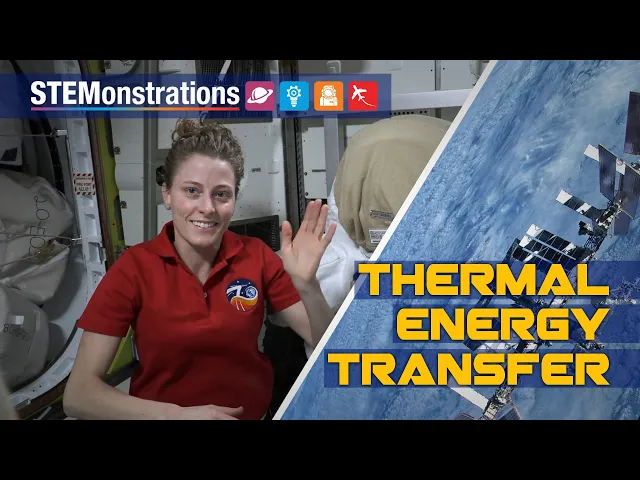
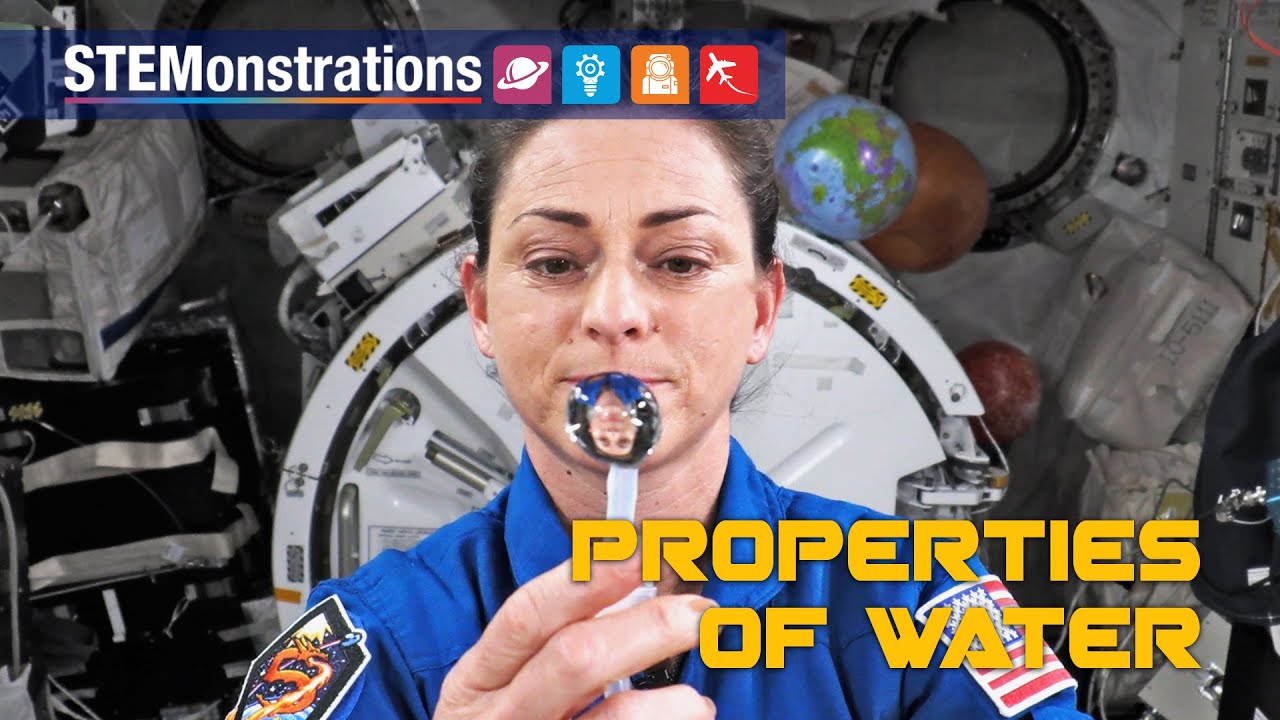
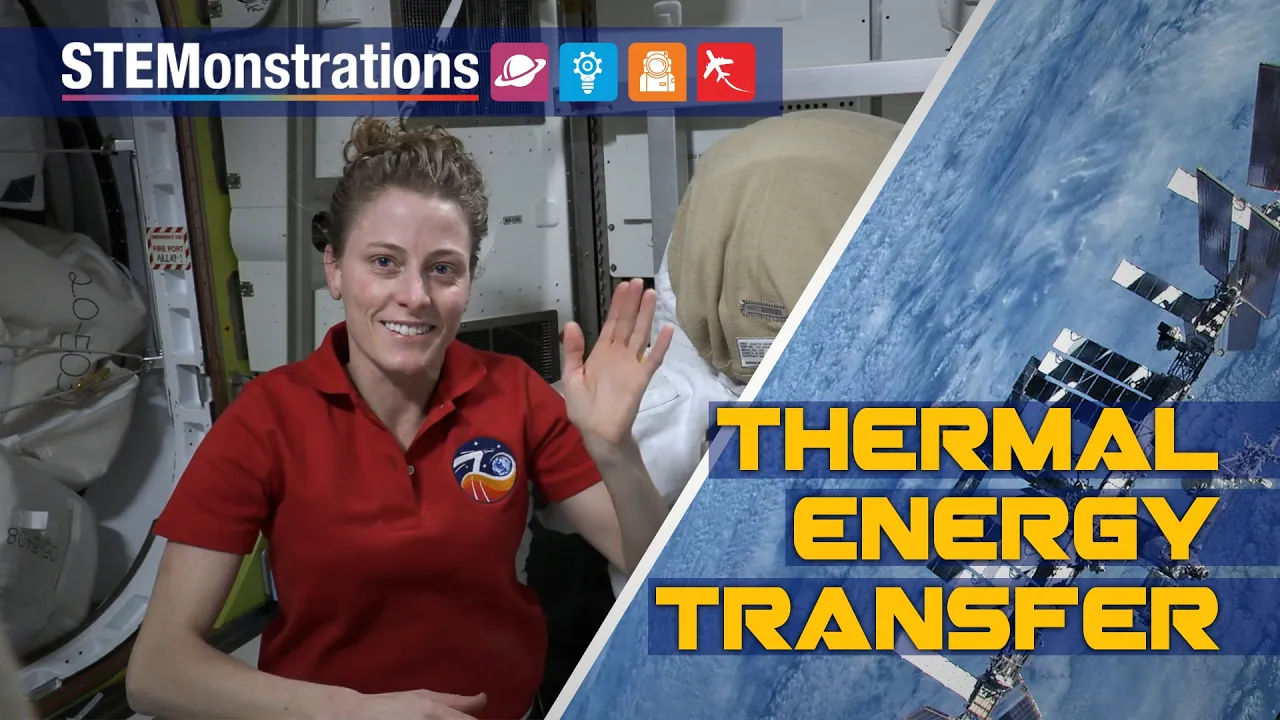
Hi. I'm NASA astronaut, Loral O'Hara, and I'm living and working aboard the International Space Station. Today, we're talking about thermal energy or heat.
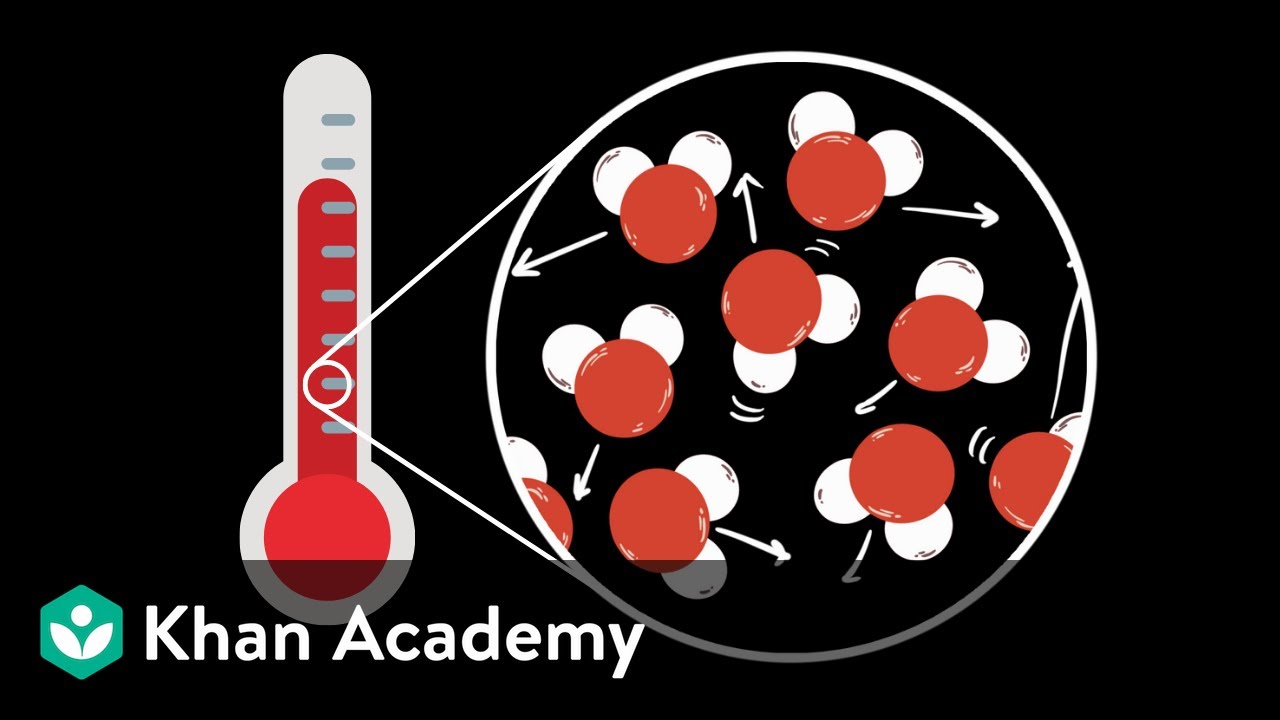
All living things, whether living in the oceans or in orbit need to be within a special thermal balance within their environment to live. We call this balance homeostasis. Too hot or too cold, we won't survive.
Luckily, there are three different ways that thermal energy can be transferred from place to place to help maintain homeostasis: convection, convection and radiation. Conduction is how thermal energy is transferred from one object to another through direct contact. When you swim in the cool ocean thermal energy from your body is connected directly to the water.
That loss of thermal energy is felt as a cold sensation. Ocean life maintains homeostasis by living in water that is the correct temperature they need to survive. Astronauts aboard the space station can even track this by making direct observations of large ocean life such as coral reefs and blooms of algae.
To stay in homeostasis during spacewalks, astronauts wear special garments under their spacesuits, called a liquid cooling and ventilation garment or LCVG. This full body garment with small tubing sewn into the fabric is worn close to our skin. Cool water is packed through the garment, which helps to conduct heat away from the astronaut as we perform spacewalks in the harsh environment of space.
Similar technology is being increasingly used on earth when open air cooling is difficult, such as for firefighters, steel mill workers and surgeons during long procedures. The next method of thermal energy transfer, convection, only applies to fluids like air and water. When the temperature of a fluid changes, its density changes as well.
This will cause large amounts of a cooler fluid to sink because it is denser than the warmer fluid surrounding it. In oceans, the convection of warm water rising near the equator and sinking of cooler water near the poles feeds oceanic currents that circulate the ocean water all over the world. This aids in the migration of sea life as they ride these currents and stay within channels of water at certain temperatures to maintain homeostasis.
However, this is not the case on the orbiting laboratory. In microgravity, the density of an object does not affect its motion. So a pocket of warm air created by computers, a warmed up meal or even our body heat just kind of stays there.
That's why we use a series of fans and ducts to mix and circulate the air on space station to keep us in homeostasis. The final method of thermal energy transfer, radiation, is vital for our oceans and the space station. Radiant energy from the Sun in the form of visible and UV light is absorbed by the oceans during the day and is converted to thermal energy, warming the water.
Thermal energy is also radiated away from the ocean in the form of infrared light. This energy radiated from the oceans, warms our atmosphere and cools oceanic temperatures, keeping them both stable. The temperature on space station is regulated through radiation.
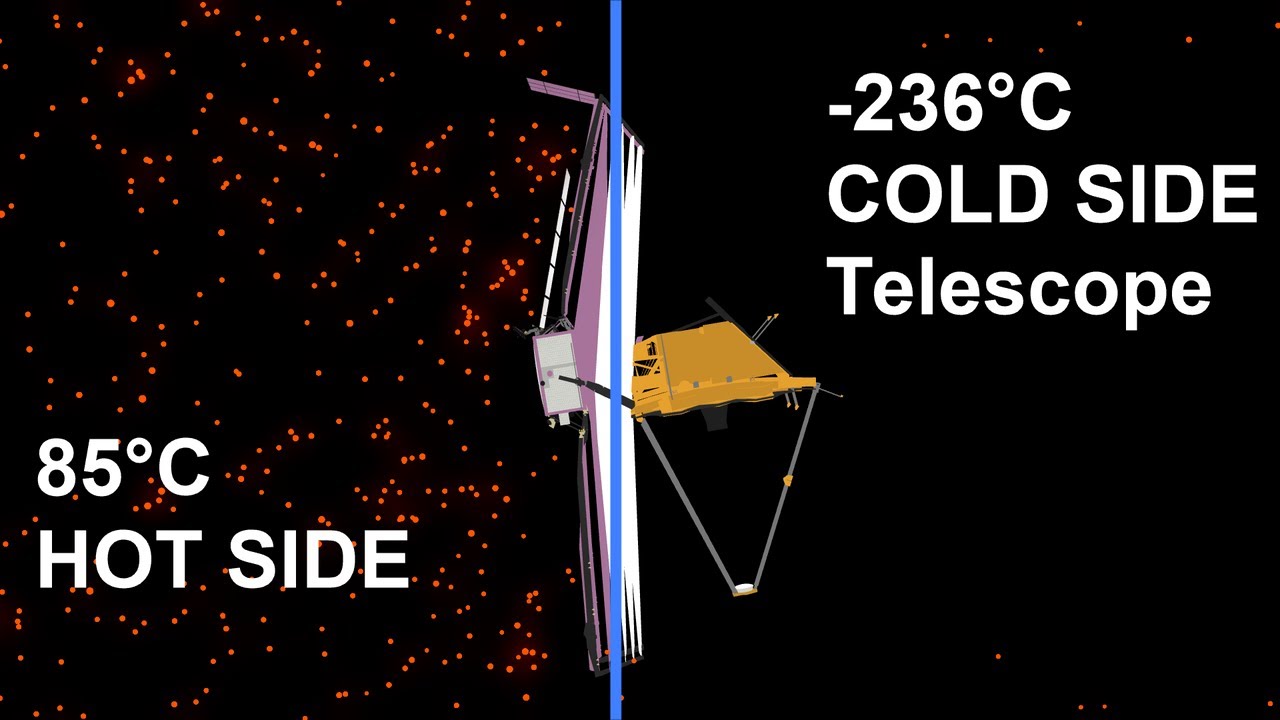
The space station is outfitted with large radiators, which have a large surface area of panels to radiate away the excess thermal energy of station, keeping the station in a type of homeostasis. Maintaining the right temperature using thermal energy transfer is a big job, both aboard the space station and in our oceans. What methods are you using to stay in thermal homeostasis right now?
Convection? Convection? Radiation?
All three? Share your observations as you work on the corresponding classroom connection. Thank you for exploring thermal energy transfer with me today.
See you next time!