in just a few short years the world as we know it will be transformed by Technologies you may have never imagined by 2025 artificial intelligence could rival human intelligence lab grown meat might be a staple in our diets and Quantum Computing could redefine what's possible these breakthroughs are already in motion poised to reshape Industries revolutionize Healthcare and change how we interact with the world but with these advances come challenges and risks stay tuned as we explore the top Technologies set to change our world by 2025 and what they mean for our future number one machines
that think like humans one of the most talked about Technologies is artificial general intelligence AGI AGI is more advanced than today's AI systems which are designed to excel at specific tasks like recognizing images or generating text AGI aims to replicate human intelligence in all its forms meaning a machine could learn reason and solve any problem much like a human being companies like open Ai and Google deepmind are at the Forefront of AGI research they're building on current AI Technologies like deep learning and neural networks which mimic the way the human brain works by processing large
amounts of data AGI would take this a step further by handling more abstract and complex tasks such as scientific research medical Diagnostics and even creative Fields like art and literature but as exciting as AGI sounds it comes with some big questions if if machines can think and make decisions autonomously what happens to human jobs what ethical standards will govern the decisions agis make while it's possible we'll see AGI in 2025 it may also bring new risks and challenges that we'll need to address number two Quantum Computing another technology with the potential to reshape our world
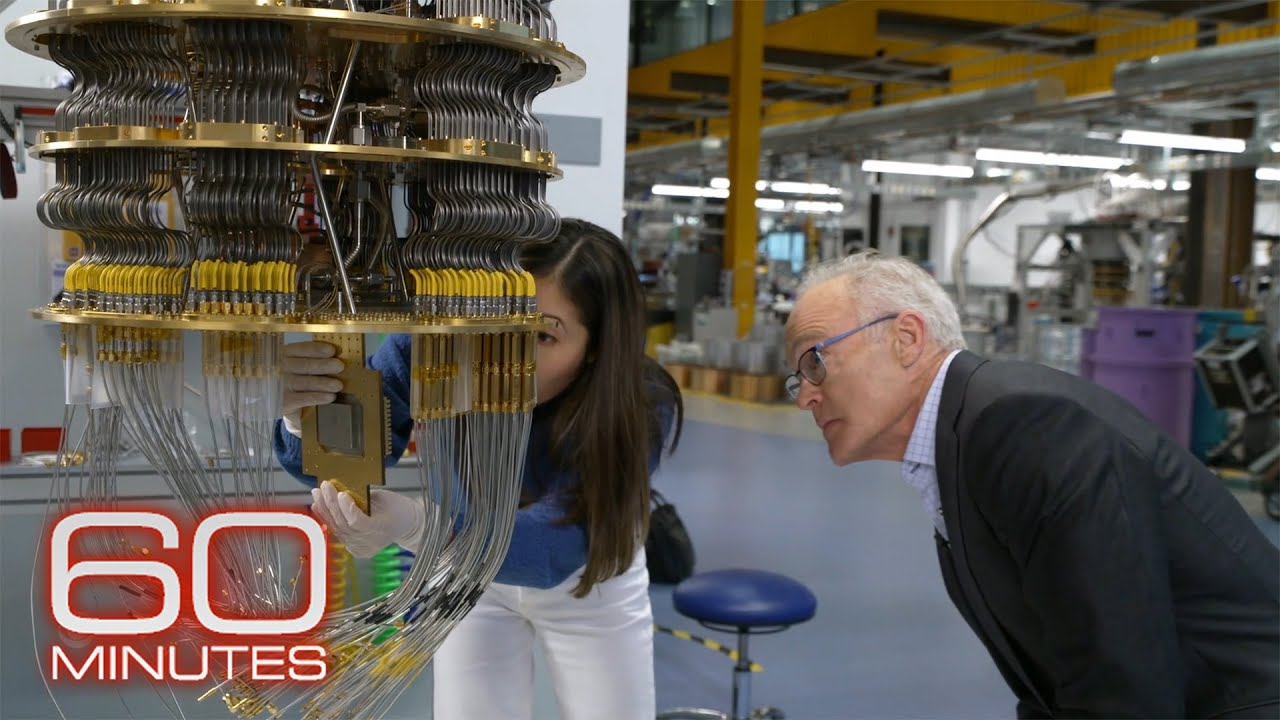
is quantum Computing unlike classical computers that process information in binary zeros and ones quantum computers use cubits which can represent multiple States at once this gives quantum computers the ability to process vast amounts of data far more efficiently than today's machines the most notable milestone in this field came when Google achieved Quantum Supremacy in 2019 their quantum computer Sycamore performed a calculation in 200 seconds that would take the most powerful classic supercomputers thousands of years to complete this was a major Leap Forward but it's just the beginning by 2025 companies like IBM and Google are
expected to make Quantum Computing more practical and accessible for Industries like cryptography drug Discovery and Material Science Quantum Computing could revolutionize Fields like medicine by simulating complex molecules leading to faster drug development it could also break current encryption methods raising the stakes for cyber security although the technology is still in its early stages the potential impact on various Industries is enormous number three crisper Gene editing crisper cast Des has been a groundbreaking tool in genetic engineering enabling scientists to make precise changes to the DNA of living organisms unlike older methods of genetic modification crisper is
much more accurate making it a GameChanger in fields like medicine Agriculture and biotechnology in medicine crisper is already being tested as a treatment for genetic disorders like CLE cell anemia and cystic fibrosis by 2025 we could see crisper based therapies available for a wide range of diseases potentially curing genetic conditions that were once considered incurable additionally crisper is being used to develop crops that are more resilient to Drought pests and diseases which could be crucial for feeding a growing global population but there's a darker side to Gene editing the technology raises ethical concerns especially when
it comes to editing human embryos could we one day see a world where people can choose their children's eye color height or intelligence these ethical dilemas will need to be carefully managed as crisp becomes more widespread number four brain interfaces by 2025 the line between humans and machines could blur thanks to brain computer interfaces bcis companies like neurolink founded by Elon Musk are developing systems that can connect the human brain directly to computers this could allow people with paralysis and other neurological conditions to control devices with their thoughts restoring their ability to move or communicate
the technology works by embedding ultra thin threads heads into the brain that detect neural signals and send them to a computer bcis could enable people to control Prosthetics interact with smart home devices or even experience fully immersive virtual reality simply by thinking in the long term bcis might be used to enhance human cognitive abilities potentially allowing us to process information faster or even communicate telepathically however bcis come with serious ethical and privacy concerns if computers can read our thoughts who will have access to that data and what happens if someone hacks into your brain these
are questions that will need to be answered as BC become more advanced and widespread number five solid state batteries one of the biggest hurdles of electric vehicles EVS has been the limitations of current Battery Technology that's where solid state batteries come in these batteries replace the liquid or gel electrolyte found in traditional lithium ion batteries with a solid material making them more energy dense safer and faster to charge by 2025 companies like Toyota and BMW aim to have solid state batteries powering their EVS these batteries could allow cars to travel further on a single charge
and recharge in minutes rather than hours this would make electric vehicles more practical for everyday use accelerating the transition away from fossil fuels and helping to combat climate change solid state batteries also have potential applications Beyond EVS they could be used in smartphones laptops and even great scale energy storage for renewable energy sources like solar and wind however there are still challenges to overcome such as the high cost of production as research continues solid state batteries could play a key role in the future of Clean Energy number six lab grown meat the global demand for
meat is increasing but traditional livestock farming is resource intensive and contributes significantly to greenhouse gas emissions enter lab grown meat a technology that could revolu uzee how we produce food by growing meat from animal cells in a controlled environment lab grown meat eliminates the need for raising and slaughtering animals making it more sustainable and ethical in 2020 just eat became the first company to sell lab grown Chicken in Singapore and by 2025 we could see lab grown meat available in more markets worldwide this technology could reduce the environmental impact of meat production as it requires
less land water and energy than traditional farming methods however lab grown meat faces several challenges consumer acceptance is a big hurdle will people be willing to eat meat that was never part of a living animal additionally lab grown meat is currently expensive to produce but as technology improves and economies of scale kick in prices are expected to drop number seven blockchain Beyond cryptocurrency blockchain is most famous for powering cryptocurrencies like Bitcoin but its potential applications extend far beyond non-digital currency by 2025 blockchain could transform Industries like Supply Chain management voting and digital identity in Supply
chains blockchains can track products from the manufacturer to the consumer ensuring transparency and reducing fraud for voting systems blockchain could provide a tamperproof and transparent method for conducting elections making it easier to verify the Integrity of results however blockchain also faces challenges related to scalability and energy consumption particular L with public blockchains like Bitcoin that require vast amounts of computing power as blockchain evolves it will need to address these issues to fully realize its power number eight smart cities by 2025 smart cities will likely become the norm in urban areas using the internet of things
iot smart cities can collect data from traffic lights public transportation systems and even waste management to optimize daily functions cities like Singapore and Helsinki are already leading the charge using real-time data to reduce traffic congestion improve Energy Efficiency and increase Public Safety while the benefits of smart cities are clear they also raise questions about data privacy as more devices become connected how can cities ensure that sensitive information is kept secure in the end smart cities offer a glimpse into a more sustainable and efficient way of living but they must strike a balance between Innovation and
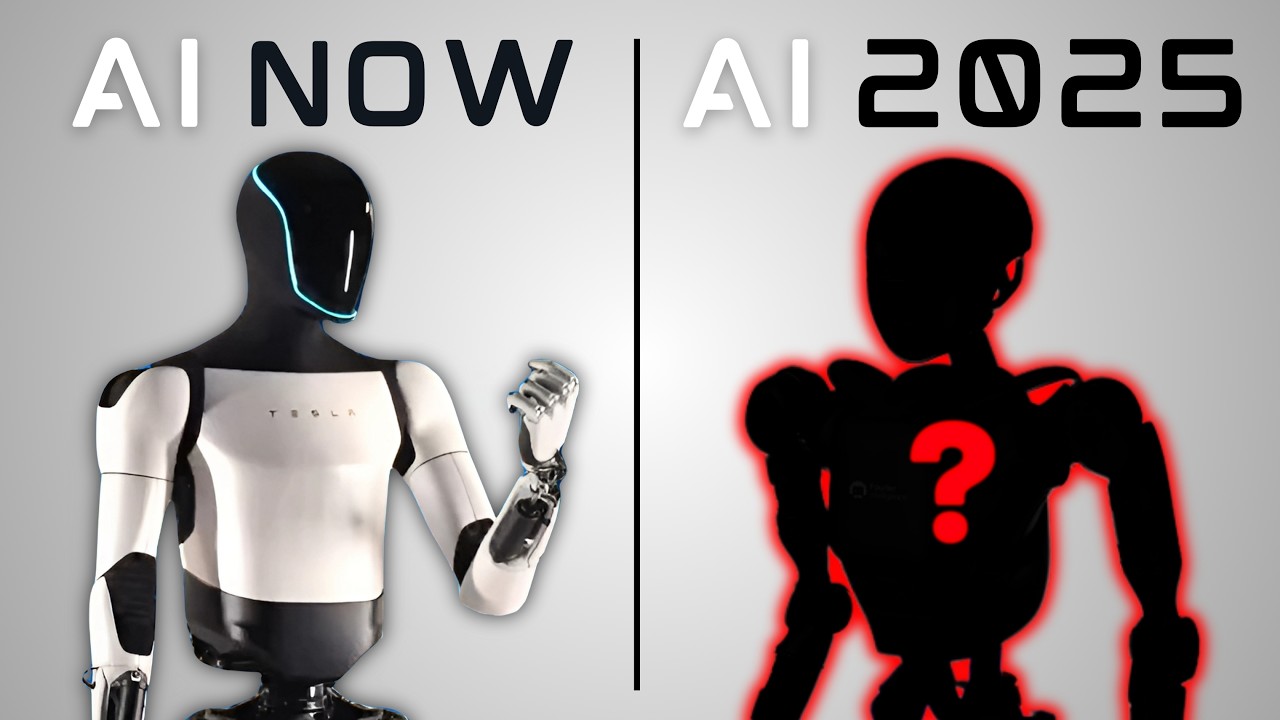
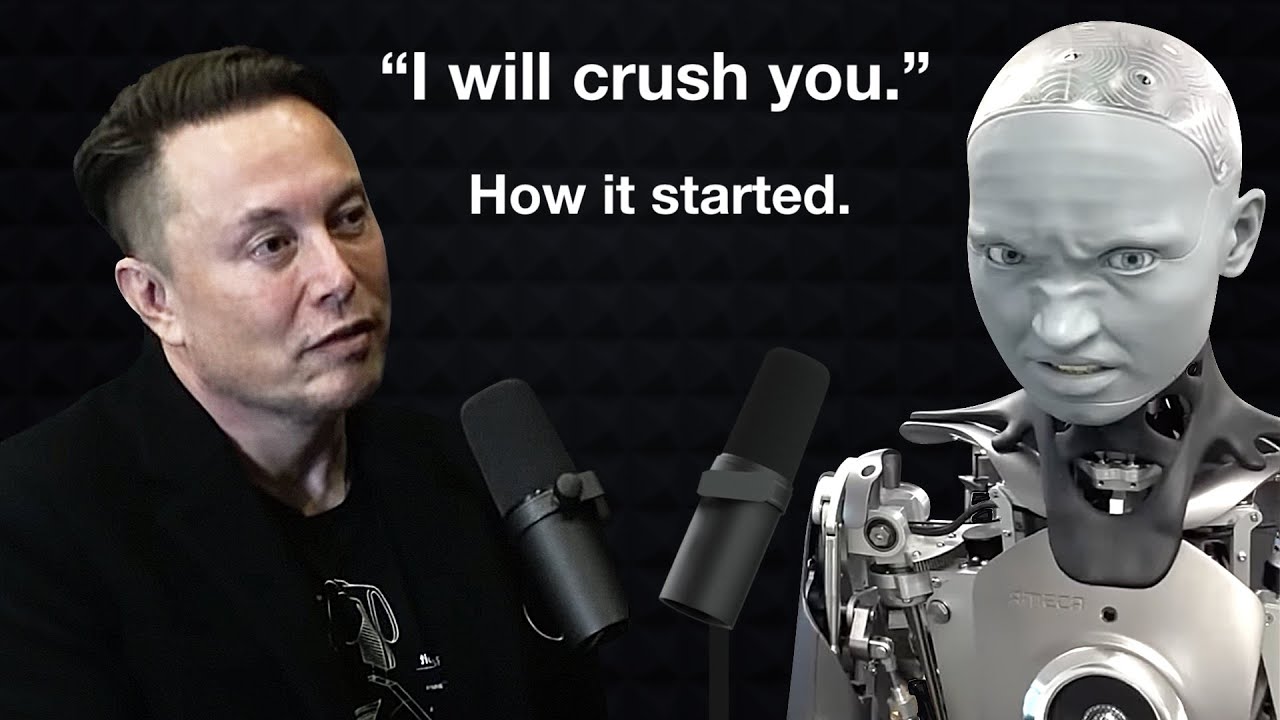
privacy number nine humanoid robots humanoid robots are expected to play a much larger role role in our everyday lives by 2025 companies like Boston Dynamics and Tesla are at the Forefront developing robots capable of performing a wide range of tasks from health care assistance where robots can help with Patient Care and Rehabilitation to search and rescue missions in hazardous environments these robots are designed to navigate complex terrains interact with humans naturally and even handle physical labor such as Warehouse Logistics and Manufacturing while these advancements can free humans from dangerous or repetitive tasks asks concerns around
job displacement and how humans and robots will coexist in the workforce persist as robots become more capable they may begin replacing jobs that have traditionally been done by humans sparking discussions about employment economic inequality and the need for reskilling in the workforce balancing Innovation with social implications will be crucial as robots integrate into more aspects of daily life if you've made it this far let us know what you think in the comment section below for more interesting topics make sure you watch the recommended video that you see on the screen right now thanks for watching