Chancellor Olaf Schultz is looking for ways to shake off Germany's economic malays as Europe's largest economy look set to contract for the second consecutive year he hosted a industry Summit of Business Leaders and officials on Tuesday aimed at finding answers to tough questions about stalled growth and structural problems the pressure is on for the government to pass an effective growth package and find ways to revive the nation's economy why is Germany's economy in such bad shape and what will it take to get things going again Chancellor Olaf Schultz is facing tough questions like these at
the industry Summit in the chancell where he is meeting Business Leaders employers and Union Representatives the summit aims to address mounting concerns over the country's economic stagnation and to look for solutions to obvious structural problems we Haven we systematically did not invest enough in our infrastructure which can be seen with delayed trains and collapsing Bridges the lack of digitalization across administrations we have not done enough to mobilize the potential of skilled workers both on the domestic job market and in terms of the employment of women according to IMF predictions for this year and combined with
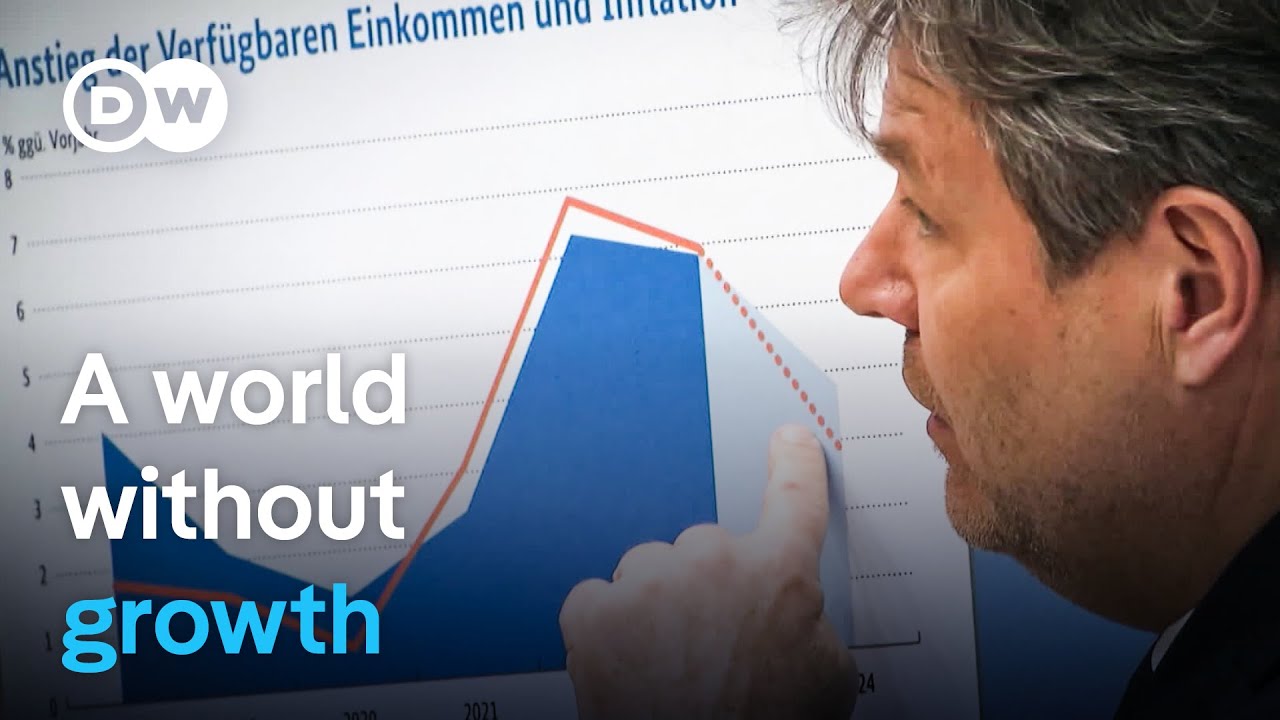
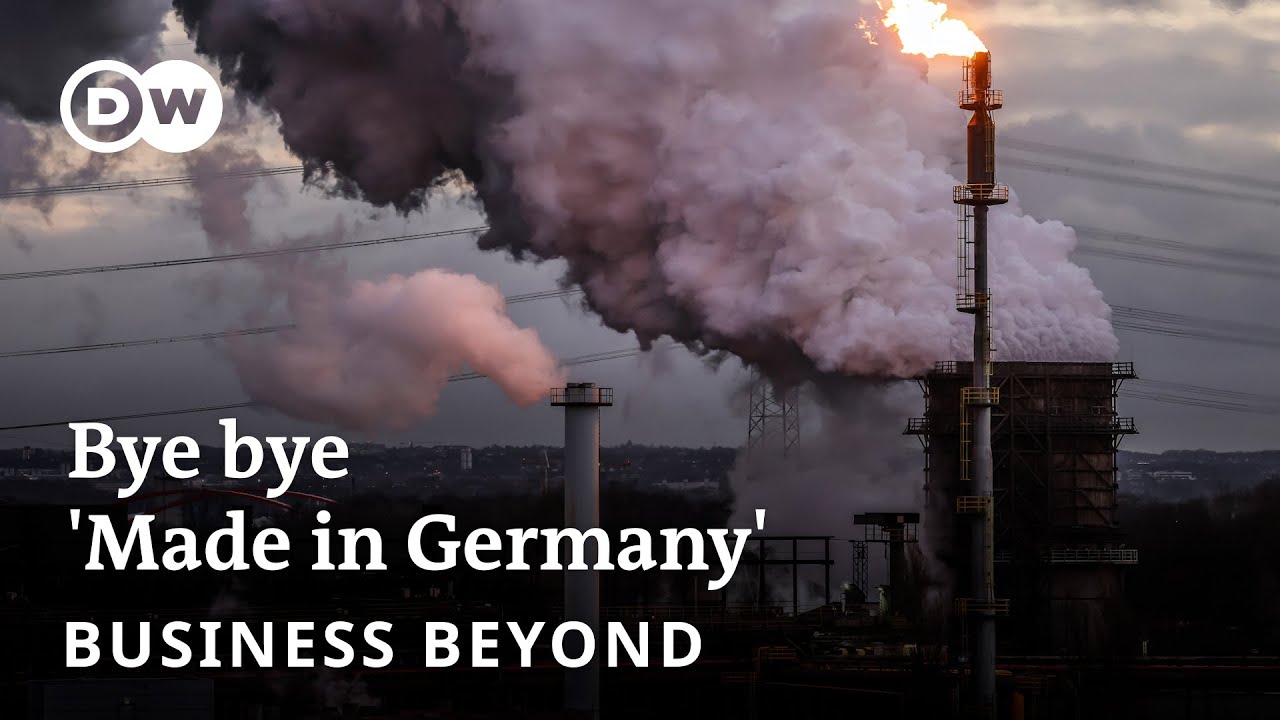
the German economy ministry's forecast here is how Germany is expected to stack up against the US China and Japan and India projections yet again it is expected Ed to be the only economy to contract Germany is very much exposed to Rising Energy prices so the energy intensive industry like the chemical industry is strong in Germany then we have issues in the car industry the transition towards Electric Mobility the growing importance of it uh the difficulties in the Chinese markets all of that is is making like life difficult for uh the car industry the country's giant
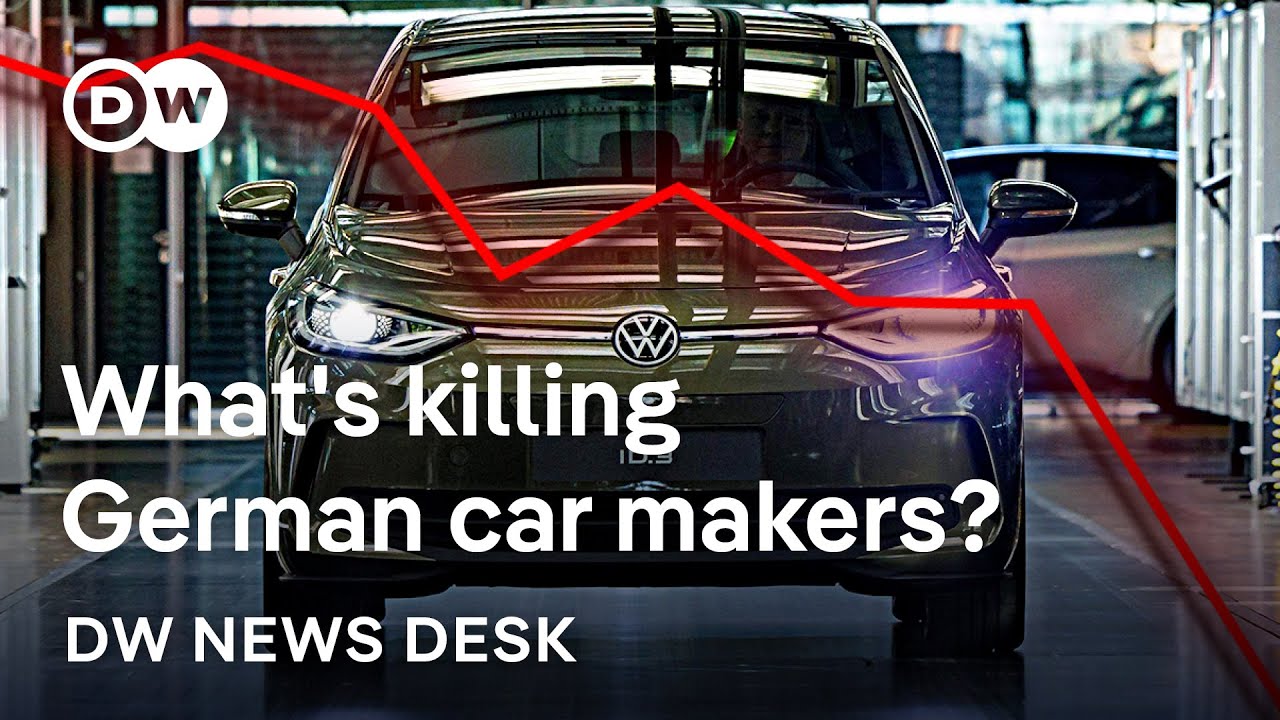
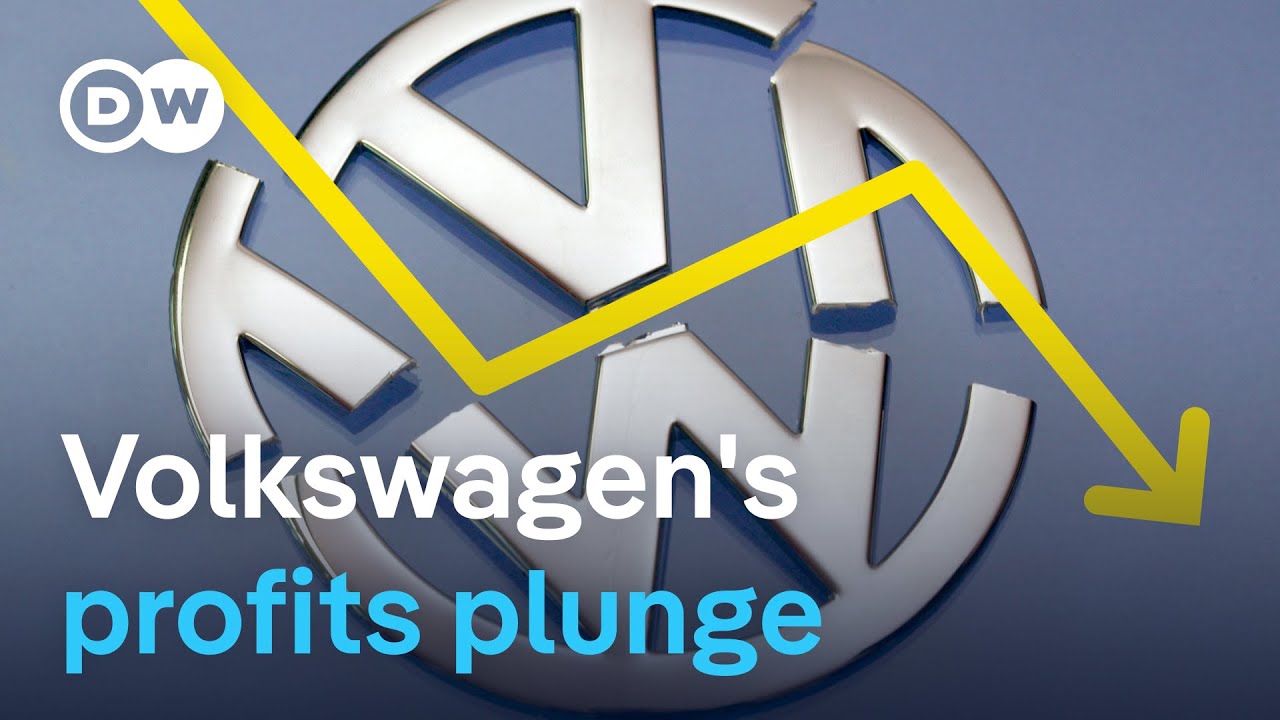
car maker vult Volkswagen may have to substantially reduce its operations in Germany Europe's biggest car producer is planning to shut at least three factories in Germany lay off tens of thousands of staff and permanently cut production at its remaining plants in Germany the cracks in Europe's biggest economy are deepening and businesses want something to be done by the government soon well that industry Summit is a taking place at the German Chancellor and that's where DW's Chief political correspondent nah haza is H Nina great to see you uh so the chancellor is talking with the uh
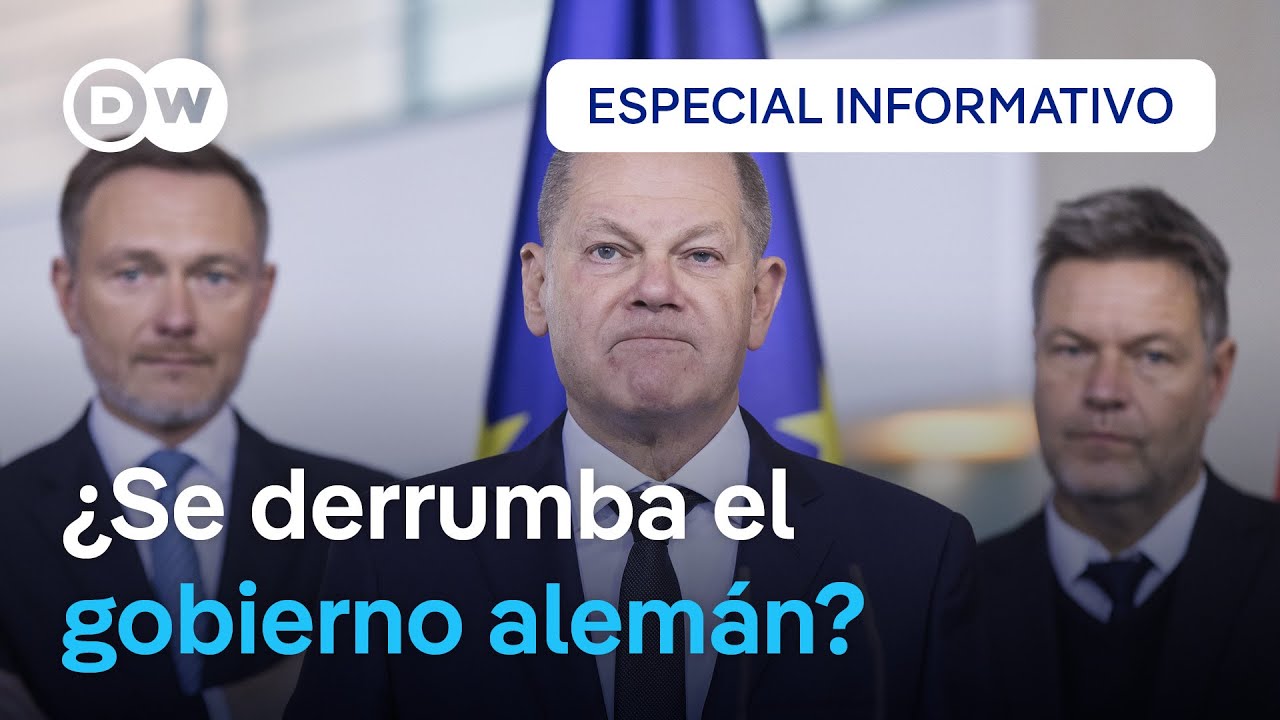
big companies his finance minister is holding a separate meeting with leaders of small and mediumsized companies why are there two separate meetings taking place well if it wasn't so serious PA I'd compare it to a situation where you are hosting a dinner party but you don't invite your two flat maids and then one of those flat Maids decides to host a separate barbecue event in your front garden and something like that is happening in Berlin today where the German Chancellor Olaf Schultz is hosting an industry Summit with business Representatives but doesn't invite his two key
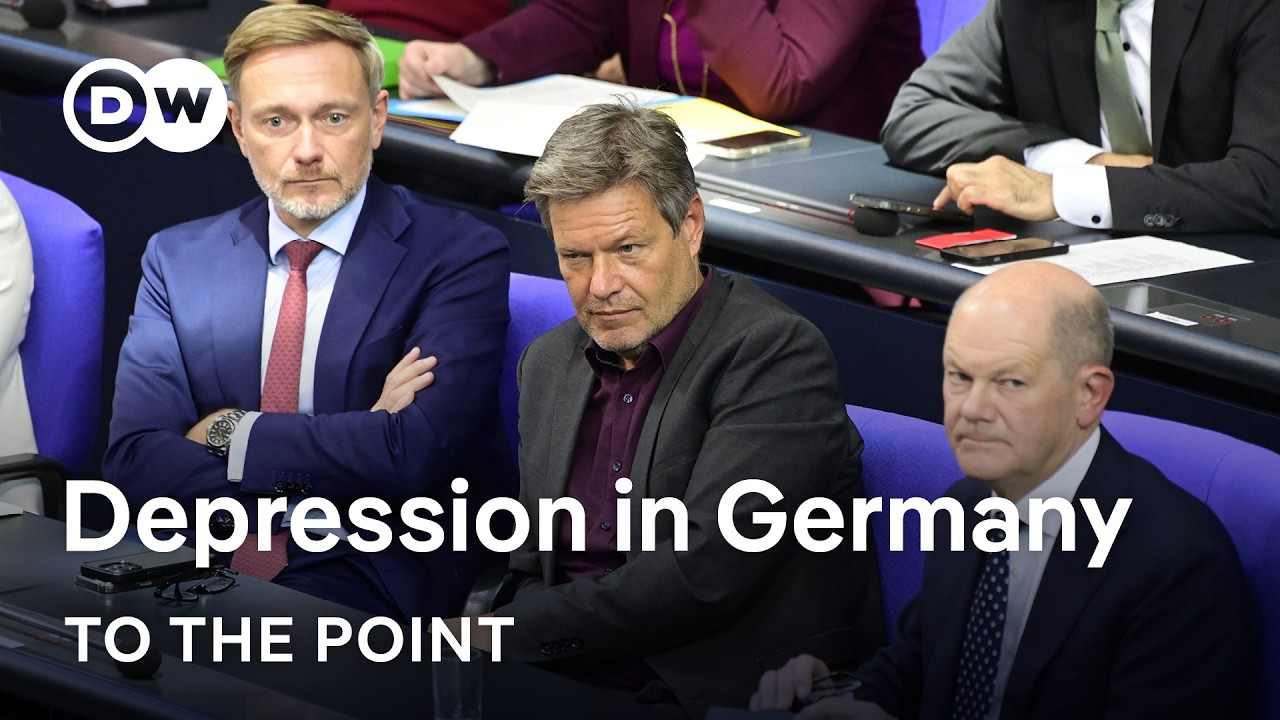
ministers so the Finance Minister then decides to set up his own Summit talking to different business Representatives on the very same issue on the very same day and the third man economy Minister Robert harck who was left out of both of those Gatherings then writes his own paper about uh his ideas without consulting anyone about how to pull Germany out of this very very serious economic crisis and this isn't just political bickering this really shows the split that uh the three governing parties are in at the moment how far they've grown apart and this is
also not the chapter in this political drama because they're running out of time many people are already looking at the budget negotiations that are looming the government needs to fill a hole of some 10 billion euros and they really do need to come together and present a cohesive plan to pull Germany the world's third largest economy out of this crisis so many people are looking at those budget negotiations next month as some sort of a showdown and people political observers are speculating whether the German government could could even fracture over those economic differences thanks Nina
DW's Chief political correspondent nah haza uh outside the chancy for us in Central Berlin and here in the studio now is Daniel winter from the business desk to talk more about the German economy so does these two high-profile meetings taking place here in Berlin uh how poorly is the German economy performing well Pablo we've heard a lot already but I can add to the list there's weak consumer spending lots of bureaucracy lack of digitalization lack of infrastructure spending lack of skilled workers it goes on and on and on a long laundry list of things that
the government has to tackle if it wants to get the economy back on track now I also remember going to Hanover Messa earlier this year that's a big industrial trade fair and just seeing rows and rows of stalls of Chinese vendors who are making the kind of technology that used to be The Preserve of Germany this super accurate machine building and now they're coming here and selling it here so competitiveness is the big thing as well Germany has a lot of catching up to do sounds like there's plenty of problems there Daniel so the government
also appears to be in disagreement of how to turn things around here in Germany so what are the industry leaders then uh demanding well I spoke to one industry Association leader for the machine building industry a very critical industry here in Germany and he said kind of the typical thing things that you'd expect that kind of person to say lower taxes um less stringent workers rights or at least increasing working hours and reducing pensions all this kind of stuff I don't see any political will for that going through um and of course remember in Germany
the system is that workers actually have a seat at the table in the decisions that these big companies make like Volkswagen which we heard about so I don't see any of this happening anytime soon but another big issue is investment I spoke to Startup founders telling me that they just can't find the capital to invest in the kinds of cuttingedge technology which would make Germany competitive so things like AI or even Quantum Computing and if they can't find the level of investment that they need for that kind of risk profile then either they go out
of business or they go to the US because that's where they can get the capital you're not painting a very posive picture here Daniel so what is the view then in the business World um is is politics standing in the way then of economic recovery instead of actually helping it well certainly you have a kind of an ideological power play going on it seems to be I mean there are these two kinds of philosophies to spend or not to spend and Germany has what's called a constitutional debt break which means there's a limit that's enshrined
and lore as to how much Germany can spend on its on its credit card and there are politicians which do not want to spend deficit spend in in Germany and the rift between the economy Minister the chancellor the Finance Minister these are becoming more public now it could be that they're sharpening their profiles ahead of the elections next year but um at the same time they're denying that there's any Rift having these parallel industry meetings for example they simply say well we need to come up with a plan where we work together and we want
some kind of cooperation together as a government but we're not seeing that we're not seeing the cooperation um that you would expect to match their words and you know one article from the German news magazine spel put it very well when they said at the top of government the air is getting thin well I would say the same goes for the economy too concerning stuff there Daniel of course let's don't forget that we have the elections here H in not so uh long a time from now that's great thanks for having you in the studio
that's DW's uh business uh correspondent and reporter Daniel winter