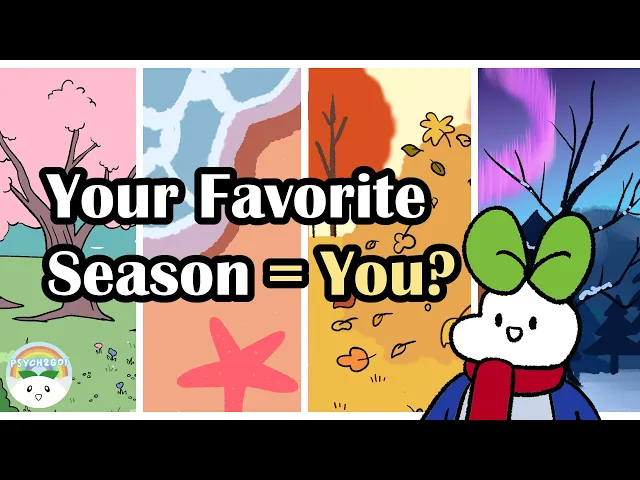
Psych [music] to go is a digital media organization that raises mental health awareness by presenting psychological topics in a digestible and relatable manner. Please share our content with those who need it. Have you ever noticed how some seasons feel easier to live in than others?
Some people come alive in summer but feel drained by fall. Others slow down in winter, yet suddenly think more clearly. Maybe you count down to spring every year.
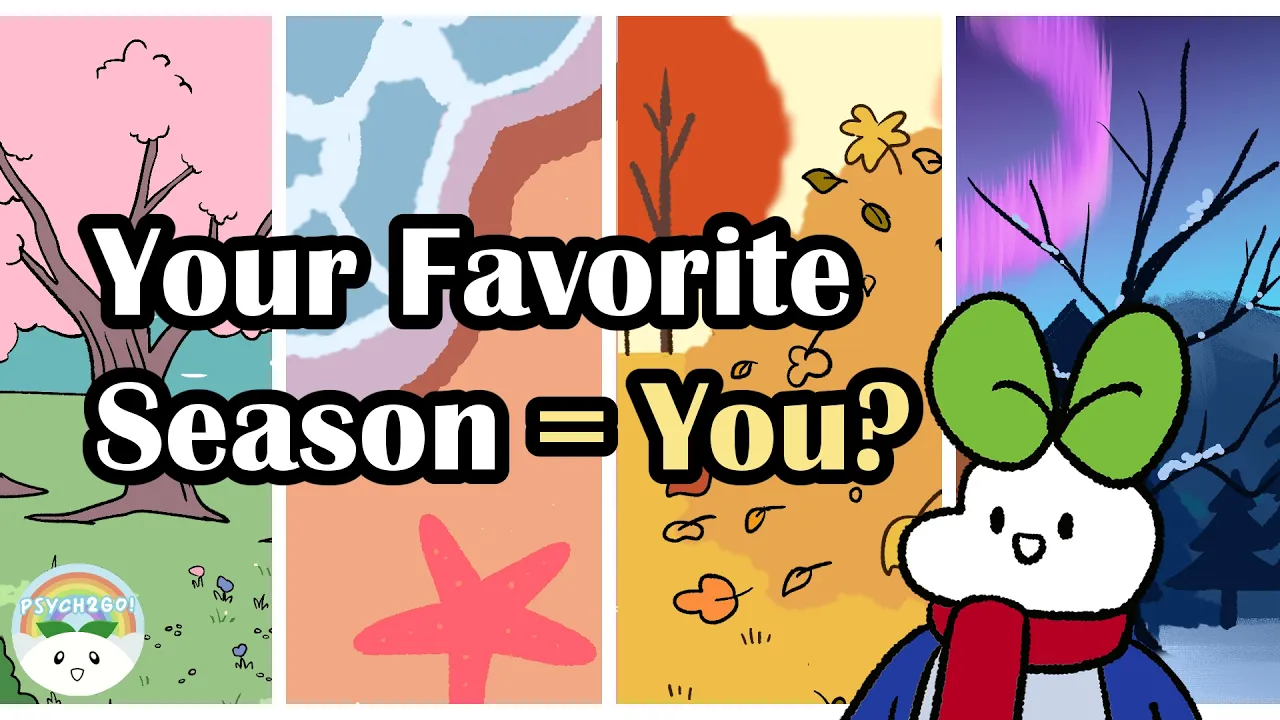
Sometimes it's not the weather we're drawn to, but how our bodies feel when the world behaves a certain way. This isn't just a preference. Psychology suggests our [music] favorite seasons often reflect how our nervous system regulates energy, emotion, and safety.
Research on circadian rhythms and seasonal mood patterns shows that light exposure, temperature, and environmental cues quietly shape [music] motivation, focus, and emotional stability, often without us noticing. So, the season you're drawn to may not describe who [music] you are. It may describe the conditions where your mind works best.
That's also why many people thrive [music] in certain seasons and struggle in others. So, let's explore what psychology suggests about your favorite season, spring. A brain that thrives on momentum and renewal.
Spring represents growth, movement, and fresh starts. [music] If spring is your favorite season, you're likely energized by change more than [music] routine. Psychologically, people drawn to spring respond strongly to novelty and possibility.
Your motivation rises when you feel something unfolding. Here's the insight. [music] Spring lovers don't just enjoy new beginnings.
They need them. You may feel energized when starting a project, learning [music] something new, or planning the future, but strangely drained once things settle. It's not that you lose interest, you don't lose energy, you lose momentum.
When life feels repetitive, motivation drops fast. [music] Not because you're lazy, but because your nervous system is wired for growth. Summer, a nervous system [music] optimized for stimulation and expression.
Summer is linked to activity, [music] connection, and outward energy. If summer is your favorite season, you likely feel most alive when your days are full. Psychologically, summer lovers regulate through stimulation, [music] sunlight, movement, conversation, and shared experiences.
Here's the aha moment. You don't just enjoy being busy, you feel [music] better when you are. This is why you might feel great during packed weeks, but oddly restless [music] on weekends with nothing planned.
Rest can feel like boredom. Stillness can feel uncomfortable. If you've [music] ever judged yourself for this, it may not be a flaw.
It may be a mismatch. Learning to slow down without guilt is often the emotional growth edge for summer lovers. Autumn.
A mind that [music] stabilizes through meaning and structure. Fall represents transition, reflection, and emotional [music] grounding. If autumn is your favorite season, you likely function best when life has rhythm.
Psychologically, fall lovers process [music] experiences deeply. You don't just move on. You integrate.
Here's the insight most people miss. [music] You're not stuck in the past. You're meaning making.
Your brain uses reflection to create emotional safety. And [music] that's why routines, schedules, and family patterns feel grounding to you. You may thrive during planning phases, [music] deep work, or quiet productivity.
Sudden changes, even positive ones, can [music] feel unsettling without time to process. Growth for you often isn't about pushing [music] forward. It's about knowing when to release.
Winter, a nervous system seeking protection and depth. Winter is associated with rest, [music] introspection, and inner focus. If winter is your favorite season, you likely feel most capable when external demands are low.
Psychologically, winter lovers often have rich inner lives. You think deeply. [music] You feel deeply.
Here's the key realization. Solitude isn't avoidance for you. It's regulation.
You may do your best thinking late at night, during quiet mornings, or when the world finally [music] slows down. If you've ever felt guilty for needing this, remember, [music] you don't lose energy, you protect it. The challenge isn't becoming more social.
It's staying [music] connected without overwhelming your system. You may be drawn to a season not because it reflects who you are, but because [music] it gives your nervous system what it needs. We don't miss seasons.
We miss how our nervous systems felt in them. Your favorite season doesn't define you, but it can quietly point toward the conditions [music] where you function best and feel most like yourself. So, what's your favorite season [music] and why?
Let us know in the comments below. Thanks for watching, Psychicgoers.