Welcome students. In this session we will learn how to prepare another very important financial statement that is the balance sheet. We have learnt so far, how to prepare the profit and loss account which has two parts trading account and profit and loss account and now, we will learn how to prepare the another important financial statement and that statement is called as balance sheet.
. So, the format of the balance sheet is also like, the format of profit and loss account again T format of the balance sheet, but there are some basic structural differences, in preparing the balance sheet as compared to the profit and loss account and we will talk about that and we will discuss about that and we will learn how to prepare a very important financial statement that is the balance sheet. So, we will write first structural difference is the title.
So, we will write here balance sheet of Kautilya and company as on as on 31st December, 2011, what was the title there, trading and profit and loss account of a particular company means the name of the Kautilya and company for the year ending on 31st December, 2011 and now, we have put it here balance sheet of Kautilya and company as on 31st December, 2011. It means that statement profit and loss account or income statement is depicting the results of the business for a period of one full year. Whereas, the balance sheet, we are writing here as on it means it depicts the financial position of the business only for one day.
So, that statement depicts the financial results of the business for one full year and this statement depicts the financial position of the business only on one day that is the last day of the year, last day of the accounting period. Once in a year we check by we prepare the balance sheet we check that the asset and liability position of the business is equal it is balanced or not, if it is balanced then fine if it is not balanced then we will have to take the corrective measures. Now, then we, after this title again this lower part is also different and there we were writing particulars and amount and debit and credit and here we will be writing liabilities and capital and here it is amount, but no debit and no credit and this side we write it as assets, but without any debit or credit.
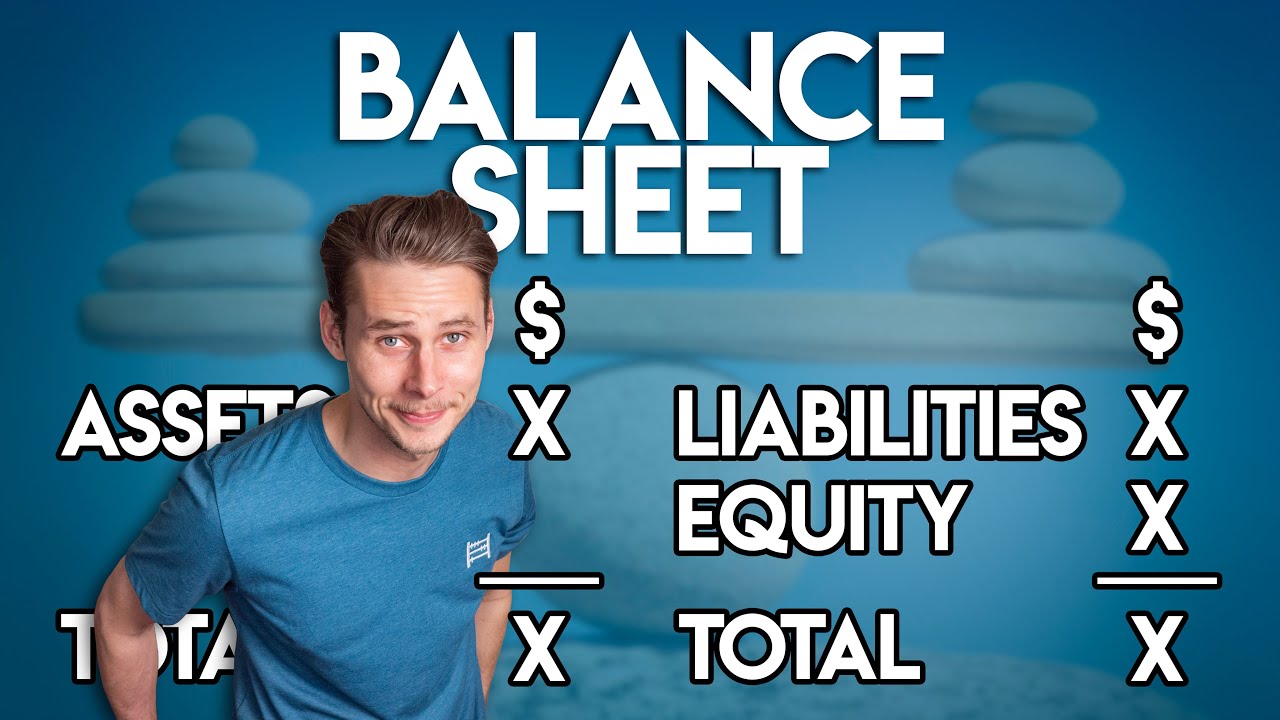
So, liabilities and capital and the assets; this side will explain that how much resources the firm has generated from different sources; how much funds the firm has generated from the different sources this side will tell us about that and how these resources have been used by the firm or are being used by the firm this side will tell us. So, how much funds we have invested and how much properties we have created out of those funds is to be found out from the asset side. So, both the sides should be equal now for example, we have borrowed any money from the bank and bank would like to make sure that where that money has gone to.
For example, we have taken say 10,000 rupees from the bank to buy a computer. So, that computer bank would like ensure that yes, that bank, that computer is there with you from this side we will show in our own balance sheet, the bank loan and this side we will show the computer and if both the sides are equal it means I can easily justify that these 10,000 I have borrowed from any source, I have purchased the computer. So, my computer and loans are equally comparable to each other.
So, I have not misappropriated those funds and those funds which I have borrowed on the name of the business, they are in the business, they are shown on this side and they are being say verified by this side, because equal amount of their sources. We have invested to have this side of the equal amount of the assets. So, then we have this note that another structural difference is we do not use any to or by for preparing these statements, no to on this side, no by on this side.
First, we will take the capital and then the liabilities and then we will take all the assets and then we will see both the sides are equal, that is why since both the sides and no balance has to be found out like no profit no loss, nothing. We have to see that both of the side are equal it means both the sides are balanced, both the sides are equal, that is why the statement is called the balanced sheet which depicts the financial position of the business only one day on which the balance sheet is prepared. Not before that not after that.
One day before the balance sheet the position will be different, one day after the balance sheet the position will be different, but on the date of the balance sheet on which the balance sheet is being prepared you should have a balanced position. So, now, you will have to find out from this information these balances, we have to put liabilities and capital this side and we have to put the all assets this side. So, normally when we prepare this statement in the order of permanence order of permanence means that we put the long term assets here.
Similarly, we put the long term liabilities here and then we go on coming to the lower side which has the short term assets current assets we call them and this side we have the current liabilities So, for example, when we talk about the assets or the properties of the business or the liability we will start from this side. So, first and the longest source available with the business is the share capital. So, we take here as a share capital is the first thing which we start with.
This is the longest source resource available with the firm. So, we will have, because their share capital, if it is a company form of organization share capital invested by the shareholders in the company will be returned back to them only at the time of the closure of that company. Company can buy it back earlier also, but they can return it earlier also, but normally if it is not to be done by the firm then it has to be paid in the end, if the firm is to be closed.
So, it is the longest it is the liability, a kind of a liability, a kind of a resource, with the longest duration. Then we take the say; long term loans here we take in this statement. We take the long term loans, then we can take the other source say long term sources like debentures and then we take the short term liabilities, short term liabilities we can take it as the short term loans which are short term, the difference between long term and the short term is any resource raised by the firm, which is going to be used by this firm for the period of more than one year, having a life of more than one year is a long term source and any resource being used by this firm for fulfilling its funding requirement and having a maximum duration of one year is a short term source.
So, debentures are issued normally for more than one year’s period of time, long term loans are also taken for normally more than one year’s period of time, share capital is taken for the lifetime of the company. So, we are taking the long term liabilities first, then we are talking about the short term liabilities and short term liabilities other name of the short term liabilities is the current liabilities and the short term liabilities, first liability is the short term loans, then you can have say here sundry creditors. Sundry creditors are the basically suppliers, who supply the raw material to the business on the credit basis.
They are not being paid by the firm at the point of buying the raw material. They will be paid at the later date. So, they are called as the supplier sundry creditors.
Creditor’s means who have to take the funds to whom the firm have to pay at the later date. So, this is also the current liability who are providing you to the resources means the raw material without capital, without funds. So, it means it is a short term source.
Similarly, bills payable, bills payable is again liability. So, it means bills payable are kind of a creditors means both are kind of, this may be the creditor for buying the raw material, this may be creditor for any other thing, maybe we have taken some funds from one firm or something like that. So, bills payable and creditors are two again short term liabilities, which are for only a few months we take and then they have to be shown as they are means bills payable are also like the sundry creditors.
And then we can have some other kind of the current liabilities may be any kind of the outstanding expenses. Outstanding expenses means any expense which has become due to be paid by the firm, but has not yet been paid, it means this is also a liability. They are also providing for example, we talk about the salaries of employees’, salaries of employees have become due to be paid, but for the past two months the firm has not paid the salaries now those salaries where the firm has enjoyed the service of employees, but the salaries have not been paid.
So, we will put those outstanding salaries in the liabilities column. So, this way you can have the long term liabilities, short term liabilities, or the current liabilities and we prepare the balance sheet in the order of permanency. Similarly, now how these resources are being used long term resources are generally used for the long term assets and short term resources are generally used for the short term assets, but sometimes the long term funds can be used for the short term requirements also and the short term funds can be used for the long term requirements also, if possible.
So, here we take the assets and the first asset we take here is the land, if any land is purchased from these resources by the firm then that we have to show here is a land, another is we can take it as the buildings. Buildings is the another important long term asset, buildings, then we have plant and machinery, plant and machinery is another fixed asset, then any other fixed asset, furniture is another fixed asset, there can be patents, can be another long term assets. So, all these are the land, buildings, plant and machinery, furniture and some fixtures also sometimes we call it as fixtures revisions of the firm different making a big hall into converting a big hall into small rooms, they are called as fixtures, patents all these are the long term assets.
Where these funds are invested and the assets are created then we come down to like the short term or current liabilities, they have current assets also and the first current asset is the inventory is the raw material or inventory of all kinds, inventory. We have three kinds of inventories; normally inventory of raw material, inventory of work in process, and inventory of finished goods. So, all those inventories can be put together here or they can be shown separately inventory for raw material, inventory for work in process, and inventory of finished goods then we have sundry debtors.
Here, this side we have sundry creditors and this side we have sundry debtors. So, as I told you that who are the sundry creditors? Who get the supplies of raw material to this firm on the credit basis, to whom this firm has to pay on the later date.
Similarly, if the firm is receiving the credit purchases, they are also bound to give the credit sales. It means people will buy from them this firm today, but they will pay the firm at the later date; it means the firm is giving the credit to these people for some period of time. So, they are the sundry debtors.
Similarly, another item here is the bills payable. So, here it is the bills receivable and this is the bills, this side is the bills receivable, sometimes is a bills receivable. So, they are also kind of the debtors, bills receivable are also kind of the debtors.
So, sundry debtors where we have sold them, they have, so, we have given them the invoice they have accepted the invoice that is, we have purchased those goods from you and we will pay you on the later date. So, all those people who have to pay at the later date they are called as sundry debtors and here we have the bills receivables bills receivables is a kind of a document which is a legal document means when any person or any you can call it as any buyer from the firm and he buys on the credit and firm wants the proof that we have sold to this firm or this person on credit and he will be paying us this much of the amount as a, the price of those sales after two months period of time or after three months period of time. So, the firm who is the seller, this firm who is the seller to somebody; this firm will write a document will prepare a document on the legal judicial paper and they will write on that that we had sold goods worth rupees 50,000 to this person or this company and this company will pay us a sum of rupees 50,000 after period of two months and then that document will be sealed and signed by the company, who is preparing it the selling company and will be given to the legal representative authorized representative of the buying company or the buying person and he will put his signature and stamp and will return the document back to the selling company.
It means it is a proof that this person who has purchased the goods he has put his seal and signatures he has got this bill accepted and these goods they have purchased and they have to pay at the later date. So, this bill is the proof of those credit purchases. So, bill receivable is written by the company who is selling the goods to somebody they have to show it at the time of the goods they have to give it to the buying company.
Buying company’s representative has to sign it and return it back to the selling company. Selling company will retain this bill till the date of payment and on the date of payment, this bill will be presented by the selling company to the buying company and this buying company will make the payment to the selling company and then this document will be destroyed. So, this is bills receivable.
So, this is bills receivable for the company who has to receive the payment, because of the credit sales and this is the bills payable for the company, who has to make the payment against the purchases they have made it today and they will make the payment after two months or three months. So, this is the bills payable and bills which are the proof of the credit sales made. Similarly, the debtor is also the buyers on credit so, almost one and the same thing.
So, it means we have taken this inventory sundry debtors, bills receivables and then we will take other current assets like say; we have taken the outstanding expenses, see the outstanding expense means any expense which has become due to be paid, but has not yet been paid by the firm is becomes an outstanding expense is a liability. Similarly, here this side it can be that is an advanced payment. For example, some material is of a very critical nature and that material is not normally available.
So, to ensure the supply of that material to this firm by the supplier, this firm makes advance payment to the supplier. So, that he is sure that I have got the payment now, I have to, I am bound to supply the material. So, sometimes advance payments are made by the firm.
So, any payment which has been made by the firm today, and the benefit of that will be enjoyed by the firm at some future date is called as an asset. Similarly, you have the loans and advances, loans and advances as I told you that we have taken the short term loan, when this firm borrows as a short term loan from bank or any financial institution or any somebody else, then this is called as a liability, but sometimes if they have surplus funds, they can also, these funds to give the loan to somebody and when the loan is given. It becomes the asset when the loan is taken, it becomes the liability.
Similarly, you can call it as the marketable securities. Marketable securities are very short term investments sometime we can make we have surplus cash here; we do not want to keep it as a cash. So, we can keep that cash as a surplus and means we can keep that surplus cash, we can invest in the market and that short term investments are called marketable securities.
Why they are called as marketable, because at any point of time they can sell these securities in the market and we can get our funds back, may be its a call investments just on simple call or it is an overnight investments, weekly investments, fortnightly investments, very short term investments, almost they are also liquid kind of investments. So, they can be had. And once all these other than these current assets, we have two more current assets; cash in hand and cash at bank.
So, these are the total, this is the, some of the major items in the balance sheet are we have taken all the resources this side we have taken all the assets this side and then we will see that for a company who has raised the resources showing on this side and they have whether they have the properties assets equal to this side or not if this side is equal to this side then the balance sheet is balanced financial position is acceptable, financial position is balanced and there is no problem in the firm, but if this side is bigger than this side it means the firm is in difficult state, because liabilities are more than the assets and if this side is bigger than this side then the firm is in a very good state. But normally we do not show that kind of the balance sheet in general public. We say that our assets and properties are more than the balance sheet, but somehow we have the different methods that we keep it balanced and that internal stakeholders, they know that what is the internal position of the balance sheet of the firm, but largely that is for the public that is kept as balanced, how to keep it balanced that different methods are there we will discuss sometimes later on.
So, it means the assets and the liabilities; assets on this side, liabilities on this side and at the end of the day this document should be balanced document both the sides should be equal. . Now, we will prepare the balance sheet for this company, Kautilya and company and we will try to see that what is the total information here and we have to take that information to the balance sheet.
Purchases we have already done, wages we have already done, insurance we have done, sundry debtors, sundry debtor is 15,000 and 2,250 this is bills receivable, BR. I told you bills receivable is the proof of the credit sales 2,250 is the bills receivable, sundry debtors, bills receivable, then we have carriage inwards, this expense we have taken, commission we have taken, interest on capital is expense we have taken, stationery we have taken, return inwards we have taken, commission we have taken, return outwards we have taken, trade expenses we have taken, office expense we have taken, cash in hand, cash at bank, rent we have taken, cash everything we have taken. Now, we have one more item bills payable is, here we have to take the, write this 1,500 bills payable we have, then we have creditors yes, we have also the sundry creditors 9,825, why we call them sundry creditors means we have small suppliers.
So, different suppliers that the total of all the suppliers those are put together, they are called as sundry creditors. Similarly, we have sold to many people. So, we do not show their individual accounts, we have their individual accounts in the ledger, but in the balance sheet we club them together and we bring them under the one heading, one title, that is called as sundry debtors.
So, small numbers of the buyers, many numbers of the buyer’s. Small buyers, when they are put together in one figure under one heading they become the sundry debtors. So, similarly we have creditors and then we have the capital 8,950 and one more item we have to take into the balance sheet is, that whatever the profit is earned is shown, is earned by the firm that profit becomes the part of the balance sheet and their profit has to be entered here.
So, we will add here in the capital, share capital you will add net profit and that net profit is say for example, what was the net profit in our case it was our net profit was 12,600 rupees. So, you have to put this in the inner column 8,950 in the inner column and then it is 12,600 rupees 21,550 is the total capital amount. Why we add this net profit in the capital, because whatever the profit we earn, that profit is shared into different parts one part of the profit is distributed as the dividend to the shareholders, another part of the profit is transferred to the general reserve, some reserve created for the contingency any unforeseen expense and if something is left undistributed for any specific head then that amount is added in the capital.
So, whatever the profit we keep on earning and we reinvest that in the business say kind of reinvestment in the business. So, initially we started the business 8,950 after one year we earned a profit of 12,600 rupees. So, our total investment of the business has become 21,550.
So, if there is a profit we will add here if there is a loss we will subtract here. So, profit will keep on increasing the capital, loss will keep on decreasing the capital and if the capital go on eroding say; decreasing one day the firm will close, but if the profit if there is a loss and we are subtracting from the capital, then one day slowly and steadily that capital will become zero and the firm will be closed whatever is the profit; we are adding that profit here and that profit is appreciating the capital increasing the capital and business is growing day by day and its improving day by day. So, we have taken here the item which were available out of the total items, I had written here, I have taken the items almost, some of the items here.
So, we had share capital, we had the profit, we had sundry creditors, here 9,825 and we had the bills payable for 1,500 rupees and this side if you talk about we did not have any land, buildings, plant and machinery, furniture and fixture. I think, I guess, we have the furniture; office fixtures are there for the 500 rupees. So, we have taken the office fixtures, we have the bills receivables 2,250, then we have the other items, simply we have the sundry debtors and then we have the cash in hand yes, these two items are there with us cash in hand and cash in bank.
So, if we take the cash in hand is 250 and it is 2,375 is the cash at bank and one more item which I have left out is, this item that is a closing stock. Closing stock is also an asset. So, closing stock has two treatments one you have to take in the trading account where we have already taken this and second treatment of this will be in the balance sheet.
Why we are going to make the double treatment of this particular head this particular item? I will discuss with you in my next lecture, but any item which is outside this trial balance if it is given here if it is outside the trial balance it has to be given the double treatment. So, one treatment we have done in the trading account, second treatment we have to do it in the balance sheet, and then the double entry system for this item will be complete.
Why we are giving a double treatment? I will discuss with you in the next class. So, it is cash at bank and finally, we will be taking the closing stock.
So, this is the closing stock and if you take the closing stock the figure is 12,500. So, I think all the items we have taken here and there is no other item, there is no other balance for this, say for example, your outstanding expenses, no outstanding expenses are there. So, we will have to omit that, we do not have any short term loans, we have to remove this.
Similarly, we do not have any debentures. So, we have to remove this we have to remove the long term loans, we do not have and similarly, we do not have any long term assets here other than furniture we have only 500 rupees worth. So, it is the furniture and fixtures.
. Furniture and fixtures, so, it is 500 rupees we do not have any inventory also. So, we have not to take that inventory, we have not taken the inventory.
So, no inventory is here we have sundry debtors we have bills receivables no other assets other than cash and closing stock. So, we have taken. So, it means we have these only current assets and these only current liabilities.
So, if you total both the sides now your balance sheet will be depicting a good balanced view, that is the total of your current assets and current liabilities will be. So, it is 21,5509,825 and that is 1,500. So, total of this side becomes 32,875 it means we have raised the resource is worth rupees 32,875 and we are justifying that this total 32,875 has gone, where we have purchased furniture for 500 rupees, we have made the credit sales and invested 15,000 rupees there.
Similarly, we have sold another amount of 2,250 rupees worth we have cash with us 250 rupees, cash at bank is 2,375 and what are the purchases we have made and the sales we have to make tomorrow in the market means out of the total finished goods worth rupees 12,500 rupees they are with us. So, these are the properties, these are the total resources. If you total up this side, this will also become as the equal to the 32,875.
So, it is office fixture 500, then it is the sundry debtors, then it is 2,250, closing stock we have taken and then cash in hand, cash at bank. So, it is 32,875 is this? So, it means if you look at this document, this is presenting a balanced view.
Your total of this side is equal to the total of this side and both are equal both are balanced and it means the financial position of this business is balanced, financial state of this firm is balanced and whatever the resources they have raised, they have proper justification for that, and that is why this document is called as the balance sheet. Now, as I told you that this item we have given the double treatment, why we have given the double treat? Once you taken the trading account and second, we have taken it in the balance sheet, why we have given the double treatment to this item, particularly only this item and not all these items this we have given the double treatment why, that I will discuss with you in the next lecture.
Thank you very much.