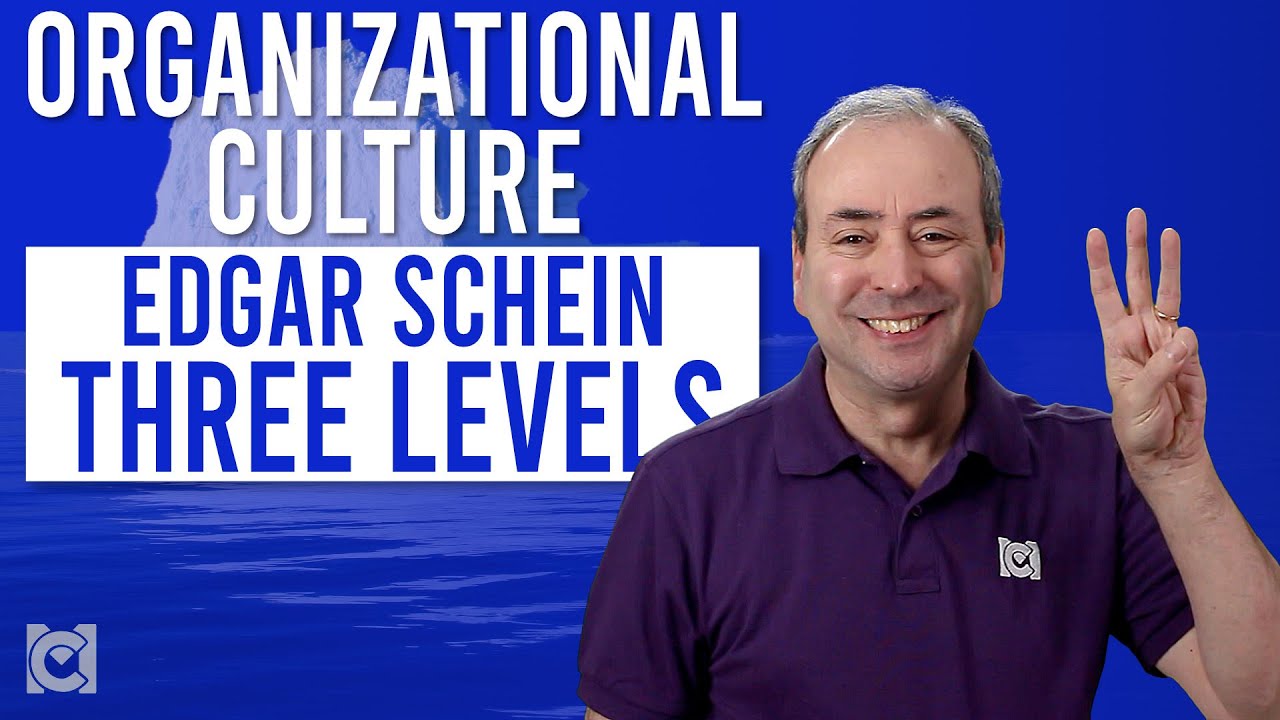
[Music] hello I'm Tim coupler with culture university.com I'm very pleased today to be interviewing Edgar shine Professor Meritus of MIT Sloan School of Management and leading thought leader in the field of culture welcome Edgar thank you very much glad to be here okay okay well you've been exploring the subject of culture for over 50 years why culture what's attracted you to this subject well I think it all started with uh Consulting okay once you get out into a company and discover that uh companies differ uh my early experience was on the one hand in the
US with digital Equipment Corporation uh one of the early leaders in that business and very engineering oriented and about the same time I was working with cagi in Switzerland okay and a chemical company and they're both highly successful and about as different as night and day so you have to explain the difference okay well um for our listeners what is culture well to follow up on explaining the difference uh I think you really have to go back to what these companies do and how they were founded uh digital was a company founded by an electrical
engineer uh who had a particular value system of how you manage people and how you do things for example he insisted on salesman being salaried which at that time was unheard of and so he imposes his values on a company and makes people behave in a certain way because he's the boss and it Works beautifully so in a few years people say well this must be the right way to do it because it's working not because he said so but because it's working so as people begin to take for granted what's working that set of
things they've learned how to do how to do external business how to organize themselves that concept becomes their culture but after 5 10 20 years they forget that it was all K olsson's original idea that it's now the deck culture it's the only way we can imagine doing things so now business conditions change and we really need to do things differently we don't want to because we want to do it the way we were successful so culture in that sense is like personality or character for an individual once you've learned to be a certain kind
of person that is you in all aspects of your functioning and you don't want to be any differently which is why culture is hard to change so is culture important for any organization doesn't matter the the size the industry for-profit nonprofit does it matter to any organization or should it well if if culture is like personality or character then it matters in the sense to which to what extent is the culture adaptive to both the external and internal realities if it's not adaptive it matters a lot right if it's adaptive it doesn't matter much people
don't notice it they just go along their very way so culture really only matters when there's a problem in the same sense that personality only matters when things aren't working right for you otherwise it's just there it's part of you okay like personality like personality exactly so how do you define culture I then Define culture as the sum total of everything an organization has learned in its history in dealing with the external problems which should be goals strategy means how we do things and how it organizes itself internally which is how we're going to relate
to each other what kind of a hierarchy uh digitals idea of empowering people uh IBM's idea of let's be a real sales marketing organization these early learnings if they're successful become the definition but it's always something that's been learned it's not something that just either can be imposed or that's just there I I know a lot of people use the definition of culture just being how we do things around here and I know you uh really encourage people to guard against oversimplifying the subject of SC of culture why is that well because culture operates at
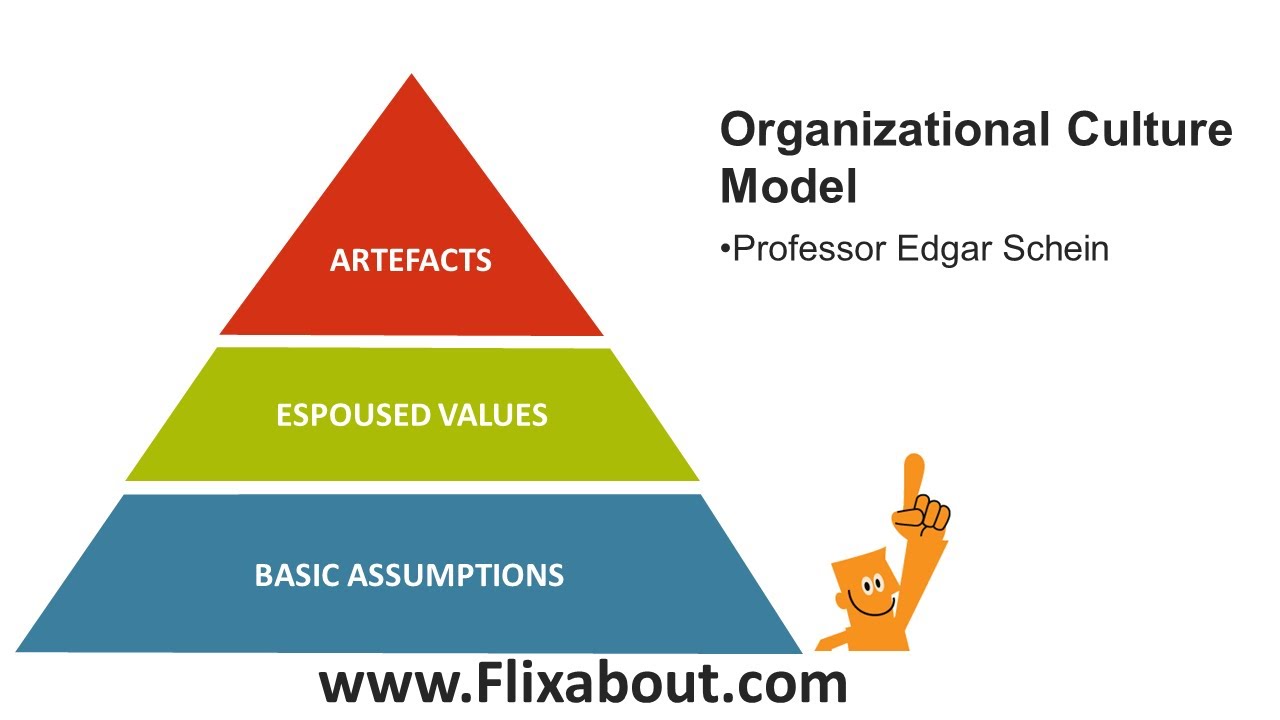
many levels and certainly how we do things around here is the surface level I I like to think of of culture to be like the Lily Pond on the surface you've got leaves and flowers and things they're very visible a visitor would see them that's the how we do things around here but the explanation of why we do things in that way forces you to look at the root system uh what's feeding it and the history of the pond uh who planted what uh if you don't dig down into to the reasons for why we
do things this way you've only looked at the culture at a very superficial level and you haven't really understood it do you see that being commonly done where where people are really looking at the surface aspect of culture and not really going deeper well I think it's where people always start okay because it's the easiest but the the reason for going Beyond it is is if you're if you think you've got a a culture issue or a problem because something isn't working right in the organization and that something not working right can start out being
just a surface phenomenon let's say your your sales are off and you you think it's because your salespeople aren't collaborating with each other enough uh and they say well that's how we always do things we have an individual in incentive system and so that's our culture we compete and so now you realize that that's the problem so now you have to say well how did we get to this state of being individually competitive now you're beginning to dig down underneath the behavior and look at what's going on in the culture and you may discover that
well that's how your founder always defined things that he always wanted maximum individual competition and he built that into the career system into the incentive system into the bonus system so now it's easy to say well let's let's change that but you're now going to change a whole bunch of structural things that have supported this behavior and therefore it's not going to be so easy to change what what if you have a leader that is really interested in understanding their culture at a deeper level as a foundation to manage change and Improvement more effectively um
where do they start what's the approach you advocate well I would back up and say if a leader just starts with wanting to change the culture he already doesn't understand the problem I think you never start with changing it's like saying would you decide one day to change your personality the first question would be why why would you want to do that and that's the question I would ask any leader who comes to me and says I think we need a culture change I would say one what do you mean by culture and two why
do you think you need to change at all and if he says what do you mean I would say what's your business problem what isn't working why are you change oriented in the first place and when that's clearly defined as a business problem then we can ask the question well given the culture is that going to help you solve the problem or hinder you and it always ends up being both there are always parts of the culture that help solve the problem and other parts of the culture that get in the way and so then
you're finally at the point of saying well maybe I need a culture change program but you got there by thinking about what business problem are you trying to solve okay that that makes sense I know a lot of people start early in the process with a culture survey and I know you have some strong feelings about using surveys to uh um Define your culture or evaluate it uh can you share your thoughts on that well if we go back to the definition that in a mature company your culture is all about how you manage your
external Affairs your strategy your goals how you do things and at the same time culture is all about the internal relations the reward system the The Authority system can you imagine what a survey would have to look like to get it all let you're probably then dealing with a thousand questions so what the surveyors do is they second guess what might possibly be important in a culture but they have to second guess it in order to develop the items but those are the surveyor ideas they're not necessarily what in that company would be the important
cultural issue relative to a problem so problem one with a survey is you may be asking the wrong questions MH problem two is the surveys is individualized ized and culture is a group phenomenon so asking an individual about the culture is not nearly as effective as getting a focus group together a representative group from the company and asking them what's going on here and a number of questions that we can go into later so that's number two number three is the survey can't tell you what the cultural issues are that may impact the business problem
you end up with a profile but the profile is a static thing whereas the culture acting on the business problem is a dynamic thing and I found that if you get a group together and say you're trying to make your Salesforce more collaborative let's talk about how this company works that impacts that uh what are some of the important things that are going on and people will say well it's our bonus system you know it's it's completely oriented toward individual performance and if we're going to collaborate we're all going to lose money there is not
much chance that a survey would Sur surface that immediately as the maybe primary cultural problem and 15 other variables that the Sur produces may have absolutely nothing to do with this particular issue that the company is trying to solve so the survey is superficial and is likely not to be helpful so it obviously a lot of organizations do culture surveys engagement surveys climate surveys you know where is their value in those well you've used three words you've used culture engagement and climate and and those to me are three very different things the culture survey I
think is useless the engagement survey is obviously useful because you've decided engagement is important and so you can measure that you can get items that that measure engagement climate is a little broader uh it's certainly an an artifact of culture but again it's much broader so I would say your best bet is do the survey on engagement forget climate and culture okay because they're too broad you you won't know what to ask okay well let's uh revert back to the approach you Advocate about focusing on a business problem right and engaging groups in you know
providing feedback on those problems in some form you know how should leaders go go about that um to effectively you know diagnose the issues and the potential Solutions well I I think identifying a business problem is is a a whole set of things in its own right you've got to have good good sensors you've got to know what's going on inside you and outside the organization and that's that's not necessarily a culture issue uh though it may become that in the sense that maybe some organizations are so inwardly focused uh which was one of the
problems with digital that they didn't notice that there were these huge changes both in technology and in the marketplace that made their Innovative approach less and less relevant um so that would be like a whole other lecture how to executive identify their problems but once once they have I think the key is to become very specific so let's let's stick with my uh competing salesman I would ask a manager who or a CEO who says that's my problem I would say Well define that very precisely if if we solve this problem what would the behavior
look like a year from now and I would force it to the point of saying well I guess I'd have my salespeople go out as Pairs and maybe even measure them as a pair now we're getting you know to where we can maybe work something so how would we get the current people in sales to trust each other enough to go out as a pair now we can develop a program but but until we have that specific behavioral Concept in mind that that we want people to not just collaborate as some vague concept but it
means they go out as teams and they get rewarded as teams then we're beginning to specify the change goal and then we could look at the culture and say how are we going to get there what's helping us do we have other examples of teamwork that we can draw on and on the other hand the Personnel system that's been totally individually pay oriented that may be a hindrance that we may have to change some things there but it's all geared to this concept of Someday My salespeople are going to go out as a team and
trust each other and once I have that goal I can begin to generate a change program okay now do you find that organizations often look internal try to come up with those answers when many other organizations might have tackled that same issue of group pay for instance and best practices that exist I mean is it is it better to try and bring that up from within or do you sometimes have to to teach new skills and approaches and techniques for any of the change to to really be understood well it goes back to what culture
is is if culture is personality or character then best practices you realize is irrelevant I would like to be like that person well good luck so best practices have been evolved in a culture in another organization and nine times out of 10 in my experience when we take that best practice into our culture it suddenly doesn't work because it was evolved in a different culture okay and it involves all sorts of Elements Behavioral and otherwise that don't fit us so I think if you have a culture mentality you have to be very careful not to
have a best practices mentality because it will lead you to false solutions that in the end won't work much better to say to take the logic of Perpetual Improvement and say we can always do better so let's start some internal Improvement processes to see how we can do better with what we're trying to do rather than imitating what somebody else is doing okay so as they start to implement some improvements and and maybe see the results and and positive feedback from those improvements you know what do they have to do to sustain the focus because
often you know a crisis will occur another problem and uh then they may revert to a a top- down approach or a non-collaborative approach or or something that's in contrast with the behavior they were looking to build so you know what's it take to sustain the focus I think if you've got those groups working initially properly that question has to be addressed to them okay you know you've thought of a new way of doing things how are we going to keep going they will then recognize what structural changes have to be made to sustain it
but that's not a job for an outside expert that's a job for inside the culture in the same way let's say you as a personality are going to change a habit and you know uh weight loss is the perfect example you know you're going to go off that very quickly when you're invited to a couple of dinners and so on and I think what all the weight programs have discovered is telling you not to do that is not the same as saying well how are you going EVO to evolve your own stability so that when
you're tempted to go off it you'll still stay with it that's an internal problem that that really is the Ence of thinking culturally that you you don't treat it as a superficial uh okay we'll make a couple behavioral changes and hope for the best but rather if we really need to change the culture we've also got to build in all the structural supports that will get keep it maintained okay that makes sense so you know if you're engaging the organization and helping to Define The Improv improvements that will make it sustainable and the new habits
and structures that will reinforce it then uh what about the larger organizations where you can't directly engage everyone in defining those aspects you there might be a core group or or teams you engage but the organization's too large to really engage everyone so they feel a part of the effort you know how how do large organizations deal with that challenge again I think it's it's not the consultant's job to figure that out I think it's the organization's job to figure that out because companies have very different ways of engaging people okay uh and most hierarchies
are designed to allow you to send the process down through the system uh a very good quick example was a a company president and his coo came to me uh to ask about changing a very rigid old culture that they had I forced them to give me an example and the example was the COO said that I have this meeting and people always sit in the same places and just yesterday uh most of them were gone but we're in this big room and they're still sitting all in these different places and I being curious said
well what did you do and he suddenly laughed and woke up and said oh my God I did nothing and he then realized that by his not doing anything he was actually reinforcing this cultural rigidity that he was complaining about so then we spent the next couple of hours just asking well you you're the bosses what can you do differently tomorrow when you go back and they thought of dozens of things that they could directly impact the organization just by changing their own behavior and then they could go to their subordinates and say what are
you doing to keep this up and ask them to ask their subordinates so the hierarchy is if there if it's used that way it's very effective one of the traps is the boss thinks if I announce it it'll happen instead of enforce it enforcing means he says to the subordinates from now on I want to do things differently and I want a weekly report on how you're going to do that okay what about the the middle leader lower level leader that says well you know I can't really impact my culture I know it's a problem
I know it's impacting my business problem but you know I just can't influence it well I think that leads to a whole other issue of subcultures okay that middle manager is living in a silo or in a department or in a group that has evolved its own culture and nine times out of 10 if something gets stuck in the middle it's because there is a disagreement or a clim between that middle subculture and the top let me give you an example in safety programs say in power companies the top will say safety is number one
and we want safety issues always to be predominant and then I'm talking as a consultant to a middle manager and he knows or she knows that they have a timeout program program which is a very important way to deal with safety and in his group there have been two or three timeouts very recently he's got an impatient with it and has told his supervisors you know how come you have so many timeouts you know it's taking us off the schedule and it's making my productivity numbers look bad and he doesn't realize that he's now abandoned
the safety goal right and is working his subculture issue which is schedule and productivity so the senior manager has to be aware of that and to make sure if he really wants that middle manager to pay attention to safety he has to be sure not to punish him for schedule and productivity failures but most senior Executives don't understand that they they say I want both I want perfect safety and perfect productivity and they forget that middle managers can't do that they have to choose and they'll usually choose according to what the system rewards them for
okay so that may that may be a challenge for a middle leader to you know complement the overall culture and and be able to work on issues across levels but at a minimum they have business problems and challenges at their level and their subculture where they can engage groups and teams as you talked about in you know providing Solutions and taking action they should become aware that they're also living in a subculture which has constraints on their behavior so if you're the consultant working with that company you've got to help them speak up to Senior
Management and say you know what you're asking us to do isn't feasible with the reward system that you've set up okay and then the company confronts what is in my CA in most cases the reality that it isn't just the corporate culture that's the issue it's the clash between the cultures of the different parts of the organization that that may determine how the problem will get solved okay the last group I'd like to get your feedback and and advice to is the individual contributor I'm not even a leader I'm I'm not a top leader I'm
not a leader of any kind of of others you know why should I care about culture I you know I I feel we have issues but I just can't influence them you know what should I do nothing do your job do your job no I I think the individual contributor is often a person with a different career anchor from the others okay is more concerned about autonomy and freedom and is therefore more likely to be concerned about this engagement and climate stuff if the climate is one of not let's take an example in the hospitals
of today the doctors are under a lot of pressure because the hospital system is gearing more toward making them employees standardizing their work and giving them less autonomy but they feel they're individual contributors and should have their autonomy so now you have a bigger cultural issue in the whole system are you gonna confront the doctor culture which supports the autonomy stuff or are you're going to support the hospital culture which support standardization and that's being worked out as we speak in lots of different programs and different hospitals trying different ways of resolving those issues so
the individual has a challenge the individual has a challenge and often will vote with his feet he'll he'll leave if the culture doesn't suit his or her needs yeah that's that's what I've told people is if you can't you know line with your boss a peer or someone else in a way where you feel you can make an impact then you maybe it's best for you to go yeah you won't you'll be demoralized you won't change the culture by yourself right okay well appreciate all of your advice and guidance in segment one of our interview
do want to highlight your books before you wrap things up the corporate culture Survival Guide covers in great depth a number of the concepts you've covered with us today then your book uh helping also a great work and your most recent is uh humble inquiry and we're going to talk about humble inquiry in segment number two so again uh thank you for your time today and uh we appreciate all of your insights you're welcome been fun to talk about it all right thank [Music] you