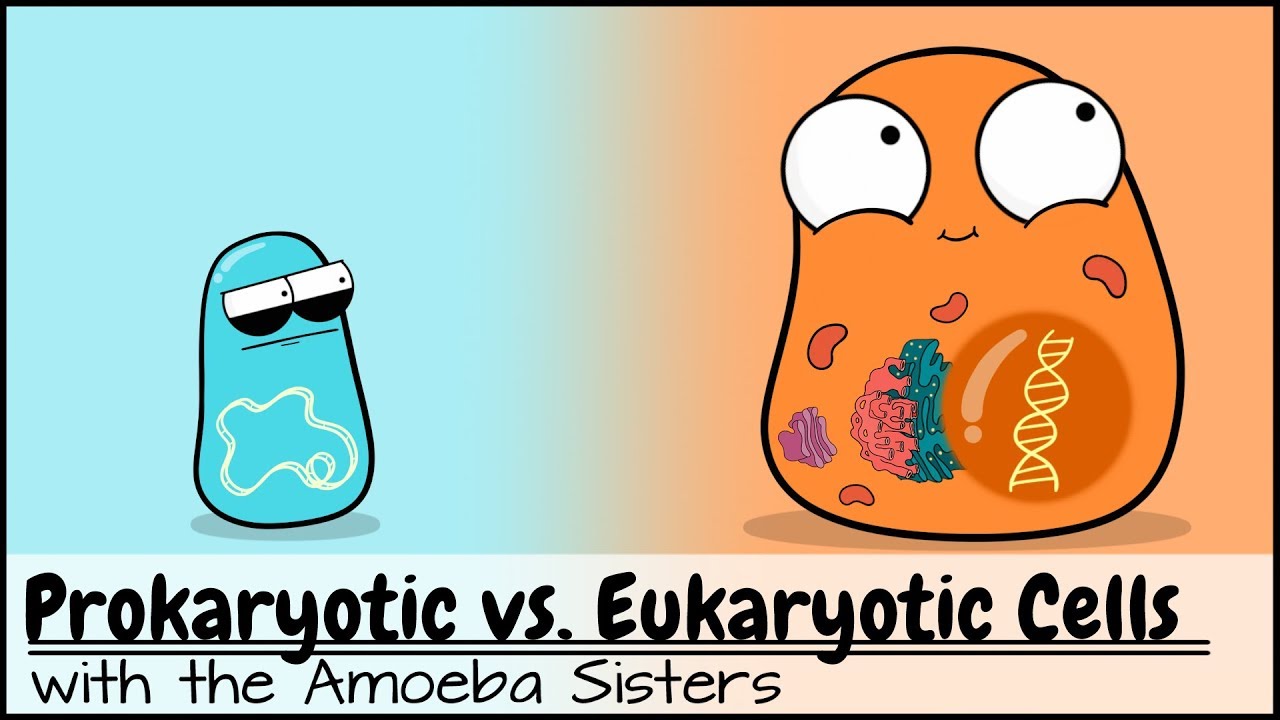
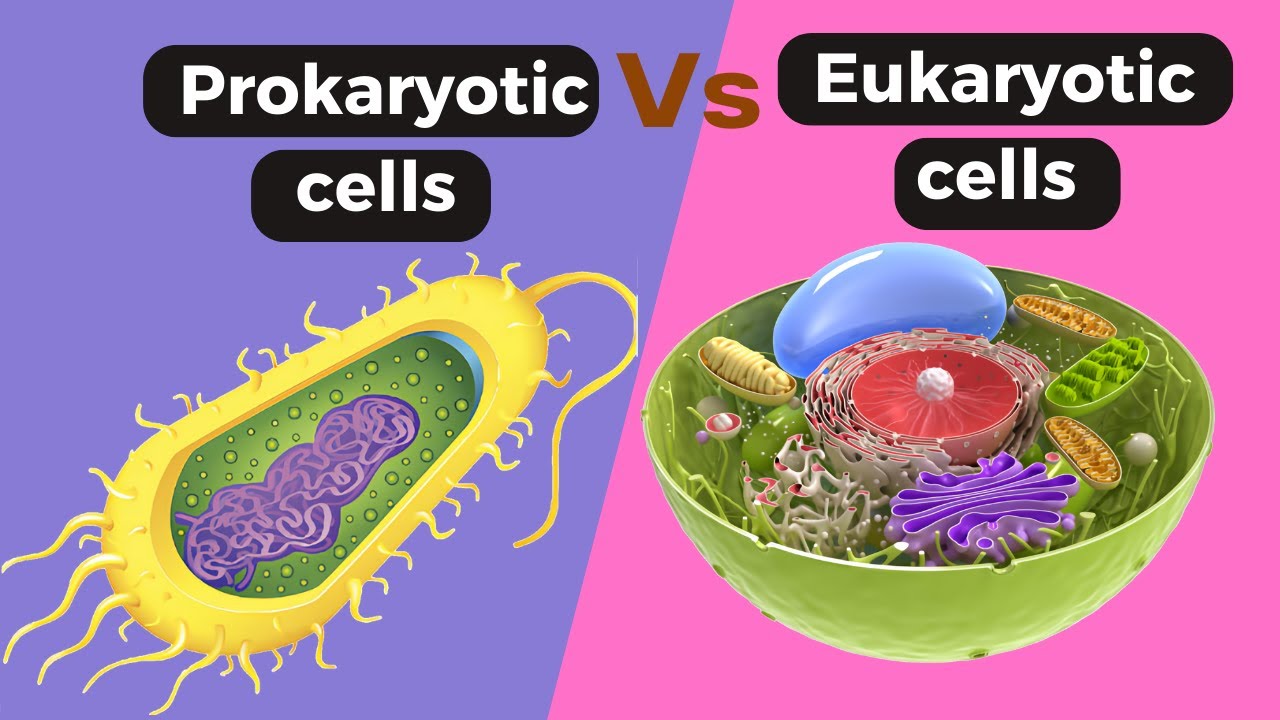
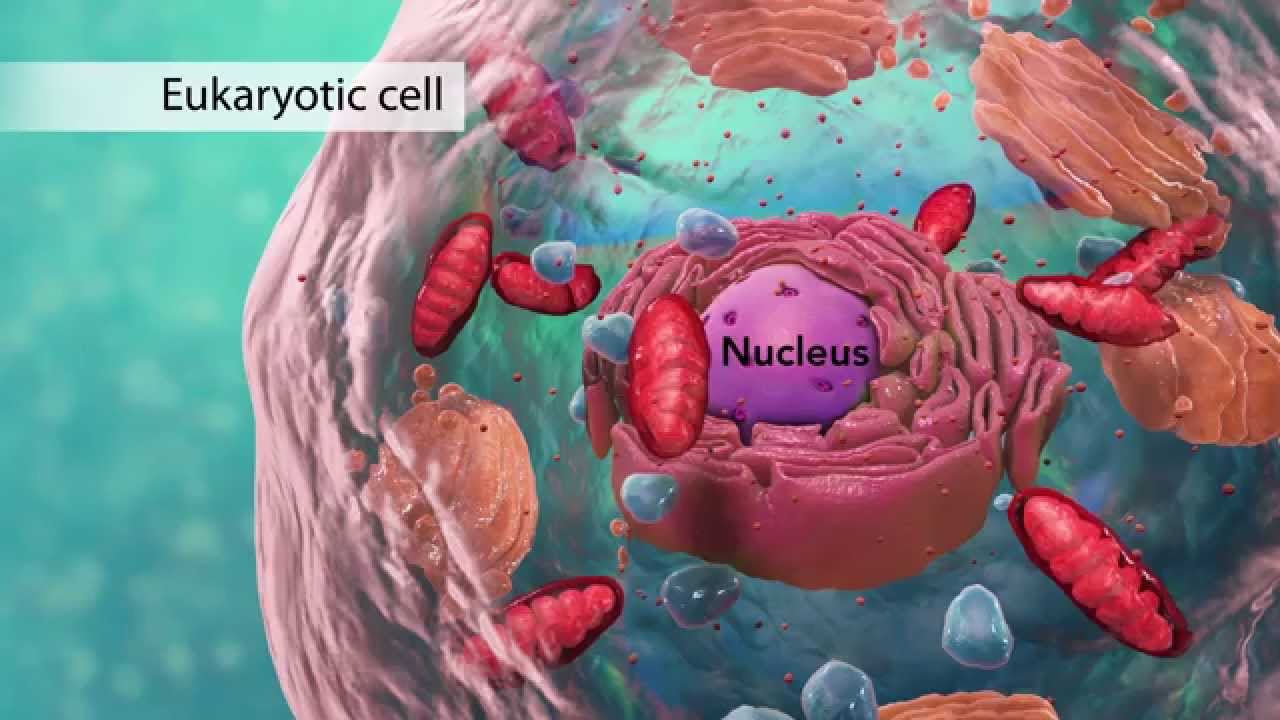
hello everyone do you know that after you have eaten your food digested it and sent it to yourself which cell organelle is responsible for deriving energy from it yes you're right that's the PowerHouse of the cell and it's mitochondria so today's video is going to be all about mitochondria mitochondria is a cell organelle that is present in all eukaryotic cells prokaryotic cells like bacteria they are devoid of double membrane bound cell organelles and therefore mitochondria is absent in them it is present in plant cells animal cells and all different types of eukaryotes that you see
around you where inside the cell is mitochondria present inside the cell plant or animal a mitochondrion can be found in the cytoplasm floating in the cytoplasm and the amount and the number of mitochondria varies from cell to cell so let's say there's a cell which is responsible for production of a large amount of ATP there the number of mitochondria will be more than the cell which is not really involved in the production of ATP another example would be cells that help in active transport now what is active transport you know that active transport is a
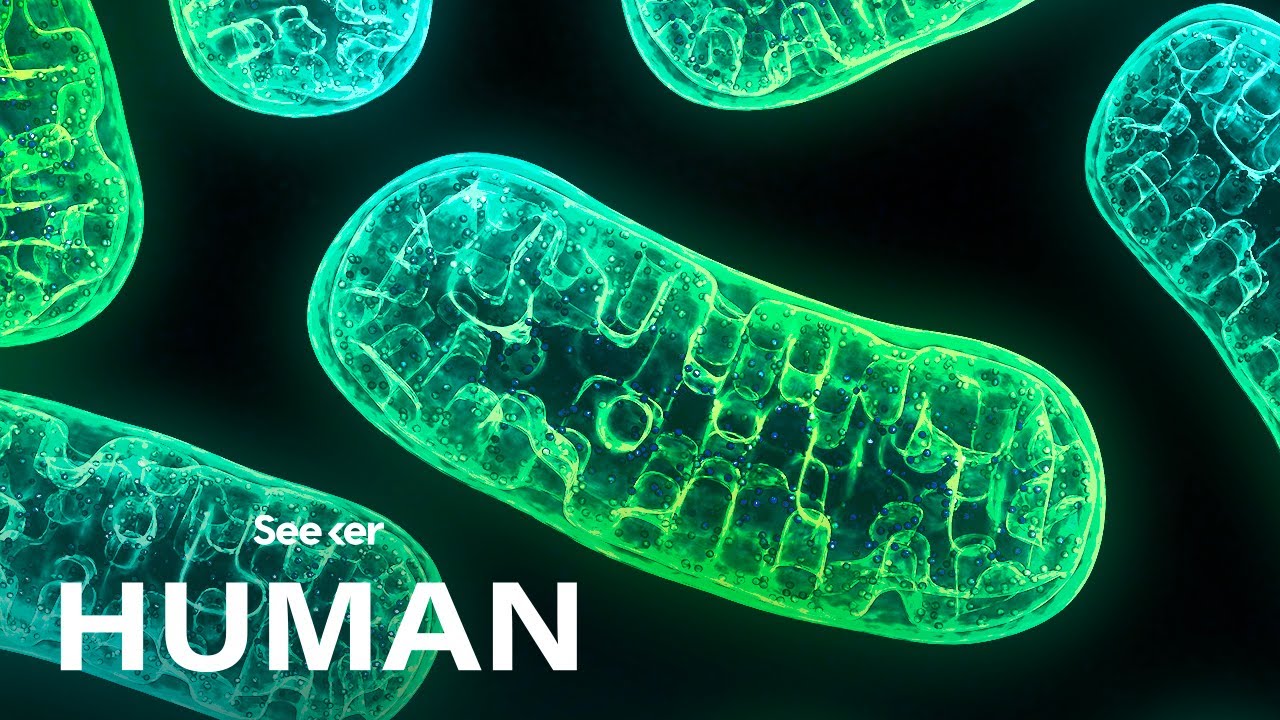
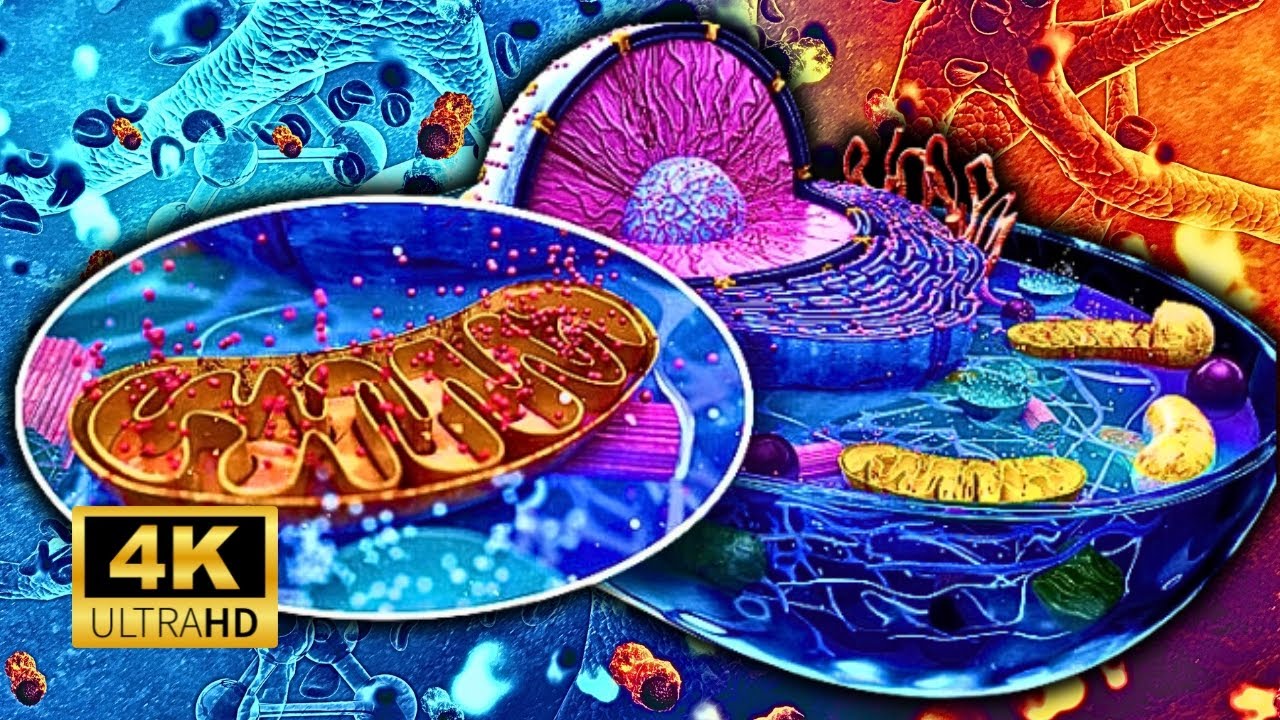
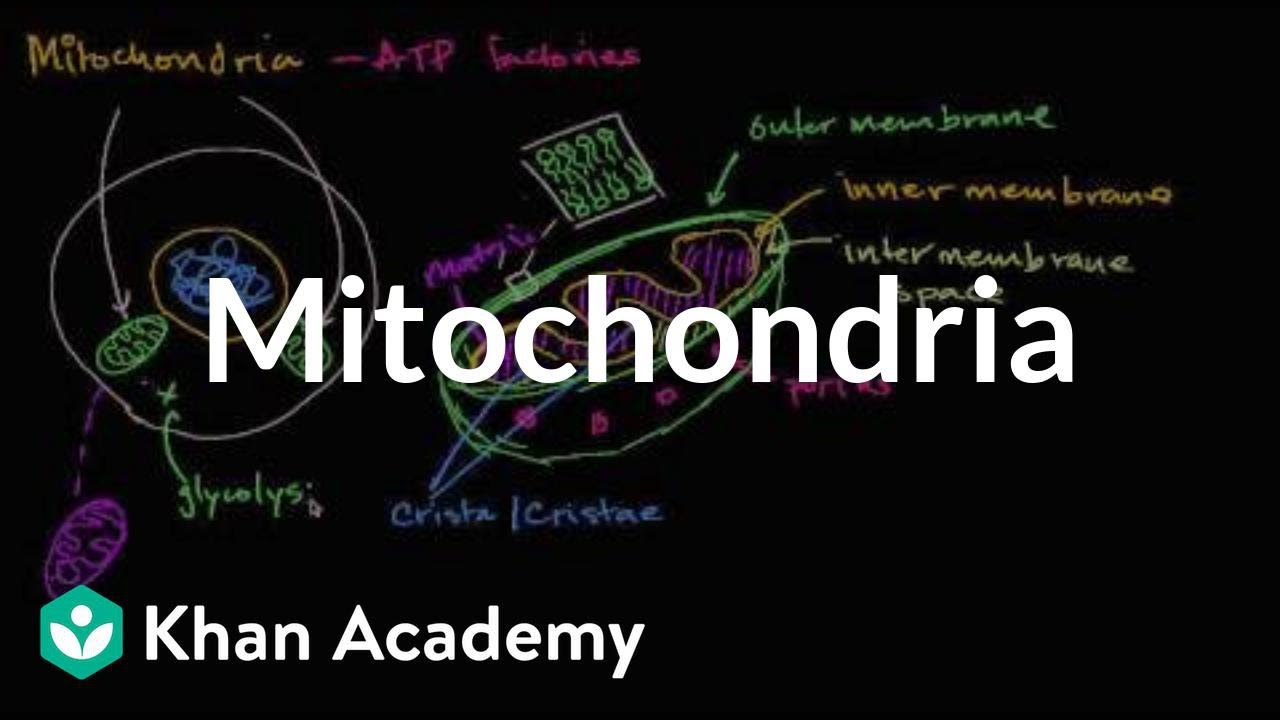
process by which substances or molecules are transported from their low to their High concentration so those cells which require to transport substances from their low to their High concentration they also need a large amount of energy and those cells are rich in mitochondria now let us have a look at the structure of a mitochondrion a mitochondria can have variety of shapes it can be slightly elongated Rod shaped oblong Etc the outer membrane of the mitochondria as you can see here is a continuous membrane it is permeable and it has several proteinaceous channels through which substances
can easily pass through the inner membrane of the mitochondria is thrown into finger-like projections called Christie the finger-like projections called Christie increase the surface area for enzymatic reactions the inner membrane is selectively permeable more close to the permeability of the cell membrane in between the two membranes is a small space which is known as the perimitochondrial space this space is important in generation of ATP inside the inner membrane is the Matrix which is a viscous gelatinous fluid that contains proteins which are enzymes that take part in respiratory reactions mitochondria is responsible for aerobic respiration so
the enzymes for Krebs cycle the enzymes for all the terminal oxidative processes are present in these membranes and in The Matrix of mitochondria inside the Matrix we also find a proper circular double-stranded DNA now mitochondria is one of the very few cell organelles which possess its own DNA and its own ribosome the DNA is a circular DNA as you can see here it's a circular DNA and it is double Stranded the mitochondrial DNA has been found to show a large variety of deviation so a large amount of divergent evolution has been produced or has been
showed by the differences that we see in the mitochondrial DNA where do we inherit our mitochondrial DNA from just like we inherit our nuclear DNA from both the parents that is half of our DNA comes from the father and half from the mother the entire mitochondrial DNA comes from our mother what is the reason behind that the reason is that sperm only donates the nucleus to the egg or the over and all the other cell organelles that we inherit actually comes from the egg or belongs to the egg and therefore the mitochondrial DNA is maternal
DNA with the help of this DNA mitochondria can synthesize its own proteins and of course for synthesizing proteins mitochondria also has its own ribosomes the ribosomes are just like those that are present in prokaryotic cells and not like the ones that are present in eukaryotic cells what do I mean by that it means that the ribosomes are 70s in nature not ATS for the concept of 70s and 80s ribosomes you can refer to the topic cell fractionation so as we understand that inside the mitochondria the DNA and the protein synthesizing Machinery is already present so
if the mitochondria wants to replicate itself it can replicate on its own and hence mitochondria is also known as semi-autonomous that is it is dependent on the cell for the source of glucose from which it will derive energy but it is also capable of replicating itself and producing its own proteins enzymes and energy apart from these structures there is another extremely important structure that is seen on the inner membrane of the mitochondria and those are the F particles the F particles or the elementary particles are also known as the particles of Fernandez Moran or tennis
racket shaped structures which are embedded in the wall of the inner membrane now if you look at these structures in close up you will see that they are made up of a base which is known as the F 0 particle a hollow cylindrical proteinaceous stalk and a globular protein which forms the head and is also known as the F1 particle the F0 particle is the base with which the for f particles remain attached to the membrane of the mitochondria to the inner membrane of the mitochondria the hollow stock is a path through which hydrogen ion
can pass through you have learned about transmembrane proteins and you have also learned about aqueous passages that are made for charged ions so this hollow Channel actually makes a passage for the charged hydrogen ions when they try to go from the perimitochondrial space into the Matrix now this head the globular head of the F particle which is the F1 particle is actually an inactive atpase enzyme what is the function of an atps enzyme and atpase enzyme helps in synthesizing ATP how by joining one inorganic phosphate to adenosine diphosphate so when you join ADP or adenosine
diphosphate to one inorganic phosphate what you get is ATP or adenosine triphosphate this reaction is catalyzed by the atpase enzyme now this head or the F1 particle is inactive usually but when there is a concentration of hydrogen ion in the perimitochondrial space this hydrogen ion moves from its high concentration in the perimitochondrial space to its low concentration into the matrix by simple diffusion and during this process it passes through the hollow stalk and through the head at this point of time the passage of these charged ions activate the head or the F1 particle and the
atpa's enzyme is activated this results in activation of the catalytic site of the enzyme that converts ADP and Pi into ATP hence you can understand that more the folding of the Christie more number of f particles will be there and that will result in Greater number of ATP generation so what are the functions of mitochondria mitochondria is essentially a cell organelle that is responsible for oxidative phosphorylation what does this mean oxidation as you know is either addition of oxygen or removal of hydrogen and phosphorylation is the process of addition of phosphate so the main function
of mitochondria is to break down food in the presence of oxygen that is by oxidizing it and with the help of the energy liberated during this process ATP is synthesized from ADP and pi aerobic respiration is what takes place inside the mitochondria and as you know that aerobic respiration has two steps glycolysis and Krebs cycle and one more step which is known as the electron transport system electron transport chain or terminal oxidation so the first step that is glycolysis takes place in the cytoplasm because all the enzymes required for that process is present in the
cytoplasm the Second Step that is Krebs cycle and the third step that is terminal oxidation takes place in the mitochondria because the enzymes required for these steps are present in the inner mitochondrial membrane or in The Matrix or in the perimitochondrial space the next function of mitochondria would be to control the different metabolic activities in a Cell it also helps to detoxify toxic materials inside the liver cells mitochondria is also known to be involved in cell senescence that is aging of cell and cell apoptysis that is cell death it is also responsible for cell signaling
and different other activities but the primary activity of mitochondria remains oxidative phosphorylation where the mitochondria is producing ATP or storing energy in the form of ATP or adenosine triphosphate during the process of aerobic respiration it has been found that one out of 5000 individuals may suffer from rare mitochondrial disorders how do these disorders originate it can be inherited due to a genetic defect that exists in the parent or it can appear de novo that is a random mutation can occur in a person giving rise to a defective mitochondrial DNA and they not only vary in
their nature but they also vary in their severity so symptoms can range from muscle weakness vomiting nausea migraine to developmental defects in the fetus treatment is also dependent on the symptoms so treatment can be medication that stops the symptoms to speech therapy that helps to regulate the different developmental defects that has already taken place now that we have studied about mitochondria let me give you a fun fact about this cell organelle It is believed that mitochondria was a free living microscopic organism at one point of time this mitochondria they came into the cell and the
cell found that this is one organism here which is producing excess amount of energy that is available to the cell and the mitochondria also could get free glucose from the cell both found it beneficial to stay together and mitochondria state the presence of DNA and ribosome in mitochondria is also justifying the fact that possibly at one point of time the mitochondria were free living organisms so that is all for today hope you enjoyed the video and if you did please do hit the like button and share it with your friends if you haven't subscribed to
our YouTube channel yet please hit the Subscribe button right now and click on the notification Bell do check out the full courses available on our website and our Android App manocha Academy links are given below stay connected with us and keep learning