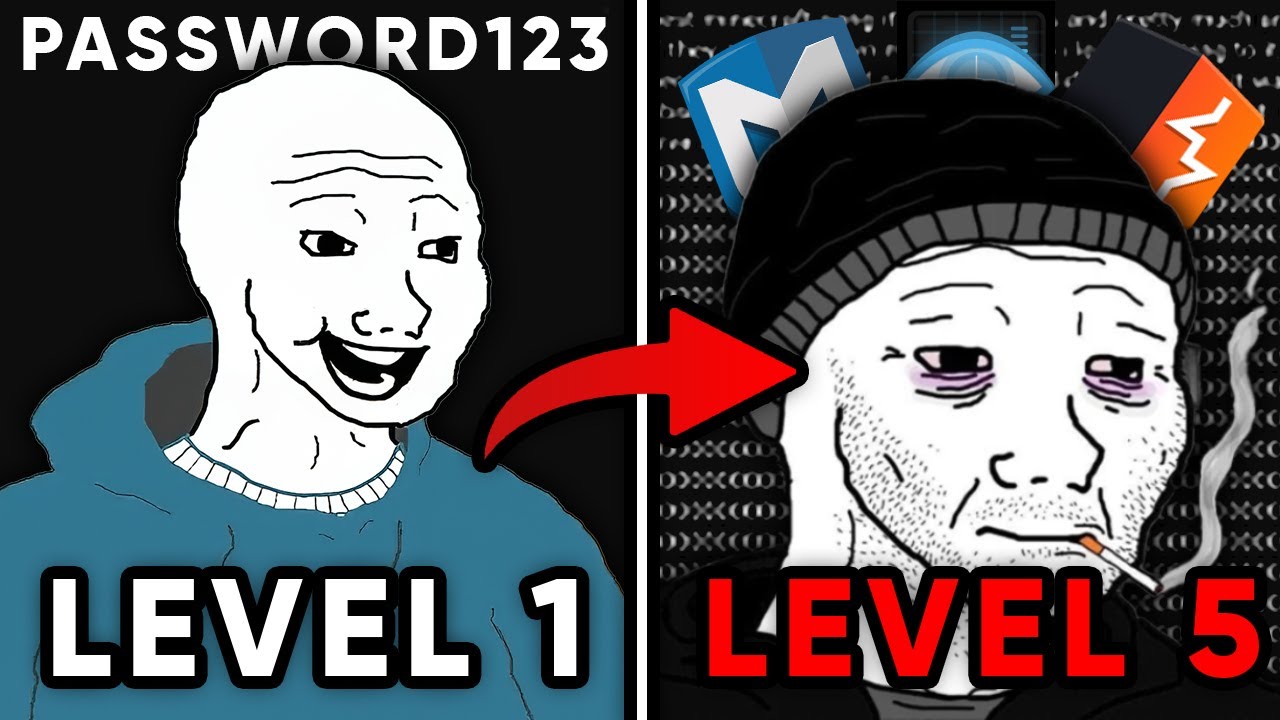
You open a beginner hacking guide. It says step one, install Arch Linux, and that's already where you messed up. 5 minutes ago, you were googling how to hack websites.
And now you're neck deep in a YouTube tutorial where some guy with anime profile pick is compiling a custom Linux kernel using flags you've never seen in your life. You blink and somehow you're in a 45 tab rabbit hole of Python virtual environments, shell scripts that break your terminal, and a GitHub repo that hasn't been updated since Obama was president. Welcome to Hacking Beginner Edition.
The problem is most so-called beginner guides are not actually made for beginners. They're made by people who've been in the game so long they've forgotten what it feels like to be new. So when they say basic setup, what they really mean is configure your dot files, install 19 dependencies, and pray your system doesn't melt.
And when you inevitably get lost, you're the one left feeling dumb, like you're not cut out for hacking. But it's not you, it's the content. Let's break it down.
First, creators are often showing off. That's not a bad thing. It's just human.
You want to flex your skills, show that you can reverse engineer a binary blindfolded while installing Gen 2. The problem is beginners see this and think, I have to do all of that just to learn how a login page works. Second, there's algorithmic bias.
Complex tutorials get more watch time. Longer videos, more ad revenue, more engagement. So instead of a clear, concise lesson, you get a 3-hour monstrosity with 20 tangents and zero context.
internal pointer variable. What is this internal? Finally, and maybe most importantly, there's a weird sort of gatekeeping.
A culture where simplicity is seen as weakness. And unless you're running Kaye in a VM inside your VM inside your fridge, you're not real. So, what does a real beginner path actually look like?
You don't need a million tools. You don't need a 300line bash script. You need to understand what the web is doing.
Start with HTTP, how requests and responses work. Learn what a port is, what a server is, what an IP does. Fire up Burp Suite, intercept a login request, and just look that moment when you see your username in the request payload.
That's your first real hacker moment. No flashy exploits, no CTF flags, just understanding the flow of data. That's the foundation everything else builds on.
From there, move into the OASP top 10. Not all at once. Just pick one like XSS or SQL injection and play with it in a controlled environment.
Try out Port Swigger Labs or Hack the Box starting point. These platforms give you the real muscle memory, not just the theory. You'll mess up.
You'll forget what a cookie does. You'll accidentally lock yourself out of your own test app. That's part of it.
That is the learning. And that's exactly why we built Cyberflow Academy. We were tired of people getting wrecked by beginner guides that expect you to be a CIS admin by day three.
At Cyberflow, you get real step-by-step courses in bug bounty, web hacking, and reverse engineering taught by people who actually remember what it was like to be confused. No fluff, no ego, and no weird prerequisites like must sacrifice a goat to the Linux kernel. Just clear structured learning designed to help you earn money from hacking.
Not spiral into a stack overflow panic attack. Plus, the private discord full of elite hackers who actually help each other. Real community, real exploits, real results.
So yeah, next time you open a beginner's guide and it asks you to chod your soul or recompile your operating system, just close the tab. You're not learning how to hack. You're entering someone's personal dungeon build tutorial.
And trust me, there's a better way.