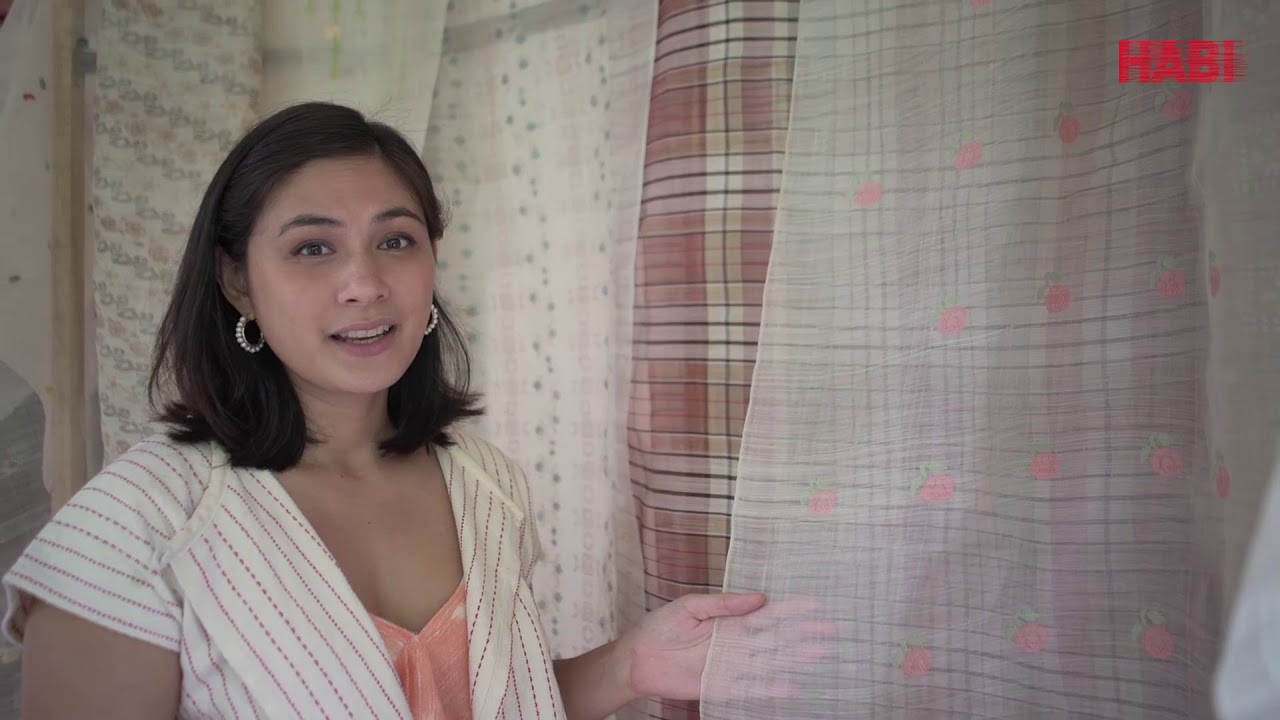
[Music] the textile is delicate almost like a spider's web when it sways it is drawn from bolts of hard work and patience from knowledge transferred from generation to generation its journey is long starting from the earth and being passed around by many Adept hands until it is refined the graceful swath of fabric is the end and it is also the beginning as it is transformed by the imagination an emblem of Singularity and community of creativity and identity the weaving of textiles is one of the ancient crafts of humanity using a wide range of materials sourc
from the environment it is also one of the most fascinating elements of our intangible cultural heritage which comprises traditions and living Expressions inherited from ancestors and past on to descendants in the Philippines different indigenous peoples possess different weaving Traditions using different plant fibers in central Philippines the aanon people of the province of aklan in Panay island is known for weaving a distinctive fabric using a very unusual material fibers extracted from Pineapple leaves considered the finest locally produced handwoven textiles the paa is known for its exquisite beauty delicacy and durability because of its quality relative Rarity
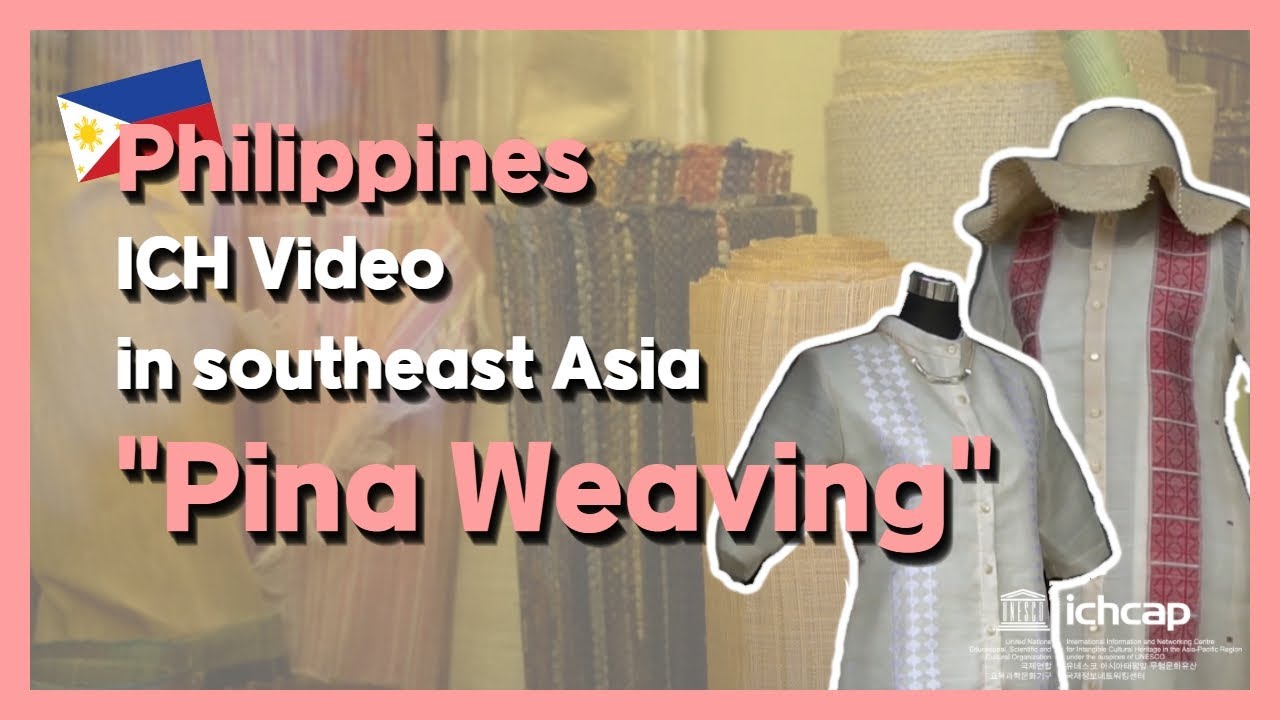
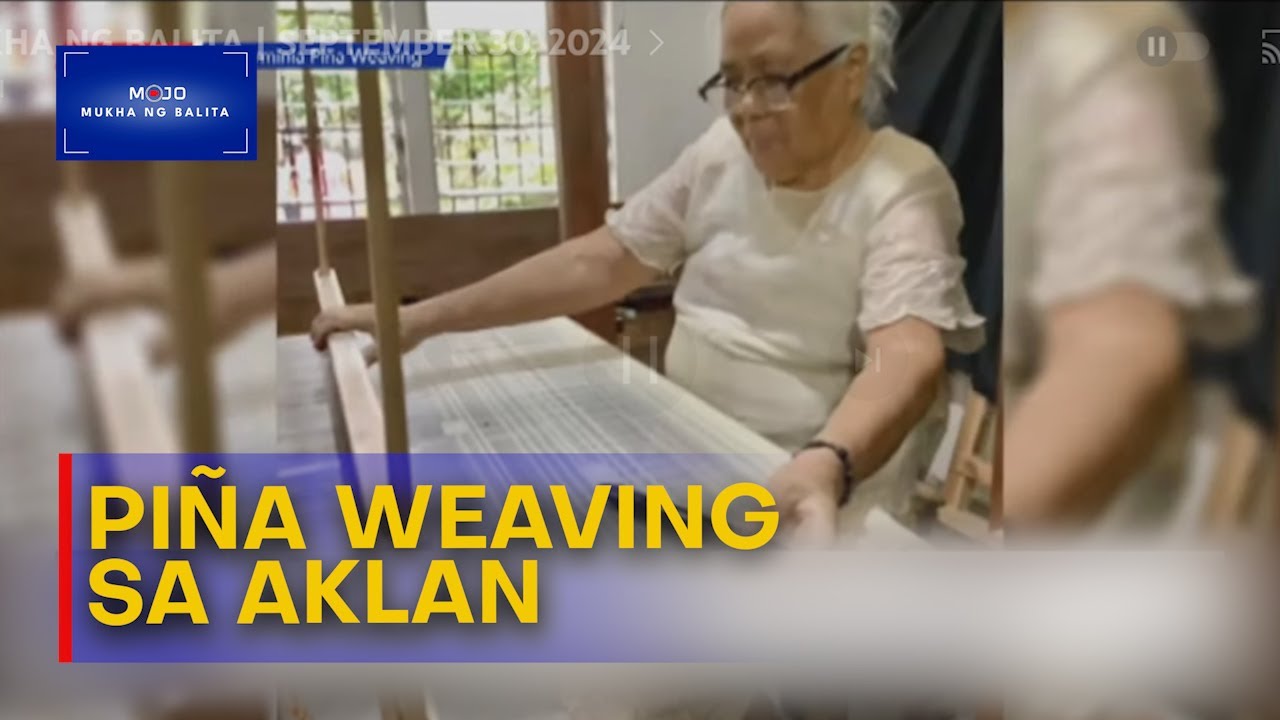
and value Filipinos take pride in the Pina textiles which are used in fashion and finery and pass down as heirlooms the paa textile is the most preferred material for Philippine traditional formal attires such as the iconic Baron Tagalog and terno thus this epitome of aanan traditional craftsmanship and Ingenuity has become one of the distinctive markers of ethnic community and national identity of the Filipinos P weaving is considered as a family and Community Heritage in several municipalities of aklan Master Weavers in the communities usually Elders who have inherited the skills from their forebears pass on the
Knowledge and Skills to the younger generation ations other components of the Pina making process are also usually similarly passed [Music] onang saang Elementary lady ra Elio 32 to 33 years UMAS for House of scrap the process of producing the PA textile is arduous beginning with the cultivation of the pineapple to the weaving itself the whole process involves different communities and different people and sectors of the community Farmers scrapers nters warpers Weavers Traders and designers the P bisaya or ananas cus is the pineapple variety specifically used for the hand Loom weaving it takes 18 to 24
months for the pineapple to mature the fibers are extracted from the mature leaves a procedure delicate and tedious the leaves provide two kinds of fibers the rough fiber called bastos and the fine fiber called called lenan using a Shard of porcelain the stripper removes the epidermis of the leaf extracting the bastos after stripping the rough fibers a coconut shell is run on the inner layer to extract the more valued linan the degumming process entails repeated washing in running water usually in rivers the fibers are then hung to dry dried and bundled the fibers are ready
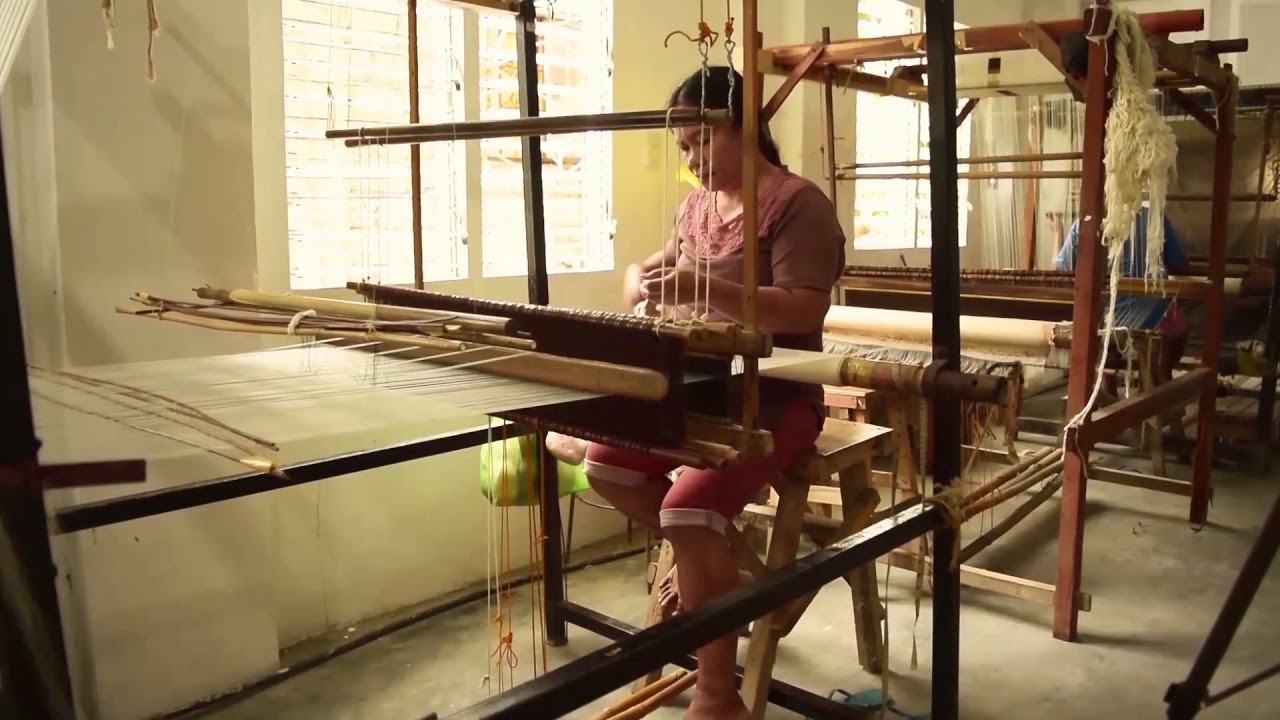
to be sold it will be weighed and priced using a local system before weaving the fibers are knotted together to form long continuous strands and spooled around bamboo bobbins to prevent tangling threads are then put into a saan or warp wheel for desired Dimensions after all these the weaving begins using the handloom AK exhibit spot the handwoven paa textile has been a pride and marker of cultural distinction for the aanon as well as of the whole Philippines it is an articulation of native Aesthetics and a legacy born of passion and patience it is also a
creative expression that nurtures a sense of belongingness and promotes social cohesion within and among families and communities [Music]