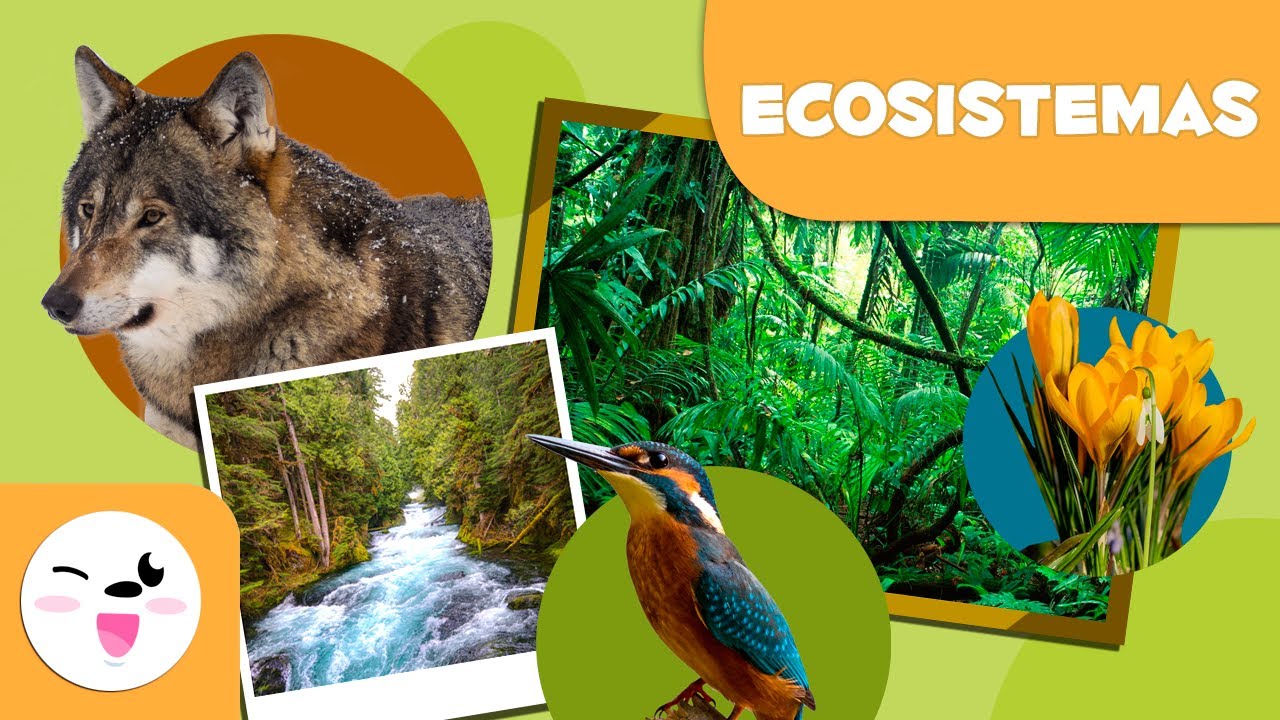
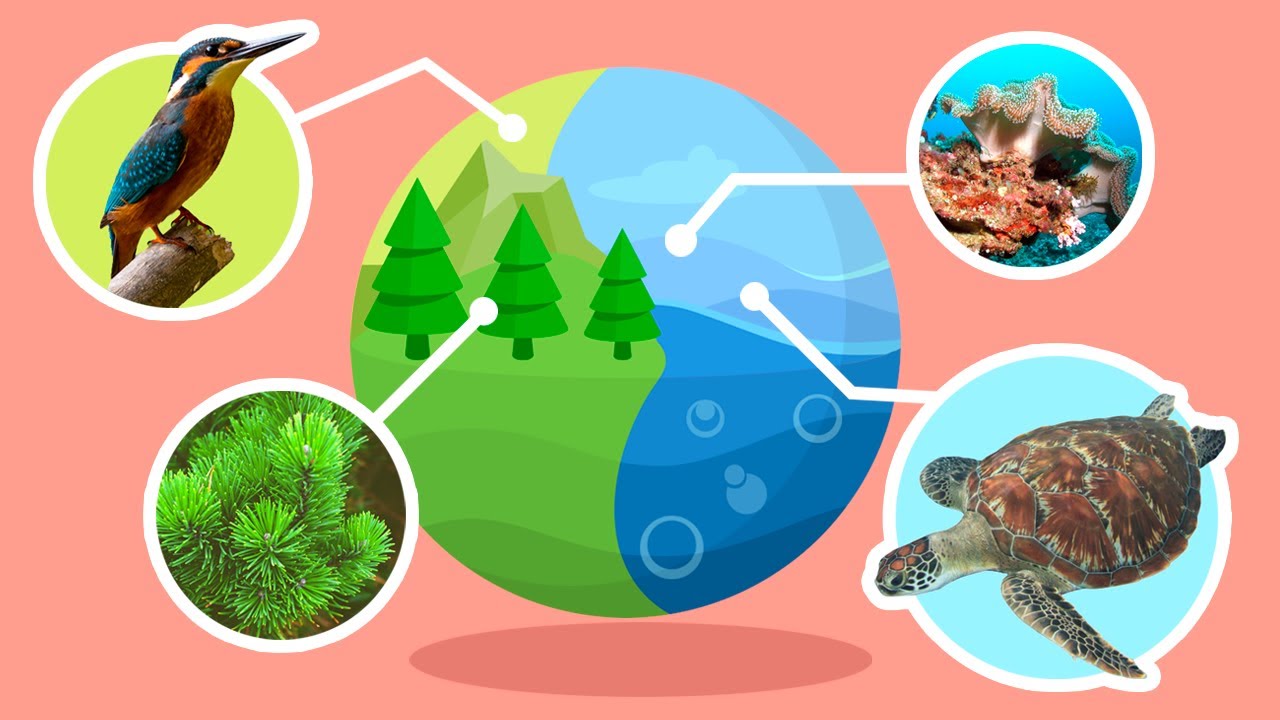
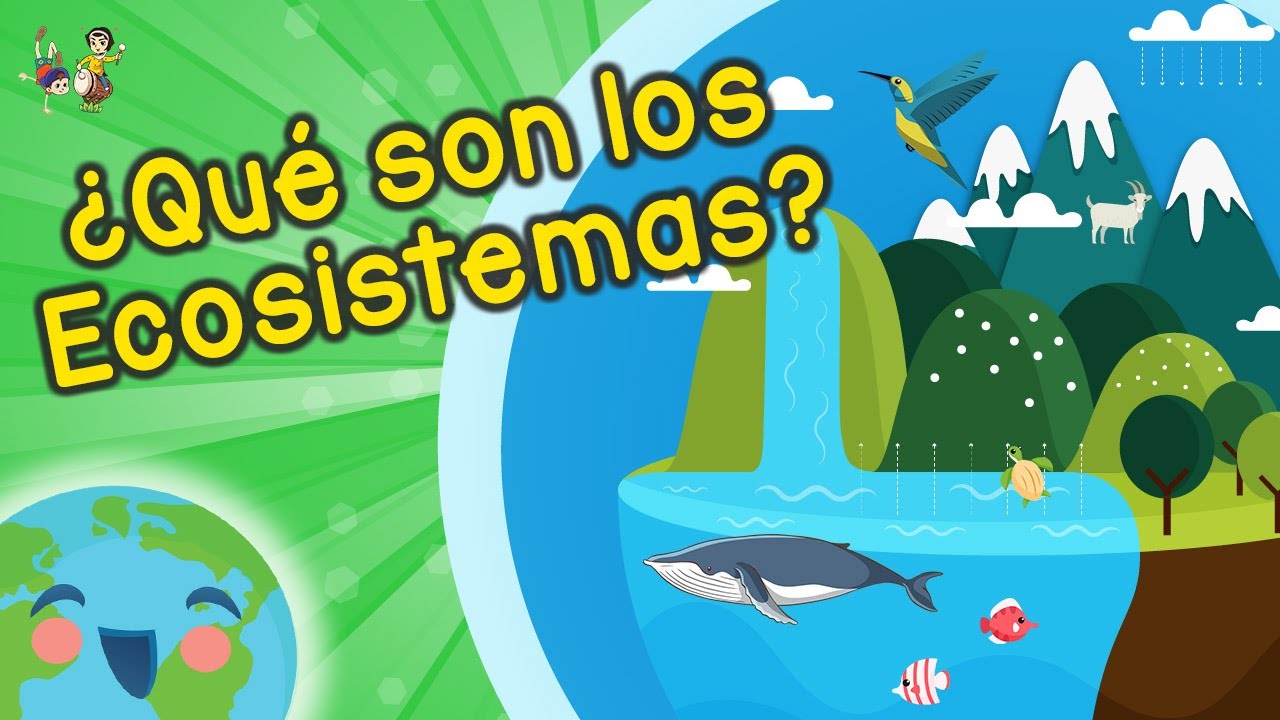
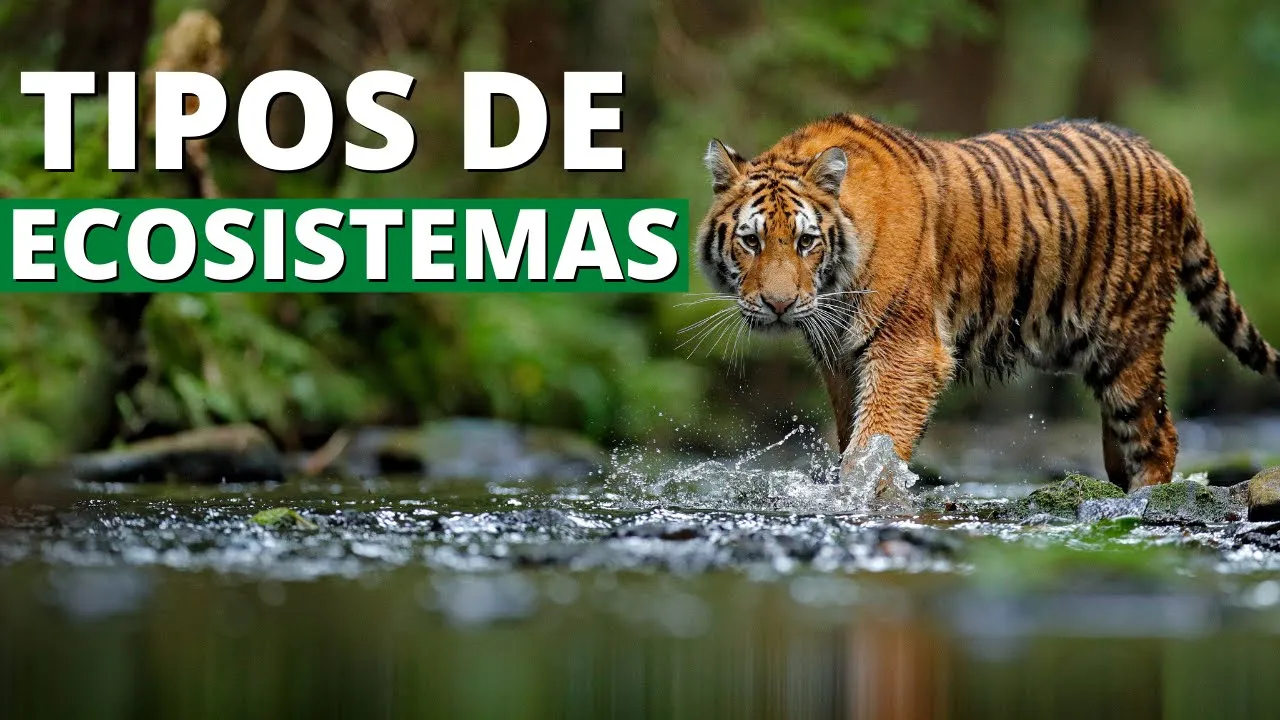
An ecosystem is an area defined by a particular combination of abiotic (soil, water, climate) and biotic (living organisms) conditions. Given the diversity of climates, soils, reliefs and life on Earth, there are different types of ecosystems. The determining factors in the formation of the planet's ecosystems are latitude, altitude and rainfall.
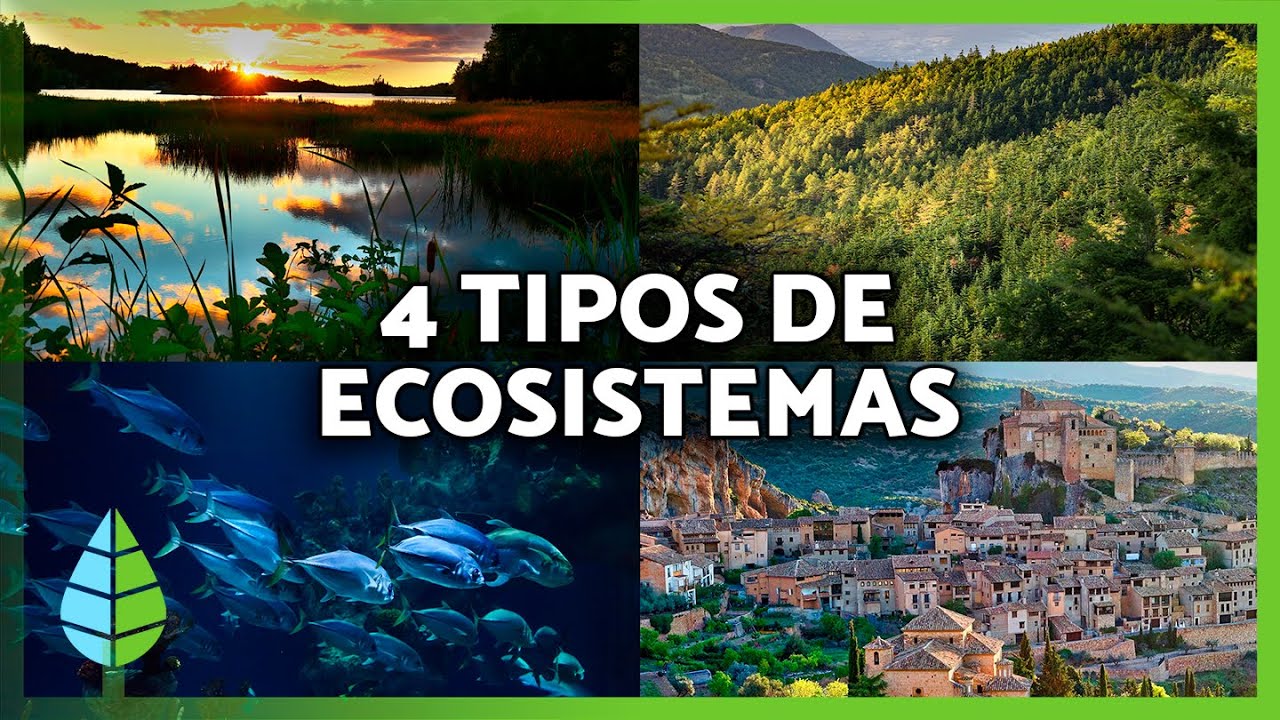
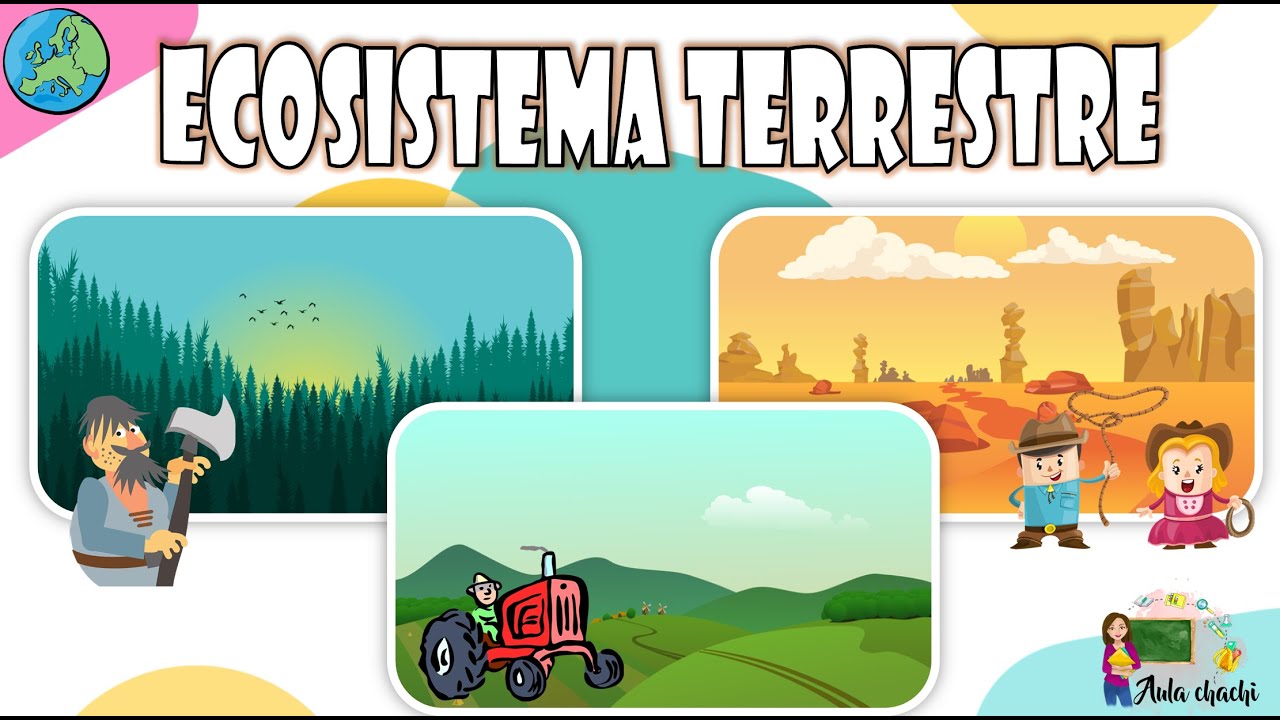
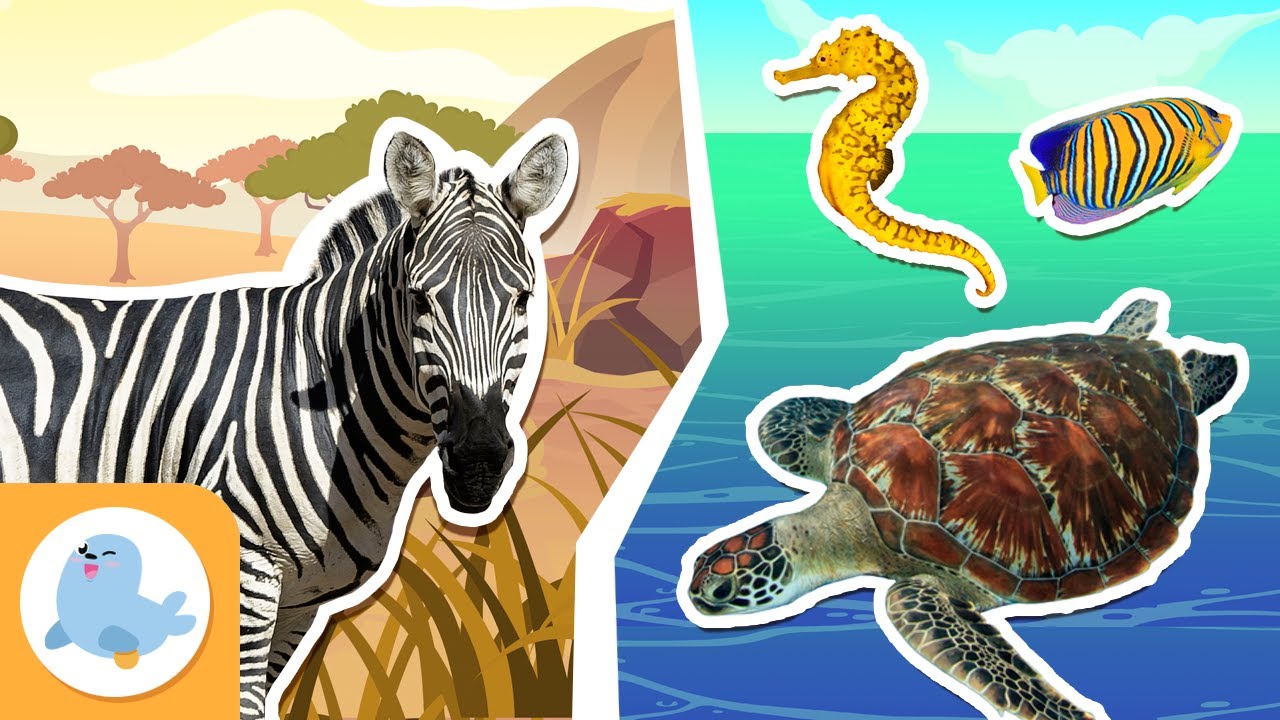
The types of ecosystems that exist can be divided into terrestrial ecosystems , freshwater ecosystems, and marine ecosystems. Within each of these three there are other subtypes. Let's see them.
Also, if you want to learn this topic by reading and writing, you can visit lifeder. com and search for it in the search engine. Terrestrial Ecosystems There are three main types of terrestrial ecosystems: tropical, temperate, and arctic.
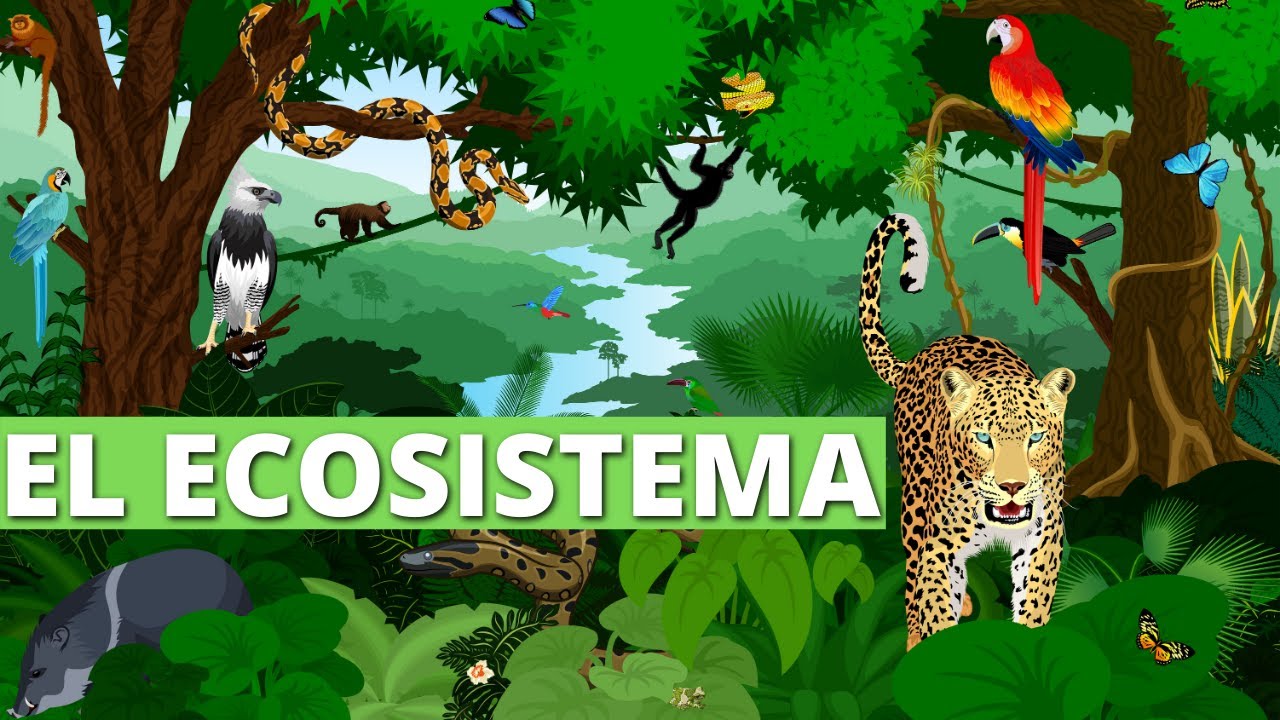
Within each of them there are other subtypes, as we can see below: - Tropical ecosystems Humid tropical forest The humid tropical forests are one of the most diverse ecosystems that exist, especially the lowland rain forests such as those of the Amazon. In turn, there are various ecosystems of humid tropical forests, including the floodplain forest. Within these, there are forests flooded with white water and black water, which depends on the type of river that generates the flood.
Likewise, there is a whole variety of ecosystems of humid lowland forests, depending on the predominant species. For example, the morichal is a riparian forest dominated by the moriche palm, which exists in the Venezuelan plains. On the other hand, there are also tropical humid mountain forests or cloud forests, which develop between 800 and 3,000 meters above sea level.
All humid tropical forests are characterized by their diverse tree strata and abundant epiphytic and climbing activity. An example of cloud forests are those of the Andes mountain range as the eastern yunga in Peru. Dr tropical forest When the climate is bi-seasonal with a marked dry period, different types of dry forest ecosystems develop, such as deciduous and semi-deciduous forests.
In the first case, the lack of water in the dry period is extreme and most of the species lose all their foliage. While in the semi-deciduous forests there is more water availability in the dry period, in some cases through groundwater. In the semi-deciduous forests of tropical America, some species reach considerable heights (up to 40-50 meters).
Examples of this are ceiba or mijao. Scrub and thorn forest In those more arid areas , forests do not develop, appearing as scrub and thorn forest. These are formations dominated by large bushes and small trees, many of them thorny.
In the American tropics, the presence of shrubby and arborescent cacti is common in these formations. One of the most common families of angiosperms in these formations throughout the tropics is Leguminosae. Savannahs These are ecosystems of plains, plateaus or areas of gentle hills, warm and with a strong bi-seasonality.
In these ecosystems, grasses predominate, in some cases accompanied by scattered trees or palms. In both the African and American savannahs leguminous trees are quite abundant. For example, the Acacia wooded savannahs in Africa and the Saman wooded savannahs in America.
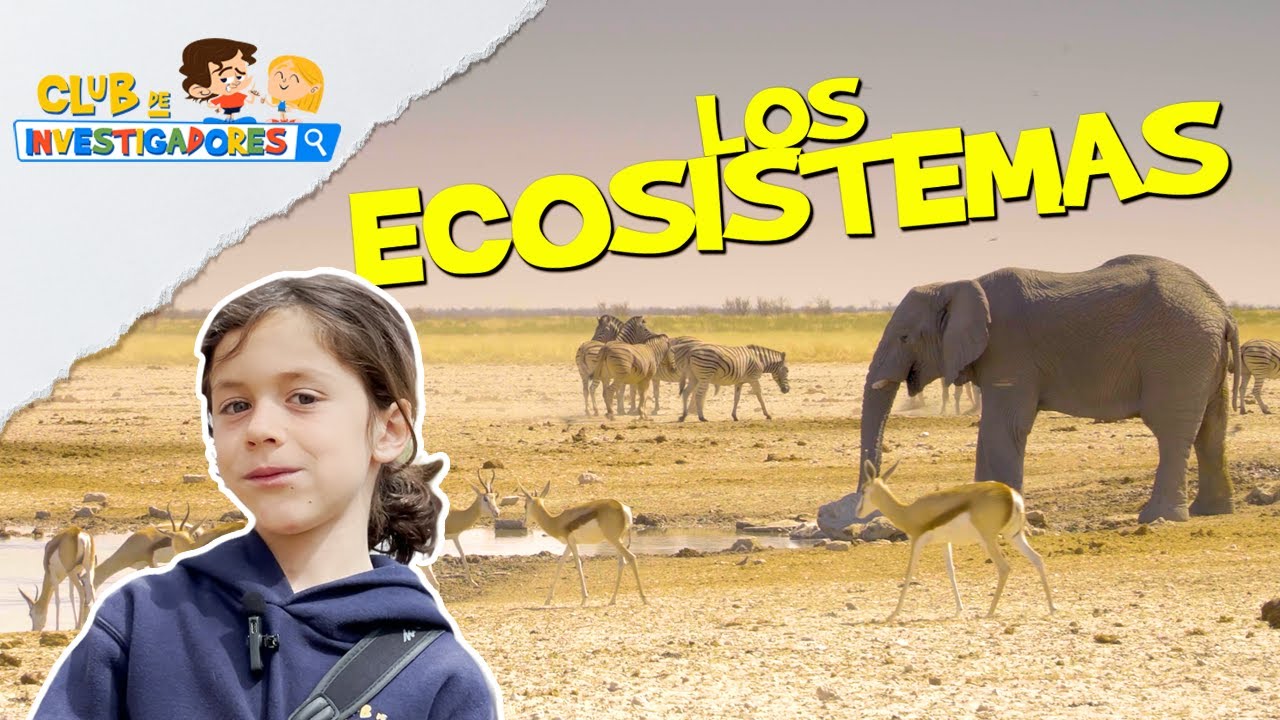
In the African savannahs large herbivores abound in very large herds such as the wildebeest and the zebra. As well as large carnivores such as the lion, the hyena and the leopard. High mountain grasslands Above the tree line (3,400-4,000 meters above sea level) in the high mountains, ecosystems dominated by rose-shaped herbs and small shrubs develop.
Among these are the moors and the puna, characterized by high solar radiation and low temperatures. The paramos are ecosystems with higher humidity, while the puna is much drier. A genus characteristic of the paramos and endemic to the Colombian-Venezuelan Andes is Espeletia, which groups numerous species of herbs and shrubs.
Coastal grasslands Various ecosystems dominated by herbs, sub-shrubs and small shrubs develop in coastal areas . The species that live here are adapted to conditions of high salinity and strong winds. Characteristic examples of this are saladillo, a grass, and beach purslane, an aizoaceae.
Mangrove The mangrove is a transition ecosystem between land and sea, dominated by tree species adapted to high salinity. For example, the red mangrove is capable of living with its roots submerged in seawater. This ecosystem is closely associated with marine ecosystems such as submerged meadows and coral reefs.
Hot deserts In the most arid areas , deserts are formed, which are regions where the extreme limiting factor is humidity. Daytime temperatures can exceed 50 ºC, while at night they can be close to zero degrees. The vegetation and fauna are very scarce and highly adapted to conditions of water deficit.
Among the characteristic animals of these ecosystems are the dromedary and the camel, in Africa and Asia. - Temperate ecosystems Coniferous forest These forests develop in the northernmost latitudes of the temperate zone or in mountainous areas. They are characterized by the dominance of gymnosperm species of the order Coniferae, especially pines.
As well as cypresses and junipers and cedars. In some cases there are very tall trees as in the Californian redwood forests. This species can reach up to 115 meters in height.
Mixed forest This type of ecosystem is intermediate between coniferous forest and broadleaf forest. In turn, various types of mixed forest ecosystems are delimited, depending on the geographical location. It is characterized by including both coniferous and broadleaf species.
Among the latter are oak, beech and birch. In the southern hemisphere, the gymnosperms typical of mixed forests belong to the families Araucariaceae and Podocarpaceae. In the case of the northern hemisphere, they are located in North America, both in the United States and Canada and in Mexico, and also in Europe and Asia.
Deciduous forest They are oak and holm oak forests, as well as alders and other species of angiosperms typical of the temperate zone. They are adapted to the temperate seasonal regime with spring, summer, autumn and winter. Among the predominant tree genera are Quercus, Fagus, Betula, Castanea and Carpinus and in the deciduous forests of the southern hemisphere Quercus and Nothofagus predominate.
Mediterranean Forest These are forests that develop in a Mediterranean climate, which occurs in very defined areas of the planet. We find them only in the Mediterranean Sea basin, in California (USA), Chile, South Africa and Australia. It is a climate with mild and rainy winters and hot dry summers, with warm autumns and variable springs.
The plants have adapted to that hot, dry period, so they tend to be stunted and sclerophyllous (hard evergreen leaves). Among the common species in these ecosystems are oaks, oaks and cork oaks. Meadows Meadows are herbaceous formations, with a predominance of grasses that develop in plains, plateaus or hilly areas in temperate regions.
Although the structure of the vegetation makes them similar to savannahs, they differ from them in climate and specific composition. They include the North American and European grassland ecosystems, as well as the pampas (Argentina), the steppes (Eastern Europe and Asia), and the velts (South Africa). Coastal grasslands As in tropical zones, in temperate zones diverse ecosystems develop in coastal plains.
As in the tropics, herbs, subshrubs and shrubs adapted to high salinity predominate, although the floristic composition is different. Species such as the grass Aleuropus littoralis in the Mediterranean are found in these ecosystems . - Taiga arctic ecosystems [caption id="attachment_198335" align="aligncenter" width="433"] Taiga.
Source: peupleloup [CC BY-SA 2. 0 (https://creativecommons. org/licenses/by-sa/2.
0)][/caption] This is the coniferous forest of cold regions that forms an almost continuous band from North America to Eastern Asia. It is a tall coniferous forest with very sparse or absent undergrowth, in some cases reduced to mosses and lichens. The taiga is also not uniform and different ecosystems can be identified in it, for example the dark taiga and the light taiga.
The first is made up of the typical leafy evergreen conifers that form the boreal forest belt. For its part, the clear taiga is located further north, bordering the tundra with species of Pinus and deciduous conifers. Tundra Beyond the tree line marked by latitude, at the end of the taiga lies the tundra.
It is an extensive plain dominated by mosses and lichens on a substratum of frozen ground, the permafrost. Cold desert In Antarctica and Greenland there are cold desert ecosystems, with extensive ice-covered areas where plants and fauna are scarce. The dominant animals are closely linked to the marine environment such as the polar bear, sea lions, seals and others.
Freshwater ecosystems There are three types of freshwater ecosystems; river ecosystems and lake ecosystems and within these two there are other subtypes. Let's see them: - Fluvial ecosystems All the ecosystems of rivers and streams that form the different basins of the planet are included. Of course, the diversity of these ecosystems is enormous, taking into account the large number of existing rivers.
Thus, in the course of the Amazon, which is the longest and mightiest river in the world, there are various ecosystems. This is due to the fact that the conditions of climate, temperature and composition of the water are not the same from its source to its mouth. - Lake ecosystems [caption id="attachment_198336" align="aligncenter" width="437"] Lake Ontario (Canada).
Source: Michael Gil [CC BY 2. 0 (https://creativecommons. org/licenses/by/2.
0)][/caption] Lentic ecosystems include lakes, lagoons and all those bodies of water confined to an area. The lakes are distributed throughout the planet and in dissimilar climates and only in Canada there are more than 30,000. We find lakes both in tropical conditions, such as Lake Maracaibo in Venezuela, and in cold lands such as Lake Ontario in Canada.
Also from sea level to considerable heights such as Lake Titicaca in the Andes between Peru and Bolivia (3,812 meters above sea level. ). This implies that each lake or lagoon is a particular ecosystem with its associated flora, fauna and abiotic conditions.
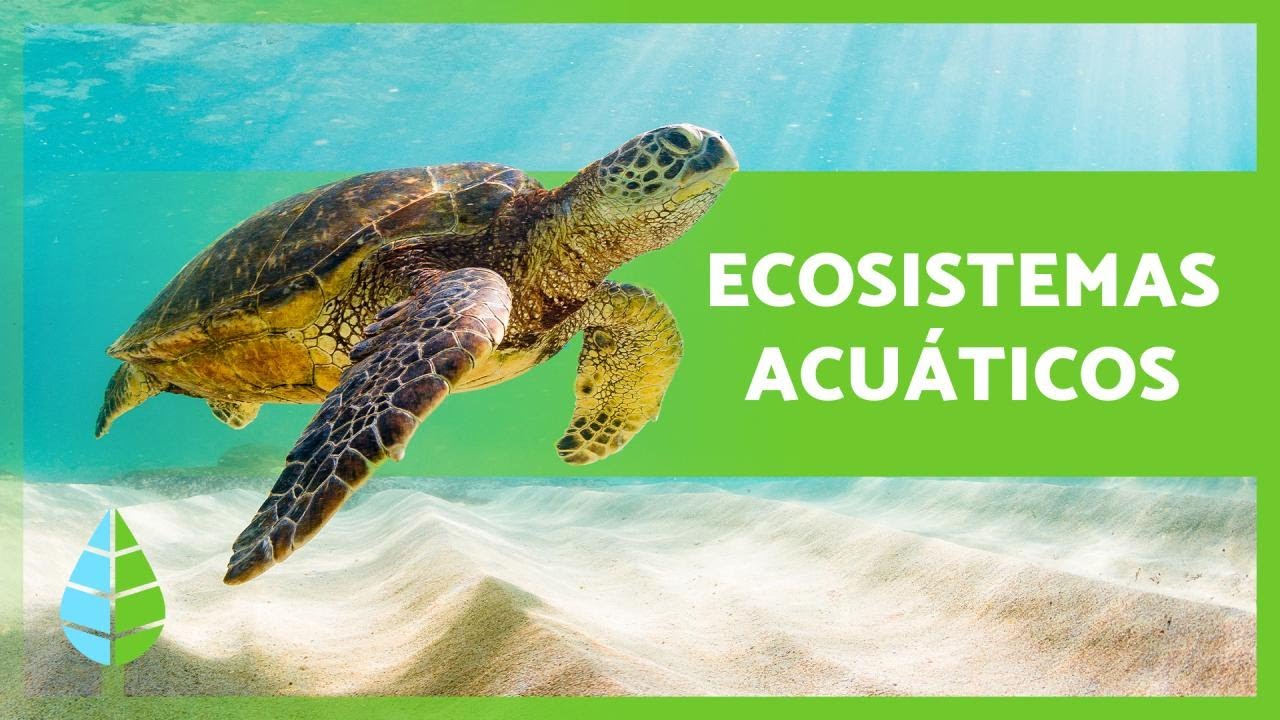
Marine ecosystems Within the marine ecosystems we can find coastal ecosystems and the pelagic or oceanic zone, and within both there are other subtypes. Let's see them: The marine environment covers about 361,132,000 square kilometers, with depths of up to 11,000 meters and temperatures from 26 ºC to frozen areas. It includes superficial areas bathed in tropical sunlight to deep areas where the light does not reach.
The world's oceans are essential for life, as they are part of a series of fundamental biogeochemical cycles. Among the most important ones we can mention the water cycle and the CO₂ cycle, in addition, the plankton of the oceans is the main producer of oxygen. - Coastal ecosystems and the neritic or littoral zone The coastal zone up to 10 meters deep and the neritic zone (from 10 meters to 200 m deep) include a great diversity of ecosystems.
The determining factor here is the abundance of available solar radiation. In tropical and subtropical zones , highly productive ecosystems such as coral reefs and submerged meadows of aquatic angiosperms develop. Coral reefs Coral reefs are the most productive ecosystems in the oceans and one of the most productive on the planet.
They are made up of hundreds of thousands of organisms with calcareous exoskeletons that form colonies at shallow depths and constitute poles of attraction for marine life. Seagrass meadows Seagrass meadows of angiosperm species develop in shallow marine areas of tropical and subtropical areas . In the tropics, turtle grass meadows are common and in the Mediterranean we find Posidonia oceanica meadows.
- Ecosystems of the pelagic or oceanic zone In the open sea, important variations are established according to depth and latitude (which influences, among other things, the temperature of the water). In this area, the ocean behaves like a large ecosystem, but different conditions occur on the seabed. Sargassum Sea This is a variable area of about 3,500,000 square kilometers where populations of sargassum algae float.
The currents determine a system of warm waters and allow the development of various marine organisms in the mass of algae. Hydrothermal vents In the oceanic ridges of the Atlantic at a depth of about 2,400 meters there are hydrothermal vents. These high-temperature water emissions occur thanks to volcanic activity.
The dissolved chemical substances and the generated temperature allow the development of chemosynthetic archaea. These bacteria in turn are the base of food chains that include large clams, tube worms and other organisms.