the jogan experience I was a video game developer uh in Silicon Valley and then I became an investor in the video game industry and my backgrounds in computer science and uh what happened was after I sold my last video game company uh back in 2016 so we're talking like you know seven years ago now uh eight years ago now and I put on a virtual reality headset and started playing a VR pingpong game right now these headsets were even bigger than they are now and they were wired so there's no mistake making you're in virtual
reality but what happened was that the the the pingpong game was so realistic that for a moment my brain forgot that this wasn't a real game of table tennis so much so that I tried to put the paddle down on the table and I tried to lean against the table but of course there was no table so the controller fell to the floor and I almost fell over I had to do one of these double takes like oh wait I'm just in VR right so I started to think about how long would it take us
to build something like the Matrix something that's so immersive that you would forget right that you were inside a video game and so that led me to this idea of the simulation point which is a kind of technological singularity but then I started to research things like quantum physics and some of the Mysteries around you know the observer effect and quantum mechanics and and then I started to look at all the world's religions and I realized that they're all kind of saying the same thing which is that there is no physical Universe uh and so
you know that led me to the conclusion that we are most likely inside some kind of a computer simulation or a massively multiplayer video game depending on how you look at it but what where did that computer game where did that simulation come from if we are inside of it well that that's the big question right uh and there's two versions of simulation Theory and you know I teach a class on this at Arizona State University probably the first college level class about simulation Theory and it kind of in science fiction religion philosophy and Technology
but one of the key distinctions I I tell my students to make because it's not talked about a lot with simulation theory is what I call the NPC versus the RPG versions of simulation Theory okay right so NPC as you probably know means you know non-player characters within video games so those are the AIS in the video game uh you know the bartenders the people you're beating up the opponents all of that stuff but basically they're just code and they AI then there's the PG version which is that we are actually doing a role playing
game right so you exist outside the game and then you have a character or Avatar inside the game so it's just like what we would consider an MMO RPG today right except with more sophisticated technology and so in that case uh you know you get a little bit of a different answer than if you talk about an NPC only type of simulation right because that's just running on a computer and we're all AI in that case now the two aren't mutually exclusive right in a in a video game like fortnite or whatever World of Warcraft
you have NPCs and you have PCS or player characters right so you've got both of those things going on and so depending on how you look at it you might come to different uh you know different answers about who's outside the simulation uh which would answer the question of who made the simulation right yeah so in the first case uh you basically say that if we can get to the point where we can build these simulations uh what I call the simulation point so I call that a kind of technological singularity now we've heard the
term Singularity mostly because of like uh Ai and super intelligent AI right uh and you know AI is going to take over the world but the guy who defined the term was actually a computer scientist who became a science fiction writer named verer Veni in fact he just passed away like a month ago or something he was a real Pioneer in like science fiction in the Cyber Punk uh kind of subgenre or so and so he said the singularity happens when technology increases exponentially to the point where everything will be different for humans after that
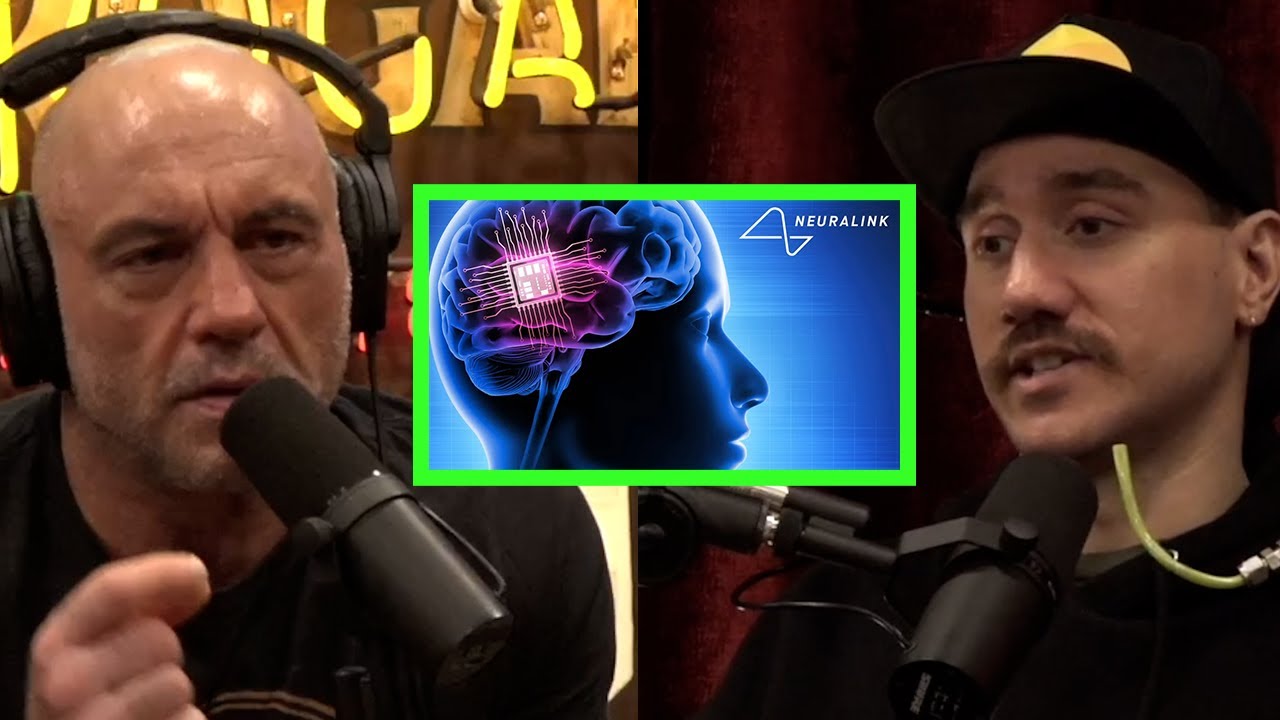
point now he gave like four different ways we could reach the singularity most of us talk about only one which is AI starts to become super intelligent and uh it grows exponentially and and everything will be different but but I think this this idea of the simulation point where we can create simulations that are indistinguishable from reality and I lay out like 10 stages in my book of all the technology we would need including brain computer interfaces like in The Matrix right so or neuralink or neuralink right we're getting there right we're very close we're
at the beginning of that whole and so that's stage eight stage seven and stage eight on the way to the simulation Point um and you know being able to read but also then being able to write memories as well and then have so the definition of the simulation point is being able to create a virtual reality that is indistinguishable from physical reality with AI characters that are indistinguishable from biological characters so you know you wouldn't be able to tell you're talking to an NPC basically we're getting closer to that already right yes yeah I mean
there's like companies out there doing smart NPCs now inside uh video games right but what would be the difference between looking at what is possible in the future and making either a hypothesis or suggesting that that has already taken place right so that's kind of the leap right that you need to make which is to say that if we can do it now let's imagine a civilization that was a million years ahead of us a thousand years ahead of us yeah even 200 years ahead of us right but certainly a thousand years ahead of us
so where will computers be in a thousand years they would already have created these types of simulations right right because if we can do it now 50 years ago we didn't know if we could do it we didn't know if computers could get to that point right today we're pretty pretty sure we can get there in fact I'd say that I'm 70% sure that we will get to the simulation point which means I think there's a 70% chance we're living inside a simulation um and so the point is if they already got there they created
a whole bunch of simulations okay and you can't tell the difference whether you're in the real world or a simulated world right so there's 99 of these there's one of these but you can't tell the difference so which one are you more likely in just statistically speaking now we're not even you know projecting the technology forward we're just saying it's more likely you're in one of the 99 than the one because there's so many more of these right sort of if you can't tell the difference right if you can't tell the difference but there's so
many things you have to think about right there's so many things you have to take into consideration one of them is we don't have a straight linear line from the moment that we're born to the moment that we exist in currently the reason being is that we go to sleep every night right it's a weird thing we shut off every night and we wake up intermittently and you go back to bed maybe you have to pee maybe you're thirsty you go back to bed and then you wake up again but when you wake up you
are just waking up like when I woke up this morning I don't know if this is the life I've always lived right I'm a assuming it is because I have all these detailed memories of the past I see my dog he exact he reacts exact same way he always does you know I see my wife I see my kids I see my house it's the same house that I remember but I'm not sure I just woke up right I'm a little foggy already it just exists in your memory at that it just exists in your
memory this might be the first day of my life right if suppose that you can implant false memories right so this was a popular topic for Philip K dick right movies like Total Recall even in Blade Runner you know I interviewed his wife while I was researching you know my book he was a wild boy he was an interesting guy right and he said some interesting things in fact all the way back in 1977 in Mets France at a Sci-Fi convention he said there's a pretty famous quote he said uh we are living in a
computer programmed reality and the only clue we have to it is if some variable is changed some alteration occurs in our reality right and that's become kind of a famous quote in the simulation world but if you listen to the rest of the quote he says well we would basically rerun the same events and we would change some variables right and we would have a sense of deja vu like maybe we've already done this right maybe I've you know talked to you before right in a different run of the simulation MH right and and this
idea like after I wrote my first book on this topic simulation hypothesis uh this this idea wouldn't leave me that well if you can run one simulation you can certainly run it multiple times in fact that's what we would do if we were running a simulation of the weather we wouldn't just run it once we would run it multiple times and if we're doing simulation of whatever right pandemic anything Name It We would change the variables and we would go forward and so you know when I interview Tessa you know Phil K Dick's Last wife
she said um that he came to believe this was really happening right that someone was altering with our reality and they would change a few variables and reun the simulation forward U so now we're getting pretty deep in the rabbit hole so this is the topic of my second book which is called the simulated Multiverse this idea that each of these timelines uh could be like a different run of the simulation itself so so that gets a little weird at that point right because now we're saying that time isn't the same thing right that we
think it is so with the simulation hypothesis hypothesis we're saying that space doesn't really exist uh it basically gets rendered for us like a video game and then with this second idea we're saying that time doesn't really exist because what you remember could have been either implanted memories or it could be a specific run of the simulation right so if you run it again maybe things are slightly different the second time you run it um like so Philip K dick came to believe that his novel The Man in the High Castle which was turned into
a pretty cool series I don't know if you've uh if you've seen it it was on Amazon a few years ago but in that in the novel and in the series Germany and Japan won World War II uh and so you see in America that's been divided like the east coast is U run by the Germans the west coast is run by the Japanese and you see this kind of fascist type type world and so you know he later came to believe that this actually happened and somehow the simulators reran it again and the current
timeline is one that was allowed to go forward like you know further forward than where that one might have ended and so he says that at some point all these memories came flooding back to him of this other timeline um he called it uh he used this Greek word it's called an anamnesis which means a loss of forgetfulness right so he said we might be able to remember these other runs of the simulation um so anyway that gets us into you know this whole idea of is the past what we think it is right that's
I think with the question you were asking right because you're like if I just remember uh XYZ is that what actually happened or is it just uh a representation of the past in the present yeah and so when I started looking into the quantum physics side of it I found something really weird uh and we'll talk we can talk about the observer effect but this was like even weirder than that and it was something proposed by John Wheeler who uh was U at Princeton with Einstein and you know he was a bit younger then you
know Neils bore and Einstein and all these kind of uh forefathers of quantum mechanics and he came up with uh several things that I was talking about but one of them is the delayed Choice experiment or or the cosmic delayed choice exper experiment which puts into doubt this idea of the past and since we're talking about the past let's let's go into this now uh if you don't mind okay so imagine there's a a something like a quazar and that's a billion light years away from us right and the light is coming from that quazar
to here so it's going to take a billion years to get here because it's a billion light years away uh and then suppose there's something in the middle like a black hole uh that's in the middle or or a Galaxy something that's very gravitationally big and so suppose the light has to go to the left or to the right of that object and suppose that object is like a million light years away from us so it's a lot closer but it's still a million light years away so the decision about when the light goes to
the left or to the right would have to be made when right it would have to be made in the past about a million years ago because it takes light from that let's say it's a black hole it's a million light years away so it takes a million years for the light to reach Earth and we can measure whether it went to the left or to the right um well it turns out that decision is in the past as we think of it but what the delayed Choice experiment tells us is that that decision is
made now when we measure that light right when the little telescopes suppose we have two telescopes one picks up on the left one picks up on the right and it's when we do the measurement and until we do that measurement both of those possibilities still exist so we have these two possible pasts a million years ago right the light went to the left or to the right but which one happened isn't decided until the measurement is done today