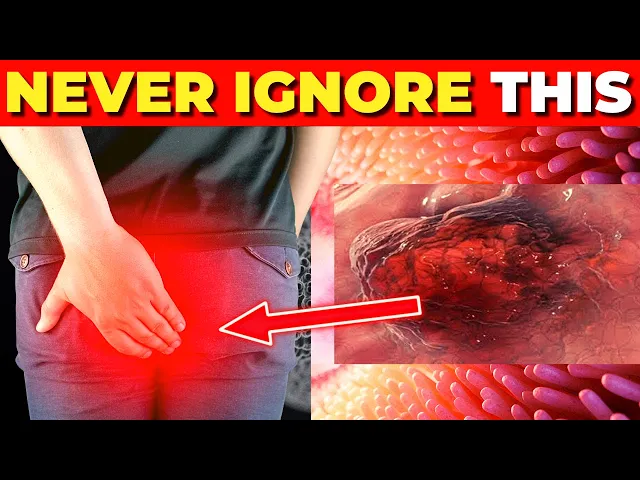
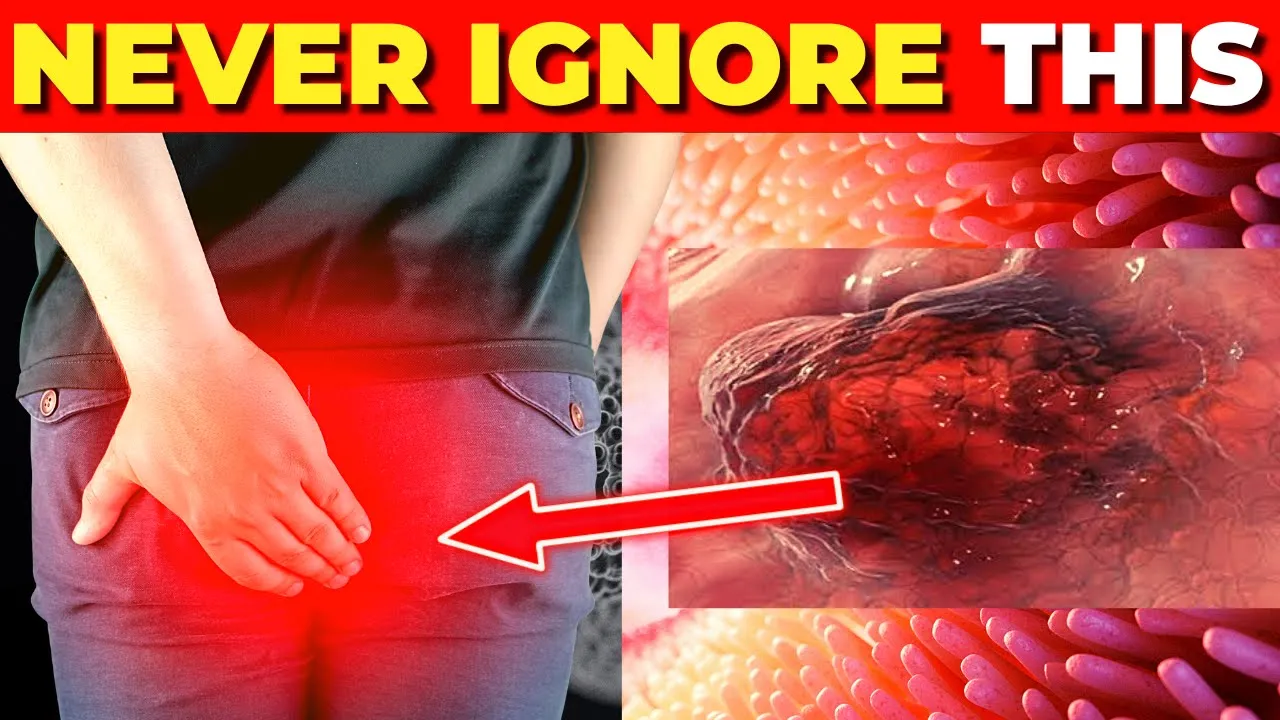
critical colon cancer symptoms you should never ignore why are cancer rates particularly for colon cancer Rising and not just among the older population but increasingly in younger people as well today let's explore this concerning Trend and provoke a meaningful debate make sure to watch until the end because there's a list of the most common colon cancer symptoms that you might be experiencing colon cancer ranks as one of the most devastating diseases today it is the third most commonly diagnosed and the second most fatal type of cancer but what makes the fight against this disease even
more complex is the formidable industry that has been built around it an industry driven by money misleading ads and so much confusing information that it leaves both patients and Health Care Professionals puzzled and often wrong a common misconception is that your risk for colon cancer is primarily determined by your genetics while it's true that having a family history can increase your risk accounting for five to ten percent of cases this is far from the complete picture jeans May load the gun but it's our lifestyle choices that pull the trigger in this context modern research is
increasingly highlighting the impact of diet and lifestyle as key factors in preventing or even reversing the disease foods rich in antioxidants for instance are now being acknowledged for their role in fighting various chronic conditions this isn't mere speculation it's a fast-growing area of scientific research that shows where medicine is headed in the future how to know if you have colon cancer what are the early symptoms of colon cancer what symptoms indicate Advanced stages of the disease how can you detect it early what exactly is a colonoscopy and who should consider having one what are intestinal
polyps and how can they be prevented from turning into cancer most importantly Are there natural ways to prevent and combat this condition contrary to what many believe this type of cancer often eludes detection for a long time sometimes years it typically starts as a small slowly growing polyp on our intestinal wall initially it occupies minimal space and doesn't interfere with the intestines contents which is why it doesn't produce symptoms in the early stages therefore those at higher risk especially individuals over 45 or 50 are advised to undergo a colonoscopy the recommendation comes even earlier if
you have first degree relatives who have had cancer with a colonoscopy you can visualize detect and remove polyps the appearance of symptoms often depends on both the size and location of the tumor interestingly colon cancer growing on the right side of the intestine can be more elusive this is because the feces are still liquid at this stage the intestine hasn't absorbed all the passing water yet as a result it's difficult for a tumor to obstruct the intestine at this point unless it is very Advanced or has metastasized to other organs like the liver bones or
lungs let me offer a tip for early detection [Music] tumors often grow in a disorganized way causing them to bleed the issue is that this bleeding is not visible one early detection method involves analyzing stool samples for hidden blood a stool sample is taken and sent to a lab for analysis colonoscopies are also effective for early detection but watch for these warning signs chronic bleeding can result in iron deficiency anemia if you're around 45 or 50 years old and look paler than usual coupled with iron deficiency anemia you should be evaluated for an intestinal tumor
sometimes stool may appear darker due to slightly more intense bleeding now let's consider colon cancer that occurs on the left side of the intestine obstructions or intestinal occlusions happen earlier here because the feces are already solid there's less water compared to the right side so what symptoms might a person experience [Music] before we further explore the following colon cancer symptoms don't forget to subscribe to our Channel and activate notifications to stay updated with our informative videos one common symptom is a change in bowel habits suppose your normal routine involves going to the bathroom daily or
once every two or three days if you find yourself becoming more constipated recently not having bowel movements for one or two weeks this should raise suspicion in other instances the shape of the fecal matter may change it might become thinner as it passes through this area of the intestine alternatively you could experience episodes of diarrhea alternating with periods of constipation many people experience chronic diarrhea prompting doctors to consider performing a colonoscopy to check for the presence of an intestinal tumor when the tumor grows to an advanced Stage IT produces an image on an X-ray resembling
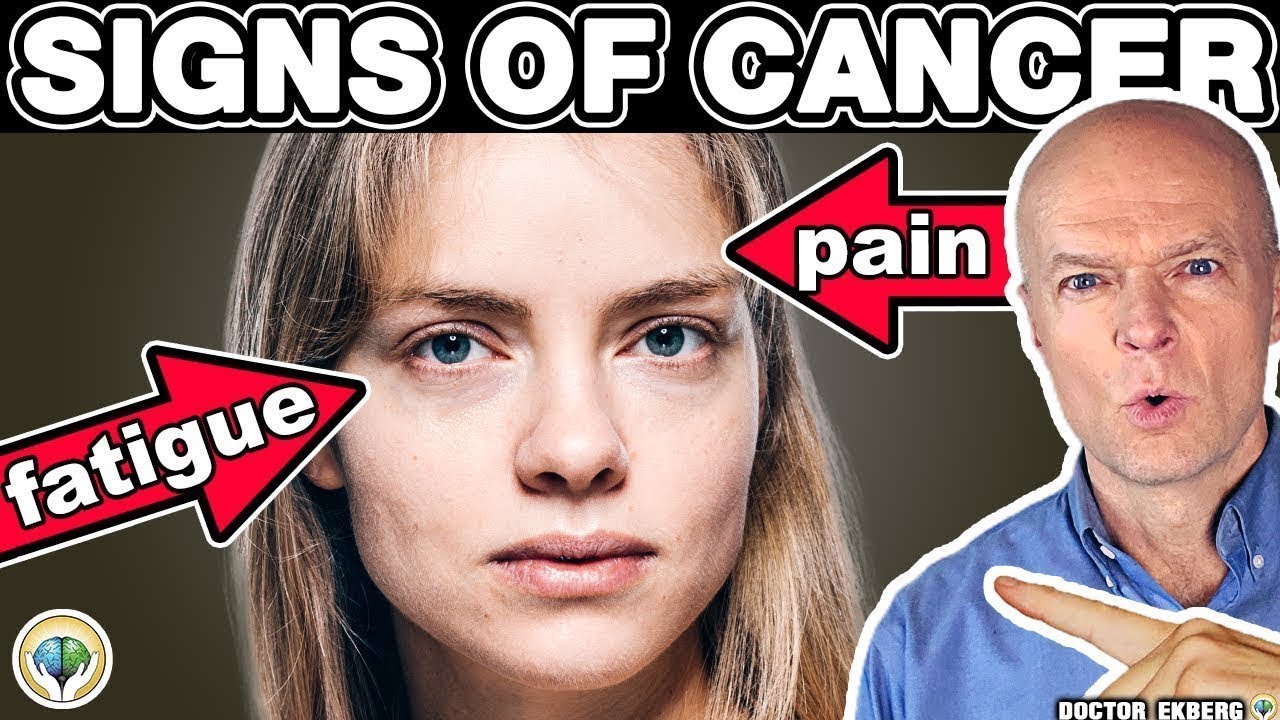
a bitten apple specifically this image shows the narrowing of the intestinal Lumen due to the tumor as a result feces have difficulty passing through this narrowed section and the tumor can also cause bleeding unlike the hidden bleeding in earlier stages the blood here is often bright red and visible the stool may also appear darker due to the presence of blood similar to right-sided colon cancer other symptoms indicative of more advanced cancer include abdominal pain from obstruction-induced gas buildup abdominal swelling weight loss fatigue and chronic tiredness symptoms could also manifest in internal organs such as liver
pain from metastasis or shortness of breath if the lungs are affected that's why the next information on how to detect this condition early and most importantly how to prevent it naturally is crucial what are intestinal polyps these are generally benign small tumors that hang like appendages from the wall of our intestine and are typically asymptomatic the most effective way to detect them is through a colonoscopy this procedure allows us not only to visualize the polyp but also to remove it and send it for lab analysis to determine if it's benign or malignant however there's a
catch a small percentage of these benign polyps can transform into cancer over time this is where we get to the core message of this video what factors influence this transformation as mentioned at the beginning It's a combination of our genetic makeup and our lifestyle habits contrary to previous beliefs our genes are not set in stone the best way to prevent intestinal cancer current research suggests that our dietary choices from the selection of food at the supermarket to its preparation play a critical role in our health a balanced diet along with other healthy lifestyle habits can
actually influence gene expression specifically genes associated with chronic inflammation dementia obesity heart attacks and cancer can become less active when we make healthier choices on the other hand poor dietary choices and unhealthy habits can accelerate the activity of these same genes in simple terms this could speed up the growth of a polyp and its eventual transformation into a tumor over time risk factors for colon cancer what accelerates the transformation of a polyp into cancer [Music] several factors contribute to this such as Ultra processed foods excessive red meats especially those more processed like sausages salami ham
bad fats excessive vegetable oils except olive oil and a few others sugar excessive sodium these products are the combination of them mainly when they come from Ultra processed foods are like adding fuel to the fire for tumor growth Ultra processed foods have been officially declared as carcinogenic for some time now other contributing factors include constipation poor or inadequate intestinal flora microbiota and chronic inflammation furthermore habits like alcohol consumption and smoking are also known to be carcinogenic [Music] foods and habits to prevent colon cancer to reduce the risk of colon cancer it is advisable to maintain
a diet rich in anti-inflammatory and antioxidant Foods this includes fruits and vegetables in various colors consumed daily spices like turmeric also offer excellent anti-inflammatory and antioxidant benefits healthy fats such as Omega-3s found in fish like salmon tuna sardines and anchovies or in planty sources like Chia flaxseed and sesame are also recommended avocados and eggs from free-range chickens are other good sources of healthy fats addressing constipation is another way to reduce cancer risk consuming enough water and fiber can help in this regard while also improving intestinal Flora other healthy lifestyle choices that are often overlooked include
sleeping well exercising and increasing social connections all of which have antioxidant and anti-inflammatory effects foods like nuts and seeds including pumpkin seeds are also beneficial for intestinal health now let's talk about diverticula and diverticulitis you may wonder if you can consume seeds nuts and the hard outer Coatings of some seeds and nuts if you have these conditions the answer is yes contrary to popular belief a comprehensive study involving more than 47 thousand patients found that consuming these foods does not increase the risk of diverticulitis or its complications such as bleeding as a result it is
no longer recommended for patients with diverticulitis to avoid these Foods on the contrary such foods can improve the intestinal floor and function and may even help prevent colon cancer however each case should be individually evaluated so if you have any intestinal issues consult your doctor [Music] colonoscopy what is it and who should get one a colonoscopy is a medical procedure designed for the early detection of colon cancer during this procedure a long tube equipped with a camera at its tip is inserted into the intestine through the anal region the camera navigates the entire length of
the intestine searching for abnormalities such as polyps tumors or lesions if a polyp is discovered it's removed and sent to a laboratory for analysis to determine if it's benign or malignant for the patient's Comfort the procedure is performed under sedation or mild anesthesia so most patients don't experience any pain and often don't even remember the procedure it is generally recommended for all individuals to start undergoing colonoscopies at age 45 or 50. however if you have a family history of cancer you might need to begin screenings earlier the frequency of subsequent procedures is usually every 10
years unless your doctor advises otherwise while the procedure is considered safe there are some risks such as bleeding or injury to the intestinal wall however these risks are minimal occurring in only one or two out of every thousand procedures we hope you found this video helpful if you have something to add please share it with us in the comments section give this video a thumbs up and share the link with your family and best friends so they also will know the critical colon cancer symptoms that cannot be ignored if you're new to our Channel don't
forget to subscribe to support our growth and hit the notification Bell so you don't miss out on our next video to learn more about preventing and safeguarding yourself against cancer watch this additional video discussing 10 hidden signs of cancer that you should not ignore particularly if you're a woman feel free to tap on this video on your screen right now thank you for watching bye foreign [Music]