i remember it like it was yesterday holed up in the basement on a freezing chicago afternoon looking for something to warm myself up i stumbled on keen yellow man for the first time [Music] what is this glorious music with this hypnotic backbeat and wicked monotone vocals but then as i became engrossed in a playlist of this music called dancehall the strangest thing happened i heard another song with the exact same beat and then another one [Music] and it didn't stop there even when i heard a song with a different backing track there would soon be
another one with the exact same beat frankly i was too cold and enjoying the music too much to care but as i listened to more and more dancehall i got curious is this some grand copyright conspiracy that i've just unveiled or is there something more to dancehall than meets the eye obviously it's the latter and i'm a little embarrassed to admit it because dance hall is huge especially in jamaica the west indies in cities like new york london and toronto it's also just a sweeping culture full of distinct fashion inside jokes and unique words like
pass the coochie ranking wrap up a draw it developed on a totally different trajectory from american rock or pop music and has quirks that many of us or at least me find difficult to understand so yes with the caveat that i'm a total newbie who just discovered this stuff some months ago here is an introduction to dancehall the smooth weird and wild music from jamaica that has some explaining to do so first off what exactly is dancehall this is where the sound systems play and djs think talk on records in the 1960s a newly independent
jamaica had an explosion of popular music beginning with scott then rocksteady then reagan although many of the country's poorest residents could not afford record players those who did own one would set up their gear outside so their neighbors could come by to hang out listen and dance [Music] eventually some wise folks realized they could sell beer or snacks and invest the money into bigger and better sound systems and thus dance halls blossomed becoming an informally formal part of jamaica's inner city culture the people who ran the sound systems were called selectors and in addition to
choosing which songs to play they would have to keep the crowd energized by toasting this included talking to the audience between songs or adding some hoots and howlers to the songs themselves eventually some audiences grew to enjoy toasting more than the actual vocals and in 1970 the dj uroy had a hit single made up entirely of toasting called wake the town do it baby do it you can wake it up even you can wake it up in a sense this is the first song ever of dance hall as a genre of music one person who
enjoyed going to dance halls around this time was cool herc who lived in kingston until he moved to new york city in the late 60s in the following years he would introduce the bronx to dance parties and toasting developing the techniques on the mic and on the turntable that would soon become hip-hop i'll park right there with a break boom i had to come up with bomb barack [Music] but that's a whole other story back in jamaica a new decade was dawning but while the 60s had brought a lot of optimism the 70s would be
considerably bleaker economic stagnation cold war and political violence would be the order of the day at one point rival political parties were shooting each other in the streets leading to an assassination attempt on bob marley in an awkward attempt to heal the country through song it's a fascinating story which i'll cover in another video but needless to say these circumstances made life difficult for jamaicans and especially those in kingston's poorest neighborhoods many of dancehall's biggest stars would come from rough backgrounds sugar my not grew up in the maxfield avenue district a neighborhood that while considered
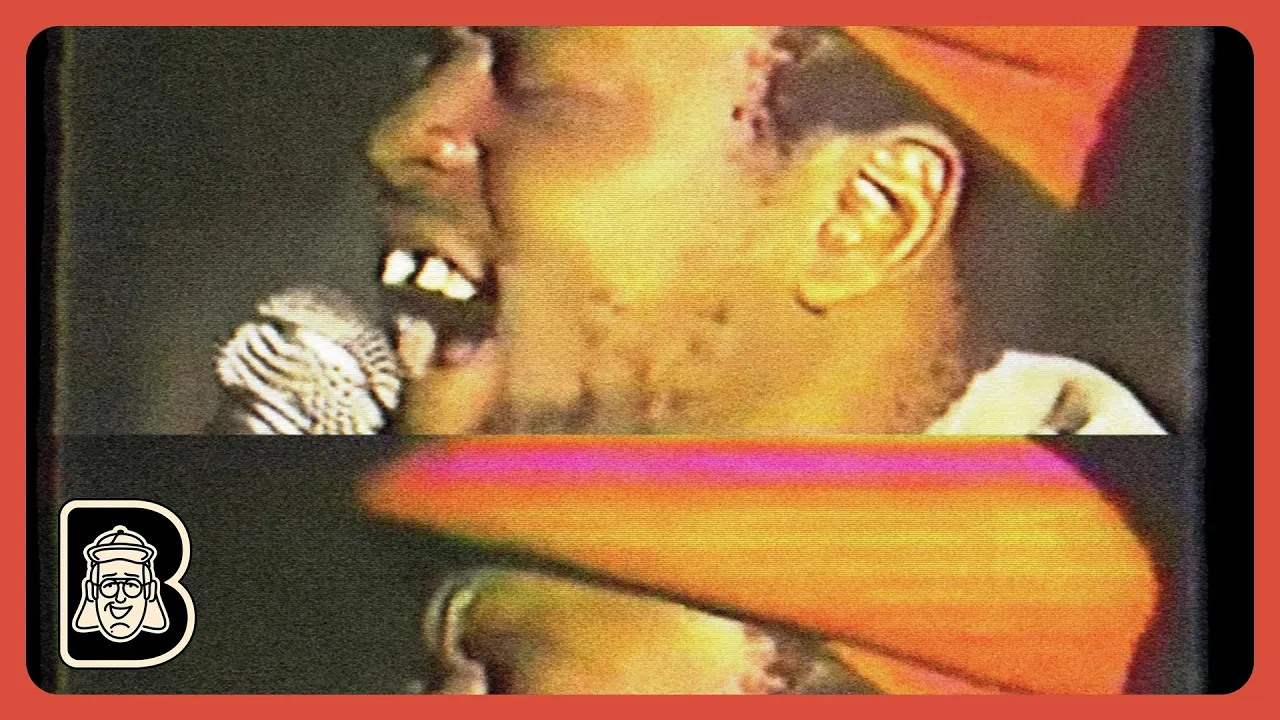
a ghetto was not the worst in kingston though his family could not afford a tv he was lucky to live in a neighborhood with three major sound systems he just had to find a way to sneak through the fence since miners were not supposed to get in [Music] sugar might not had a successful career in reggae before pioneering the edgier sound that would define dancehall in the 1980s yellow man grew up in the same neighborhood at the maxfield children's home an orphanage he was abandoned by his parents for unknown reasons but likely due to some
combination of poverty and his albinism which was stigmatized in jamaica his early years were incredibly difficult being ostracized by the other kids a silver lining came when he moved to the alpha boys school a home for wayward kids that had a strong music program by the early 1980s yellowman was a huge success and one of the first dance hall seniors to sign with a major american record label sister nancy grew up one of 15 kids in a two-room house on the outskirts of kingston we're like christian-manning people rastafarians and god-fearing she was mesmerized one night
seeing her older brother take a mic at a dance hall down the street at age 15 she decided to finally try it herself much at the disapproval of her father a pastor in order to get opportunities at the mic she would have to sneak out of the house and win over a crowd skeptical about a female dj [Music] as popular as dance hall was it was reviled by kingston's more upstanding citizens it was seen as crude and dangerous a culture that promoted drug use sex and violence but for those working class kids who couldn't afford
instruments let alone music lessons to perform in the city's upscale theaters dancehall offered more attainable goals they could aspire to become seniors djs selectors or sound system operators or they could become an engineer the person who created the backing tracks for others to sing or toast over starting in the late 60s jamaican record labels would put instrumental versions on the b side of a single always trying to outdo one another sound system operators like king tubby began to process these tracks with reverb and delay making them sound bigger and wilder at their concerts these edited
tracks became known as a dub yet another genre to be born as a byproduct of dancehall and yes this is the same dub that would eventually lead to dubstep one important thing to understand about sound systems is that they weren't just a collection of gear and technicians they became famous in their own right they operated more like record labels with names like gemini or volcano and they worked often exclusively with a handful of seniors and djs people would often go out to see a sound system more so than the djs that were attached to it
and one way sound systems could outdo one another was by paying for dub plates custom dubs that were only printed once on a single acetate record so if the beat was a hit the audience could only hear it by attending one of their shows of course other sound systems could attempt to recreate it and have their own singers write melodies and lyrics over it and sure enough that's exactly what they did over time a number of instrumental tracks would get so popular they'd become standards when you dive into dance hall you come across the word
rhythm that's r-i-d-d-i-m these are popular instrumental dubs that take on a life of their own beyond whatever hit first spawned them and there may be dozens if not hundreds of songs using that same rhythm [Music] for example the songs that let off this video all use the mad mad rhythm based off this song by alton ellis [Music] and according to rhythmguide.com there's over 200 songs that use it [Music] another one you heard is the full-up rhythm based off this song by jackie mateau and sound dimension [Music] again over 200 sons have been released using this
riddle [Music] in the early 80s almost all dancehall rhythms were based off instrumental rocksteady and reggae tracks recorded back in the 60s and this is a big part of what drew me into the genre like old school hip-hop they have a warm nostalgic sound beefed up with just the right amount of reverb and tape saturation that would all change however in 1985 when the first digital rhythm debuted at a sound clash between the king jamie and gemini sound system the slain tang rhythm which was composed with the casio keyboard was an immediate again you'll find
countless more songs using this backing track including [Music] another interesting tidbit here the baseline which came pre-loaded on the casio was allegedly inspired by hang on to yourself by david bowie [Music] so file dancehall under another genre david bowie may have helped indians [Music] one unfortunate side effect to dancehall's open use of rhythms is that the original creator rarely gets compensation singers would not always get royalties even when their song was a hit everybody wanted to hear their voice on the radio so if a producer approach or we do them free they don't pay you
after 32 years i did the sound they didn't give me the money for 32 years this has changed somewhat over the years as jamaica strengthened its copyright laws in 1993 and more artists today are able to release music internationally in countries where it's easier to win copyright disputes dancehall has continued to evolve with the new styles and technology of each decade the 90s saw stars like chava ranks [Music] tragically many dancehall stars of the 80s fell victim to the epidemics of violence and drug use that swept through the country however those fortunate enough to make
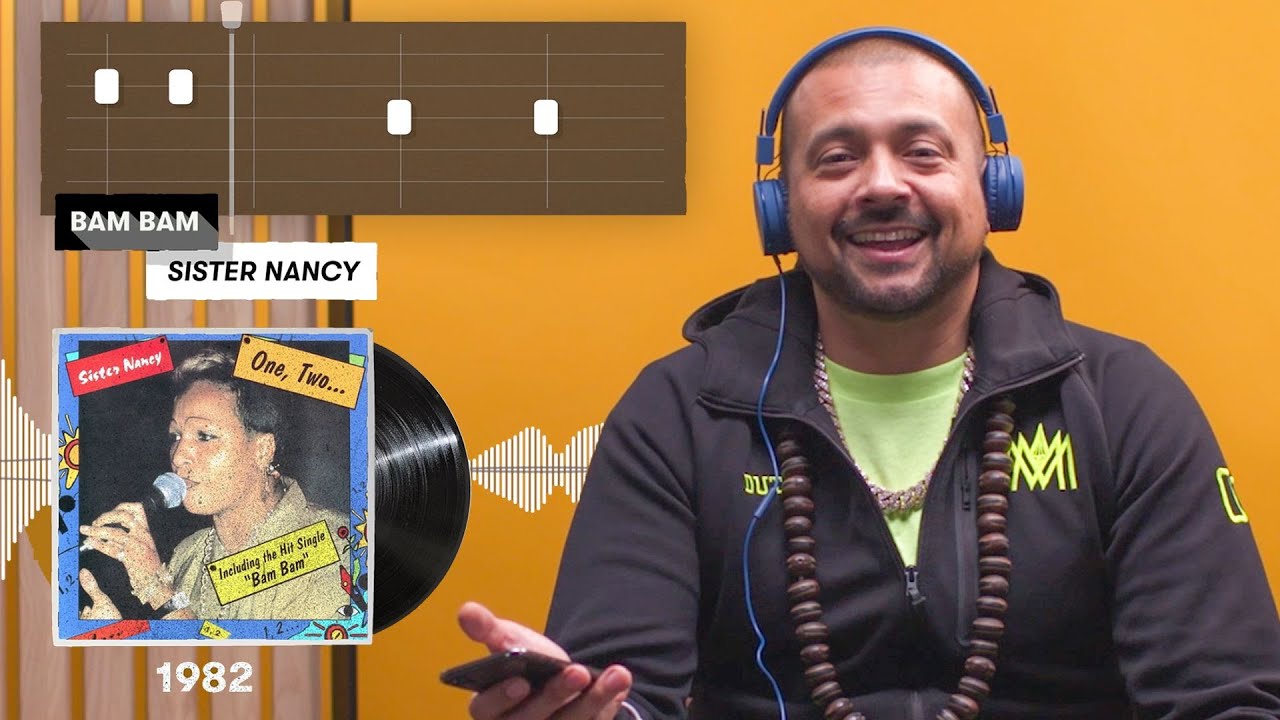
it through have continued writing and performing sugar my knot was active for many years including interestingly enough a spot on the 2006 radio threat compilation [Music] he died of undisclosed health reasons in 2010 sister nancy relocated to new jersey where she left the music industry for many years taking care of her family and working as an accountant in 2016 however she returned to music due in part to renewed interest after she was sampled by kanye west [Music] [Music] hardships has never stopped performing despite at the peak of his career being told he only had six
months to live being albino in a climate as sunny as jamaica and being without access to proper care for most of his life yellowman was particularly at risk for skin cancer after developing it in the late 80s and having it spread to his jaw yellow man required surgery that left his face disfigured this however has done little to prevent him from touring and being one of the most popular dance hall acts in the world today [Music] that wraps up this brief intro to the world of dancehall since there's probably a lot more amazing songs that
i unfortunately wasn't able to include be sure to drop your favorites in the comments below thanks