For decades, the common wisdom has promoted walking as the ultimate elixir for maintaining youthfulness and vitality. It's been heralded as a simple, accessible exercise that keeps the body in shape, supports cardiovascular health, and even uplifts the spirit. While no doubt walking offers a wide array of health benefits, this narrative often fails to consider the nuanced needs of our bodies as we age, particularly after reaching 70.
During this phase of life, our physical capacities naturally begin to decline, and it becomes essential to adjust our approach to exercise. Rather than focusing solely on the quantity of steps taken each day, the emphasis should shift toward the quality of movement, the overall well-being of the individual, and the careful management of physical resources. Before we begin, I would appreciate it if you liked this video.
You can help me continue to spread the old age lesson. If you haven't subscribed yet, I recommend you subscribe and turn on the bell so you don’t miss any videos. If you like this video, please comment "number one"; if you don’t like it, comment "number zero" to let me know so I can make a better video for you.
Now, let’s get started on why walking less might be more beneficial in later years. While walking is indeed a valuable form of exercise, excessive walking can sometimes do more harm than good for older adults. As the body ages, joints become more susceptible to wear and tear, making them prone to conditions like arthritis.
The repetitive impact of walking long distances, especially on hard surfaces, can aggravate these conditions, leading to pain and discomfort. Furthermore, as balance and reflexes diminish with age, the risk of falls—a serious concern for the elderly—can increase when walking longer distances. It's important to recognize that at this stage of life, energy conservation and the thoughtful allocation of physical effort become crucial.
Rather than spending extensive time walking alone, older adults may benefit from engaging in activities that offer higher returns on energy expenditure. These alternatives can not only help maintain physical fitness but also enhance the quality of life by targeting specific areas that walking might not address as effectively. Such activities can improve strength, flexibility, balance, and mental well-being, all of which are vital for maintaining independence and overall health in the years to come.
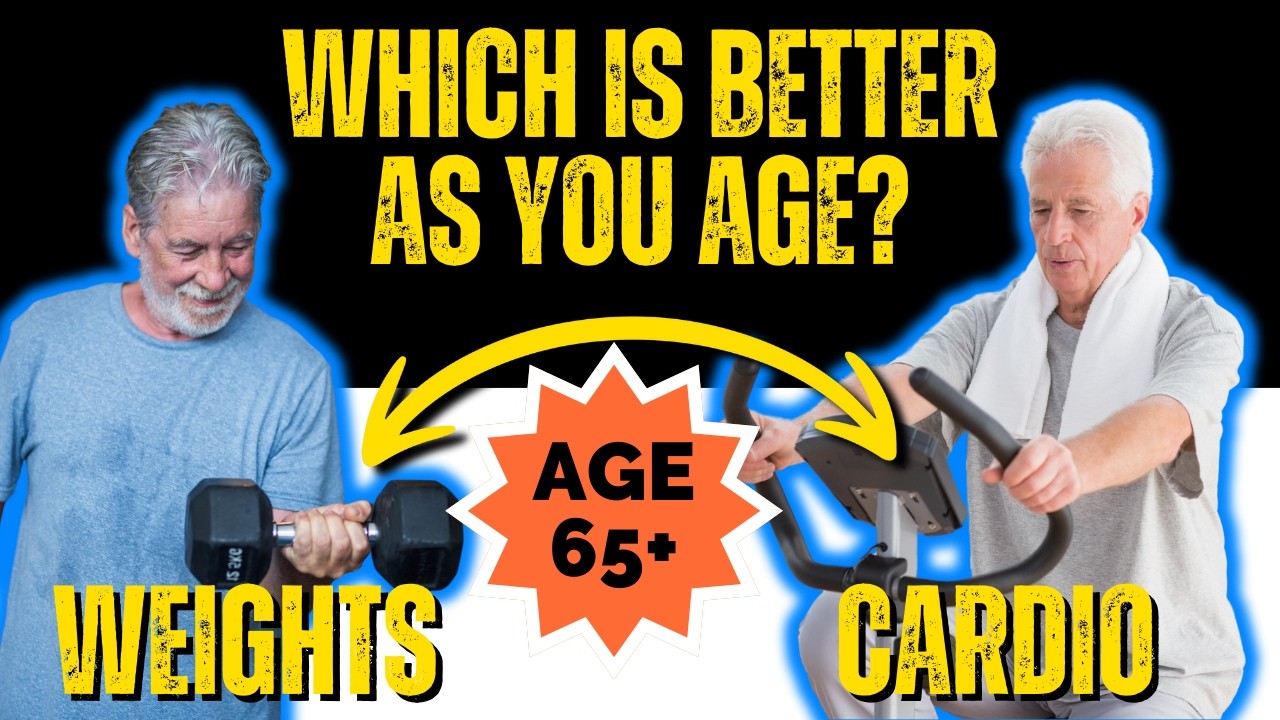
1. **Strength Training**: Engaging in strength training is essential for preserving and building muscle mass, which plays a pivotal role in maintaining overall health and independence, especially as we age. Strong muscles are key to preventing falls, which can be a significant concern in later years, and they also contribute to boosting metabolism, helping to manage weight more effectively.
Additionally, strength training supports bone density, reducing the risk of fractures, and promotes better posture and balance, both of which are vital for everyday mobility and safety. Starting a strength training regimen doesn't require heavy weights or intense workouts; it's important to begin with light resistance exercises that are easy to manage. For example, you might start with resistance bands or water dumbbells, which offer gentle resistance while minimizing the risk of injury.
These tools allow you to perform a variety of exercises that target different muscle groups, ensuring a well-rounded approach to strength building. As your strength gradually improves, you can slowly increase the weight or resistance used in your exercises. This progressive overload is key to continued muscle growth and the ongoing benefits that strength training provides.
Over time, you’ll notice not only an increase in muscle mass but also improvements in other areas of your health and well-being. The benefits of regular strength training extend far beyond just physical strength. Improved balance reduces the likelihood of falls, while stronger bones protect against osteoporosis and fractures.
Increased energy levels are another significant advantage, allowing you to engage more actively in daily activities and enjoy a higher quality of life. Moreover, the sense of accomplishment that comes from seeing your strength improve can greatly enhance self-esteem, leading to better mental health and a more positive outlook on life. Ultimately, incorporating strength training into your routine is a powerful way to support your independence and overall health as you age, helping you to stay active, confident, and capable in all aspects of life.
2. **Balance Exercises**: Balance exercises are crucial for maintaining stability, preventing falls, and ensuring long-term mobility, especially as we age. These exercises focus on strengthening the muscles and improving the coordination needed to keep us steady on our feet.
One simple way to start is by practicing standing on one leg. Begin by holding onto a sturdy chair or the edge of a countertop for support. As you build confidence and strength, try lifting one foot off the ground for a few seconds at a time.
Gradually increase the duration, and when you're ready, challenge yourself by removing the support or closing your eyes to enhance your balance further. Once you're comfortable with basic exercises, you can progress to more advanced balance training like Tai Chi or yoga. Tai Chi, an ancient Chinese martial art, involves slow, deliberate movements that not only improve balance but also promote relaxation and mental focus.
Yoga, with its various poses and stretches, helps to enhance flexibility, coordination, and body awareness, contributing to better overall balance. The benefits of regular balance exercises extend far beyond just preventing falls. Improved balance can lead to better posture, increased confidence in daily activities, and a greater sense of independence.
Additionally, these exercises can enhance your body awareness, making you more attuned to how you move and how your body feels, which is particularly important in avoiding injuries. By incorporating balance exercises into your routine, you are investing in your long-term health and mobility, ensuring that you can continue to move freely and safely as you age. If you are still watching this video and finding these lessons useful, please comment “number one” below to let me know that you are still watching this.
Video with me; thank you for your valuable time. Three: Flexibility in Range of Motion Exercises Maintaining flexibility in range of motion is crucial for overall physical health, particularly as we age. Flexibility exercises help keep the muscles supple, prevent stiffness, and ensure that the joints remain mobile, allowing for ease of movement in daily activities.
Over time, without regular stretching, our muscles can become tight, leading to reduced mobility, poor posture, and an increased risk of injuries. Engaging in flexibility exercises such as gentle stretches is an excellent way to combat this. Simple movements like reaching for the sky with your arms, bending sideways to stretch the torso, or slowly bending down to touch your toes can be easily incorporated into your daily routine.
These exercises do not require any special equipment and can be performed almost anywhere, making them accessible to everyone. The benefits of regular stretching are profound. By increasing the length and elasticity of muscles and tendons, you enhance your overall mobility, allowing you to move more freely and with greater ease.
This can significantly reduce the risk of injuries caused by sudden or awkward movements. Additionally, flexibility exercises can help alleviate pain, especially in areas prone to tension, such as the back, neck, and shoulders. Improved posture is another key benefit; as flexibility increases, muscles are better able to support the skeletal structure, helping to maintain a natural and healthy posture.
This not only reduces the risk of developing postural problems but also contributes to a more confident and upright appearance. Moreover, stretching exercises promote relaxation and stress relief. The act of stretching encourages the release of tension from the muscles, which can soothe the body and mind.
This relaxation effect can be particularly beneficial when incorporated into a morning routine, helping to start the day with a sense of calm, or as part of an evening wind-down routine to promote better sleep. Incorporating flexibility and range of motion exercises into your daily routine is a simple yet effective way to enhance your overall well-being. Whether you're looking to improve your physical health, relieve pain, or simply enjoy a few moments of relaxation, these exercises offer a wealth of benefits that can contribute to a healthier, more active lifestyle.
Four: Mindful Movement Engaging in activities that emphasize the mind-body connection is a powerful way to reduce stress, elevate mood, and enhance overall well-being. These practices, such as tai chi, yoga, or qigong, not only promote physical fitness but also cultivate a sense of inner peace and mental clarity. By focusing on the breath and mindful movement, individuals can achieve a state of deep relaxation, which can significantly lower cortisol levels, the body's primary stress hormone.
This stress reduction can lead to improved sleep quality, allowing the body to rest and rejuvenate more effectively. Furthermore, regular participation in these activities enhances concentration and mental focus, making it easier to navigate daily challenges with a clear and calm mind. Additionally, these practices foster emotional regulation, enabling individuals to respond to life's ups and downs with greater resilience and composure.
Tai chi, often described as meditation in motion, involves slow, deliberate movements and deep breathing, helping to harmonize the mind and body. Yoga, with its various poses and breathing techniques, offers a holistic approach to health, improving flexibility, strength, and mental tranquility. Qigong, an ancient Chinese practice, combines gentle physical movements, breath control, and meditation, promoting the free flow of energy (Qi) throughout the body, which is believed to enhance vitality and prevent illness.
Incorporating any of these mindful movement practices into your routine can lead to a more balanced, peaceful, and fulfilling life. As you deepen your practice, you may find that not only does your physical health improve, but your emotional and spiritual well-being flourishes as well. Whether you are looking to alleviate stress, improve your sleep, enhance your focus, or simply find a greater sense of inner peace, mindful movement offers a path to achieving these goals and more.
Five: Aquatic Exercise Aquatic exercise is an in-depth exploration of a variety of water-based activities that harness the unique properties of water to deliver a low-impact yet highly effective workout. Whether you're engaging in water walking, participating in water aerobics, or swimming, these exercises offer a multitude of health benefits that can be experienced at your local community pool or specialized aquatic center. 1.
Low Impact Nature: Aquatic exercise is renowned for its low-impact benefits. The buoyancy provided by water supports the body, significantly reducing the stress placed on joints and muscles compared to traditional land-based exercises. This makes it an ideal choice for individuals with joint issues, arthritis, or those recovering from injuries.
The water's resistance creates a safe environment that minimizes the risk of injury while allowing for effective muscle strengthening and cardiovascular conditioning. 2. Cardiovascular Health Enhancement: Engaging in water-based activities is highly effective for improving cardiovascular health.
Swimming, water walking, and water aerobics all elevate the heart rate, leading to enhanced cardiovascular endurance. The resistance of water forces the heart to pump more efficiently, improving circulation and overall heart function. Regular participation in these activities can lead to lower blood pressure, improved cholesterol levels, and a reduced risk of cardiovascular diseases.
3. Increased Flexibility in Range of Motion: The unique properties of water help increase flexibility and range of motion. The resistance offered by water allows for gentle stretching and strengthening of muscles.
Water aerobics, in particular, incorporates various stretching and flexibility exercises that enhance joint mobility and muscle elasticity. This is especially beneficial for older adults or those with stiffness, as the water's support makes stretching and movement more accessible and comfortable. 4.
Reduction in Joint Pain: For many individuals, joint pain can be a significant barrier to regular exercise. Aquatic exercise helps alleviate joint discomfort through the buoyant properties of water, which cushions the body and reduces the impact on joints. This makes it possible to perform exercises that.
. . Might otherwise be too painful on land, the gentle resistance also aids in strengthening the muscles surrounding the joints, which can contribute to long-term pain relief and improved joint function.
Five: Mood enhancement and mental health benefits. The mental health benefits of aquatic exercise are substantial. The calming effect of water, combined with physical activity, can lead to a reduction in stress and anxiety.
Many people find that exercising in water helps them feel more relaxed and uplifted. The soothing nature of water can enhance overall mood, provide a sense of well-being, and contribute to better sleep quality. Regular aquatic exercise can also help combat symptoms of depression and anxiety, providing a holistic approach to mental health.
Six: Versatility and accessibility. Aquatic exercise offers a diverse range of activities suited to various fitness levels and preferences. Water walking is a straightforward exercise that helps improve cardiovascular health and leg strength.
Water aerobics classes provide a structured environment where participants can engage in exercises designed to tone and strengthen specific muscle groups. Swimming offers a full-body workout that improves endurance, strength, and flexibility. These activities can be adjusted to match individual fitness levels, making aquatic exercise accessible to a wide range of people.
In summary, aquatic exercise provides numerous benefits, including improved cardiovascular health, increased flexibility, reduced joint pain, and enhanced mood. The low-impact nature of water-based activities makes them suitable for individuals of all ages and fitness levels, offering a versatile and effective way to maintain and improve overall health and well-being. If you are still watching this video and finding these lessons useful, please comment "number two" below to let me know that you are still watching this video with me.
Thank you for your valuable time. Key considerations for starting an exercise program: Before embarking on a new exercise program, it is crucial to consult with your healthcare provider. This consultation helps ensure that the activities you choose are appropriate for your specific health conditions and personal needs.
Your healthcare provider can offer guidance on which exercises are safe and beneficial for you, taking into account any existing medical issues or limitations. As you begin your exercise routine, it's important to remain attentive to your body's signals. If you experience any pain or discomfort, it is essential to stop the activity and allow yourself adequate rest.
Ignoring pain can lead to injuries or exacerbate existing conditions, so listening to your body is key to maintaining long-term health and fitness. Choosing activities that you genuinely enjoy can significantly boost your motivation and adherence to your exercise routine. When you find pleasure in the activities you perform, you are more likely to stick with them and make exercise a regular part of your life.
This enjoyment can also contribute to a more positive attitude toward physical fitness. Incorporating a variety of exercises into your routine can help prevent boredom and keep you engaged. By targeting different muscle groups and incorporating various types of physical activity, such as aerobic exercises, strength training, and flexibility work, you can maintain a balanced and effective workout regimen.
This variety also helps address different aspects of physical fitness and keeps your routine interesting and dynamic. Additionally, it is important to wear appropriate footwear and clothing for your chosen activities. Proper attire can help prevent injuries and ensure that you are comfortable while exercising.
The right shoes provide support and cushioning, while suitable clothing allows for ease of movement and proper ventilation. Creating a safe exercise environment is also a key consideration. Ensure that your workout area is free from hazards that could cause accidents or injuries.
A well-maintained and safe environment contributes to a more enjoyable and effective exercise experience. Focusing on aspects such as strength, balance, flexibility, mindful movement, and aquatic exercises can enhance your ability to enjoy a fulfilling and active lifestyle well into your 70s and beyond. Quality of movement and its overall impact on your well-being is more important than the sheer quantity of exercise.
By prioritizing these factors, you can achieve a balanced approach to fitness that supports your health and vitality as you age. We hope this video has provided valuable insights into the importance of quality movement and alternative exercises after 70. What have you learned so far?
We'd love to hear from you! Please comment below with one thing you've learned and plan to bring into practice in your life. If you enjoyed this video, please leave your comment below, and don't forget to like, share, and subscribe to our YouTube channel.
Your support helps us bring more content to inspire and guide you on your journey to well-being.