If you're a CRO or VP of sales running an org doing at least 10 million sales and your win rates are flat while headcount keeps growing, this is for you. We took a brand new region with zero inbound, no brand recognition, 100% cold outbound in a brutal market. And [music] they didn't just hit quota, they finished at over 300% of their number for the year.
Win rate from discovery to close climb from about 20% to 38%. And in a company where new regions usually see a 30 to 50% first year survival rate and up to 50% annual turnover, this team ran roughly 10% turnover with almost every first year hire still in seat. Same company, same product, completely different system.
Hey, I'm Marcus Shen and I've led nine figure sales or with hundreds of reps myself and now I work with CRO and sales VPs to fix the real constraints behind stuck win rates, shaky forecast, and shrinking deal sizes. In today's breakdown, I'll show you exactly how we built a system at three levels so you can map your org against it. So, just a little background on the company.
This is a Utah based company. They had already been really successful with the B TOC offer. They started building a BDB motion in other states had already scaled to over 40 million [snorts] a year.
But this west coast launch was their first operation in that region. Now they had a brand new commercial director who oversaw everything. They had a brand new team of 10 reps and two managers overseeing it.
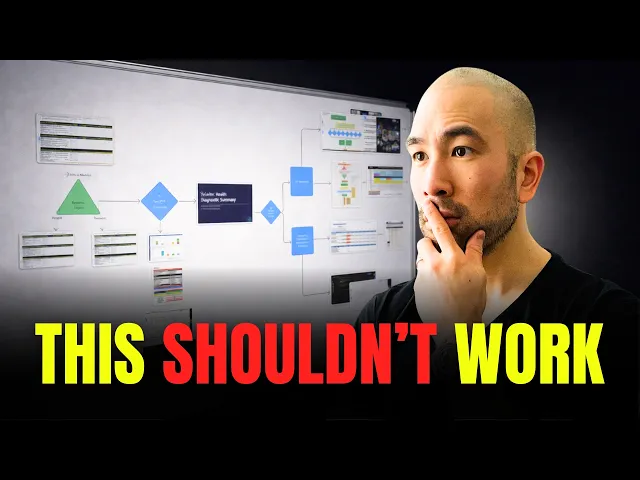
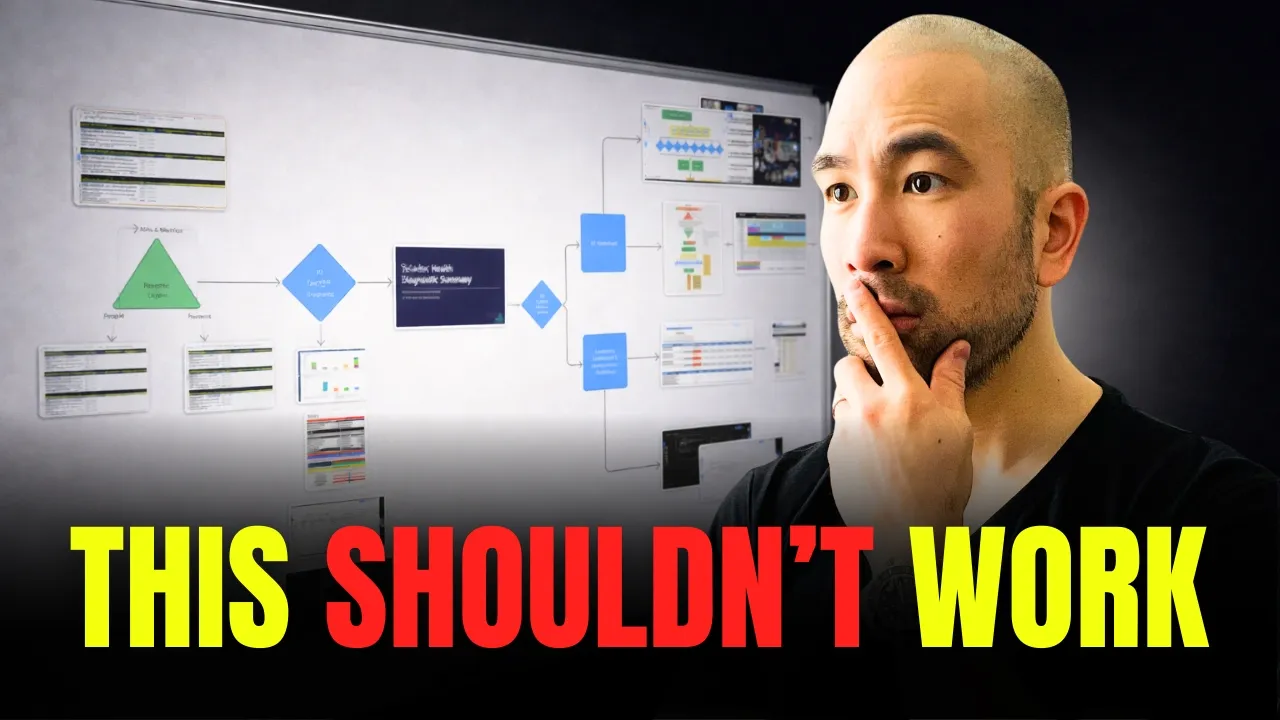
No marketing engine and 100% cold outbound to close. Now before we train on a single thing, we [music] did what we do with every single engagement, a deep diagnostic. We audited 23 core areas across KPIs, people, [music] and process and mapped them into a simple grid so we could see exactly where the system would break when they scaled, not just where it hurt today.
And fast forward 12 months and the region finished over 300% to plan. They actually outperformed legacy regions that had brand referrals and more marketing. Win rate from discovery close claw from 20% to over 38% and first year survival to almost 100% with turnover at about 10%.
And there were no like hero reps carrying this number. This didn't happen because we told people to make more calls. It happened because we built the or right at three core levels.
So here's the mental model I want you to picture. Picture a 3x4 grid [music] like down the left we have three rows. The first row is going to be the foundation which is usually at the exec or VP level.
In our situation here the title was commercial director who oversaw everything. Then we have the next row which is the org execution which is primarily the frontline managers. And then the third row it's a rep execution which are the individual contributors.
And across the top four columns in the first column was what this role must do really well. The second column is what we sell and how we sell. The third is how we run sales and the force is how we coach and raise a bar.
I want you to screenshot that image in your head. I'm going to walk you through what changed at each level. It's the same grid we use if you ever do executive snapshot with us.
So let's start with the foundation. So at the foundation level, our job is to make sure that the the director here wasn't just some sort of like super rep with a fancy big title. So we use a really simple filter that we call scale, which are the core levers for building a system that scales revenue and leadership capacity.
And here's what it stands for. So the S stands for shape the org. That's a territories, roles, and coverage so everyone knows where they hunt.
Then we have C, coach the leaders. That's turning managers into coaches, not the top closer on every deal. Then we have A, which is align the revenue motion.
That's, you know, product, go to market, and enablement all pointing the same types of deals. Then we have L, leverage the data. That's having really clean definitions for stages, forecast, and what good [music] looks like.
Then we have E, enable scale, a leadership operating system that can be copied literally region to region. And concretely here's what it means specifically for what we help them with right so we help them clarify the roles territories and cover for the west coast and B2B motion we help define the ICP and DLD deal profiles then pointing outbound enablement accounts only we set the scoreboard up and data rules up front like what gets reported weekly what clean CRM means and what forecast accuracy is actually acceptable and we also agreed on the leadership operating system for example like which means exist from one ones pipeline reviews call reviews and MBRS also known as monthly business reviews but also what good looks like in each. So once the foundation was set we moved to the most underused leverage point almost every org which is at level two the frontline managers.
Now most managers are just highly paid super refs. We refuse to let that happen here. So we use charge as the acronym and we force it into how they spent their week.
So C is coach for impact which is you know develop skill and confidence in real deals. We install weekly 101 ones with a standard agenda. Every oneonone covered results pipeline my stage live deal strategy calls with simple scorecard.
Uh no more how's it going chats. Coaching means leaving with a sharper rep and a better deal. [music] H is hire for excellence.
So being able to bring in coachable high potential talent. So we helped rewrite the hiring profile around coachability, grit and pattern matching the top performers. Managers use structure interview scorecards and shadow days.
So we stopped hiring lonewolf heroes and start hiring people who could thrive in the system. Then we have a which is aligned on expectations and we set clear expectations across activity and outcomes. We define exactly what a good week looks like from calls, meetings, new ops, state progression and hygiene.
Every rep had written scorecard. There was no mystery standards. If a rep missed, they knew it before the manager brought it up.
Then we have R, which is run the pipeline, which is drive hygiene, qualification, and movement. We built a deal review framework that killed when to close and replace with who are the stakeholders, where are we truly at in the cycle, what's the risk, it was the next concrete move. They enforced rules like no next step, no opportunity, and hard CRM standards.
data is finally usable. Then we have G which is grade performance which is identify gaps early and fix it fast. We rolled out monthly business reviews.
Each rep owned a commit and stretch number and had defend their plan based off real opportunities in CRM. Managers grade skills and results separately so they could distinguish between low skill from low will and act accordingly. Then we have E which is engineer high performance culture which is you know modeling and embedding behavior that wins like weekly sales means start with quick recognition of the right behaviors not just big deals.
We share best practice from real calls kept a visible team scoreboard and had every rep make one public commitment for the week. Managers like from the front on prep followrough and data discipline. This turned managers from firefighters into leaders who multiply performance which is also why retention stayed high instead of burning good people out.
Then we have level three which is really at that rep level and this is the part everyone wants to jump to which is what reps [music] actually did differently. So I want you to remember here in our situation here there was no inbound. So we focused on three things.
Okay the number one the outbound engine. So, we gave reps a really clear ICP and prioritize account list. Exact scripts for cold calls and emails.
How to open, how to pitch value in one to two sentences, how [music] to land a meeting, not sell the whole product, a simple objection handling playbook for the five to seven objects they saw every single day. We also time block prospecting blocks and omni channel cadences. So, outbound wasn't when I feel like it.
So their outbound motion went from spray and prey to disciplined, scripted and measured. Then second, deal execution. We train and reinforce a full deal path.
So training them on specifically on how cold discovery, how to run a cold discovery that earns an executive level next meeting. How to uncover business priority problems, not just feature gaps, how to quantify impact and opportunity costs in the customer's numbers. How to actually multi-thread across buyer groups and sell the power on every serious deal.
How to build and present a clear business case. Both the director and CFO could say yes too. To keeping CRM updated with stakeholders, next steps and dates so managers could actually help.
Reps became trusted advisors and not just transactional order takers. So that's how you move win rates from about 20% from discovery to close to 38% without changing the product. Then the third piece, we made success boring and predictable with the proper routines and IPAs.
So we defined income producing activities from calls, new meetings, and new ops per week for each rep. We built ideal weeks and simple morning after routines to make those IPAs non-negotiables. We use simple trackers so each rep knew exactly where they stood and walked into one was knowing their own numbers.
So instead of panic prospecting at quarter end, they kept over 3x pipe on coverage, moved deals every single week, and didn't burn out. That's a big reason why I first surv when you stack all three levels. Here's what you actually get.
You get a region went from zero to over 300% of their number. [music] A win rate from discovery closed jumping from 20% to over 38%. We took first year survival go from 30 50% uh to almost 100%.
Here we took turnover from around 50% down to roughly 10%. [music] Again, this is the same company, same product, same macro environment. Now, if parts of this feel uncomfortably familiar in your world, some strong quarterers, a few hears, some good managers, but your win rates are stuck, forecasts are off, deals die in the middle, and you still have to be in every big opportunity for it to even close.
You don't need more motivation. You need clarity on where your system is breaking. And that's exactly what we do in our free executive snapshot.
In about 60 minutes, my team and I'll identify the top two to three constraints costing you the most revenue, show you what to fix first if you want higher win rates, bigger deals, and cleaner forecasts. And we only run a limited number of these each month so we can actually go deep. So if it makes sense to work together after that, we can talk about that.
If not, you'll still leave with more clarity than 90% of sales leaders have right now. Either way, you win. There's a link below this to book your executive snapshot.
So, click it, pick a time, and we'll see where your system is completely free. And also see what 300% of your number could look like for your team.