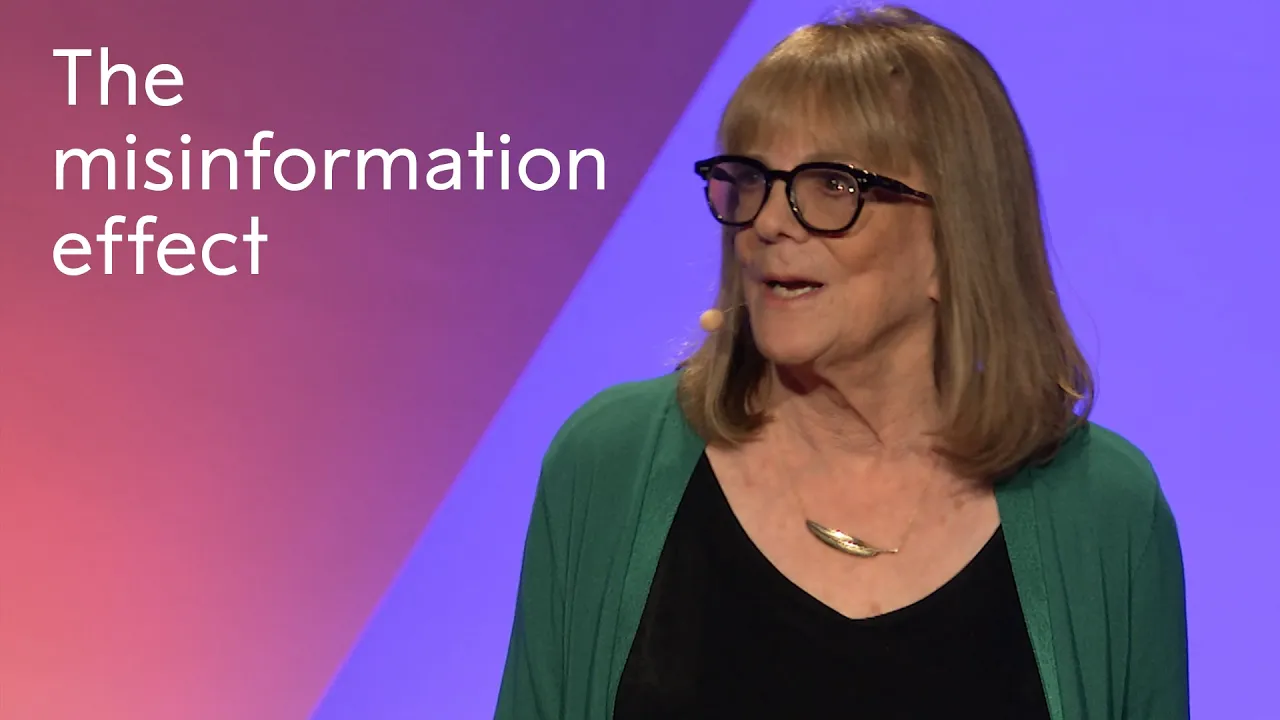
[Applause] thanks and it's a pleasure and an honor to be here to talk to you about some of the work that I've done in the area of memory um because I mean we all know how important memory is without it you wouldn't know how to make the coffee in the morning or find the car keys or take the metro or however you got here also as scientists we make a distinction between a couple of different kinds of memories that are stored in our memory banks so there are semantic memories or you might call them fact
memories like we're in Washington DC right now that's a fact in our memory um or something like Pax lovid is a good treatment for covid or global warming is happening but what I study are personal memories so so things like I knew I was going to have to go backwards things like we just saw some really cool magic trick or uh maybe a month ago or so I saw a crime and I want to tell somebody about it but memory doesn't always work perfectly and so I'm going to ask you do you think I could
make you remember do you think I could make you remember that you were attacked by a vicious animal as a child if it didn't happen to you do you think I could make you remember that as a teenager you committed a crime and it was serious enough that the police actually came to investigate do you think I could make you remember that a week ago you played a game and you cheated in the game and you took money out of the game Bank when you weren't entitled to that money do you think I could make
you remember these things could I pour these ideas into your mind and make you remember these things personally if they didn't happen to you you know I asked that question and a lot of people say no way I mean no way I'd confess to a crime I didn't do no way I'd think I was attacked by an animal if I wasn't but we'll see how you feel in another 10 minutes or so uh because I've been studying memory for more than 50 years now and in the course of that career I've developed a couple of
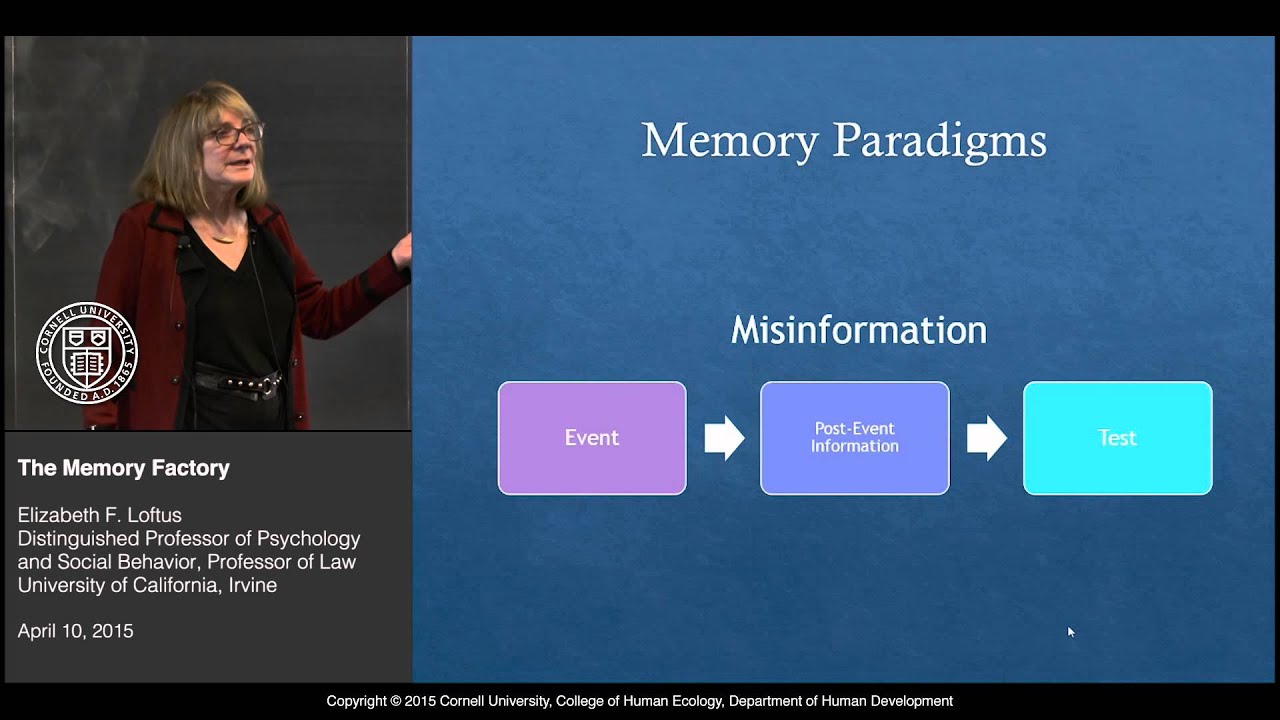
paradigms for examining human memory and one of those paradigms is called the misinformation Paradigm so what happens in these scientific studies is people see some event you know a crime and accident I've been particularly interested in legal events and later on they get some post event information often misleading information about that event and then we'll test people and ask them what they personally remember about their experience and so we've shown lots and lots of people simulated accidents for example I in one of my older studies we showed people an accident where a car goes through
an intersection with a stop sign later on they're going to get some post event misinformation here's the question that planted the misinformation did another car pass that red Dotson while it was at the intersection with the yield sign I want you to appreciate how clever this this question is and I think our magician will appreciate it too you think this is about whether another car passed and you're thinking about that part of the question and well you're thinking about it I slip in the information that it was a yield sign it invades you like a
trojan horse because you don't even detect that it's coming and later on lots and lots of people will tell us they saw a yield sign at the intersection not a stop sign we've done these kinds of misinformation studies with people who experience naturally upsetting events not these staged or simulated events we've planted misinformation in the minds for example of soldiers who are learning what it's going to be like for them when they are if then if and when they are captured as prisoners of war and these horrific experiences that are done for a good reason
can be manipulated with post-event information so now I've treated you to a quick summary of about 50 years of work on something that we call the misinformation effect there's a kind of a cartoon drawing you expose people to misinformation you put them in a misled condition it lowers their memory performance and and why is that important it's important because out there in the real world misinformation is everywhere we get it when we talk to other people we get it when we're interrogated by somebody who maybe has an agenda and even inadvertently suggests things that aren't
true we get it when we pick up newspapers or online news and we're exposed to some misleading information well at some point during this process of studying misinformation I Came Upon an even more extreme kind of memory problem false memory problem it turns out particularly in the 90s people were going into Psychotherapy with one kind of problem maybe anxiety maybe depression and they were coming out of this Psychotherapy with a different problem they had a belief and these memories of having been traumatized as children sometimes in Satanic rituals where they were forced into all kinds
of horrible activities animal sacrifice baby Breeding baby sacrifice the FBI investigated in many many of these claims and never found any kind of corroboration so I wanted to study the process by which people could could develop these what we now call Rich false memories and this old Paradigm that we had developed where we could turn a stop sign into a yield sign I mean it just wasn't going to cut it I needed to develop a new procedure something that's now called the rich Falls memory procedure where there's no event to begin with but we're going
to apply people with suggestions about the past and we'll see what they then remember about their childhood or their more recent past our first study planted a false memory that when you were about five or six years old you were lost in a shopping mall in a particular place with a particular people there that you were frightened and crying ultimately rescued by an elderly person and put back together with your family after we publish these findings other scientists came forward and and we too and planted false memories of things that would be more traumatic or
upsetting if they actually had happened like you nearly drowned and had to be rescued by a lifeguard or you were attacked by a vicious animal or you committed a crime as a teenager and it was serious enough that the police came to investigate all of these things planted in the minds of otherwise healthy ordinary adults how often does this happen a mega analysis that analyzed data from a collection of these studies there were something like 423 subjects who at this point had been subjected to these manipulations and about 30 percent of the time people developed
a false memory and an additional 23 percent of the time they developed a false belief that this had happened to them even though they didn't have that sense of recollection we've shown that these false memories have consequences for people if I plant a false memory in somebody that they got sick eating a particular food as a child they're not so interested in eating that food we did this with hard-boiled eggs we did this with Pickles we did this with strawberry ice cream and we've even put Foods in front of people and if they develop a
false belief or false memory they don't eat as much of these offending Foods kind of a nice dieting technique I I think here but so you may have lots of questions about all this like well is there any way to tell the difference between a true memory and a false one maybe true memories are more emotional than false ones but we found no false memories can be felt with just as much emotion how about the brain if we could do some kind of neuroimaging would the neural signals be different for a true memory and a
false memory we explored this with functional magnetic resonance imaging and the overwhelming finding is the similarity in the neural signals for True memories and false memories do you need this kind of deception this sort of Trojan Horse deception and the answer to that is no we can plant these false memories in all kinds of ways without any deception and our our recent work on push polls I I think illustrates this to some extent you know these push-pulls maybe well first of all you know what polling is because we get annoyed sometimes when the phone rings
and somebody wants to know how we're going to vote um well a push-pull is masquerading as a legitimate technique for gathering information but really what the caller wants is to slip some information into your mind an actual example would it make any difference in terms of how you plan to vote if I told you that John McCain had fathered an illegitimate black child a push-pull that was actually done would it make any difference in terms of your willingness to vote for Obama if I told you he was really lenient on sex offenders well we've now
studied this push polling with my Irish collaborators we gave people information about a politician a female politician background information or education or policies and so on and afterwards we're going to use a push poll and we'll find out whether it affects their willingness to vote for her and their memory about her I mean the push-pull was very simple if I told you that this politician had been accused of cheating on her income tax or we might even make it a little more elaborate and talk about the ways in which she was accused of cheating on
her income tax and what we found is the push poll not only affected the way people said they the likelihood they would be to vote for this person but they also started to remember that she had committed tax fraud so you know this mind technology really raises a whole bunch of ethical questions when should we use this technology if ever and when and how are we going to regulate it so when I look into the future uh well the the short-term future we're now able to doctor photographs and so many of us can that's another
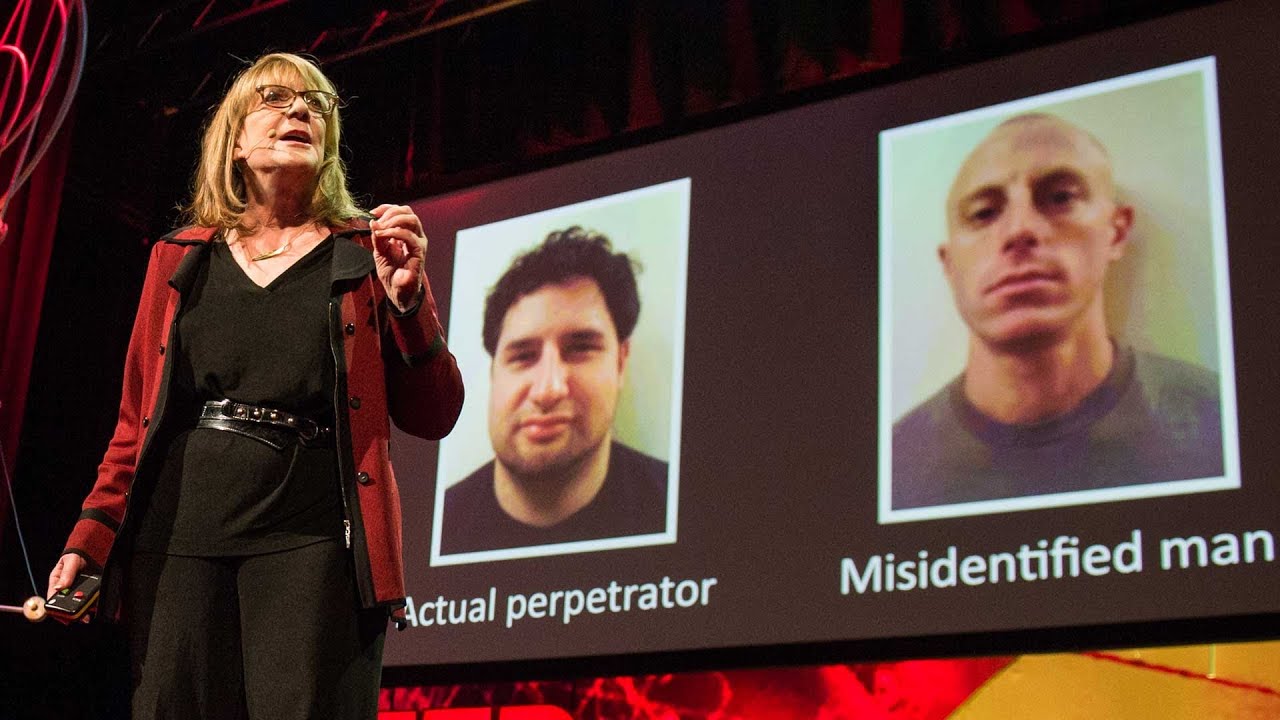
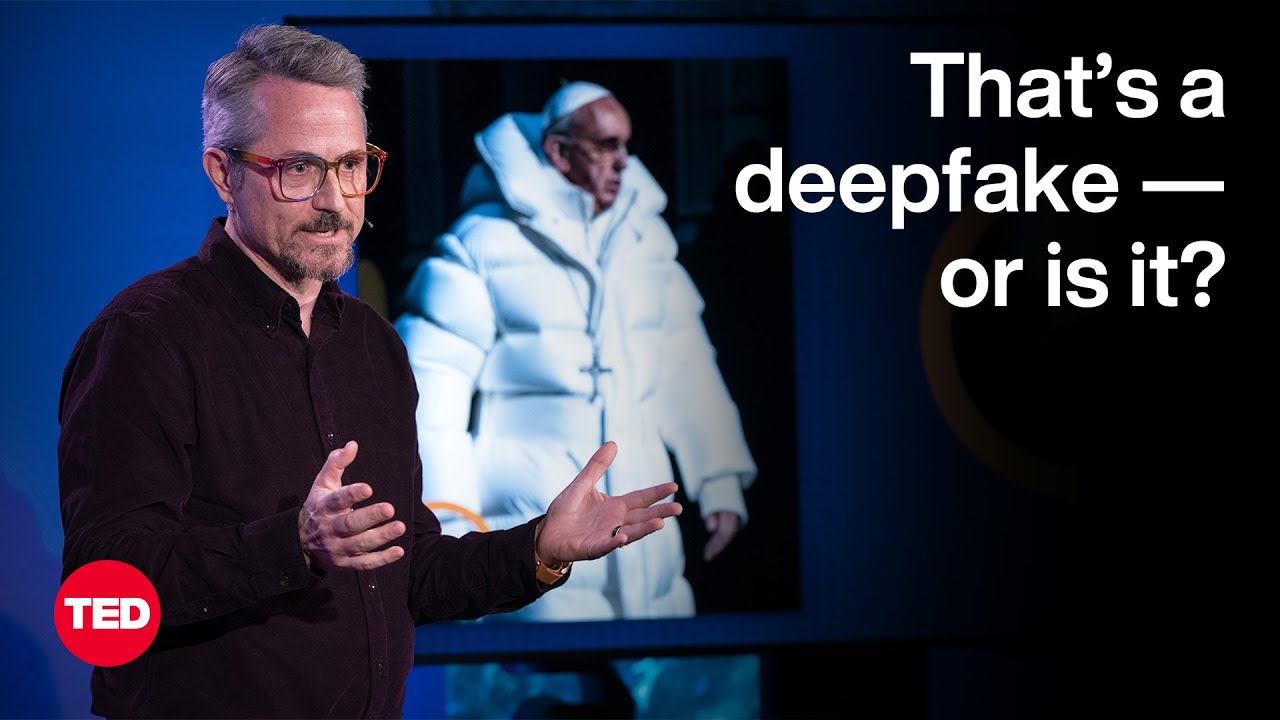
Nifty way to plant false memories just expose people to doctored photographs we've done this a number of times and things are going to get even worse with deep fake technology that is going to get into the hands of so many more people and take us Way Beyond that original example where you could make Barack Obama look like he was saying and doing anything you wanted him to say and do but it was really the speech and activities of of an actor think about with AI the amount of push polling for example that would be possible
so I started here by asking you could I make you remember could I pour these ideas into your mind could I make you remember that you were attacked by a vicious animal if you weren't that you committed a crime as a teenager if you didn't that you cheated in a card game when you didn't I didn't talk about that work some great work coming out of Britain all of these things have been planted in the minds of otherwise healthy happy adults yes so I've got one take-home message if I've learned anything from 50 years of
working on memory and memory Distortion it's this that just because somebody tells you something and they say it with a lot of confidence just because they give you a lot of detail about it just because they cry when they tell you the story it doesn't mean that it really happened you need independent corroboration to know whether you're dealing with an authentic memory or one that's a product of some other process not quite I'm not quite thank you I I was going to end there but um I've got 19 seconds so I'm going to share my
uh favorite quote from Dolly who once said the difference between true memories and false memories is like it's like Jewels uh it's uh the false ones that seem the most real and the most brilliant if I could meet Saul which I I can't because he's died I can't yet anyhow um I I would have to say yeah you know you weren't quite right it's not that the false ones are more brilliant and more real than than the true ones but they are equally real and equally brilliant thank you for your attention thank you hey