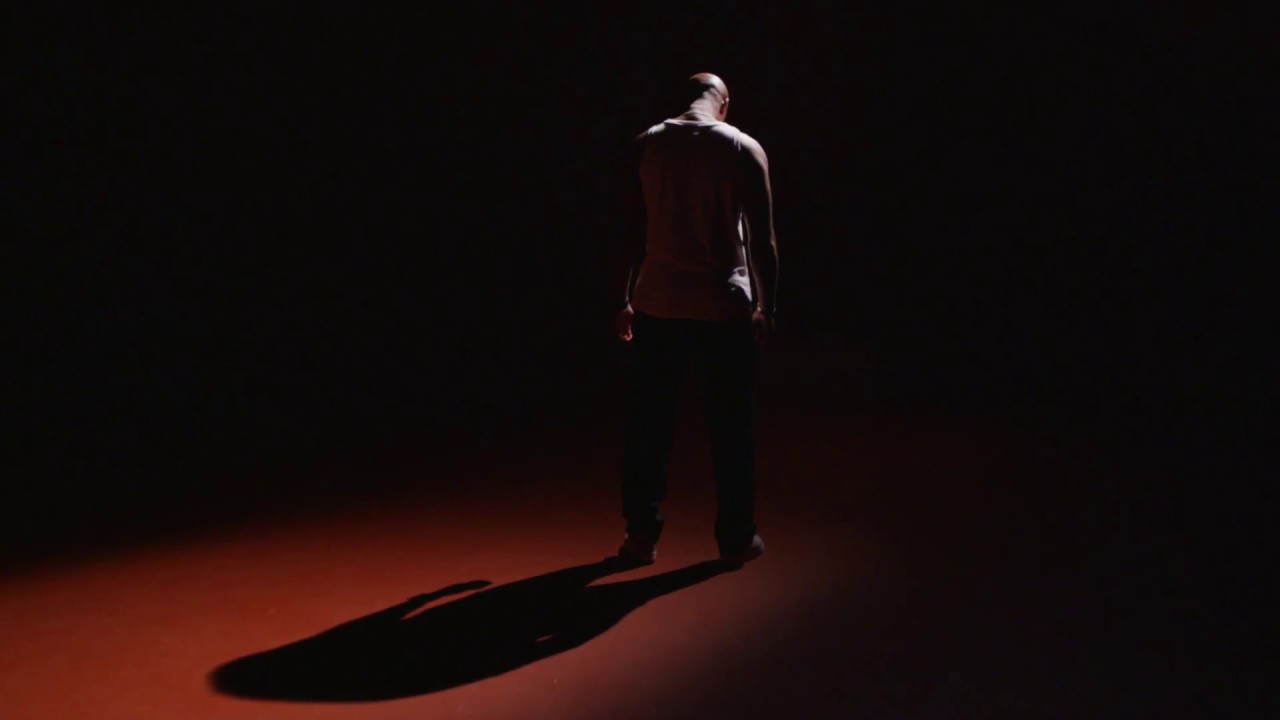
Who helped me was a neighbor. He put me in his car and took me to Socorrão. He just said, “you will pay me”.
If I weren’t going to be his, I wouldn’t be anyone else’s. So my battle with him started. When I realized, I was feeling this very strong smell of ammonia, he was pouring it into my mouth.
He tried to close my mouth. And then the stabbing started. I started begging him not to kill me, and he went on stabbing me.
And I started struggling against him. And I screamed. So my neighbor shouted his name and then he took the bike and just fled.
We closed the past year with 364 cases. This year, until July, we had 225. His first aggression was to tell her he owned her, and that’s why he would have his initial letter marked on her shoulder.
So he did that with a knife. Lastly, he almost chopped her hand off, because she didn’t want to have intercourse with him. These women get here in utter pain.
The Emergency Units, Socorrão I, Socorrão II, always take these cases, but we weren’t able to calculate how many women were serviced, how many children. So things were all mixed up. They had this idea that violence against women was police business.
Then we identified that the police station by itself wasn’t able to reverse the violence phenomenon. We needed to come up with new possibilities for women so that we were able to rescue them effectively. SAEEM was conceived to provide service precisely for women in situations of domestic and sexual violence.
Adolescents, women in reproductive age and elders. We needed to think about something to provide support to these victims, something that would articulate with other institutions. Health, Security, Justice, the Defender’s Office, Social Sciences.
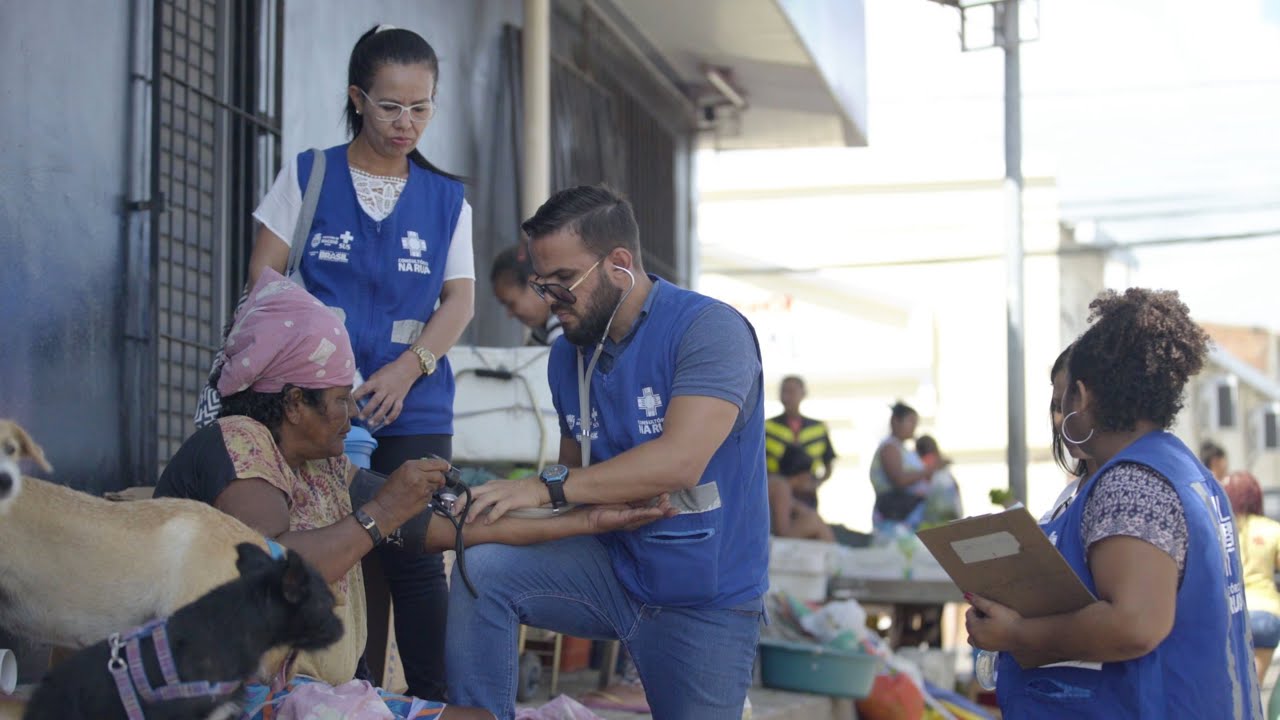
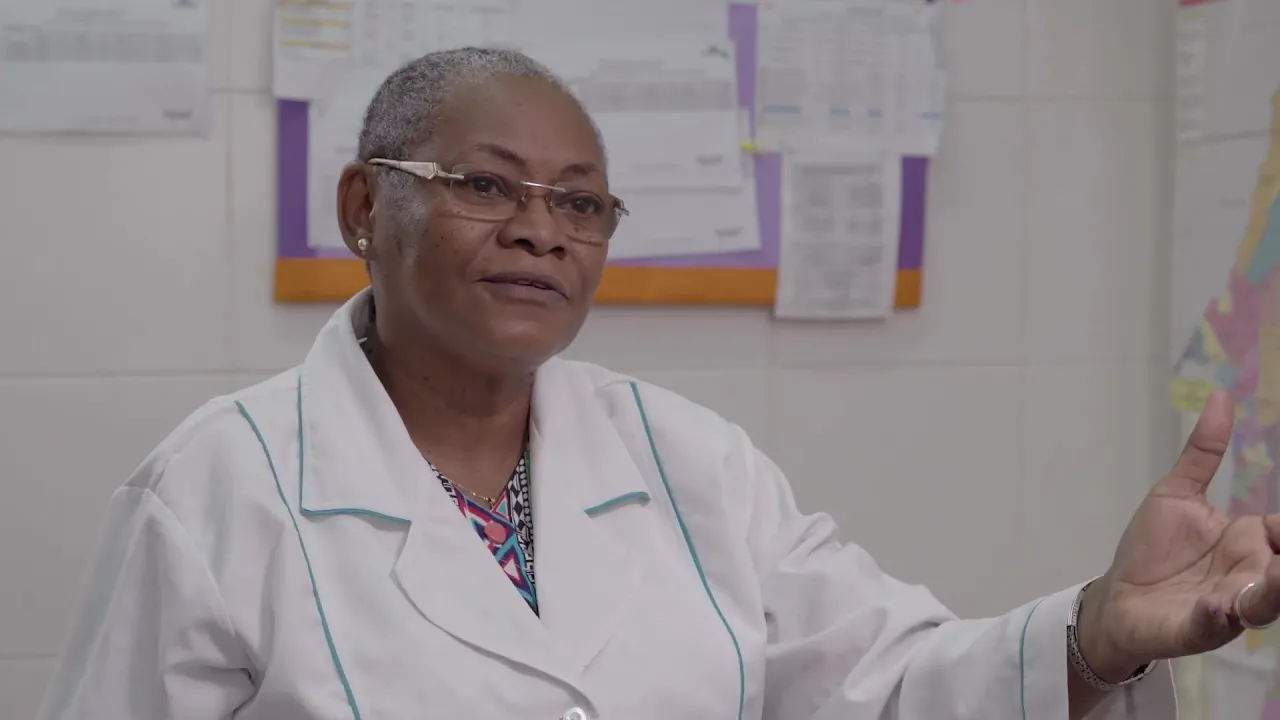
We needed to be more connected in order to be able to provide this response to the victims. So they get here by themselves or by ambulance, they go through risk classification and then, after they are classified by the doctor, that’s when we get in. Because then she is inside the hospital, she already has a record, she was already seen, we have proved that she was a victim of violence, and then we get in touch with this victim’s family.
Seeing a victim of violence is not seeing a regular patient. You have to really understand what they’re saying. Sometimes they make gestures, sometimes they look at you and you have to understand what they are trying to say.
We have been helping many women to break the violence cycle. It is not something easy to do, because she comes to the Health System to take care of her body. To get a bullet removed, to fix a broken arm or leg.
A tibia, or a femur. And we need to work on their subjectiveness. What happened to them?
Can you escape this? Do you want to escape this? So this way we hold a dialogue that is different from the one they hold with a doctor or a nurse because they take care of her body.
And we go a little beyond that, taking care of her rights, looking into the possibility of her breaking up, into the possibility of her being happy. And this is a conversation that you don’t get to have at the public hospital. There is also the complication of her having an emotional, romantic or family relationship with that man.
He uses the knowledge about that intimacy to abuse, to maintain an abusive relationship with her and to manipulate her. There is also the matter of children, which has a very meaningful importance in the development of that relationship. When I woke up, I thought I was still living that night of panic, but I noticed I was in a hospital.
So, after I woke up, I spent 13 days in an ICU. That’s when I saw my brother-in-law in front of me. He told me what had happened.
That’s when I looked down and saw my open belly. Then I realized that I had survived. So that she won’t have to repeat what she said to the doctor to me, in here she is in a closed room, more at ease, she can say whatever she wants and then I say, “do you authorize me to record your testimonial and send it to the police chief?
” When she gets there to formalize the police report, the police chief already knows her story. Because there may be details that she says here and just won’t say to the police chief. We provide to the police chief responsible for that investigation with this situational report that is sent through Socorrão II, through this SAEEM center, where they gather photos, videos, sometimes even recordings, authorized by the woman, audio recordings as well, and all this goes together with the medical report.
We have a very close relationship with the police chiefs, with the coordinator of the police chiefs for women of the state of Maranhão and with the police chiefs of the municipalities where we have several cases. And it has been really enriching having security and health working together in the case of defending the rights of adolescents, of women. You can choose, there is a police station for adolescents, a police station for women and one for elders.
We get support from both sides, from both security and assistance. They have always been present, both SAEEM, with Sílvia Leite, with her girls, and the social workers have always been in touch with me. They’ve always visited me twice a day.
They’ve always told me to lift up my head, that I had to have faith. They’ve always been really supportive. So today we have the House of the Brazilian Woman as a support because there we have all of the institutions that these women will need.
Other than the police station being here, we also have the Attorney’s Office, the specialized Public Defender’s Office, the specialized court, the Reference Center for Women in Violence Situations, the Maria da Penha patrol, a Transportation Center, a temporary lodging facility a SiNE central, other than management, which is carried out by the State Secretariat for Women. This house has made available to women a service that was unprecedented until then, which was the first 24h on-call gender service, the gender service. So it was the first on-call gender service installed in our state that would be servicing women in situations of violence at night, on weekends and holidays, which are occasions when women suffer the majority of violent attacks, according to the statistics of our state.
Each on-call day has a different story. Each woman has a story, each woman is a universe, each woman is a set of subjectiveness. And then you get feedback.
Sometimes they come back two, three months later, they have changed their hair color. Sometimes I don’t even recognize them because their self-esteem has improved so much that she managed to break up. This is not an isolated work; it is a work which is supposed to be collective.
So the work with the doctor, the nurse, psychologist, because you work with the subjectiveness of these people, you work with their life history. They want to change their lives. There have been cases in which we could even get the woman to work somewhere else for her own safety.
Women who suffer domestic and family violence return home and they continue to be afraid. They go outside their houses and they continue afraid because these men know everything about their life, so they live in a risk situation at all times. I am not the first he has tried to kill.
He has another one. There have been 19 years since he last tried to kill his ex-partner. I learned this after a while.
When I got admitted to the hospital, she contacted my family. She said she told the story to my mother and my siblings. A knife, because she spent almost one month with her belly cut open at the same health unit where I stayed.
I am trying to rebuild my life now, I’ve even started thinking about going back to work some three months ago. I didn’t. Because of some aftereffects.
I spent 55 days at the hospital. So the idea is to have people here to continue this job. We have trained 16 professionals here who can work at any institution.
It is very satisfying this aspect that it is possible to contribute and it is possible to break this cycle. The greatest result for us is when they return and say, “look, I got over that, I am here, I am ok. ” This is something of a warrior woman.
I see it like that. Especially after I went through what I did. I know that I am strong.
I am still winning. When I need anything, if I have any doubts, I just go after her and talk to her. Sílvia helps me with that, she talks to me and she lifts me up.
We end up doing even more than we were supposed to. And why is that? Because that’s a life.
A life that needs help.

![[Conasems em Pauta] - Fórum de Debates sobre a Reforma Tributária e os Efeitos na Saúde](https://img.youtube.com/vi/aEeeAG_vsbE/maxresdefault.jpg)