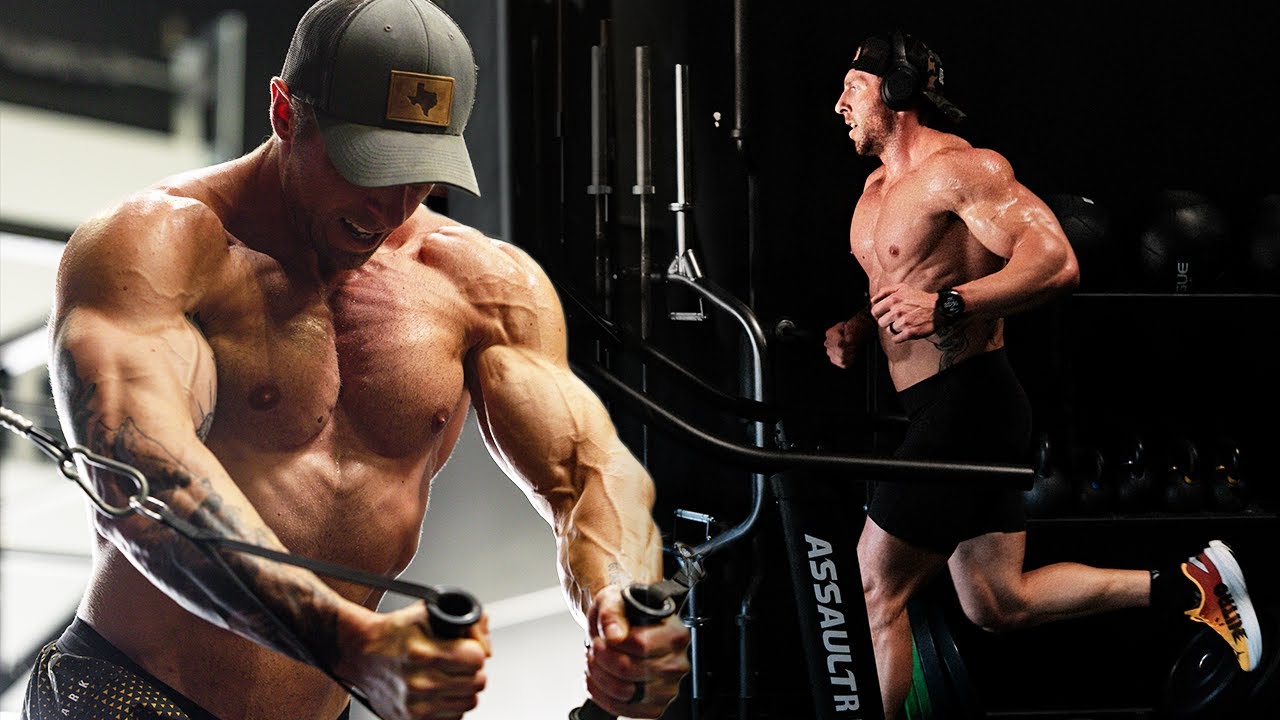
yep I said it before and I'll say it again hybrid athlete training is the best way to train the reason it's the best lies directly in the results improved body composition longevity and it's sustainable and in this video I'm going to show you how to set up your hybrid training program thank you [Music] so we've talked about the why now let's talk about the how how to effectively program your workouts to combine strength training and running but before we dive into that I want to say that there is no perfect plan that is applicable for
everyone and everything it's all about your personal fitness and health goals training for your personal health and fitness goals may seem like common sense but I can promise you it's not I've realized that it's often overlooked because what we try to do is train or work out as optimally as possible but the reality is it's sometimes optimal is not the best way we have to ask ourselves questions like how do we want to train what do we enjoy doing if I enjoy running more than strength training and maybe I should run more than I Strength
train but if I love strength training I don't love cardiovascular conditioning as much well maybe I want to prioritize strength training but find ways to incorporate cardiovascular conditioning into my training into my life life that makes it enjoyable and what are the goals that we want to accomplish is it an endurance goal is it running you know our first half marathon or full Marathon or Triathlon is it a body composition or strength focused goal for the first question we have to ask ourselves is what do we want to train for and for what reason identify
that goal and Chase that goal because that's the first step in establishing our training program now before I dive any deeper into this video I want to let you know we created a special hybrid athlete training supplement bundle for you guys and these are some of the supplements that I use around my training whether I'm in the gym throwing around weights or I'm running and I'm focused on my cardiovascular conditioning here at bpn we create effective supplements to fuel your performance endurance and wellness needs and this bundle is 20 off so you can go to
the link in the description to shop the hybrid athlete training supplement bundle and like I said save 20 off so check it out give it a try thanks for all the support and let's get back to the video now the next thing I want to talk about is training frequency foreign that everyone has different responsibilities and requirements in life both personal and professional and you can't dedicate all the time in your day to training especially if it's not a full-time job but I do want to talk about ideal frequency of training based off of research
for Hull span and lifespan for both cardiovascular conditioning and strength training because they're both important for like I said Health span and lifespan now ideally we're doing at a minimum three times a week so that is three strength training sessions and that is three zone two zone three lower intensity cardiovascular conditioning and this doesn't have to be running this could be cycling this could be swimming this could even be walking and a lot of times people think of cardiovascular conditioning or endurance training in general they think of ah but it can be very low intensity
just getting out and moving your body with friends family by yourself listening to a podcast but I would say you have to ask yourself the question how much time can I and am I willing to dedicate to my fitness and then can I make sure that I'm getting at least three cardiovascular conditioning training sessions in per week and at least three strength training sessions in per week as well that would be ideal training frequency now the next thing I'm going to talk about is Progressive overload and within that I'm going to talk about training volume
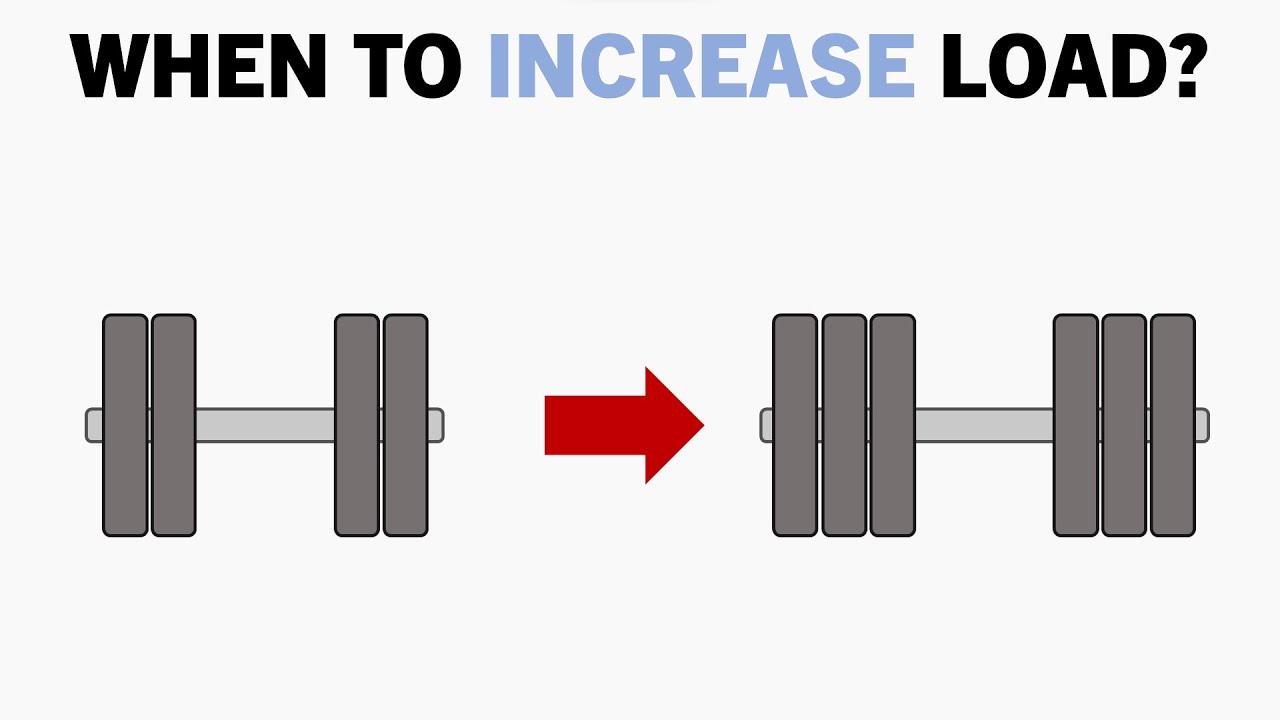
sets and Reps but I thought a good way to describe Progressive overload is like building a business you know when I first got started building bpn in 2012 it was just me and one product and a few boxes of inventory and as demand started to grow that stressed part of the business it forced us to adapt and evolve and Implement new systems and hire more people and that adaptation facilitated growth that was Progressive overload training is the same way now Progressive overload is probably the most important principle that helps facilitate growth and our bodies are
really good at adapting but as long as we provide our body with the same amount of stimulus over a long extended period of time nothing's going to change we will become more efficient with that stimulus but we're not going to get bigger we're not going to necessarily get stronger or faster the way that we get bigger faster and stronger is with Progressive overload and we can manipulate our training through exercise selection and style through reps sets weight and rest periods but over an extended period of time we want to see Progressive overload helping us get
bigger faster and stronger this is why it's really important to document your training it's as easy as getting a big notebook and writing down the miles you are running at what paces and your heart rate or when it comes to a strength training workout running down the exercises and the Reps and the sets the weights you used and your rate of perceived effort or exertion on that set and by documenting this we have a baseline amount of data and we can make sure we are increasing through Progressive overload the volume over an extended period of
time a great example of the benefits of documenting is sometimes not just seeing Improvement but by monitoring the amount of volume we're doing an example of that is we know with running to reduce risk of injury we don't want to increase running mileage too quickly so a good kind of standard to follow is we don't want to increase running weekly mileage by more than 10 percent each week week over week and by implementing that control We Are One Like I said reducing risk of injury but facilitating an effective and efficient rate of growth and progress
now before we wrap up this video I want to make sure you understand the difference between a resistance training or talking about strength and muscle development there is a difference between strength and hypertrophy or size and to break this down I brought in my good friend Jordan side so Jordan take it away if we can break down number one well muscular development as you're trying to train to get bigger muscles whereas strength development is you're trying to teach your muscles how to produce more Force generally speaking a bigger muscle has more potential to produce more
Force just because it's bigger does not mean it actually does produce more force and I think the easiest example that we can look at is bodybuilders versus Power lifters the people who are the most jacked who have the most muscle are usually not the ones who can display and produce the most Force if your goal is to increase muscle size this is where mechanical tension comes into play and really stressing the individual muscle fibers and trying to get as much recruitment from that muscle as you can whereas strength development this is more of like a
full body and not just body but also neuromuscular your brain plays a huge part in this it plays a huge role but also there's a skill component whatever it is you're doing that is a skill set in and of itself and just practicing that skill set will allow you to get stronger in that skill set without even necessarily getting your muscles to produce more Force just becoming more efficient at that will essentially allow you to display more strength and be stronger as a result of it [Music]