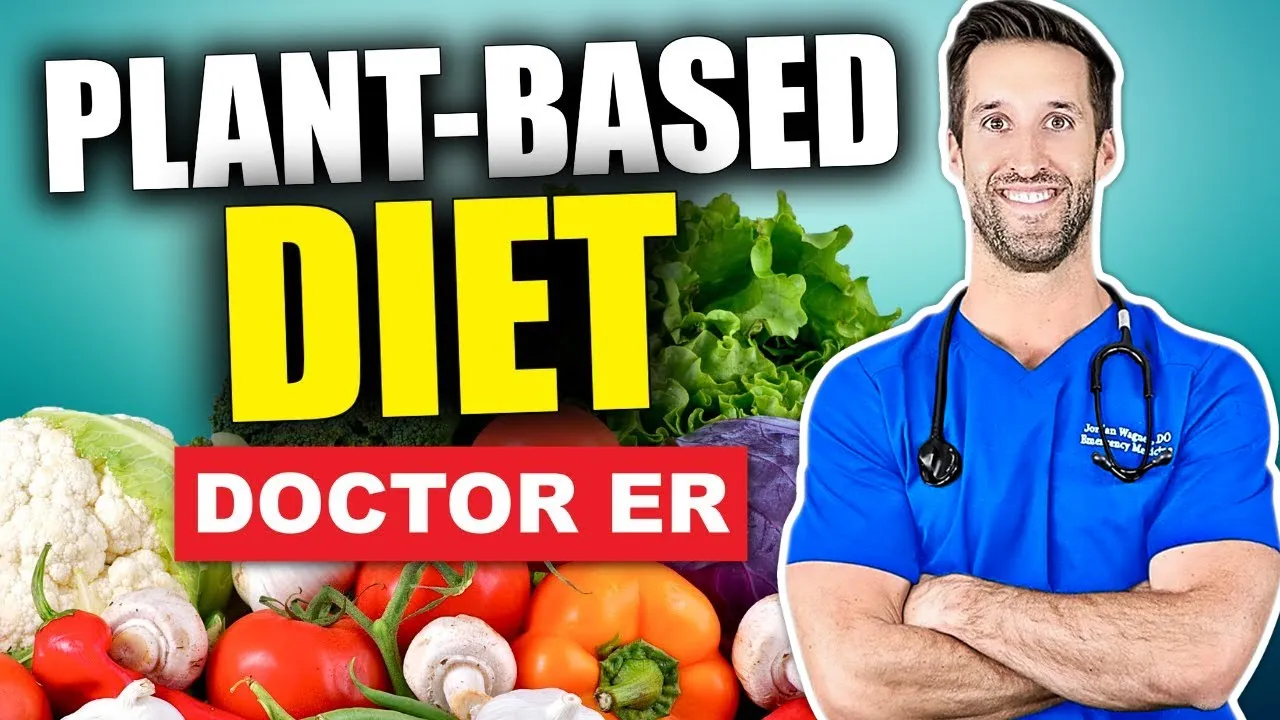
What is a plant-based diet? A plant-based diet can reduce the risk of type two diabetes, heart disease, and certain types of cancer, and other major illnesses. You’ve probably heard by now you know that science shows changing your nutrition is a powerful way to live longer, help the environment, and reduce your risk of getting sick.
You’re probably thinking that moving to a plant-based diet sounds like a great idea, but you don’t know where to start or if it’s right for you. What are the overall health benefits? Is it right for me?
Can you eat plant-based on a budget? How do I make sure I’m getting the right amount of nutrients? Nutritional advice can be confusing, worrisome, and all over the place.
We want to eat healthy to fuel our bodies, but where do we start? Remember, no one specific diet or health plan is the same for everyone. How food affects our bodies is different for each individual.
Some may thrive on a plant-based diet vs, keto vs paleo, vs even carnivore. But don’t worry, today, I’m going to break down and answer all your plant-based diet need to know questions. Hey everyone, I’m Doctor Jordan Wagner.
I’m a board-certified emergency medicine physician and on my show, I answer your urgent medical questions and clear up myths about certain deadly diseases. If you haven’t already done so, please make sure you hit the ‘subscribe’ button and turn your bell notifications on. That way you are instantly alerted when I post a new video.
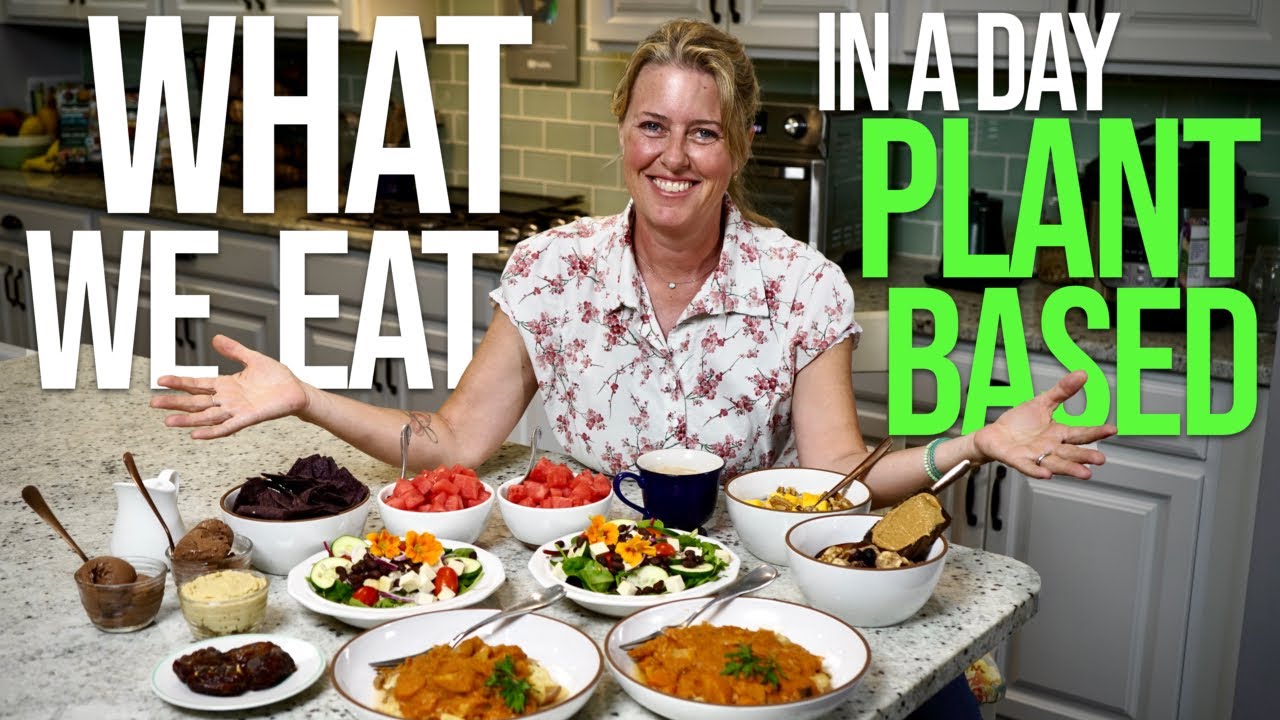
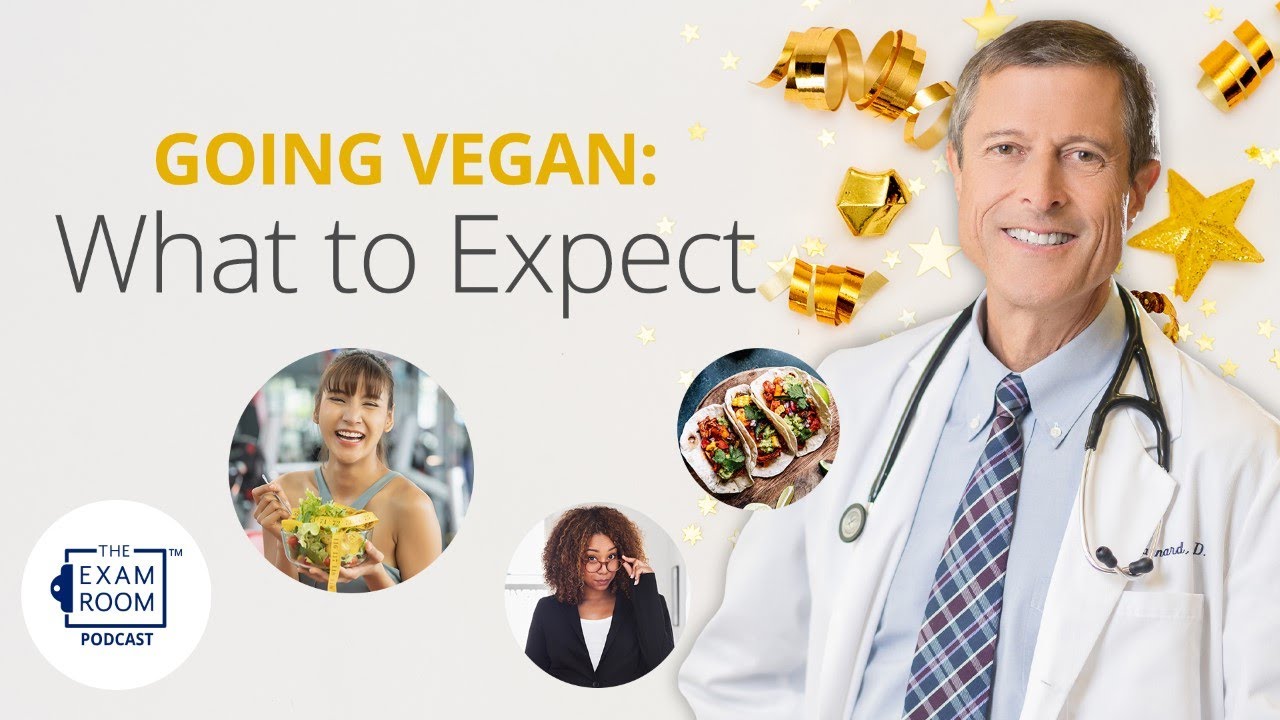
What is a plant-based diet? A whole-food, plant-based diet is based on the following principles as there isn’t really a clear definition. Whole food describes natural foods that are not heavily processed.
That means whole, unrefined, or minimally refined ingredients. Plant-based means food that comes from plants and doesn’t include animal ingredients such as meat, milk, eggs, or honey. A whole-food, plant-based diet lets you meet your nutritional needs by focusing on natural, minimally-processed plant foods.
The whole food plant-based diet is not necessarily a set diet — it’s more of a lifestyle. Is a plant-based diet healthy? If followed properly, a whole foods, plant-based diet can have its benefit in the long run.
Plant-based diets limit the use of oils, added sugars, and processed foods, leaving only whole foods to provide the nutrition. This maximizes nutrient intake and virtually eliminates foods that can lead to poor health outcomes. This is the biggest takeaway.
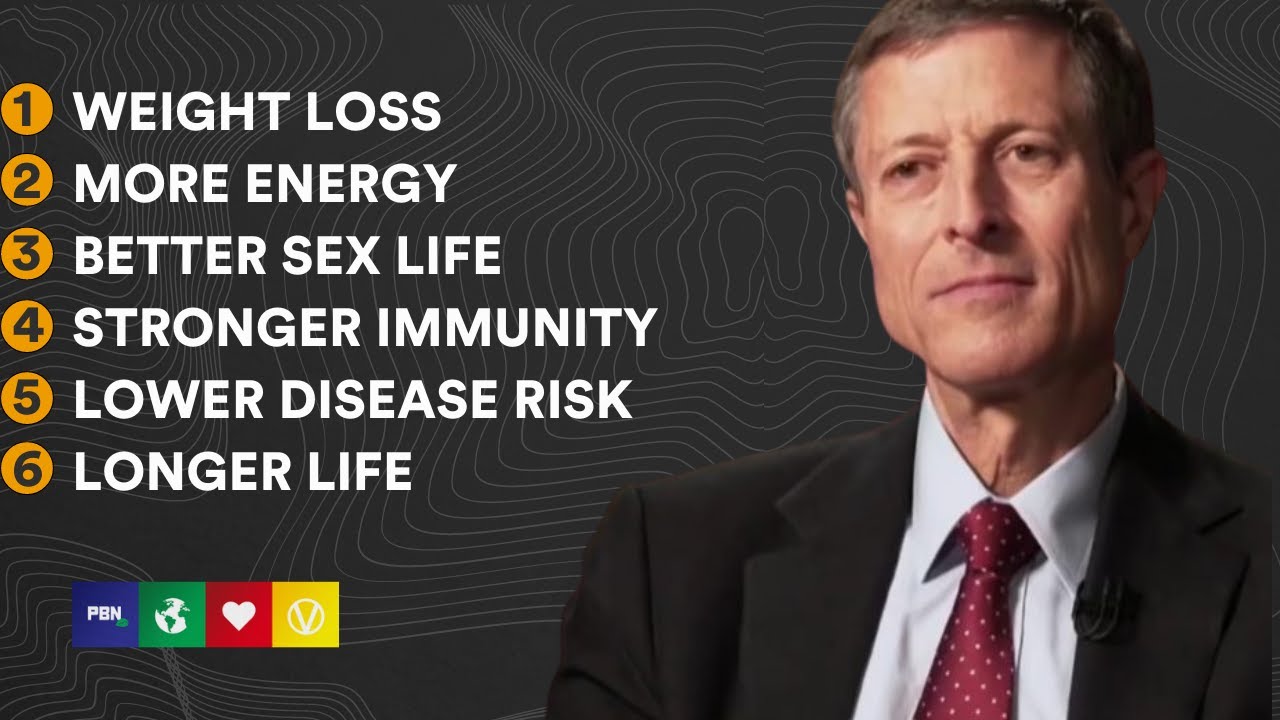
These diets are low in saturated fat, free of cholesterol and rich in fiber, vitamins, minerals, and antioxidants. There’s excellent scientific evidence that many chronic diseases can be controlled, reduced, or even reversed by moving to a whole-food, plant-based diet. Scientific research highlighted in the landmark book The China Study shows that a plant-based diet can reduce the risk of type two diabetes, heart disease, certain types of cancer, and other major illnesses.
Many people also report bigger fitness payoffs, more energy, reduced inflammation, and better health outcomes after the switch. How to know if a plant-based diet is right for you, So many people who make the switch report feeling much better, having less fatigue, and lose weight, and otherwise enjoying a healthy lifestyle. Once you get started, it’ll be easier to keep going.
Once you begin feeling shifts in your mood, your energy and have lost some weight, it’s a lot easier to continue eating this way. One of the best motivators for people transitioning to any new diet or exercise routine is results. Can you eat plant-based on a budget?
Whole-food, plant-based eating is cheaper then you actually think. Fresh produce goes a long way, and whole grains, potatoes, and beans are some of the most affordable bulk foods that you can buy. Create meals around these staple items and you’ll definitely spend a lot less than you are on a diet that's rich in meat and other animal products.
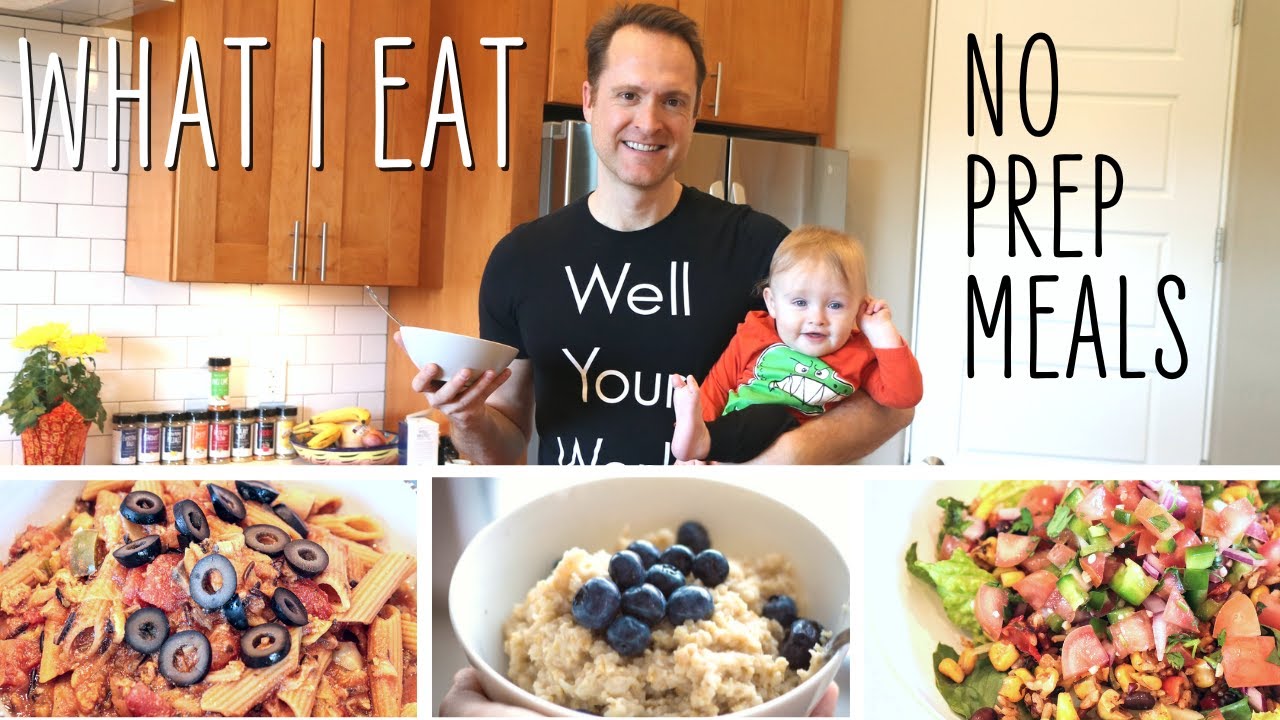
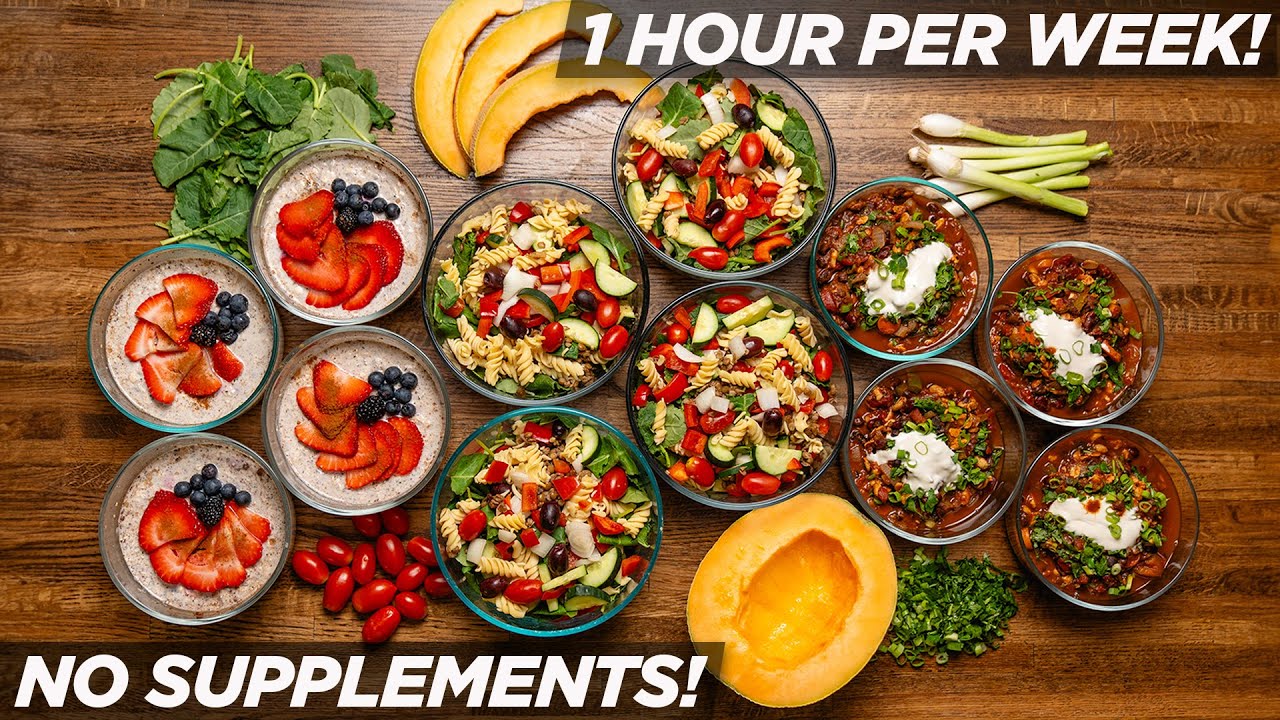
How can you eat plant-based if you're always on the go and you don't have time to cook? Yes, you will need to plan ahead a little, but it’s pretty easy to find whole-food, plant-based meals on the go. You can usually find fruit and dishes made with pasta, rice, and potatoes wherever you are.
With a little creativity and flexibility, you can also prepare some fantastic food to take with you. How can you eat out on a plant-based diet? Most restaurants are very accommodating of dietary needs, and you should be able to review their menu online.
Scan the menu in advance to see if a restaurant offers vegan options, and you’re already most of the way there. When you’re unsure, simply call ahead, explain your preferences and they will probably be able to accommodate you. How do I know if a plant-based diet is right for you?
Try it out. Begin slowly. Keep it simple.
Begin by cutting out one animal product at a time. For example, try replacing all milk and dairy products with soy, rice, almond, or hemp alternatives. Use non-dairy yogurt or kefir and soy or coconut milk coffee creamer alternatives.
Next step, you can try replacing meats with plant-based proteins and meat alternatives like tofu, veggie burgers, and tempeh. But still, be sure to keep in mind the four groups of food at each meal — plant protein, fruit, vegetables, and whole grains. The cons of a plant-based diet, Following a plant-based diet means saying goodbye to all animal products or most animal products including lean meat and dairy products such as milk, yogurt, cheese, and ice cream.
It’s much easier said than done. Truth me, I know. But when you follow the appropriate guidelines and implement the correct eating habits, over time, replacing animal products in your diet is possible.
If you don’t plan your plant-based diet correctly, you may not meet all your protein, vitamin, and mineral needs. And you won’t feel or look your best if you develop a nutritional deficiency. But there are easy ways to make sure you’re getting the nutrients you need.
Importance of getting the right nutrients, That being said, whole plant foods contain all the essential nutrients, with the exception of vitamin B12, we need. You can get some B12 from fortified foods such as plant-based milks and breakfast cereals, but the best source is simply a B12 supplement vitamin. Fun fact, in fact, the U.
S. Department of Health and Human Services recommends supplementing B12 for all adults over the age of 50 because as we age, many people lose the ability to absorb vitamin B12 from food sources. You don't need to go full vegetarian or vegan to get the best heart-healthy benefits.
The focus should be on eating more of the right foods, and avoiding the wrong ones, eliminating unhealthy foods, and moderating your intake of healthier animal products. A heart-healthy diet doesn't need to be a daunting one either. All right, that's been a quick plant-based breakdown with me, Doctor Wagner.
Let me know in the comments if you’ve ever tried to go full plant-based or have been thinking about. I’d love to hear about your experiences. Hit me up on Facebook, Instagram, or Twitter as well.
I’ll be sure to respond to you there. As always, make sure that you subscribe and turn your bell notifications on. Thank you so much for watching.
Stay healthy my friends.