7 Warning Signs of Blocked Heart Arteries In Legs and Feet. Imagine you're taking a stroll in the park. The sun is shining, birds are chirping, and everything seems perfect.
But suddenly, you feel a strange sensation in your legs. Is it just fatigue, or could it be something more serious? Today, we're going to explore a condition that affects millions of people worldwide yet often goes unnoticed until it's too late.
We're talking about blocked heart arteries in the legs and feet, also known as peripheral artery disease (PAD). This condition can affect anyone, regardless of age or background. But here's the good news: if caught early, many of the serious complications can be prevented.
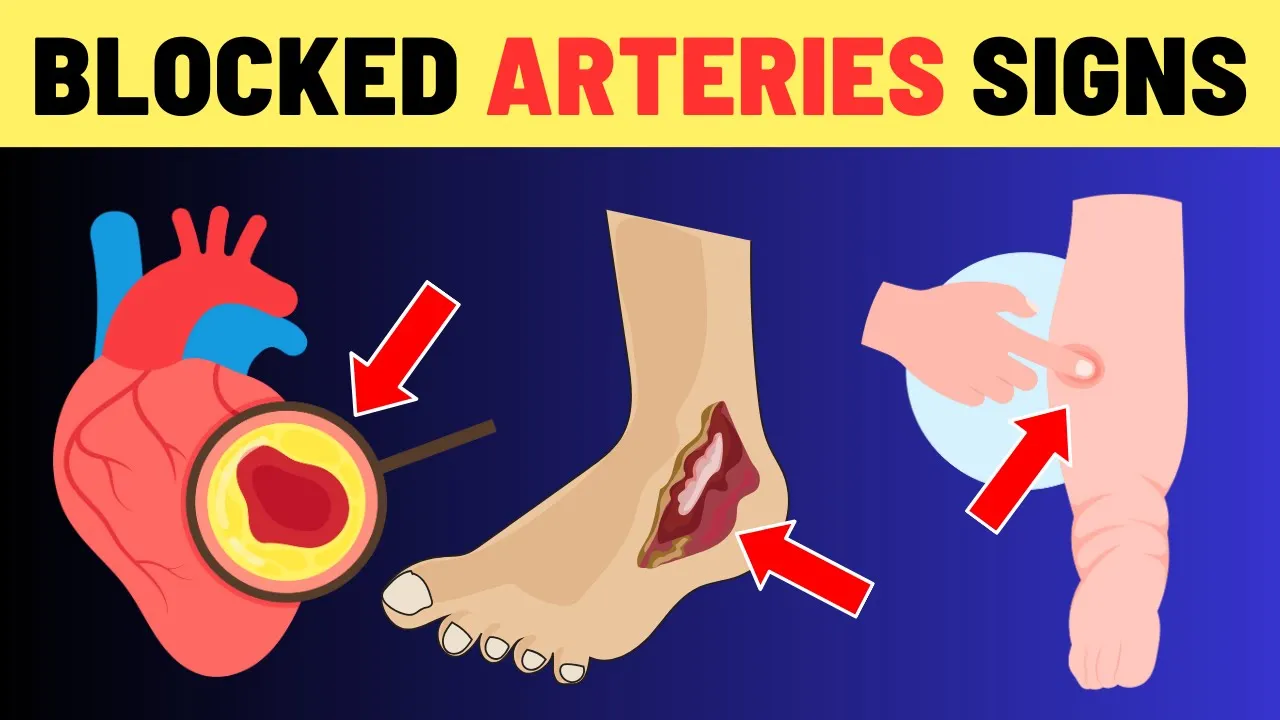
That's why it's crucial to recognize the warning signs. In this video, we'll explore seven key warning signs that could indicate blocked arteries in your legs and feet. By the end, you'll be equipped with the knowledge to potentially save your own life or the life of someone you love.
So, let's dive in! Understanding Peripheral Artery Disease. Before we get into the warning signs, let's quickly understand what we're dealing with.
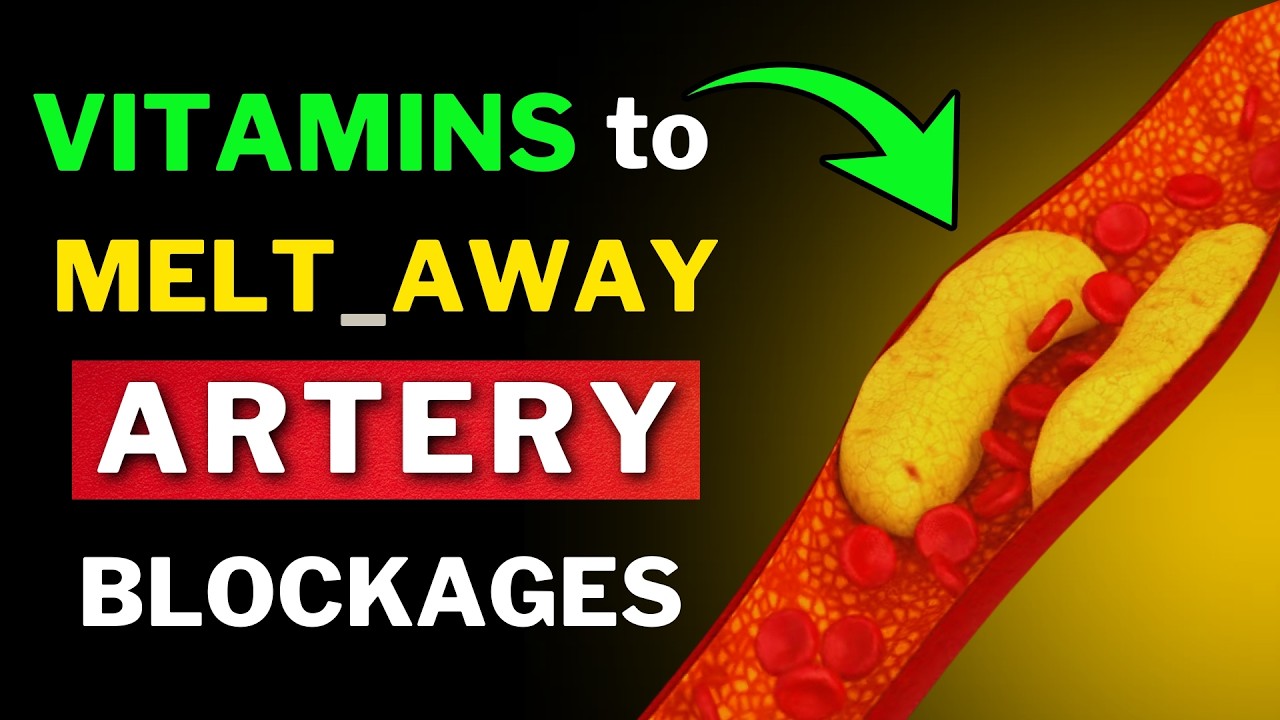
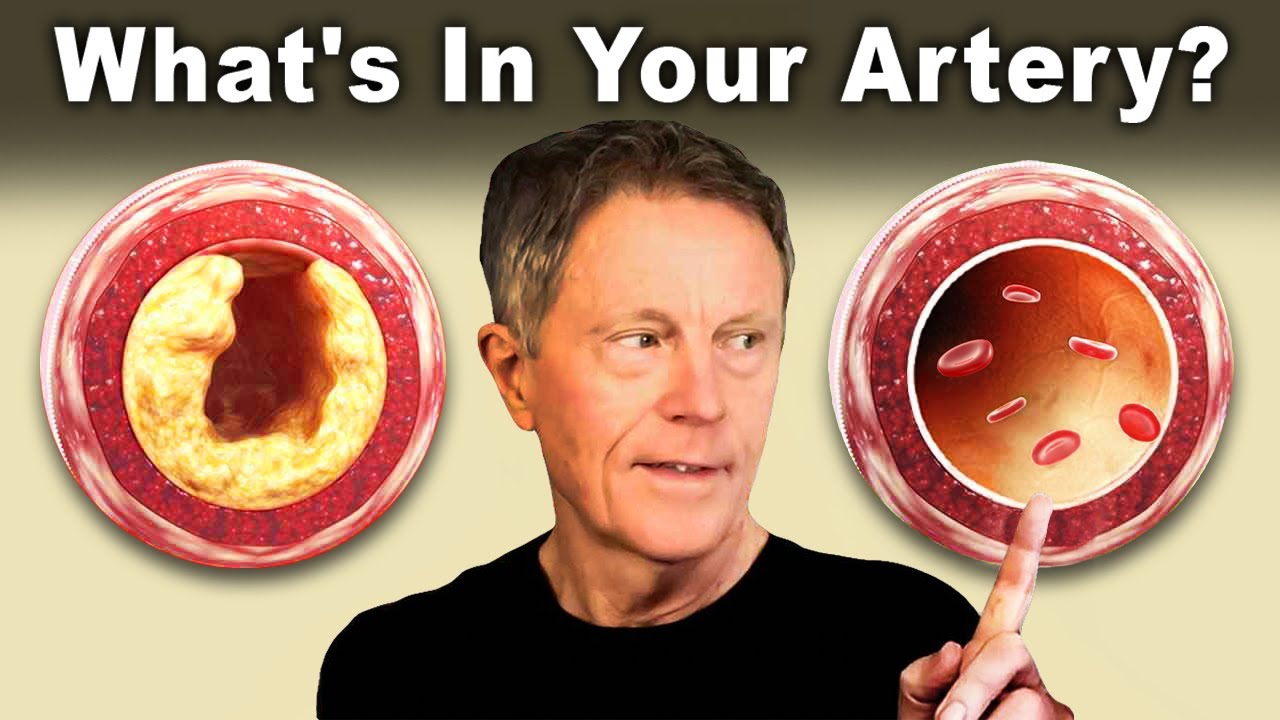
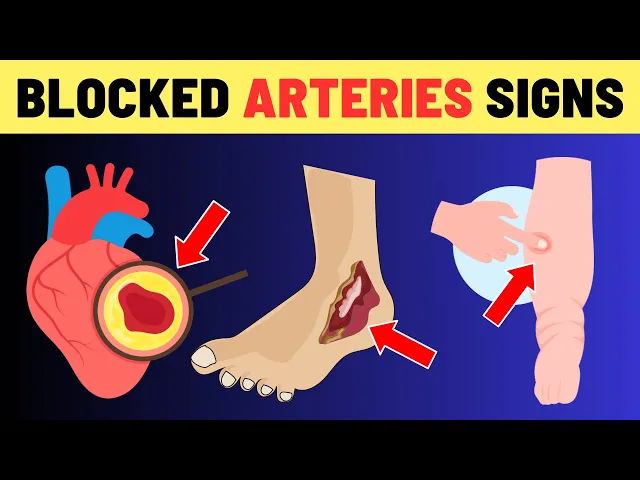
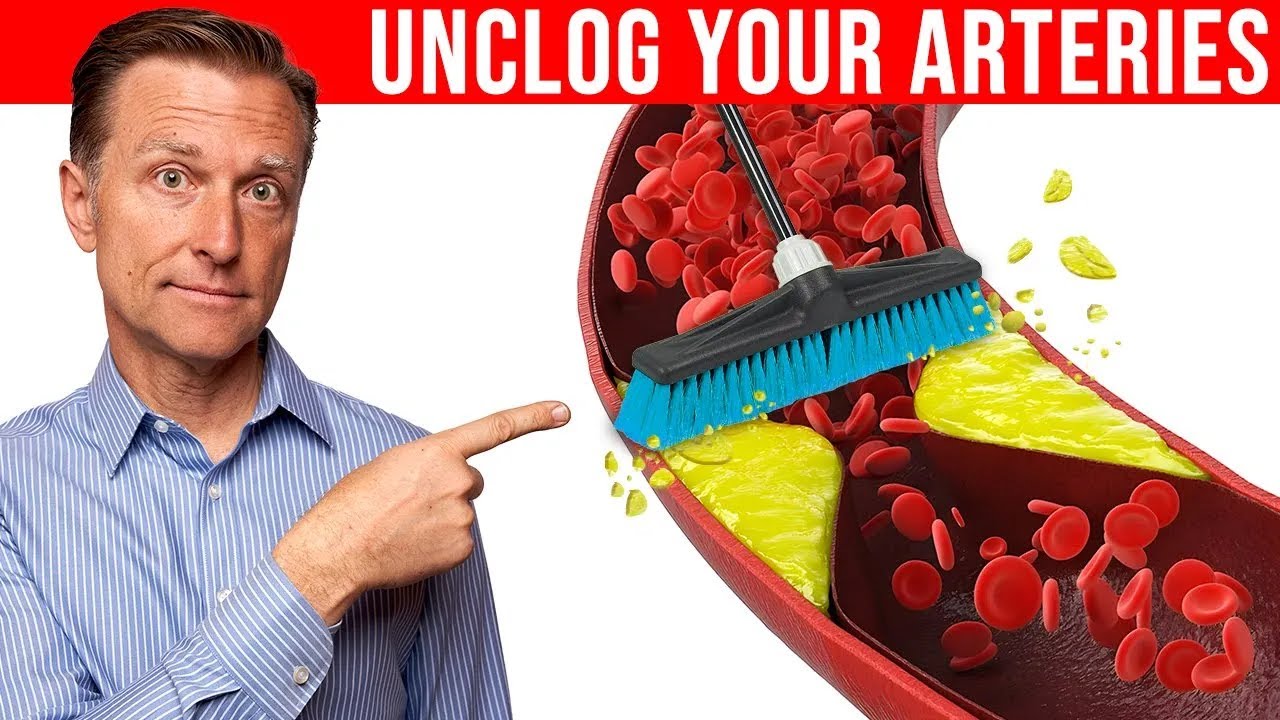
Peripheral Artery Disease, or PAD, occurs when the arteries that supply blood to your limbs become narrowed or blocked, usually due to a buildup of fatty deposits called plaque. This plaque buildup, known as atherosclerosis, can happen anywhere in your body. When it occurs in the arteries leading to your legs and feet, it can cause various symptoms and potentially serious complications.
Several factors can increase your risk of developing PAD. These include smoking, high blood pressure, high cholesterol, diabetes, obesity, and a sedentary lifestyle. Age also plays a role, with the risk increasing as you get older.
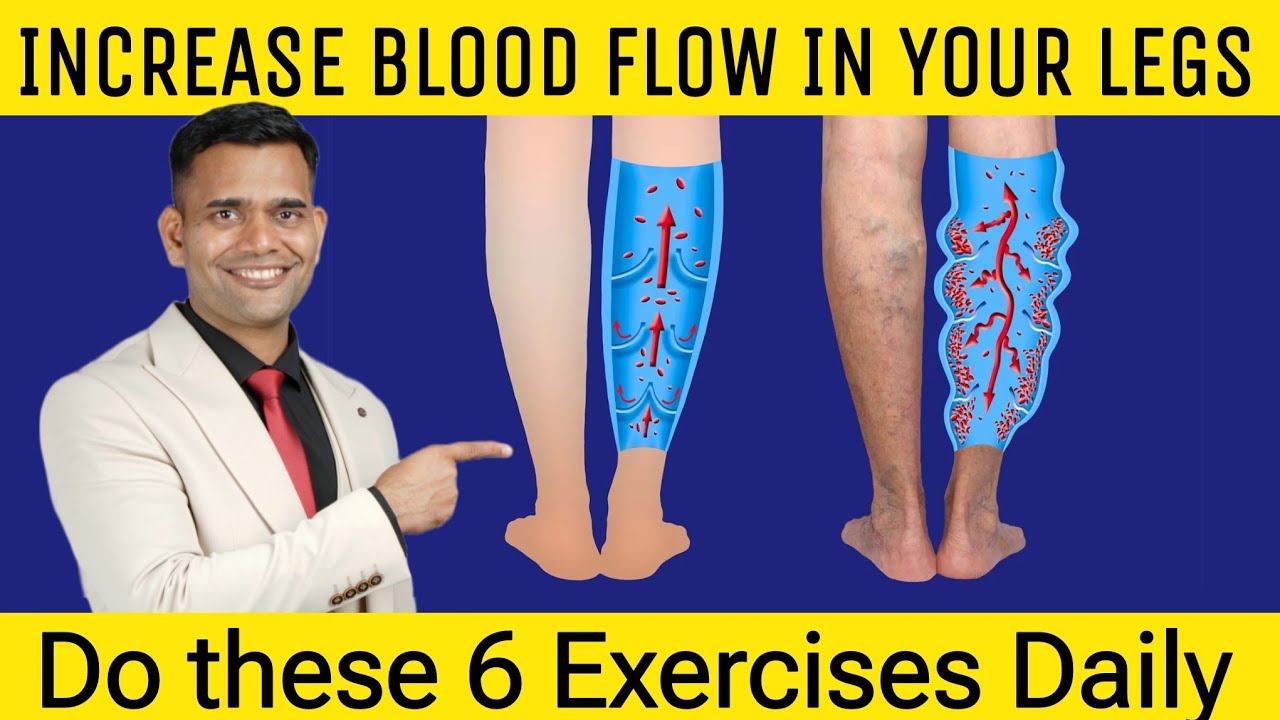
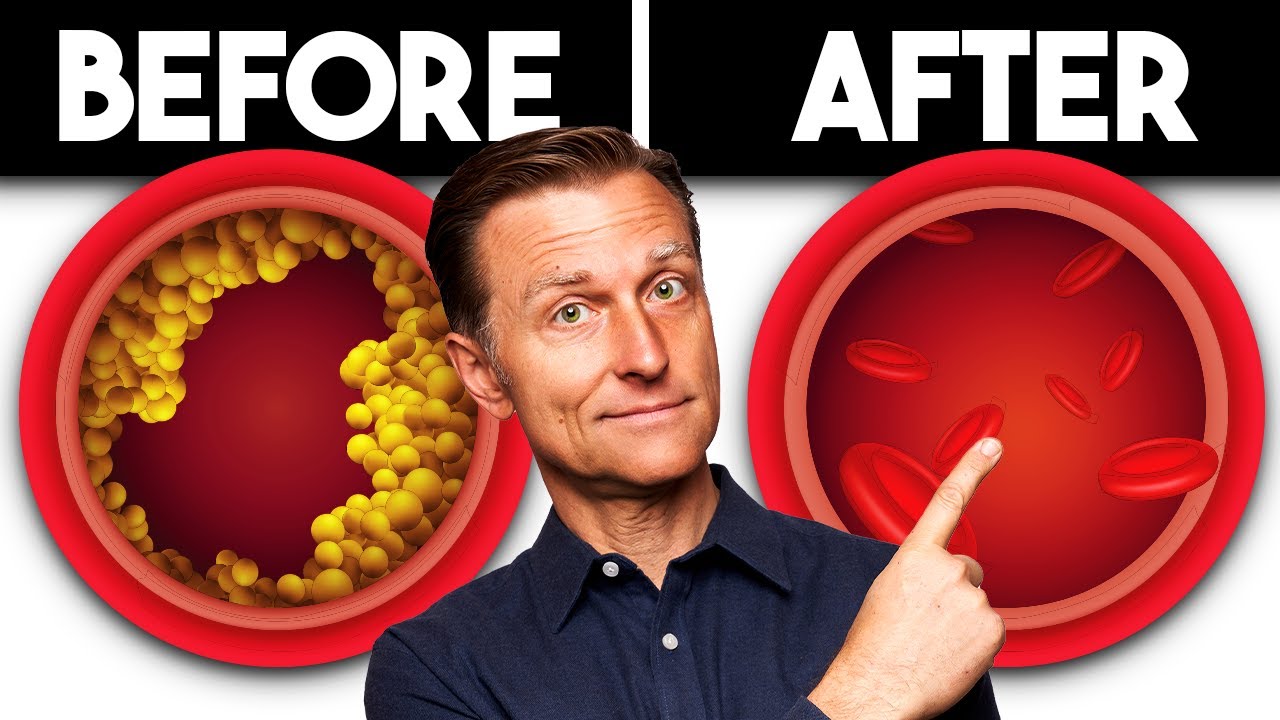
In a healthy circulatory system, blood flows freely through the arteries, delivering oxygen and nutrients to the tissues. But in PAD, the narrowed arteries restrict this blood flow, leading to various symptoms, especially in the legs and feet. Now that we understand what PAD is let's explore the seven warning signs that could indicate you have this condition.
Remember, early detection is key, so pay close attention! Warning Sign #1 - Leg Pain or Cramping During Activity. The first and perhaps most common warning sign of PAD is a symptom called intermittent claudication.
That's a fancy term for leg pain or cramping that occurs during physical activity, like walking or climbing stairs. Here's what happens: When you're at rest, even partially blocked arteries can usually deliver enough blood to your legs. But when you start moving, and your muscles need more oxygen, these narrowed arteries can't keep up with the demand.
The result? Pain, cramping, or a feeling of heaviness in your legs. Typically, this pain subsides after a few minutes of rest.
But here's the catch: it usually comes back once you start moving again. This on-again, off-again pattern is a hallmark of PAD. The pain can occur in various parts of your legs, depending on where the blockage is located.
It might be in your calves, thighs, or even your buttocks. Some people describe it as a burning sensation, while others feel more of a tightness or squeezing. If you're experiencing this type of pain, don't brush it off as just "getting older" or being out of shape.
It's important to mention it to your doctor, especially if it's a new symptom or getting worse over time. Warning Sign #2 - Weak or Absent Pulses in the Legs or Feet. Our second warning sign is something you might not notice on your own, but your doctor can easily check: weak or absent pulses in your legs or feet.
In a healthy circulatory system, you should have strong, easily detectable pulses in several places in your legs and feet. The most common spots doctors check are the top of the foot and behind the knee. When checking for pulses, doctors use their fingers to feel for the rhythmic beating of blood through your arteries.
These pulses may be weaker than normal in PAD or even completely absent. A weak or absent pulse doesn't automatically mean you have PAD, but it's definitely a red flag that warrants further investigation. Your doctor might use a special device called a Doppler ultrasound to get a more detailed look at your blood flow.
Remember, you can't reliably check these pulses on your own. That's why regular check-ups with your healthcare provider are so important, especially if you have risk factors for PAD. Warning Sign #3 - Changes in Skin Color or Temperature.
Our third warning sign involves changes in the color or temperature of your skin, particularly in your legs and feet. When your arteries are blocked, less blood reaches your extremities. This can cause noticeable changes in your skin's appearance and feel.
You might notice that one leg appears paler than the other when elevated. Or, when you're sitting or standing, your legs or feet might take on a bluish or purplish tint. This discoloration happens because your tissues aren't getting enough oxygen-rich blood.
Along with color changes, you might also notice temperature differences. The leg or foot with reduced blood flow may feel cooler to the touch compared to the other side. These changes can be subtle, so it's important to pay attention to your body.
If you notice persistent differences in color or temperature between your legs or feet, it's time to consult your doctor. Warning Sign #4 - Slow-Healing Sores or Wounds. Our fourth warning sign is particularly important to watch for, especially if you have diabetes: slow-healing sores or wounds on your legs or feet.
In a person with healthy circulation, small cuts, blisters, or other minor wounds typically heal within a few weeks. But when blood flow is restricted due to PAD, the healing process can be significantly delayed. You might notice that a small cut or scrape just doesn't seem to be getting better, even after several weeks.
Or perhaps a blister from new shoes is taking much longer to heal than you'd expect. This slow healing occurs because your body needs good blood flow to repair damaged tissue. Without adequate blood supply, your body struggles to deliver the oxygen, nutrients, and immune cells necessary for proper healing.
It's crucial to inspect your feet and legs regularly, especially if you have diabetes or other risk factors for PAD. Any wounds that don't show signs of healing within a few weeks should be evaluated by a healthcare professional. Warning Sign #5 - Shiny, Hairless Skin on the Legs.
Our fifth warning sign might surprise you: shiny, smooth skin on your legs with little to no hair growth. In a healthy circulatory system, your skin receives ample blood supply, which nourishes hair follicles and maintains normal skin texture. But when blood flow is restricted due to PAD, it can affect both hair growth and skin appearance.
You might notice that the skin on your legs, especially below the knee, becomes unusually smooth and shiny. It might look almost like it's been polished. Along with this change in texture, you may also see a decrease in hair growth on your legs and feet.
This change often happens gradually, so you might not notice it right away. It's a good idea to periodically compare both legs. If you notice one leg has significantly less hair or a smoother, shinier appearance than the other, it could be a sign of reduced blood flow.
While not everyone with PAD will experience this symptom, it's an important one to be aware of. If you notice these changes, especially in combination with other symptoms we've discussed, it's worth mentioning to your healthcare provider. Warning Sign #6 - Erectile Dysfunction in Men.
Our sixth warning sign is specific to men: erectile dysfunction, or ED. While this might seem unrelated to leg arteries, it's actually a common early sign of overall arterial problems, including PAD. Erectile dysfunction occurs when there's not enough blood flow to the penis to maintain an erection.
The same process that can block arteries in your legs – atherosclerosis – can also affect the arteries that supply blood to the penis. In fact, some studies suggest that up to 70% of men with PAD also experience some degree of erectile dysfunction. Often, ED can occur before other more obvious symptoms of PAD appear.
It's important to note that erectile dysfunction can have many causes, not just PAD. However, if you're experiencing ED, especially if it's a new problem, it's crucial to talk to your doctor. It could be an early warning sign of broader circulatory issues that need attention.
Warning Sign #7 - Numbness or Weakness in the Legs. Our final warning sign is a feeling of numbness, weakness, or heaviness in your legs, especially when you're not active. When your legs don't receive enough blood flow, it can affect your nerves and muscles.
This can lead to sensations of numbness, tingling, or weakness, similar to the feeling of your leg "falling asleep. " You might notice that your legs feel unusually heavy or weak, making it difficult to stand up after sitting for a while. Or you might experience a persistent tingling sensation, especially in your feet.
These symptoms occur because your nerves and muscles aren't getting the oxygen and nutrients they need to function properly. Over time, severe PAD can even lead to muscle wasting, further contributing to weakness. It's important to note that numbness and weakness can also be symptoms of other conditions, such as nerve problems or spinal issues.
However, if you're experiencing these sensations along with other signs we've discussed, it's crucial to get checked for PAD. In conclusion, we've explored seven key warning signs of blocked heart arteries in your legs and feet. Remember, having one or even several of these symptoms doesn't necessarily mean you have PAD.
However, they are important warning signs that should prompt you to seek medical attention. Early detection of PAD is crucial. If caught early, lifestyle changes and medical treatments can significantly improve your circulation and prevent serious complications like heart attacks, strokes, or even limb amputations.
Even if you're not experiencing these symptoms, you can take steps to protect your circulatory health. Eating a balanced diet, staying physically active, maintaining a healthy weight, and not smoking are all great ways to keep your arteries healthy. By being aware of these warning signs and taking action if you notice them, you're taking an important step in protecting your health.
Remember, your legs carry you through life – it's worth taking care of them! Thanks for watching! If you found this video helpful, please like and subscribe for more health education content.
And remember, always consult with a healthcare professional for personalized medical advice.

![How To FIX Blood Flow & Circulation! [Heart, Arteries, Legs & Feet]](https://img.youtube.com/vi/HwcfPwxrL-A/maxresdefault.jpg)